
Business
How Finnish supermarkets are central to the country’s defence

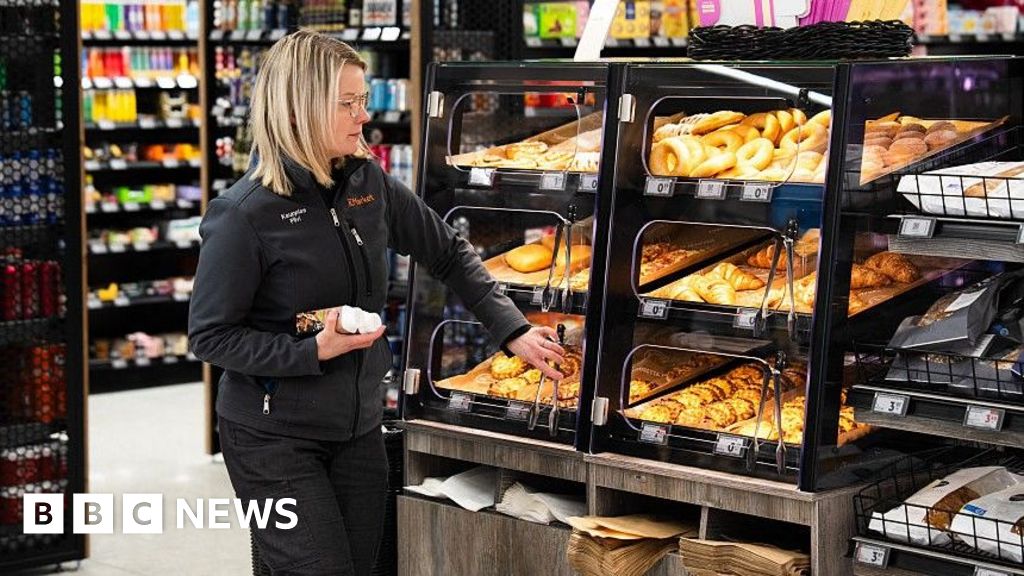
Other major businesses across the country also deemed as critical, such defence firms, transport companies, and cyber security companies, have their own detailed contingency plans to follow in the event of crisis, both as a result of conflict with other countries, and challenges such as natural disasters.


Automotive expert Mike Caudill analyzes the future of electric vehicles in the U.S. as rising gas prices shift consumer interest on ‘The Bottom Line.’
Ford Motor and other U.S. automakers have asked for relief from aluminum tariffs after fires at a major American factory created supply bottlenecks for vehicles, though the Trump administration so far has rejected the requests, according to a report.
The Wall Street Journal first reported that Ford petitioned the Trump administration for assistance, citing people with knowledge of the conversations.
The requests have come in recent weeks, according to the report, with the carmaker asking the government for relief from duties at least until Novelis’ aluminum rolling plant in Oswego, New York, returns to full service following two fires last year.
The Oswego facility, which is the largest domestic supplier of aluminum sheets for the U.S. automotive industry, is likely to remain offline until this June.
DEM SENATOR PUTS TRUMP ON NOTICE OVER ‘UNLAWFULLY COLLECTED’ TARIFF FUNDS AFTER SCOTUS LOSS

A Ford logo on a Ford F-150 pickup truck for sale in Encinitas, California, on Oct. 20, 2025. (Reuters/Mike Blake/File Photo / Reuters Photos)
The government has so far not budged, the report said, adding that the discussions are part of ongoing talks about the impact of President Donald Trump’s tariffs.
Trump officials told the companies they had already received some relief from national security tariffs last year, when major automakers were allowed to recoup part of the 25% duties on auto parts, the report said.

A Ford logo is seen on the Ford Motor World headquarters in Dearborn, Michigan, on March 12, 2025. (Reuters/Rebecca Cook/File Photo / Reuters Photos)
ONE YEAR LATER, TRUMP TARIFFS GENERATED BILLIONS AS REFUNDS TAKE SHAPE
A White House official told FOX Business via email that “the Administration is committed to a nimble and nuanced approach to reshoring manufacturing that’s critical to our national and economic security. While Ford and other automakers have raised supply concerns in light of the Novelis incident, they have not requested tariff relief on this matter in a particularly pronounced way.”
FOX Business has also reached out to Ford Motor.
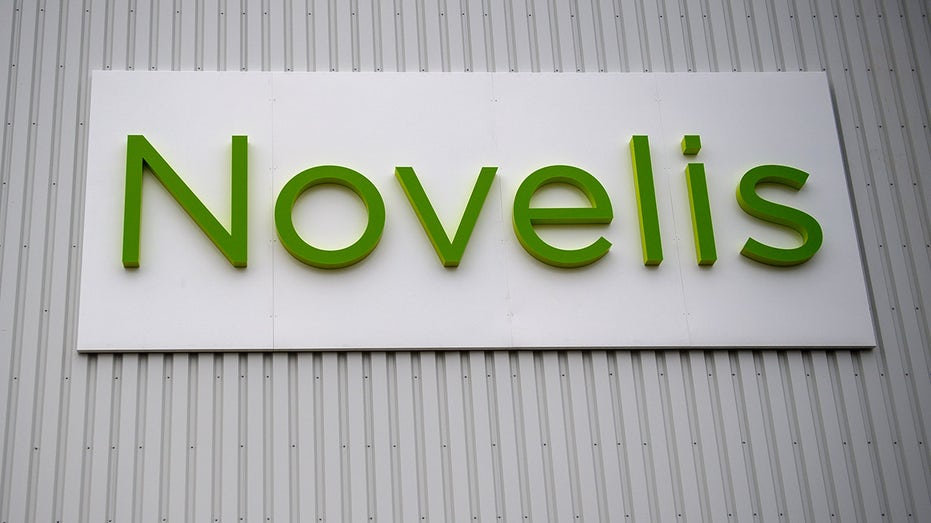
“Novelis” can be read on the facade of the factory building of the company’s recycling center. Novelis is a manufacturer of rolled aluminum products. ( Klaus-Dietmar Gabbert/picture alliance via Getty Images / Getty Images)
Novelis has offset lost production by sourcing aluminum from its plants in South Korea and Europe, though those imports now face a 50% tariff under the Trump administration.
| Ticker | Security | Last | Change | Change % |
|---|---|---|---|---|
| F | FORD MOTOR CO. | 12.14 | +0.60 | +5.24% |
| STLA | STELLANTIS NV | 7.83 | +0.41 | +5.45% |
| GM | GENERAL MOTORS CO. | 76.10 | +3.33 | +4.58% |
GET FOX BUSINESS ON THE GO BY CLICKING HERE
The plant also supplies Stellantis and General Motors, but Ford is its largest customer, as its trucks, such as the F-150, rely heavily on aluminum bodies.
Reuters contributed to this report.
Shares of AXT Inc. (NASDAQ: AXTI) skyrocketed more than 19% midday Wednesday, climbing to $54.10 as investors piled into the semiconductor materials maker on renewed optimism over its role in supplying critical substrates for artificial intelligence infrastructure and data center expansion.
The stock, which manufactures compound semiconductor wafers including indium phosphide (InP), gallium arsenide (GaAs) and germanium substrates, jumped $8.64 or 19.01% from the previous close by late morning trading on April 8, 2026. Volume surged well above average, reflecting intense retail and institutional interest in small-cap AI plays amid a broader technology sector recovery.
AXT, based in Fremont, California, specializes in substrates essential for high-speed optical networking, 5G/6G communications, photonics and advanced AI chips. Indium phosphide, in particular, has emerged as a key material for high-performance lasers and transceivers used in hyperscale data centers powering generative AI workloads. Management has repeatedly highlighted strong InP demand tied directly to the AI build-out, with the company positioning itself to capture growth as cloud giants scale infrastructure.
The dramatic intraday move extended a highly volatile period for AXTI. The stock has experienced wild swings in recent weeks, including multiple double-digit percentage gains and sharp pullbacks. Earlier in March and late February, shares rallied on positive commentary around export permit improvements from China and expectations for sequential revenue growth in the first quarter. A notable dip followed an earnings-related reaction in early April, but bargain hunters quickly re-entered, driving the latest surge.
On April 7, AXT announced it would release first-quarter 2026 financial results after market close on April 30, followed by a conference call at 1:30 p.m. PT. The timing fueled speculation that investors are positioning ahead of potentially strong guidance or upbeat commentary on InP demand. In prior updates, CEO Morris Young noted improving export permit receipts in early 2026 and the company’s efforts to double indium phosphide production capacity to meet customer needs.
Analysts and market observers pointed to AXT’s niche but strategically important position in the semiconductor supply chain. While the company remains unprofitable — posting net losses in recent quarters — its products support technologies at the heart of the AI revolution. InP substrates enable faster data transmission with lower power consumption, critical for optical interconnects in AI servers and networking gear from companies like Broadcom, Cisco and others ramping up AI infrastructure.
“Demand for indium phosphide continues to be driven by AI infrastructure build-out,” Young said in earlier remarks, citing a substantial backlog and expectations for sequential growth. Some reports indicated the company’s backlog exceeded $60 million in recent periods, with particular strength in InP for photonics applications.
The company’s challenges include heavy reliance on operations in China through its Tongmei subsidiary, subject to U.S.-China trade tensions and export licensing requirements for certain materials. Earlier in 2026, AXT adjusted its fourth-quarter 2025 revenue guidance downward due to slower-than-expected indium phosphide export permits, contributing to volatility. However, management signaled improvement in early 2026, helping restore investor confidence.
AXT reported fourth-quarter 2025 revenue of approximately $23 million, with full-year revenue around $88 million. Gross margins remained under pressure, and the company continued to report net losses, reflecting investments in capacity expansion and ongoing operational costs. Analysts project continued losses in Q1 2026, with consensus estimates around a loss of $0.05 per share on revenue near $26-27 million, though beats on guidance could catalyze further upside.
Wall Street opinions remain mixed. Some firms maintain Buy ratings, citing long-term potential in AI photonics, while others have expressed caution over valuation after the stock’s massive run and persistent unprofitability. Consensus price targets have varied widely, with some significantly below recent trading levels, highlighting the speculative nature of the name. The stock has seen extraordinary gains over the past year, at times multiplying several-fold on AI enthusiasm, but also enduring sharp corrections.
Insider activity added another layer of intrigue. In March, CEO Morris Young sold shares worth approximately $1.4 million, and other executives and directors executed planned sales. Such transactions often occur for diversification or liquidity reasons and do not necessarily signal negative outlooks, though they draw attention in a high-volatility stock.
The broader market context supported the rally. Technology stocks rebounded Wednesday as investors rotated toward growth-oriented names with AI exposure. Smaller semiconductor and materials plays like AXT often amplify moves in the sector due to lower float and high retail interest.
For AXT, the path forward hinges on execution. The company continues efforts to expand capacity while navigating geopolitical risks. Its STAR Market IPO process for the Tongmei subsidiary in China remains under regulatory review, a development that could eventually provide additional capital or strategic flexibility if approved.
Investors will watch the April 30 earnings closely for updates on revenue trends, InP shipment volumes, margin improvement and any color on full-year 2026 outlook. Positive surprises on demand or permit progress could sustain momentum, while any softening in guidance or renewed export hurdles might trigger profit-taking.
AXT’s products serve diverse end markets beyond AI, including wireless communications, solar cells, LEDs and aerospace. However, the current narrative centers almost entirely on its potential role in the data center AI boom. As hyperscalers and networking firms accelerate deployments of 800G and 1.6T optical transceivers, demand for high-quality InP substrates is expected to grow substantially.
Critics note that AXT faces competition from larger, more diversified players such as Sumitomo Electric and others with stronger balance sheets. Achieving consistent profitability remains a key hurdle, with negative gross margins in some recent periods underscoring the need for scale and operational efficiencies.
Despite the risks, the stock’s performance illustrates the market’s appetite for pure-play exposure to emerging technologies. Retail traders have driven much of the recent volatility, with social media and trading forums buzzing about AXTI as an “AI sleeper” stock.
As trading continued Wednesday, attention turned to whether the surge would hold into the close or face resistance near recent highs. Technical analysts noted key support and resistance levels shifting rapidly amid the momentum.
For long-term investors, AXT represents a high-risk, high-reward bet on the semiconductor materials supply chain. The company’s ability to scale production, secure stable export permissions and improve financial metrics will determine whether the current enthusiasm translates into sustainable value creation.
In the near term, the buildup to Q1 earnings on April 30 provides the next major catalyst. With shares already reflecting significant optimism, any disappointment could lead to a sharp reversal, consistent with the stock’s history of dramatic swings.
AXT Inc. employs hundreds worldwide and operates manufacturing facilities in the U.S. and China. Its substrates are foundational components in compound semiconductors that enable faster, more efficient electronics critical to modern connectivity and computing.
As the AI infrastructure supercycle unfolds, niche suppliers like AXT find themselves in the spotlight. Wednesday’s 19% surge served as the latest reminder of how quickly sentiment can shift in this volatile corner of the market.


Donovan Jones is an IPO research specialist with 15 years of experience analyzing investment opportunities for U.S. IPOs.He also leads the investing group IPO Edge, which offers actionable information on growth stocks through first-look IPO filings, previews on upcoming IPOs, an IPO calendar for tracking what’s on the horizon, a database of U.S. IPOs, and a guide to IPO investing to walk you through the entire IPO lifecycle – from filing to listing to quiet period and lockup expiration dates. Learn more
Analyst’s Disclosure: I/we have no stock, option or similar derivative position in any of the companies mentioned, and no plans to initiate any such positions within the next 72 hours. I wrote this article myself, and it expresses my own opinions. I am not receiving compensation for it (other than from Seeking Alpha). I have no business relationship with any company whose stock is mentioned in this article.
Seeking Alpha’s Disclosure: Past performance is no guarantee of future results. No recommendation or advice is being given as to whether any investment is suitable for a particular investor. Any views or opinions expressed above may not reflect those of Seeking Alpha as a whole. Seeking Alpha is not a licensed securities dealer, broker or US investment adviser or investment bank. Our analysts are third party authors that include both professional investors and individual investors who may not be licensed or certified by any institute or regulatory body.

Earnings call transcript: RPM International Q3 2026 beats expectations, stock surges
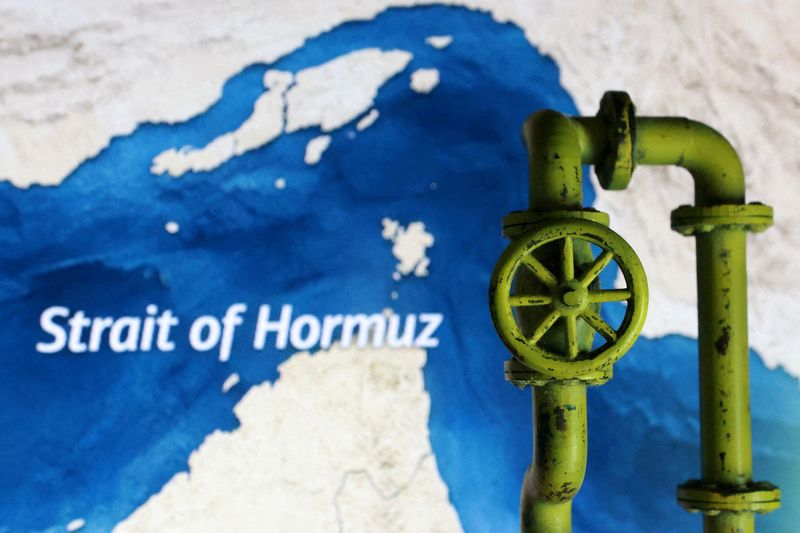

Stocks surge, oil dives below $100 as Iran ceasefire sparks relief rally

Jefferies reiterates Woodward stock rating on aerospace upside

Form 8K CHS Inc Pref For: 8 April
Business
MAFS Australia 2026 Finale Delivers Drama as Only One Couple Stays Strong Heading Into Reunion

SYDNEY — The explosive 13th season of “Married at First Sight Australia” reached its emotional peak this week with Final Vows that left viewers stunned, as most matched couples walked away single while one standout pair emerged stronger than ever from the high-stakes social experiment.

Season 13, which premiered Feb. 2 on the Nine Network, wrapped its core episodes Tuesday with Final Vows airing April 7. The reunion special is scheduled for Monday, April 13, promising fireworks as the full cast reunites for the first time since filming concluded late last year.
Relationship experts John Aiken and Mel Schilling guided participants through weddings, honeymoons, commitment ceremonies and dramatic dinner parties filmed primarily in Sydney from July to November 2025. The season featured intense clashes, group chat scandals, intruder couples and heartfelt moments that kept audiences glued to Channel 9 and 9Now.
Among the most talked-about stories was the turbulent journey of Alissa Fay and David Momoh, the first couple married. Their Final Vows turned brutal when David refused to listen to Alissa’s vows, walking out in a moment many called one of the season’s harshest snubs. Alissa read her words alone as David departed, later telling producers he had no apologies for his actions. The pair are no longer together.
Bec Zacharia and Danny Hewitt delivered an emotional exchange filled with doubt. Bec described the breakup as “one of the hardest moments of her life,” recounting a brutal phone call days after the vows. They, too, parted ways.
In stark contrast, Stella Mickunaite and Filip Gregov stood out as the season’s success story. In an epic conclusion, Stella accepted Filip’s heartfelt proposal during Final Vows. The couple, praised as MAFS 2026’s most beautiful love story, plan an engagement party on a charter boat and have discussed future wedding and family plans. Multiple reports confirm they remain together and stronger than ever.
Other couples faced mixed fates. Rachel Gilmore and Steven Danyluk appeared solid at times but sources indicate they split shortly after filming, with Steven reportedly failing to make plans to visit Rachel and both moving on with new social circles. Brook Crompton left the experiment early, later announcing she rekindled her relationship with an ex-partner, got engaged on Christmas Day and is now pregnant with her first child — not with her MAFS match Chris.
Gia Fleur and Scott McCristal generated massive drama throughout the season, including accusations of rule-breaking and leaked footage of Gia flirting with another man. Gia has publicly confirmed the split and hard-launched a new romance with Alan Wallace, a former “Love Triangle” contestant, stating she is “in love” and could no longer pretend. Scott has spoken about the difficulty of watching his portrayal. The pair are not together.
Other notable participants included Mel and Luke, whose status remains under discussion in post-show coverage, and various intruder or late-entering couples like Joel and Juliette, whose awkward dynamic raised questions about longevity. Several brides and grooms have moved on, with some confirming new partners or focusing on personal growth.
The season was not without controversy. Brook reportedly considered legal action over certain scenes she viewed as toxic. Group chat leaks, feuds among brides and dramatic exits — including one bride fleeing to avoid exposure — fueled social media buzz. One groom stunned viewers with a confession after hearing his wife’s private messages.
Filming wrapped in November 2025, meaning much of the on-screen drama occurred months before it aired. The delayed broadcast allowed for post-experiment developments to leak, adding layers of intrigue as viewers watched events unfold while knowing some real-life outcomes.
Experts and producers designed the experiment to test whether strangers could build lasting love under intense scrutiny. While success rates on MAFS Australia have historically been low, the reunion often reveals deeper insights into personal growth, lingering resentments and surprise romances formed after the cameras stopped rolling.
The upcoming reunion on April 13 is expected to address unresolved tensions. All 24 participants have been invited back into the same room, setting the stage for score-settling, friendship tests and potential bombshells. Past reunions have featured explosive confrontations and tearful reflections; this year’s promises similar intensity given the season’s chaos.
Post-show updates reveal a mix of heartbreak and new beginnings. Some contestants have shared that the experience accelerated personal clarity, even if romantic matches failed. Others have leaned into newfound fame, with several appearing on related reality projects or building personal brands.
Stella and Filip’s positive arc provided a rare feel-good narrative amid the turmoil. Their willingness to commit publicly at Final Vows contrasted sharply with walkouts and bitter splits elsewhere. The couple’s plans for an engagement party inspired by a memorable date have fans rooting for a real-world wedding.
Viewers have taken to social media to debate everything from David’s cold exit to Gia’s rule-breaking moves. Hashtags related to specific couples trended heavily during Final Vows week, with some fans calling for accountability and others praising the raw honesty displayed.
The 2026 season followed the established MAFS format but amplified drama through new twists, including an alternative matches test that some grooms refused to engage with while brides reacted differently. Commitment ceremonies remained pivotal, forcing participants to decide “stay” or “leave” under pressure.
Nine Network has not released official viewership figures for the finale episodes, but the franchise consistently draws millions, making it one of Australia’s top reality programs. International audiences, including in the UK where it airs on E4, have followed closely despite spoiler risks.
As the reunion approaches, speculation swirls about what new revelations may emerge. Will fractured friendships mend or fracture further? Are there secret post-show hookups? How have participants processed the public scrutiny of their most vulnerable moments?
Relationship experts have weighed in on the season’s lessons, emphasizing communication, trust and the challenges of manufactured intimacy under constant filming. Schilling and Aiken’s guidance often highlighted red flags that played out dramatically on screen.
For many participants, the experiment served as a catalyst for self-reflection. Some have spoken about therapy, career shifts or renewed focus on non-romantic relationships following their time on the show.
The MAFS Australia format continues to evolve while retaining core elements that have made it a cultural phenomenon: strangers matched by experts, shared living arrangements, group challenges and the ultimate test of Final Vows.
With the reunion just days away, fans are bracing for closure — or fresh drama. The episode will air at 7:30 p.m. AEST on Channel 9 and stream on 9Now, with additional “After the Reunion” content available on Stan for subscribers.
In the broader reality television landscape, MAFS 2026 reinforced the genre’s appeal: the unpredictable mix of human connection, conflict and growth under artificial conditions. While only a handful of couples — led by Stella and Filip — appear to have found lasting romance, the season delivered memorable television that sparked nationwide conversations about modern dating.
As participants step back into everyday life, many carry lessons from the experiment. Some have formed genuine friendships that outlasted romantic pairings. Others have distanced themselves from the spotlight to focus on healing.
The coming reunion will likely provide the final chapter for this chaotic season, answering lingering questions and perhaps revealing new twists in the participants’ journeys. For now, Stella and Filip’s story offers a glimmer of hope that love — even when manufactured — can sometimes endure beyond the cameras.
Vishay launches power divider for aerospace applications

An assessment panel has greenlit a $35 million plan for apartments in a coastal suburb, after QS Developments scrapped the previously approved project on the site.

Iran is Weighing Crypto Tolls for Ships using Strait of Hormuz: Report

Israel are bloodthirsty – and mainstream media are backing them

BJK Cup: Vaishnavi, Sahaja post milestone wins; India beat New Zealand | Tennis News


-

 NewsBeat6 days ago
Steven Gerrard disagrees with Gary Neville over ‘shock’ Chelsea and Arsenal claim | Football
-

 Business6 days ago
No Jackpot Winner and $194 Million Prize Rolls Over
-

 Fashion5 days ago
Weekend Open Thread: Spanx – Corporette.com
-

 Crypto World7 days ago
Gold Price Prediction: Worst Month in 17 Years fo Save Haven Rock
-

 Business4 days ago
Expert Picks for Every Need
-

 Business3 days ago
Three Gulf funds agree to back Paramount’s $81 billion takeover of Warner, WSJ reports
-

 Sports4 days ago
India men’s 4x400m and mixed 4x100m relay teams register big progress | Other Sports News
-

 Business7 days ago
Login and Checkout Issues Spark Merchant Frustration
-

 Tech19 hours ago
How Long Can You Drive With Expired Registration? What Florida Law Says
-
Business3 days ago
No Jackpot Winner, Prize to Climb to $231 Million
-

 Tech6 days ago
Commonwealth Fusion Systems leans on magnets for near-term revenue
-

 Fashion2 days ago
Massimo Dutti Offers Inspiration for Your Summer Mood Board
-

 Crypto World7 days ago
Ripple rolls out enterprise crypto treasury platform for corporates
-
 Tech7 days ago
Drawing Tablet Controls Laser In Real-Time
-

 Fashion23 hours ago
Let’s Discuss: DEI in 2026
-
Politics5 days ago
Wings Over Scotland | The quality of mercy
-

 Crypto World7 days ago
Why It’s Partnering, Not Issuing
-
 Sports7 days ago
Steal Gary Woodland’s subtle power move for longer drives
-
Sports7 days ago
Tom Pelissero Drives the Final Nail in the Coffin
-
 Tech7 days ago
Battery Tester Outperforms Cheaper Options
You must be logged in to post a comment Login