
Business
How Grant Blair Builds Trust and Solves Problems in a Changing Industry

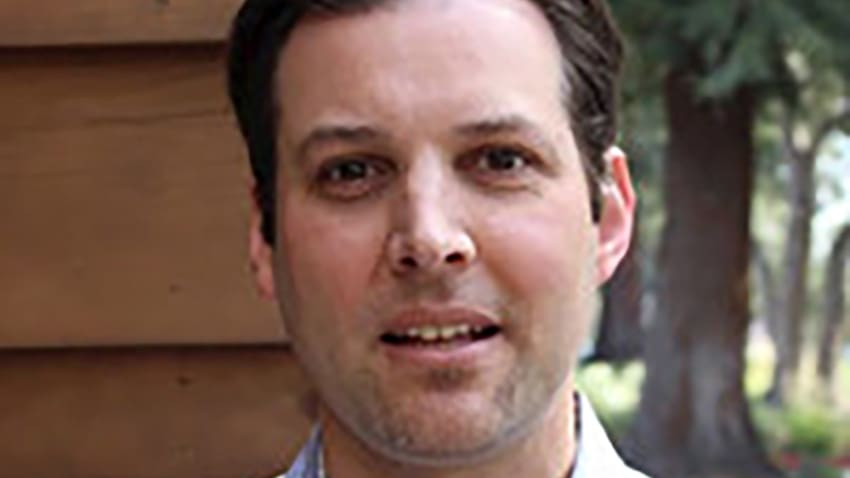
Grant Blair grew up in Connecticut during the 1970s and 80s, where sport, music, and a supportive family shaped his early sense of focus and discipline.
Those experiences would later influence a career built on clear communication, steady leadership, and thoughtful problem-solving.
After earning his degree from Northwestern University, Grant began building a path in customer success, account management, and digital trust and safety. Over more than a decade, he has developed a reputation as a reliable leader who brings clarity to complex situations and remains calm under pressure. His roles at Ingram Micro Commerce & Lifecycle Services and Sony Interactive Entertainment placed him at the centre of fast-paced environments where precision, collaboration, and sound judgement were essential.
Grant Blair is known for his ability to listen deeply, identify root causes, and create solutions that support long-term performance. He bridges technical challenges with human needs, ensuring clients, teams, and end users feel understood and supported. His approach is grounded in discipline, empathy, and a strong sense of accountability — qualities that set him apart in competitive sectors like SaaS, logistics, and digital safety.
Outside work, Grant enjoys fantasy sports, organising community meet-ups, and attending live music and theatre. These interests help him maintain balance and stay connected to the creativity and teamwork that drive his professional success.
Grant’s journey shows that strong leadership is built on consistency, curiosity, and the willingness to ask the right questions — even when answers are not immediate.
In Conversation with Grant Blair: Building Trust, Solving Problems, and Leading Through Change
Grant, let’s start at the beginning. How did your early years in Connecticut shape the way you approach work today?
I grew up in a household where hard work and balance were normal. My father was an orthodontist, and my mother was a legal secretary, so attention to detail and organisation were part of daily life. I also spent a lot of time playing tennis, basketball, and little league baseball, and I played the drums in concert and jazz bands. Those activities taught me discipline, patience, and teamwork. You learn quickly that everyone has a role, and you only succeed if you listen to each other and stay focused.
Your career path spans customer success, account management, and digital trust and safety. How did that progression take shape?
It evolved naturally. After university, I wanted a career where communication mattered and where problem-solving was central. When I joined Ingram Micro Commerce & Lifecycle Services, I found myself working with clients who relied heavily on our e-commerce and logistics technology. My job was to understand their challenges, translate those needs internally, and help shape solutions. It was a turning point because I realised how much I enjoyed the mix of strategy, communication, and long-term client relationships.
What’s one example from that period that still influences how you work today?
There was a client who felt unheard, and they were on the verge of leaving the platform. Instead of giving them a standard response, I asked them to walk me through their entire day — step by step. By the end of the conversation, a small but significant integration issue emerged. It wasn’t dramatic, but it had been affecting their workflow for months. Fixing it not only saved the account but strengthened the relationship. That experience taught me that the real problem is rarely the first one you hear. You have to dig deeper.
You later moved into a role at Sony Interactive Entertainment. What did you take away from your time in digital trust and safety?
It was an intense and rewarding experience. I worked on issues affecting PlayStation users, including fraud and online abuse. Success in that environment isn’t measured loudly. When you prevent a problem, no one sees it — and that’s the point. I learnt the importance of calm decision-making. You deal with situations where emotions run high, and you’ve got to be steady. One thing that stayed with me is the value of protecting user experience. People want to enjoy their time online, and you’re there to make sure nothing compromises that.
What would you say has been the foundation of your career across these different roles?
Listening. It sounds simple, but when you do it properly, it changes everything. Listening helps you find the real issue, not just the symptom. It helps you earn trust. It helps you build systems that actually work for people. In customer success and trust and safety, people often come to you frustrated or worried. If you rush past the listening stage, you miss what matters most.
What trends in your industry interest you right now?
Transparency in customer relationships. More companies are realising that clarity builds trust faster than polished messaging. Data today is too visible for organisations to hide behind jargon or half-answers. Clients expect honesty — about performance, capacity, timelines, and everything in between. I think that’s a healthy shift for the industry.
What has been your biggest challenge, and what did it teach you?
Early in my career, I assumed silence meant everything was fine. I learnt the hard way that silence can mean confusion, hesitation, or dissatisfaction. When a client eventually told me they didn’t feel heard, it pushed me to rethink how I communicate. Now, I check in regularly, even when things seem smooth. Clear communication isn’t something you do once — it’s a habit.
How do you stay productive and grounded in demanding environments?
I’m big on structure. I start the day with a clear list, and I take on the hardest work first. And when I feel overwhelmed, I return to rhythm — literally. I’ve played drums since I was young, and even tapping out a pattern helps me slow my pace and refocus. Music teaches patience. You can’t rush it; you have to find the right tempo. That’s something I apply at work, too.
Outside of work, what keeps you motivated and connected?
Sport and music are still big parts of my life. I enjoy fantasy sports, organising meet-ups, and going to concerts or comedy shows. Those things remind me that success isn’t only about what happens at a desk. Balance makes you better at your job. It gives you perspective.
Looking back, what’s the biggest lesson you’d share with others in your industry?
Ask more questions than you think you need to. Most people will tell you the truth if you give them space and patience. The best solutions come from understanding people, not just systems.



