
Business
How to Determine the Markup Percentage for a Retail Business


Markup percentage confuses a lot of retail business owners when they are starting out. The math itself isn’t that complicated, but applying it to actual business situations gets messy.
Different products need different markups, competition affects what you can charge, and your costs aren’t always what they seem at first.
Understanding What Markup Actually Means
Markup is how much you add to your cost to get your selling price. If something costs $10 and you sell it for $15 , you added $5. That‘s a 50 percent markup on your cost. Where people get confused is that markup isn’t the same as margin, even though the terms get used interchangeably all the time. Margin measures profit as a percentage of the selling price, and markup measures it based on your costs. Same dollar, different percentages. Most retailers think in markup because it’s easier when pricing products. You know what you paid, decide what markup you need, and do it. A makeup percentage calculator speeds this up when you are pricing hundreds of items because doing it manually takes forever. The formula is pretty straightforward – cost times one plus markup percentage. So $10 times 1.5 gives you $15, the 1.5 comes from 100% plus 50% markup.
Single markup percentage across everything rarely works in actual retail. Fast-moving items with competition need lower markups to stay competitive. Slow-moving specialty items can carry higher markups because customers have fewer options. Loss leaders might sell at cost or below just to get people in the door, which means other stuff needs a higher markup to compensate. Product categories have different markup structures even in the same store. Electronics might run 15-20 percent because customers price-shop online constantly. Accessories for those electronics might carry a 100 percent markup because someone buying a laptop doesn’t compare shop as hard for a mouse or case. This is where a markup percentage calculator becomes useful; it lets you test scenarios quickly for different product lines without doing manual math over and over.
Industry Standards Exist, But Your Mileage Varies.
Different retail sectors have typical markup ranges. Grocery stores work on thin markups, like 15-25 percent, because they move tons of volume, and competition is brutal. Jewelry stores might use 100-300 percent markups since overhead is high and they are not exactly selling dozens of rings daily. Clothing sits somewhere around 50-100 percent, depending on whether it’s a discount or a boutique store.
These benchmarks give you a starting point, but they don’t mean much if your situation is different. A grocery store in a rural area with no competition nearby can charge more than one in a city. With three competitors down the block. Location matters as much as industry sometimes. Your rent might be higher, labor costs vary by region, and utilities cost more in some places than others. High overhead means you need a higher markup just to cover expenses.
The Cost Of Goods Isn’t Just What You Pay Wholesale.
Determining markup requires knowing actual costs, which gets more complicated than just the invoice price. Wholesale price isn’t your only cost, not by a long shot. Shipping adds to it, especially if products come from overseas. Storage costs money if you are warehousing inventory instead of drop-shipping. Damaged goods or theft create losses that increase your average cost per unit.
Some retailers only consider direct product cost when calculating markup, so they can’t figure out why they’re not profitable despite hitting target percentages. Hidden costs east margins. Credit card fees take 2-3 percent off every sale. Return cate handling costs. Seasonal markdowns to clear old inventory drop your effective markup to almost nothing on those items.
Volume And Speed Matter
High-volume low markup can beat low-volume high markup for profitability. Warehouse clubs work despite tiny markups around 10-114 percent because they move massive quantities and keep overhead low. A boutique selling a few items daily needs a higher markup to cover rent and staffing, even if overall sales volume is lower.
Inventory turnover affects how much markup you need to. Products sitting on shelves for months tie up capital and space, and that storage cost needs to be covered somehow. Fast-turning inventory keeps cash flowing and reduces storage costs. You can afford a lower markup on items that sell quickly and replace themselves.
Adjust Your Markup as Market Conditions Change
Markup isn’t set in stone forever once you pick it. Market conditions shift, costs fluctuate, and competition changes. Retailers who don’t adjust pricing regularly end up struggling. Economic downturns make customers price-sensitive, and might need to cut markup to maintain volume. During boom times or for trending products, you might increase markup because demand supports it.
Supplier cost increases force decisions. Do you maintain the same percentage markup and raise prices proportionally? Or maintain the price and accept lower dollar markup? Depends on your market. Gradual increases often work better than sudden jumps, even if the math says you need the higher markup weight now.
Common Mistakes That Kill Margins
Using the same markup for everything is probably the biggest mistake. Different products have different dynamics, deserve different treatment. Picking an arbitrary number like 50 percent without analyzing costs and competition usually ends badly one way or another. Getting to account for all costs when calculating markup leaves money on the table or creates losses you don’t see coming. Payment processing, shipping, handling , and returns all cost money that needs to be covered. Markup should contribute to operating expenses and profit, not just cover product cost.
Start with industry benchmarks, but adjust for your situation. Calculate total operating costs and required profit, and work backward to determine what average markup needs to be across all products. Some will be higher, some lower, but the average needs to hit your target or you are not making money. Test different scenarios before committing. A markup percentage calculator lets you model possibilities quickly without getting out the calculator for each one. What happens if markup increases by 5 percent? How many fewer sales can you have and still come out ahead? Sometimes higher markup with lower volume is more profitable because you are spending less on labor and overhead supporting that volume.
Conclusion
Pay attention to competitor pricing, but don’t obsess over matching them exactly. Your value proposition might support higher prices if service is better or selection is more curated. Or maybe you need pricing lower to compete on value. Either way, make deliberate choices about positioning rather than just skyping whatever competitors charge.

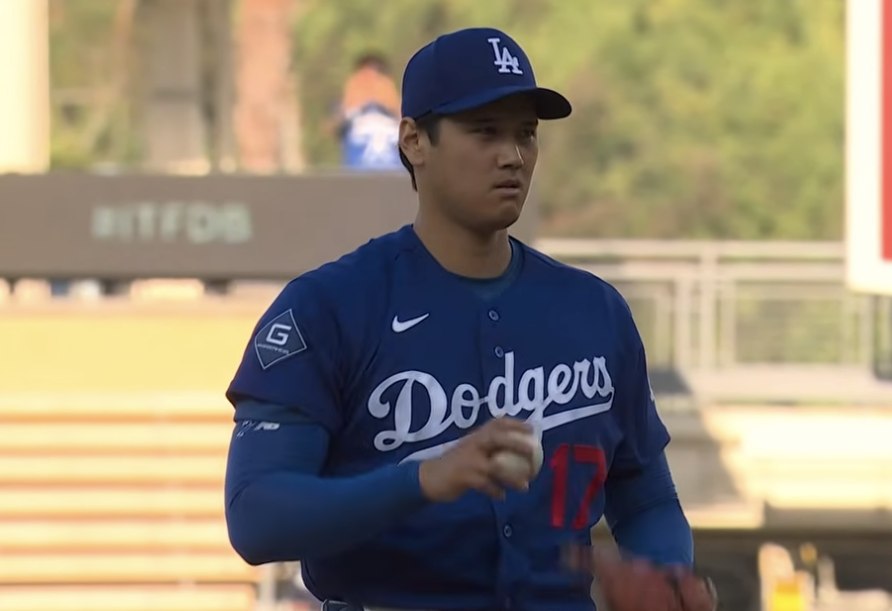
LOS ANGELES — The Los Angeles Dodgers powered past the visiting Texas Rangers 6-3 on Saturday night at Dodger Stadium, improving to 10-3 on the young 2026 season while handing the Rangers their sixth loss in 13 games.

Shohei Ohtani and Teoscar Hernández delivered massive early blows with home runs in the first inning, setting the tone for a Dodgers offense that has been one of the hottest in baseball. The victory marked LA’s seventh win in its last eight games and extended the team’s strong start under manager Dave Roberts.
Ohtani led off the bottom of the first with a solo home run to right field, his fourth of the season, immediately tying the game at 1-1 after the Rangers had taken an early lead. Moments later, Hernández crushed a three-run shot that gave the Dodgers a commanding 4-1 advantage. The back-to-back long balls in the opening frame electrified the crowd and proved decisive in a game full of highlight-reel moments.
Rangers starter Jack Leiter struggled with command early, allowing the big flies before settling in somewhat. The right-hander lasted into the middle innings but was charged with the loss after the explosive Dodgers outburst.
Rangers Fight Back but Fall Short
Texas showed resilience, cutting into the deficit later in the game. Brandon Nimmo, who has provided consistent power for the Rangers this season, launched a two-run homer that brought the visitors within striking distance. Another late contribution from Nimmo and the Rangers lineup kept the contest competitive into the later frames, but the Dodgers’ bullpen held firm.
Corey Seager, the former Dodgers star now with Texas, added a memorable moment with a home run — his 61st career blast at Dodger Stadium, ranking sixth among active players at the venue. The emotional return to Chavez Ravine drew cheers mixed with respectful applause from the home faithful, a reminder of Seager’s contributions to LA’s past championship teams.
Despite the offensive flashes, the Rangers could not overcome the early hole. Their bullpen worked effectively in relief of Leiter, but the Dodgers’ depth proved too much on a night when LA collected nine hits and capitalized on timely power.
Dodgers Pitching Shines in Relief
After the starters exited, both bullpens took center stage. The Dodgers’ relief corps, featuring a birthday performance from closer Alex Vessia, closed the door efficiently. Vessia struck out the final batter swinging in the top of the ninth for the save, prompting smiles and congratulations from teammates on what was described as a “birthday K” in game highlights.
The Dodgers’ pitching staff limited the Rangers to just four hits overall in some accounts, though Nimmo’s power kept Texas in contention. LA’s ability to mix strong starting outings with lockdown relief has been a hallmark of their fast start to 2026.
Ohtani’s leadoff homer also extended a notable on-base streak, reaching 45 games and underscoring his consistent presence at the top of the order. The two-way superstar continues to impact games primarily with his bat early in the season while managing workload on the mound.
Standout Performances and Key Stats
Hernández’s three-run blast was his third homer of the season and provided the bulk of the Dodgers’ early cushion. The veteran outfielder has been a steady run producer in the middle of the lineup, complementing stars like Ohtani and Max Muncy, who also contributed in recent games.
For the Rangers, Nimmo’s multi-hit, multi-RBI effort highlighted his value since joining the club. Seager’s homer added a personal highlight against his former team but could not spark a full comeback.
The final score of 6-3 reflected a game that was never truly in doubt after the first inning, though the Rangers avoided a blowout with timely hitting. Total attendance at Dodger Stadium approached capacity, with fans enjoying mild Southern California weather and the electric atmosphere generated by the home team’s power display.
Broader Context in the 2026 MLB Season
The Dodgers entered the weekend series riding high atop the National League West, showcasing the depth and talent that made them favorites entering the year. Their offense ranks among the league leaders in home runs and runs scored, a testament to the star-studded lineup assembled by the front office.
The Rangers, competing in a tough American League West, have shown flashes of competitiveness but continue to search for consistency on the road. Saturday’s loss dropped them to 7-6 overall, with pitching depth emerging as an area needing attention as the season progresses.
The series continues Sunday with both teams looking to gain an edge early in the long campaign. For the Dodgers, maintaining momentum against quality opponents like the Rangers will be key to sustaining their strong record. Texas will aim to even the series and build confidence heading into the next stretch.
Full game highlights, widely shared on YouTube and MLB platforms, captured the explosive first inning, Seager’s emotional homer and Vessia’s clutch ninth-inning strikeout. Clips of Ohtani’s leadoff shot and Hernández’s three-run blast quickly went viral among baseball fans, drawing praise for the offensive firepower on display.
As the 2026 season unfolds, matchups between star-laden teams like the Dodgers and gritty clubs like the Rangers continue to deliver entertaining baseball. Saturday’s contest at Dodger Stadium provided another reminder of why MLB remains compelling — power, drama and individual brilliance combining for memorable nights under the lights.
The Dodgers improved to 10-3 with the victory, while the Rangers fell to 7-6. Both teams will regroup for the series finale, with pitching matchups and lineup adjustments likely to draw significant attention from analysts and fans alike.

Microsoft: Azure Is Booming, But OpenAI And Copilot Are Quietly Capping The Upside

Strattec: Profitability Transformation Is Driving The Story
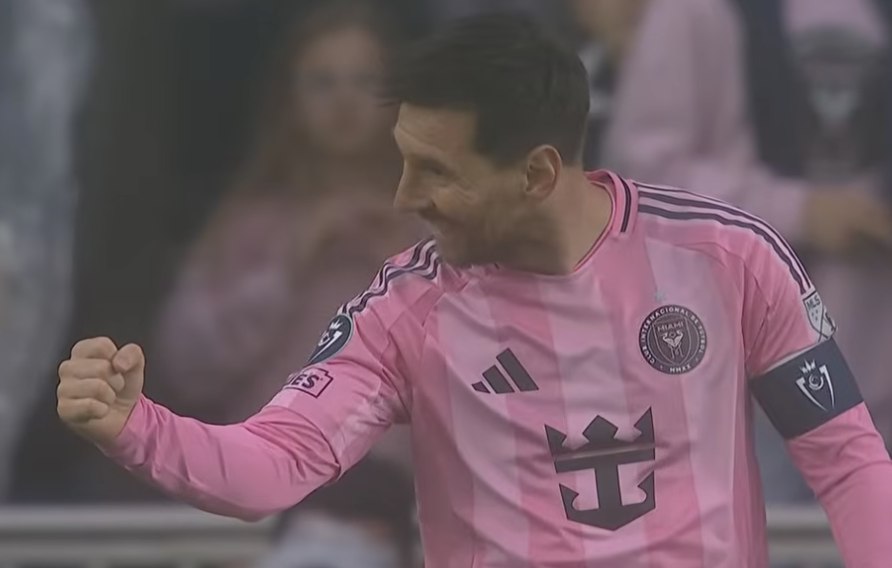
MIAMI — Inter Miami CF and the New York Red Bulls played out a pulsating 2-2 draw Saturday night at the sparkling new Nu Stadium, with Lionel Messi heavily involved but unable to secure the hosts’ first victory in their state-of-the-art venue.

The back-and-forth contest, played before a capacity crowd on April 11, 2026, featured end-to-end action, clinical finishing and a dramatic late equalizer from 17-year-old Red Bulls forward Adri Mehmeti, who scored his first MLS goal in the 77th minute to snatch a point on the road.
Inter Miami took the lead twice but could not hold on, extending their unbeaten run in MLS to six matches while remaining without a win at Nu Stadium after two home games. The Red Bulls, who came from behind, improved to 3-2-2 and showed the resilience that has defined their early 2026 campaign.
Early Red Bulls Shock
The visitors struck first in the 15th minute when Jorge Ruvalcaba finished a swift counterattack assisted by Julian Hall. The goal silenced the home crowd momentarily and set the tone for an open, entertaining affair that lived up to the “back and forth” billing in the official highlights.
Inter Miami responded strongly, dominating possession and creating several dangerous chances. Goalkeeper Ethan Horvath was called into action multiple times, making key saves to keep the Red Bulls ahead at the break.
Silvetti Levels Before Half
As stoppage time approached in the first half, Inter Miami found the equalizer. Mateo Silvetti, assisted by Rodrigo De Paul, slotted home in the 45+1st minute to make it 1-1. The goal injected fresh energy into the home side and sent the Nu Stadium faithful into celebration just before the interval.
Berterame’s Milestone Goal
The second half belonged initially to the hosts. In the 55th minute, Lionel Messi produced a moment of magic, threading a precise pass that allowed new signing Germán Berterame — the $15 million striker still seeking his first goal for the club — to finish clinically and give Inter Miami a 2-1 lead. It was Berterame’s long-awaited breakthrough and Messi’s latest demonstration of vision and creativity at age 38.
Messi was named player of the match with a near-perfect rating, involved in almost every attacking sequence and dictating the tempo throughout the 90 minutes. He nearly added to the drama in stoppage time with a free kick that Horvath tipped over the bar.
Mehmeti’s Heroic Equalizer
Just when Inter Miami appeared poised for their first Nu Stadium win, the Red Bulls struck back. In the 77th minute, young Adri Mehmeti — a teenage prospect thrust into the lineup — latched onto another Julian Hall delivery and fired home his maiden MLS goal to restore parity at 2-2.
The equalizer triggered wild celebrations from the New York bench and traveling supporters. Red Bulls coach Sandro Schwarz praised the youngster’s composure under pressure, noting that Mehmeti’s goal reflected the team’s fighting spirit despite being under the cosh for long periods.
Tactical Battle and Key Performances
Inter Miami coach Javier Mascherano fielded a strong attacking lineup featuring Messi, Luis Suárez (who entered as a late substitute) and supporting cast including Silvetti and Berterame. The team controlled large portions of the match but showed vulnerability on transitions — an area the Red Bulls exploited effectively.
The Red Bulls relied on a compact defensive shape and rapid counters, with Julian Hall proving a constant nuisance on the wing. Goalkeeper Horvath’s heroics kept them in the contest during Miami’s dominant spells.
Nu Stadium, which opened recently, provided a vibrant backdrop with its modern facilities and passionate atmosphere. However, some fans noted pockets of empty seats in the upper tiers, possibly due to high ticket prices or the early timing in the venue’s inaugural season. Despite that, the electric energy during goals created memorable moments for those in attendance.
Post-Match Reactions
Messi, typically reserved in interviews, acknowledged the team’s frustration at dropping two points but highlighted the positive response after conceding early. “We created enough chances to win, but football is like this,” he said through a translator. “We keep working to get the first victory here at home.”
Red Bulls captain and veteran leaders expressed satisfaction with the road point against the defending MLS Cup champions. “Coming to a place like Nu Stadium and getting a result shows the character of this group,” one player noted.
Inter Miami now sits in the upper half of the Eastern Conference standings with 12 points from eight matches (3 wins, 1 loss, 3 draws). The Red Bulls hold 11 points and remain competitive in the tight early-season table.
Broader Context in MLS 2026
The draw fits into a pattern of competitive matches for Inter Miami this season. After a dominant 2025 campaign that ended with the MLS Cup, expectations remain sky-high in South Florida. The new stadium represents a major upgrade and long-term investment for the club, but converting home dominance into wins has proven elusive so far.
For the Red Bulls, the result continues their tradition of gritty performances against star-studded opponents. Their ability to score late and earn points on the road could prove vital as the season progresses toward the summer transfer window and Leagues Cup.
Full match highlights released by MLS on YouTube quickly went viral, racking up hundreds of thousands of views within hours. Clips of Messi’s assist for Berterame and Mehmeti’s equalizer dominated social media, with fans praising the “back and forth” nature of the contest at Nu Stadium.
As Inter Miami prepares for its next fixture, the focus will shift to tightening defensive transitions while maintaining their attacking flair. For the Red Bulls, confidence from snatching points against one of the league’s marquee teams could fuel a strong run in the coming weeks.
The 2-2 thriller served as a perfect advertisement for MLS — high skill, drama and unpredictability under the lights of a brand-new stadium. While Inter Miami fans left slightly disappointed without the win, the spectacle and Messi’s brilliance ensured another memorable night in South Florida.

Waste Connections: Waiting For A Better Entry Point Amid Iran Inflation Risks

MUMBAI — Asha Bhosle, the iconic Indian playback singer whose versatile voice defined generations of Bollywood music and recorded more than 12,000 songs in over 20 languages, died Sunday at age 92 in Mumbai after being hospitalized for exhaustion and a pulmonary infection that led to cardiac complications.

Bhosle passed away at Breach Candy Hospital on April 12, 2026, one day after admission, her family confirmed. Her granddaughter Zanai Bhosle had announced the hospitalization on social media Saturday evening, requesting privacy as the singer received treatment in the ICU. Reports cited cardiac and pulmonary issues as contributing factors in her final hours.
The news sent shockwaves through India’s film and music industries, where tributes poured in from actors, composers, politicians and millions of fans who grew up with her timeless melodies. Prime Minister Narendra Modi led condolences, describing Bhosle as “a voice that captured the soul of India” and praising her unmatched contribution to Indian cinema over eight decades.
Born Asha Mangeshkar on Sept. 8, 1933, in Goar village near Sangli, Maharashtra, Bhosle belonged to a musical family. Her father, Deenanath Mangeshkar, was a noted theater actor and classical singer. After his death when she was 9, the family moved to Mumbai, where young Asha and her elder sister Lata Mangeshkar began singing to support themselves. Asha made her debut as a child artist in the 1943 Marathi film “Majha Bal” and entered Hindi cinema in 1948 with “Saawan Aaya” from “Chunariya.”
What set Bhosle apart was her extraordinary range and willingness to experiment. While Lata often embodied the pure, ethereal heroine, Asha became the voice of the bold, seductive and modern woman — from cabaret numbers and Western-inspired disco tracks to soulful ghazals and folk-infused regional songs. Her playful, husky tone brought life to characters that broke traditional molds in Indian cinema.
A Career Spanning Eras
Bhosle’s breakthrough came in the 1950s and 1960s through collaborations with music directors such as O.P. Nayyar, who helped shape her signature style. Songs like “Piya Tu Ab To Aaja” from “Caravan” (1971) showcased her sensuous energy, while “Dum Maaro Dum” from “Hare Rama Hare Krishna” (1971) captured the psychedelic youth vibe of the era. She lent her voice to leading ladies including Helen, Zeenat Aman, Parveen Babi and Madhuri Dixit across decades.
Her partnership with composer R.D. Burman — whom she married in 1980 after an earlier marriage to Ganpatrao Bhosle ended in divorce — produced some of Bollywood’s most memorable hits. Burman’s innovative fusion of Indian classical, jazz and rock with Bhosle’s adaptable vocals created evergreen tracks that remain staples on playlists today.
Beyond Hindi films, Bhosle recorded in Bengali, Marathi, Gujarati, Tamil, Telugu and many other languages, earning her the title of one of India’s most versatile singers. She received the Filmfare Award for Best Female Playback Singer in 1968 for “Garibo Ki Suno” from “Dus Lakh,” becoming the first recipient in that category. Over her career, she earned multiple Filmfare honors, a Padma Vibhushan in 2008 and a Dadasaheb Phalke Award, India’s highest film honor, in 2000.
Even in her later years, Bhosle remained active. She performed live concerts into her 80s, launched a YouTube channel in 2020 and collaborated with international artists. In 2026, she featured on the British virtual band Gorillaz’s ninth studio album, bridging her legacy with contemporary global music.
Personal Life and Resilience
Bhosle’s personal journey mirrored the resilience in her music. She eloped at 16 with 31-year-old Ganpatrao Bhosle, facing family opposition, and raised three children: Hemant, Anand and Varsha. Her second marriage to R.D. Burman brought both professional synergy and personal companionship until his death in 1994. She endured the suicide of her daughter Varsha in 2012 and health challenges in recent years, yet continued to inspire with occasional public appearances and tributes to her late husband on his birth anniversaries.
Industry colleagues remembered her warmth and professionalism. Composer A.R. Rahman called her “a living legend whose voice transcended time,” while actor Shah Rukh Khan posted that “Bollywood has lost its most vibrant sound.” Singers such as Sonu Nigam and Shreya Ghoshal highlighted her mentorship and generosity toward younger artists.
End of an Era for Indian Music
Bhosle’s death marks the passing of one of the last towering figures from Bollywood’s golden age. Together with her sister Lata, who died in 2022 at 92, the Mangeshkar sisters dominated Indian playback singing for more than seven decades, shaping the emotional landscape of countless films.
Her influence extended far beyond cinema. Bhosle’s songs became cultural touchstones — played at weddings, parties and protests alike. She ventured into business, launching a restaurant chain and endorsing brands, while remaining grounded and accessible to fans.
As news spread Sunday, fans gathered outside Breach Candy Hospital and her residence, lighting candles and singing her popular numbers. Social media overflowed with clips of her hits, from the seductive “In Aankhon Ki Masti” to the energetic “O Maria” and heartfelt ghazals.
Funeral arrangements were expected to include a state honor, with cremation likely at Mumbai’s Shivaji Park or a similar venue, according to family sources. The government declared a day of mourning in Maharashtra, with flags at half-mast at film institutions.
Bhosle is survived by her sons Hemant and Anand, grandchildren including Zanai, and extended family. Her granddaughter Zanai, a singer herself, has been active in preserving the family’s musical heritage.
In a career that outlasted multiple generations of actors and directors, Asha Bhosle proved that a single voice could carry the dreams, desires and dramas of a nation. Her recordings will continue to echo in films yet to be made and in the hearts of listeners worldwide.
As composer Pyarelal once said of her, “Asha’s voice is like mercury — it flows effortlessly into any mold you create.” That mercury has now stilled, leaving behind a vast, vibrant legacy that defined the sound of Bollywood.


Irish police clear fuel protesters from central Dublin after days of gridlock


Dhierin-Perkash Bechai is an aerospace, defense and airline analyst.
Dhierin runs the investing group The Aerospace Forum, whose goal is to discover investment opportunities in the aerospace, defense and airline industry. With a background in aerospace engineering, he provides analysis of a complex industry with significant growth prospects, and offers context to developments as they occur, describing how they might affect investment theses. His investing ideas are driven by data informed analysis. The investing group also provides direct access to data analytics monitors.
Learn more.
Analyst’s Disclosure: I/we have no stock, option or similar derivative position in any of the companies mentioned, and no plans to initiate any such positions within the next 72 hours. I wrote this article myself, and it expresses my own opinions. I am not receiving compensation for it (other than from Seeking Alpha). I have no business relationship with any company whose stock is mentioned in this article.
Seeking Alpha’s Disclosure: Past performance is no guarantee of future results. No recommendation or advice is being given as to whether any investment is suitable for a particular investor. Any views or opinions expressed above may not reflect those of Seeking Alpha as a whole. Seeking Alpha is not a licensed securities dealer, broker or US investment adviser or investment bank. Our analysts are third party authors that include both professional investors and individual investors who may not be licensed or certified by any institute or regulatory body.

LOS ANGELES — Sabrina Carpenter has transformed from a Disney Channel actress into one of pop music’s sharpest, most successful voices, blending witty lyricism, infectious hooks and unapologetic confidence. With billions of streams and back-to-back No. 1 albums, her catalog now spans clever breakup anthems, sultry bops and introspective tracks from her 2025 release “Man’s Best Friend.”

As she headlined Coachella 2026 on Friday night — delivering a career-spanning set that mixed new material with proven hits — fans and critics revisited her most enduring songs. Here is a ranked list of the 10 best Sabrina Carpenter songs of all time, based on streaming numbers, chart performance, cultural impact and critical acclaim as of April 2026.
Here’s a 10 best songs of all time as of April 2026. This ranking blends all-time streaming totals(especially Spotify), Billboard chart performance, cultural impact, critical acclaim, and how prominently the tracks featured in her Coachella 2026 headlining set.
- Espresso (Short n’ Sweet, 2024) The undeniable breakthrough smash. With nearly 3 billion Spotify streams, it became a global cultural phenomenon in 2024 and remains her most-streamed track by a wide margin. Its disco-funk groove, cocky lyricism and instantly memorable “That’s that me espresso” hook defined a summer and launched Carpenter into superstardom. It won a Grammy and still dominates playlists in 2026.
- Please Please Please (Short n’ Sweet, 2024) Carpenter’s first Billboard Hot 100 No. 1. This clever, vulnerable-yet-sassy plea for her partner not to embarrass her combines sharp storytelling with an irresistible melody. It has topped 1.8 billion streams and remains a signature live moment, performed prominently at Coachella 2026 and award shows.
- Manchild (Man’s Best Friend, 2025) The lead single from her second No. 1 album and her second Hot 100 chart-topper. Complex production, group vocals and biting commentary on immature partners make it one of her most mature and replayable tracks. It consistently ranks near the top of weekly streaming charts into 2026 and opened her Coachella set with high energy.
- Taste (Short n’ Sweet, 2024) Sharp, self-aware and dripping with attitude, “Taste” tackles romantic rivalry with biting humor and a killer hook. It peaked at No. 2 on the Hot 100, surpassed 1.4 billion streams and was a major highlight during her Coachella 2026 performance.
- Tears (Man’s Best Friend, 2025) A standout from her latest album that flips low-bar romantic expectations into an infectious, witty groove. Critics and fans praise its slick production and empowered delivery. It frequently ranks in the top 3–5 of her weekly streams in 2026 and closed out her Coachella set powerfully.
- Bed Chem (Short n’ Sweet, 2024) Sultry, playful and full of clever wordplay, this track showcases Carpenter’s flirtatious side with dreamy production. It became a fan favorite for its bold sensuality and remains a live choreography highlight.
- Juno (Short n’ Sweet, 2024) Bubbly, feel-good pop celebrating desire with bright vocals and upbeat energy. A consistent summer playlist staple that brought joyful moments to festival sets, including Coachella 2026.
- Nonsense (Emails I Can’t Send, 2022) The song that first signaled her mainstream breakthrough. Witty, improvised outros and a slick pop-R&B groove helped it go viral on social media. It still ranks high in all-time streams and shows her clever lyricism at its earliest peak.
- Feather (Emails I Can’t Send, 2022) Disco-infused carefree anthem about moving on. It became a massive sleeper hit with strong TikTok and radio traction, exceeding 1 billion streams and earning a reliable spot in her live shows.
- House Tour (Man’s Best Friend, 2025) Fast-moving synth-pop packed with winks, innuendos and expert ’80s vibes. It opened her Coachella 2026 set and quickly became one of the most beloved new tracks from the album, with strong streaming growth.
Honorable Mentions and Evolution
Other strong contenders include “House Tour” and “Busy Woman” from “Man’s Best Friend,” which shone in her recent Coachella set, as well as earlier tracks like “Because I Liked a Boy” and “Skin” that showed her transition from actress to serious musician. Carpenter’s 2026 headlining performance blended these eras seamlessly, proving her catalog’s depth.
From Disney beginnings to headlining major festivals and scoring multiple No. 1 hits, Sabrina Carpenter’s best songs reflect a sharp evolution. Her ability to mix humor, heart and hooks has made her one of pop’s most vital voices. As she continues touring behind “Man’s Best Friend” and new material, these tracks form the foundation of a career still on the rise.
Fans can stream the full discography on major platforms, with playlists highlighting her greatest hits updated regularly. Whether it’s the caffeine-fueled rush of “Espresso” or the pleading vulnerability of “Please Please Please,” Carpenter’s music continues to captivate with its honesty and style.
As one Coachella attendee noted after Friday’s set, the desert never sounded so sweet — or so sharp.
Business
Iran aims to restore majority of refining capability within two months, oil ministry official says
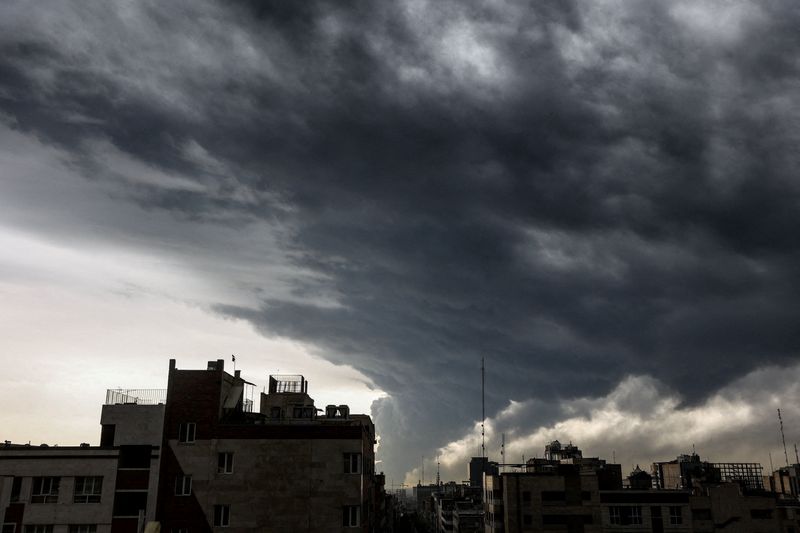

Iran aims to restore majority of refining capability within two months, oil ministry official says

How the Internet Broke Everyone’s Bullshit Detectors

Pictures as Bedale welcomes hundreds to annual Point-to-Point

Ohtani Leadoff Homer and Teoscar’s 3-Run Blast Fuel LA Win


-

 Business6 days ago
Three Gulf funds agree to back Paramount’s $81 billion takeover of Warner, WSJ reports
-

 Politics2 days ago
US brings back mandatory military draft registration
-

 Fashion2 days ago
Weekend Open Thread: Veronica Beard
-

 Tech4 days ago
How Long Can You Drive With Expired Registration? What Florida Law Says
-

 Business7 days ago
No Jackpot Winner, Prize to Climb to $231 Million
-

 Fashion6 days ago
Massimo Dutti Offers Inspiration for Your Summer Mood Board
-
 Sports2 days ago
Man United discover Nico Schlotterbeck transfer fee as defender reaches Dortmund agreement
-

 Crypto World3 days ago
Canary Capital Files SEC Registration for PEPE ETF
-

 Fashion5 days ago
Let’s Discuss: DEI in 2026
-

 Business2 days ago
Tesla Model Y Tops China Auto Sales in March 2026 With 39,827 Registrations, Beating Cheaper EVs and Gas Cars
-

 Crypto World4 days ago
Bitcoin recovers as US and Iran Agree a Ceasefire Deal
-

 Politics2 days ago
Malcolm In The Middle OG Turned Down ‘Buckets Of Money’ To Appear In Reboot
-

 Business2 days ago
OpenAI Halts Stargate UK Data Centre Project Over Energy Costs and Copyright Row
-

 Business17 hours ago
Ireland Fuel Protests Enter Day 5 as Blockades Spark Shortages and Government Prepares Support Package
-

 Tech6 days ago
Italian court says Netflix must refund customers up to $576 over price hikes
-

 Tech6 days ago
Gamer Restores the Original PlayStation Portal From Two Decades Ago
-

 Tech6 days ago
Samsung just gave up on its own Messages app
-

 Tech6 days ago
Haier is betting big that your next TV purchase will be one of these
-

 Tech6 days ago
The Xiaomi 17 Ultra has some impressive add-ons that make snapping photos really fun
-

 Tech6 days ago
Save $130 on the Samsung Galaxy Watch 8 Classic: rotating bezel, sleep coaching, and running coach for $369
You must be logged in to post a comment Login