
Business
How will Charities Continue to Raise Money?


The way charities fundraise is evolving faster than ever. Shifts in technology, donor expectations, and global challenges are reshaping how people give and why.
Traditional methods like street collections and gala dinners still have a place, but the future of fundraising will be more digital, more personalised, and more participatory than anything that came before it.
To stay relevant and resilient, charities must embrace new models that build deeper relationships, leverage innovation, and meet supporters where they already are.
Community Powered Digital Fundraising
Peer to peer fundraising will continue to grow, but with a sharper focus on community rather than one off campaigns. Supporters increasingly want to fundraise with friends, not just for causes.
Future platforms will make it easier for donors to:
- Launch micro-campaigns in seconds
- Set up recurring group challenges
- Share progress transparently across social and messaging apps
Instead of relying on a few major events each year, charities can empower thousands of supporters to run small, continuous fundraising efforts that collectively make a big impact.
Subscription Giving and Membership Models
The “Netflix effect” is influencing charitable giving. More donors prefer predictable, low-effort monthly contributions rather than large, sporadic donations.
Forward thinking charities are reframing regular giving as membership:
- Exclusive updates and behind the scenes access
- Opportunities to vote on funding priorities
- Digital badges, recognition, or impact reports
This model creates financial stability for charities while strengthening donor loyalty and emotional investment.
Data Driven Personalisation
As donors become more selective, generic fundraising appeals will lose effectiveness. The future lies in personalisation powered by ethical data use.
Charities will increasingly tailor:
- Messaging based on donor interests and history
- Donation amounts suggested by giving patterns
- Impact stories aligned with individual motivations
When supporters feel understood and valued as individuals not just wallets they are far more likely to give again.
Fundraising Platforms as Ecosystems, Not Just Tools
Future fundraising platforms will move beyond being simple donation pages and become full ecosystems that support long term engagement. Rather than one size fits all solutions, platforms will increasingly cater to specific causes, regions, and donor behaviours.
Key shifts we’re likely to see include:
- All in one donation platforms combining events, peer to peer campaigns, volunteering, and impact reporting in one place
- Platform native communities, where supporters can interact, collaborate, and fundraise together year round
- AI assisted optimisation, helping charities test messaging, timing, and suggested donation amounts in real time
- Greater accessibility, with multilingual support, mobile first design, and local payment options to reach global audiences
We’ll also see more ethical competition among platforms, with transparency around fees, data use, and carbon impact becoming differentiators. For smaller charities in particular, the right platform will act less like a vendor and more like a strategic partner lowering technical barriers and allowing teams to focus on mission rather than infrastructure.
As donor expectations rise, fundraising platforms that prioritise trust, usability, and community building will play a central role in shaping how charities raise money in the future.
Corporate Partnerships with Shared Value
is shifting from simple sponsorships to long term, mission aligned partnerships. Companies are under growing pressure to demonstrate social responsibility, and charities can play a central role in that story.
Future collaborations may include:
- Employee led fundraising and volunteering programs
- Cause linked products where a percentage of sales is donated
- Joint impact reporting that benefits both brand trust and transparency
The most successful partnerships will feel authentic, not transactional.
Immersive Storytelling Through Technology
Virtual and augmented reality will transform how charities tell their stories. Instead of reading about impact, donors will be able to experience it.
Imagine:
- Virtual tours of project sites
- Interactive simulations showing how donations create change
- Live streamed field updates with real time Q&A
These immersive experiences create empathy, urgency, and trust key drivers of future fundraising success.
Fundraising Through Everyday Actions
In the future, donating won’t always feel like donating. Charities are exploring ways to embed giving into daily life.
Examples include:
- Rounding up purchases for charity
- Donating data, skills, or computing power instead of money
- Passive fundraising through apps, browsers, or loyalty programs
This approach lowers the barrier to entry and brings in supporters who might never respond to a traditional appeal.
Co Creation With Beneficiaries
One of the most powerful future shifts is who gets to shape fundraising narratives. Increasingly, charities are involving beneficiaries directly in campaigns.
This can mean:
- First person storytelling
- Beneficiaries helping design projects and goals
- Shared decision making on how funds are allocated
This model not only improves authenticity but also challenges outdated power dynamics in the sector.
Looking Ahead
The future of charitable fundraising is not about chasing every new trend it’s about building trust, relevance, and community in a fast changing world. Charities that listen closely to supporters, experiment thoughtfully with technology, and stay rooted in their mission will be best positioned to thrive.
Fundraising is no longer just about asking for money. It’s about inviting people to belong, participate, and help shape a better future together.


Form 13D/A Stardust Power Inc. For: 3 April
Business
First Resource Bancorp, Inc. (FRSB) Presents at Banking Virtual Investor Conference – Slideshow

First Resource Bancorp, Inc. (FRSB) Presents at Banking Virtual Investor Conference – Slideshow


Lucid misses first-quarter vehicle delivery estimates on supplier disruptions
Form 13D/A WILLIS LEASE FINANCE CORP For: 3 April
Apple SVP O’Brien sells $7.6m in AAPL stock

Majalya of Trinet group sells $28,690 in stock
Business
NeuroOne Medical Technologies shareholders approve reverse stock split and equity plan changes

NeuroOne Medical Technologies shareholders approve reverse stock split and equity plan changes

Form DEF 14A Northrop Grumman For: 3 April

Form DEF 14A CVS Health Corporation For: 3 April
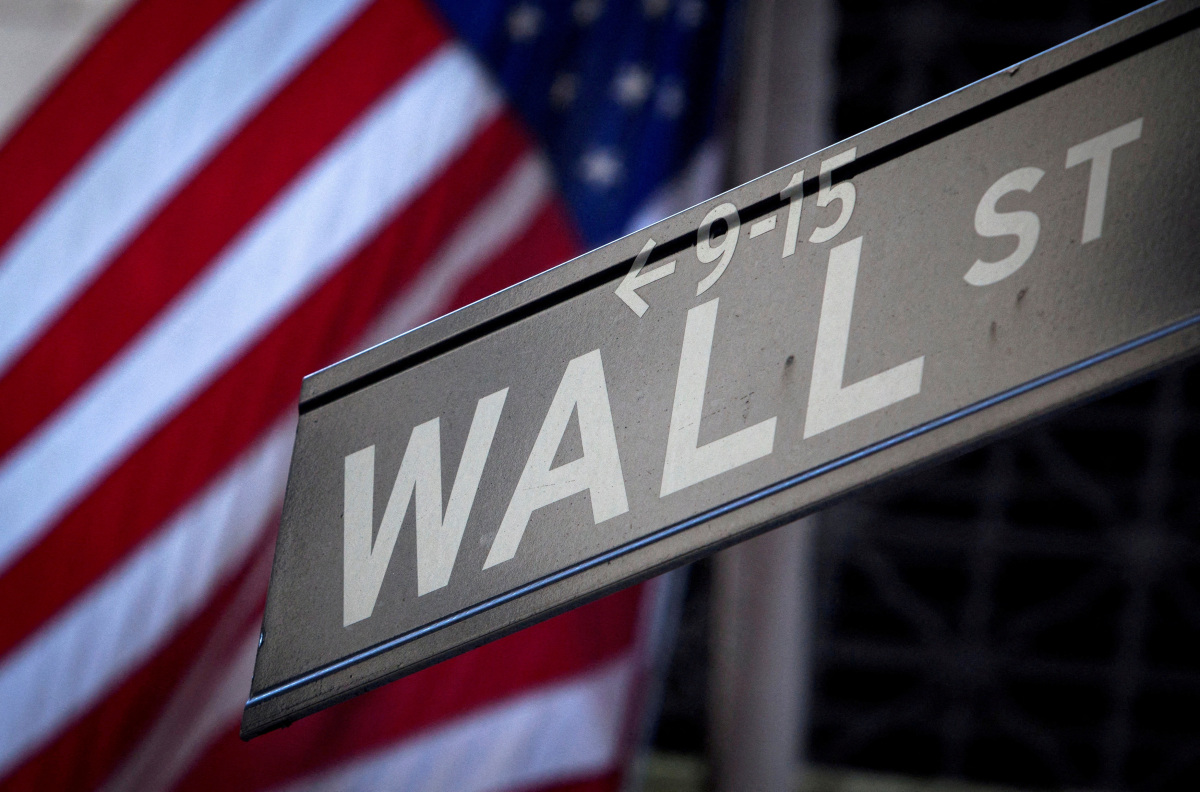
NEW YORK — The U.S. stock market is closed today, Friday, April 3, 2026, as the New York Stock Exchange and Nasdaq observe Good Friday, one of the few non-federal holidays when major U.S. equities exchanges halt all trading.

Both the NYSE and Nasdaq will remain shuttered for the full day in observance of the Christian holiday commemorating the crucifixion of Jesus Christ. Regular trading will resume on Monday, April 6, at the standard 9:30 a.m. to 4 p.m. Eastern Time schedule.
The closure creates a four-day Easter long weekend for Wall Street, following normal trading on Thursday, April 2. It also marks the start of a quieter period for many investors, with limited new economic data expected until next week. The bond market, however, will follow a shortened schedule, closing early at noon Eastern Time on Good Friday, according to the Securities Industry and Financial Markets Association.
Good Friday has long been a traditional stock market holiday in the United States, even though it is not a federal holiday observed by all government offices or banks nationwide. The NYSE and Nasdaq have observed the closure consistently for decades, aligning with many global financial centers that also shut for the occasion. In 2026, the holiday falls on April 3, creating an extended break that some traders welcome amid recent market volatility tied to geopolitical developments.
The decision to close stems from the NYSE’s official holiday calendar, which lists Good Friday among the 10 full-day closures for 2026. Other upcoming closures include Memorial Day on May 25 and Juneteenth on June 19. Early closures at 1 p.m. ET are scheduled for the day after Thanksgiving and Christmas Eve later in the year.
For individual investors, the closure means no trading in U.S. equities, options or most related derivatives on major exchanges. Pre-market and after-hours sessions are also unavailable. Futures markets for equities may see limited or no activity, though some commodity and currency futures could operate on adjusted schedules.
Many brokerage platforms and apps reflect the holiday by disabling stock trading functions or displaying clear notices about the closure. Investors can still access account information, research tools and educational resources, but execution of buy or sell orders for U.S.-listed stocks will not occur until Monday.
The Good Friday shutdown coincides with the broader Easter long weekend, during which many businesses, schools and government services adjust operations. While banks generally remain open on Good Friday in most states, some local offices or services may have reduced hours. Retail and dining establishments typically operate normally, though some may see lighter foot traffic due to family gatherings or travel.
This year’s market closure comes against a backdrop of heightened global attention on energy markets and geopolitical risks. Recent weeks have seen significant swings in oil prices and broader equities due to developments in the Middle East, with investors closely monitoring any potential de-escalation that could influence sentiment when trading resumes.
Analysts note that holiday-shortened weeks often feature thinner liquidity and heightened volatility in the sessions immediately before and after the break. Thursday’s trading saw mixed results as participants positioned ahead of the long weekend, with some sectors showing resilience while others reflected ongoing caution.
For those planning investment activity over the weekend, experts recommend reviewing portfolios, setting limit orders that will activate on Monday, or focusing on longer-term research rather than attempting short-term trades. Cryptocurrency markets, which operate 24/7, remain open throughout the period, providing an alternative for investors seeking continuous access, though they often move independently of traditional equities.
International markets present a mixed picture over the Easter period. Many European exchanges, including those in the UK, Germany and France, are expected to close or operate with reduced hours on Good Friday and possibly Easter Monday. Asian markets, however, generally follow their standard schedules, with Japan and others unaffected by the Western holiday.
Bond trading on Good Friday will wrap up early, at noon ET, limiting activity in fixed-income securities. This partial closure can influence yields and pricing dynamics heading into the weekend.
Looking ahead, the week of April 6 is expected to bring a return to normalcy with fresh economic indicators. Investors will watch for any updates on inflation, employment data or corporate earnings that could shape the next leg of market movement. The S&P 500, Dow Jones Industrial Average and Nasdaq Composite have shown resilience in recent sessions despite external pressures, but analysts caution that the post-holiday period could see renewed focus on macroeconomic themes.
Retail investors, who have increasingly influenced market direction through apps and commission-free platforms, often use holiday downtime to catch up on news, rebalance holdings or simply step back from daily price fluctuations. Financial advisers suggest using the break to assess risk tolerance, review diversification and consider tax implications for any planned moves in the coming months.
The long weekend also highlights the importance of automated strategies such as dividend reinvestment plans or dollar-cost averaging, which continue regardless of market holidays. Robo-advisers and index funds typically process transactions based on the next available trading day.
For businesses tied to financial services, the closure means adjusted staffing and operations. Trading floors remain quiet, while support teams handle client inquiries about account access and holiday policies. Media coverage shifts toward previews of the following week or analysis of year-to-date performance.
Historically, post-Good Friday trading has shown varied results, with some years delivering gains as investors return refreshed and others reflecting any news that broke over the weekend. In 2026, with ongoing global uncertainties, the tone on Monday could hinge heavily on overnight developments in energy markets or diplomatic efforts.
Traders using margin accounts or options strategies should note that settlement and expiration dates adjust around holidays. The Options Clearing Corporation and other bodies publish specific calendars to guide participants.
As families across the country mark Easter with religious services, egg hunts and meals, Wall Street takes its traditional pause. The four-day break offers a moment of relative calm in an otherwise fast-paced financial year marked by significant swings.
When markets reopen on Monday, April 6, expect a full slate of activity as participants digest any weekend news and reposition for the second quarter. Volume may start lighter than average before building through the week.
In the meantime, investors are encouraged to use reliable sources for confirmation of market status rather than assuming based on general calendars. Official NYSE and Nasdaq websites provide the most accurate holiday schedules each year.
The U.S. stock market’s observance of Good Friday underscores the blend of tradition and practicality in modern finance. While the global economy never fully sleeps, major equities hubs still honor select cultural and religious observances that shape the annual trading rhythm.
For those wondering “is the stock market open today,” the clear answer on April 3, 2026, is no. Enjoy the long weekend, and be ready for resumed activity when the bells ring again on Monday morning.

Microsoft's LinkedIn is scanning installed browser extensions without user permission

A surprise jobs rebound: US employers add 178,000 as unemployment dips to 4.3%
Form 13D/A Stardust Power Inc. For: 3 April

Smart energy pays enters the US market, targeting scalable financial infrastructure

Why Israel is blocking foreign journalists from entering

Bitcoin: We’re Entering The Most Dangerous Phase

MAJOR XRP CLARITY ACT UPDATE!!!! THERE IS NO TIME LEFT. (Urgent)

BITCOIN: Something BIG Is Coming! (very soon) – BTC Price Prediction Today

Z9II First Epic Specs? | Nikon’s New Financial Year Begins | Roadmap Ahead?! | Z8II? | Matt Irwin
-

 NewsBeat1 day ago
Steven Gerrard disagrees with Gary Neville over ‘shock’ Chelsea and Arsenal claim | Football
-

 Business23 hours ago
No Jackpot Winner and $194 Million Prize Rolls Over
-
Entertainment4 days ago
Fans slam 'heartbreaking' Barbie Dream Fest convention debacle with 'cardboard cutout' experience
-

 Crypto World2 days ago
Gold Price Prediction: Worst Month in 17 Years fo Save Haven Rock
-

 Fashion5 hours ago
Weekend Open Thread: Spanx – Corporette.com
-
 Entertainment6 days ago
Lana Del Rey Celebrates Her Husband’s 51st Birthday In New Post
-

 Tech5 days ago
The Pixel 10a doesn’t have a camera bump, and it’s great
-
Crypto World3 days ago
Dems press CFTC, ethics board on prediction-market insider trades
-

 Tech5 days ago
Avatar Legends: The Fighting Game comes out in July and it looks pretty slick
-

 Sports3 days ago
Tallest college basketball player ever, standing at 7-foot-9, entering transfer portal
-

 Tech4 days ago
EE TV is using AI to help you find something to watch
-

 Business2 days ago
Login and Checkout Issues Spark Merchant Frustration
-

 Fashion6 days ago
Amazon Sundays: Soft Spring Layers
-

 Fashion7 days ago
When Evening Dressing Gets Colorful for Spring
-

 Tech5 days ago
Elon Musk’s last co-founder reportedly leaves xAI
-

 Tech4 days ago
How to back up your iPhone & iPad to your Mac before something goes wrong
-

 Tech4 days ago
Apple will hide your email address from apps and websites, but not cops
-

 Politics4 days ago
Should Trump Be Scared Strait?
-

 Crypto World4 days ago
U.S. rule change may open trillions in 401(k) funds to crypto
-

 Tech4 days ago
Flipsnack and the shift toward motion-first business content with living visuals
You must be logged in to post a comment Login