
Business
IATA calls for stronger safeguards to protect aircraft safety systems amid 5G and 6G rollout

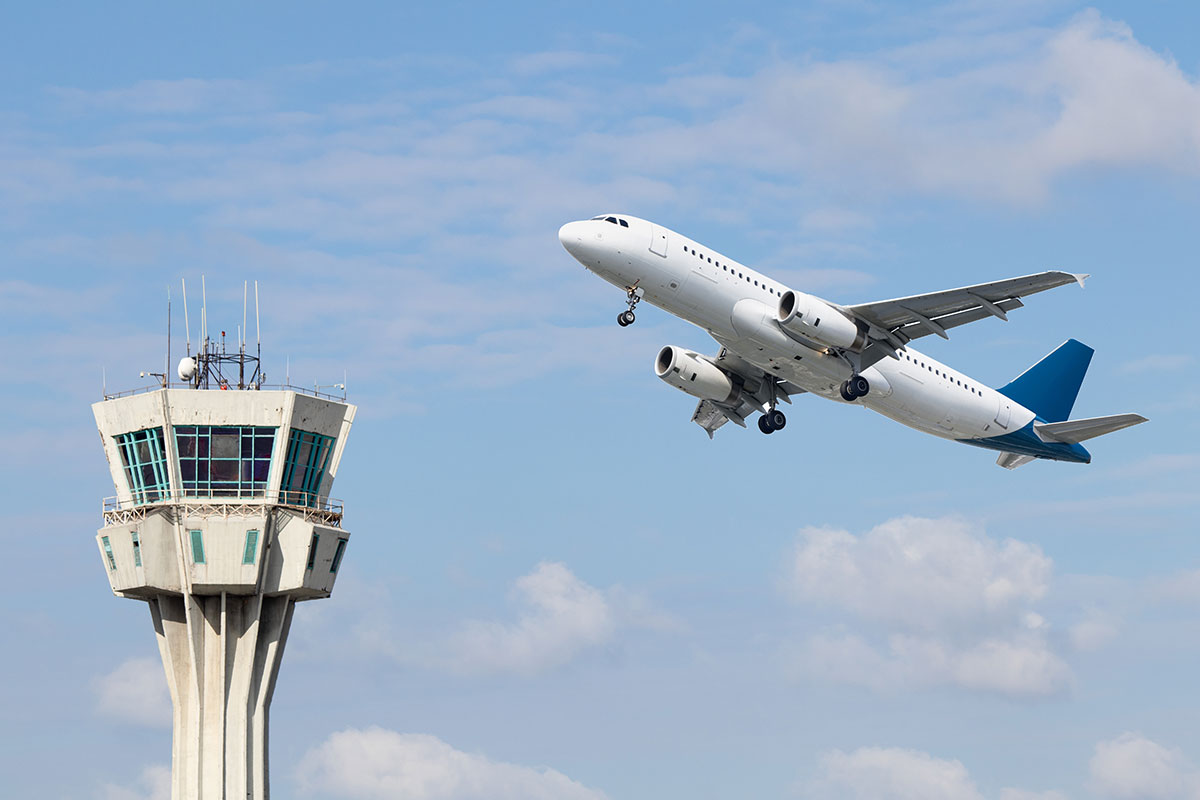
The International Air Transport Association (IATA) has called on the International Telecommunication Union (ITU) and national regulators to strengthen safeguards to prevent 5G and 6G networks from interfering with critical aircraft systems such as radio altimeters.
The appeal comes as the ITU prepares guidance for World Radiocommunication Conference 2027 (WRC-27), which will determine technical conditions for the global deployment of future telecom networks. The guidance will shape how next-generation networks can operate safely alongside essential aviation systems.
IATA has submitted a working paper to the ITU Working Party 5B meeting in Geneva, which runs from 18–27 November 2025, outlining operational scenarios and safety requirements that should guide future spectrum policy.
The document urges regulators to account for all flight phases, including take-off, landing, taxiing, and go-arounds, as well as adverse weather and emergency conditions, when setting limits on telecom operations near aviation bands.
“The benefits of 5G and 6G can never come at the cost of aviation safety,” said Nick Careen, IATA’s Senior Vice President for Operations, Safety and Security. “Spectrum decisions must be based on real-world aircraft operations, not idealised telecommunications industry modelling.
“WRC-27 must deliver clear global rules to ensure the safe coexistence of radio altimeters and other safety-critical avionic systems with next-generation telecom networks across all phases of flight.”
The 4.2–4.4 GHz band used by radio altimeters lies close to frequencies now used by some 5G networks, raising concerns about potential interference. In several countries, telecommunications operators have voluntarily introduced measures such as reduced transmission power, exclusion zones near runways, and downward antenna tilts to mitigate risks.
However, many of these measures are temporary and set to expire soon, including in Canada (January 2026) and Australia (April 2026), while the United States plans to lift existing restrictions by 2028.
Next-generation radio altimeters that can better resist interference are not expected to be widely available before the early 2030s, creating what IATA describes as a “mitigation gap.”
“Current 5G mitigations were never designed as a long-term solution and several will expire within months,” Careen added. “With new spectrum auctions underway and protections being lifted, regulators must not assume safety will take care of itself. The industry needs clear, consistent safeguards to bridge the period before new altimeters are available.”



