
Business
Industrial Clusters Seen as ASEAN’s Path to Net-Zero Growth

Bangkok, 15 January 2026 — Southeast Asia is entering a pivotal decade. Home to over 670 million people and boasting a $3.8 trillion economy, the Association of Southeast Asian Nations (ASEAN) is experiencing rapid growth that is fueling energy demand, projected to more than double by 2050. How ASEAN addresses this surge will significantly influence the region’s economic resilience, industrial development, job creation, and environmental sustainability for years to come.
Without urgent and decisive action, increasing energy demand threatens to intensify reliance on fossil fuels, precisely when ASEAN requires more diverse, affordable, and resilient energy solutions to maintain industrial competitiveness and drive economic growth. Addressing this challenge demands scalable and swift-impact solutions.
ASEAN’s industrial future may depend on clusters, according to a new World Economic Forum (WEF) report, Industrial Transformation in ASEAN: A Cluster-Driven Model for Regional and Global Collaboration.
Rising Growth, Rising Risks
ASEAN has become the world’s fifth-largest economy, with GDP of $3.8 trillion and a population of 670 million. Yet energy demand is rising at 3% annually, still dominated by fossil fuels. Subsidies reached $105 billion in 2022, underscoring fiscal and energy security risks.
Clusters as Catalysts
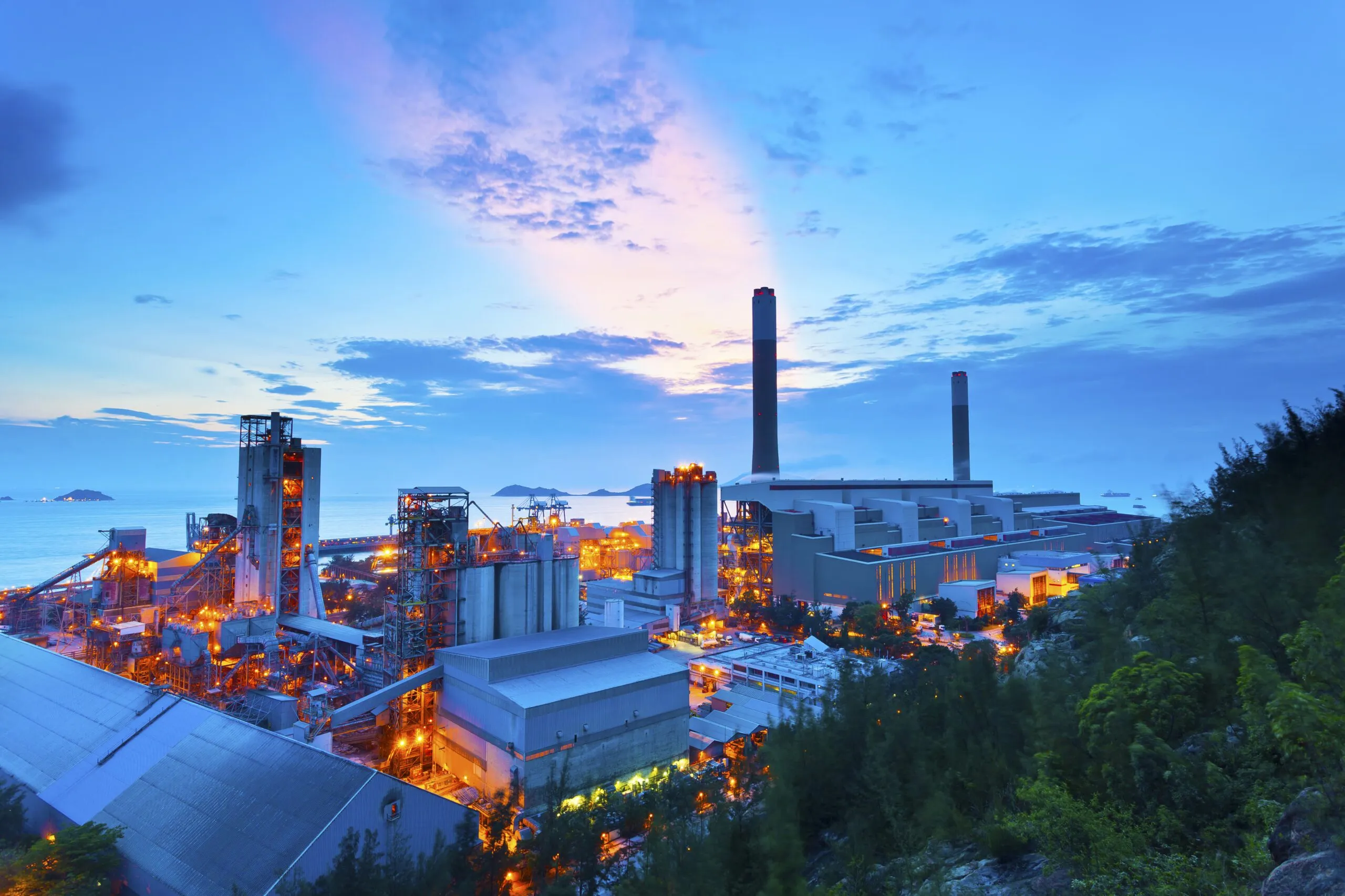
The WEF argues that industrial clusters — geographic concentrations of industries, infrastructure, and innovation — can accelerate the region’s energy transition.
- Shared infrastructure lowers costs and speeds deployment of renewables, hydrogen, and carbon capture.
- Clusters anchor cross-border power trade and create green jobs.
- They also provide platforms for reskilling workers and attracting global investment.
🌐 Country Spotlights
🇮🇩 Indonesia
- Holds the world’s largest nickel reserves and aims to be a global EV battery hub.
- Coal still supplies 65% of electricity, but geothermal potential is vast.
- Initiatives: Just Energy Transition Partnership, national “super grid,” and green industrial parks in Kalimantan and Sulawesi.
🇻🇳 Viet Nam
- Emerging as a manufacturing powerhouse and aspiring semiconductor hub.
- Targets 80–85% renewable power by 2050, leveraging offshore wind.
- Challenges: grid congestion and curtailment; solutions include grid modernization and Smart Grid Roadmap.
🇲🇾 Malaysia
- A leading digital hub and major LNG exporter.
- Renewable share remains below targets (31% by 2025, 40% by 2040).
- Initiatives: Johor–Singapore Special Economic Zone, Bintulu low-carbon cluster, CCS projects, and hydrogen pilots in Sarawak.
🇹🇭 Thailand
- ASEAN’s largest automotive base, aiming to be the region’s EV hub.
- Relies on natural gas for over 60% of electricity.
- Plans: 51% renewables by 2037, Smart Grid Master Plan, and Smart Park Industrial Estate for sustainable growth.
🇵🇭 Philippines
- Archipelagic nation with strong IT/BPO and nickel industries.
- Targets 35% renewables by 2030, 50% by 2040.
- Initiatives: Green Energy Auction Program, LNG expansion, and early hydrogen/nuclear pilots.
🇸🇬 Singapore
- Highly import-dependent, but a leader in solar density and clean finance.
- Plans to meet one-third of energy demand via low-carbon imports by 2035.
- Jurong Island is being redesigned as a low-carbon innovation hub, alongside maritime decarbonization and CCUS pilots.
Thailand: Automotive Hub Turning Green
Thailand, long recognized as the “Detroit of Asia”, is ASEAN’s largest automotive base and is positioning itself as the region’s electric vehicle (EV) hub.
- Energy mix: Over 60% of electricity comes from natural gas, creating both reliability and dependency risks.
- Targets: The government aims for 51% renewable energy by 2037, supported by the Smart Grid Master Plan.
- Industrial clusters:
- Map Ta Phut — Thailand’s largest petrochemical hub, now piloting carbon capture and hydrogen blending.
- Saraburi Sandbox — a flagship low-carbon cluster focusing on cement decarbonization, renewables, and CCUS.
- Smart Park Industrial Estate (Rayong) — designed as a sustainable cluster integrating clean energy, smart logistics, and green manufacturing.
- EV transition: Incentives for battery production and EV assembly are attracting global automakers, reinforcing Thailand’s role in the regional supply chain.
Thailand’s cluster strategy reflects a dual ambition: maintaining industrial competitiveness while accelerating decarbonization. By embedding clean energy and digital infrastructure into its automotive and petrochemical bases, the country aims to secure its place in the next wave of ASEAN industrial growth.
Regional Context and Outlok
Thailand’s efforts mirror broader ASEAN trends: Indonesia’s nickel-driven EV push, Malaysia’s hydrogen pilots, Viet Nam’s offshore wind ambitions, and Singapore’s Jurong Island decarbonization hub. Together, these clusters form the backbone of ASEAN’s bid to align energy transition with industrial competitiveness.
The WEF concludes that ASEAN’s competitiveness depends on aligning energy transition with industrial growth. Clusters are positioned as the practical mechanism to deliver low-carbon transformation, provided governments, businesses, and financiers coordinate policies and investments.



