





Connect with us

Business

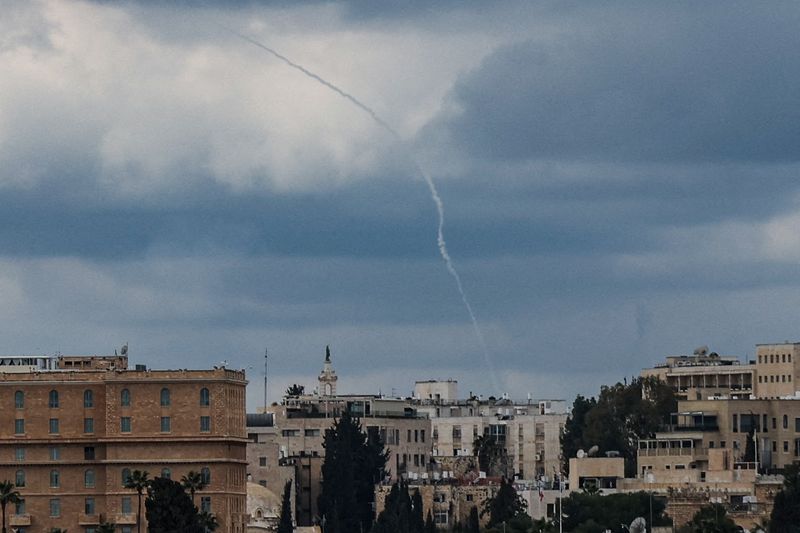
Israel strikes Lebanon following Hezbollah attacks, widening Iran conflict

Published

on

Israel strikes Lebanon following Hezbollah attacks, widening Iran conflict
Continue Reading
Click to comment

Leave a Reply

Your email address will not be published. Required fields are marked *

Business

Middle East Escalation Leaves Significant Upside For Oil And Gas Markets

Published

on

Middle East Escalation Leaves Significant Upside For Oil And Gas Markets

Middle East Escalation Leaves Significant Upside For Oil And Gas Markets

Continue Reading

Business

Pakistan Manufacturing Sector Sees Record Job Growth in February

Published

on


Pakistan Manufacturing Sector Sees Record Job Growth in February

Continue Reading

Business

Treasury bonds, dollar remain reliable safe havens in crisis: Peter Cardillo

Published

on

Treasury bonds, dollar remain reliable safe havens in crisis: Peter Cardillo
Global markets opened the week on a cautious note after geopolitical tensions escalated over the weekend, with investors recalibrating risk across equities, currencies and commodities. Early Asian trade reflected a clear risk-off tone, with Japanese markets under pressure and safe-haven assets attracting renewed demand.

The key question confronting investors is whether markets had already priced in the possibility of military escalation — or whether further volatility lies ahead.

Peter Cardillo, from Spartan Capital Securities, addressed the traditional safe-haven narrative surrounding the U.S. dollar and broader market implications.

“Well, let me first address your guest thinking about going into the dollar as a safe haven; that has always been the case, and the reason for that is because we are the reserve currency and we are the largest economy in the world. Presently, in terms of GDP growth, we are the leaders among the seven industrial nations. So yes, traditional hedges such as gold and silver obviously are the true hedges, but the dollar is considered one, just like Treasury bonds. If you look at what is happening in Treasury bonds, they are moving lower. Why? We are seeing foreign buying coming into the markets as a safe haven. So yes, the dollar in times of crisis is a safe haven.”

Advertisement

Early currency and bond market moves reflected that logic. The greenback firmed as investors sought liquidity and relative safety, while U.S. Treasury yields edged lower amid foreign inflows — a classic flight-to-quality pattern.


Oil’s Shock Trade
The more immediate and potentially disruptive impact is unfolding in the energy markets.
Cardillo explained that the initial market reaction in oil tends to be driven by positioning and uncertainty rather than fundamentals alone.
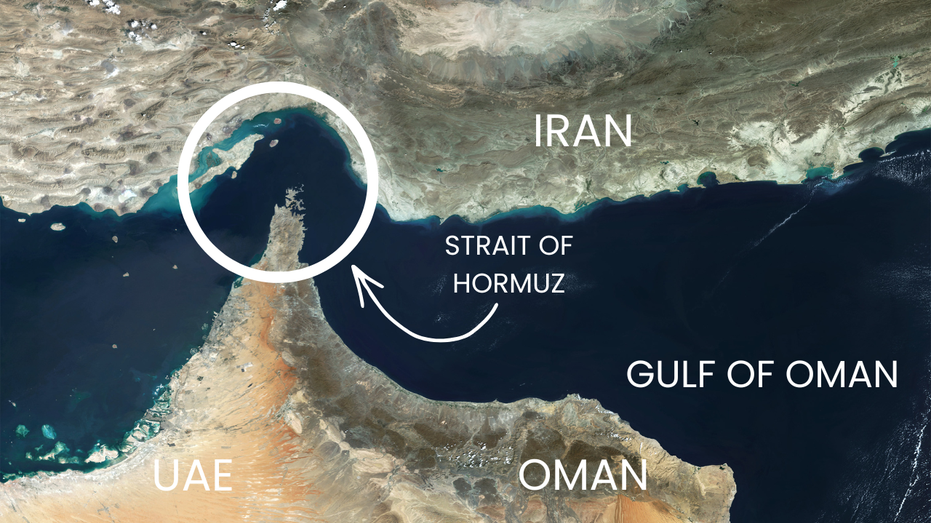
“Now, in terms of what this means for oil prices, obviously the initial trade is always that shock trade. So you have a combination of three things happening. One, the shorts running for cover. Second, you have the unknown of where prices may reach and finally stabilise at. And third, it is true that Iran produces 3%. But let us take a step backwards and look back at what happened in the 70s when the Strait of Hormuz was closed. It caused disruption, and that is what this is all about.”

The Strait of Hormuz remains the focal point. Roughly one-fifth of global energy trade passes through the narrow waterway. Even a temporary disruption could have outsized ripple effects across supply chains and inflation expectations.

Cardillo pointed to the potential duration of the military operation as the critical variable.

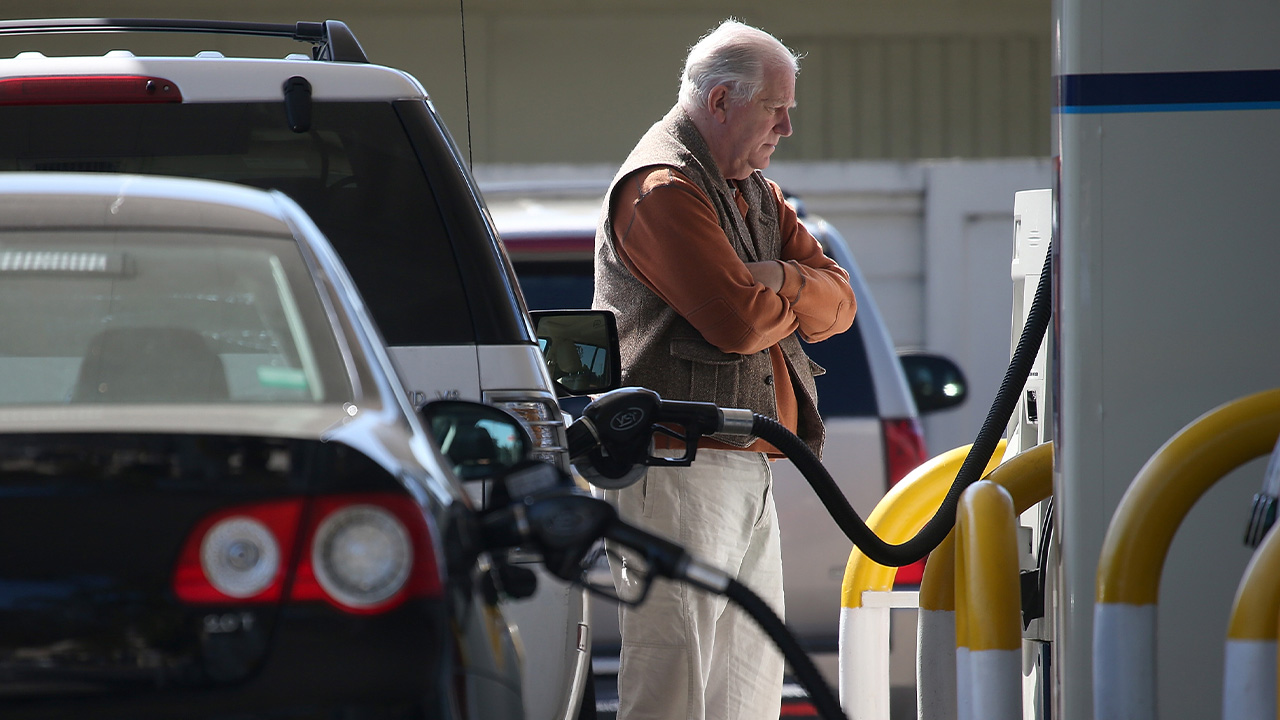
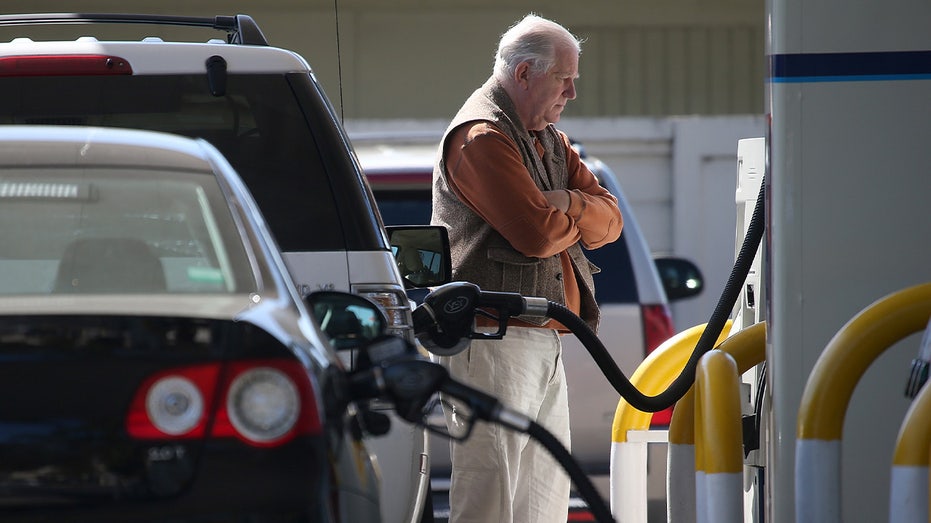
“So, the real emphasis here is how long will this operation last. I was reading just a minute ago that flashed across your board there, and it said that President Trump said it might last for four weeks. Well, if it lasts for four weeks and the price of oil goes to $100, that is going to be significant because you can rest assured that gasoline prices throughout the world will spike and will be inflationary, even though probably a temporary factor.”

Advertisement

A sustained move toward $100 per barrel would likely complicate the global disinflation narrative that central banks have been cautiously embracing in recent months. Higher fuel costs tend to filter quickly into transportation, manufacturing and consumer prices.

India and China in a Strategic Bind
For energy-importing nations, especially in Asia, the stakes are considerably higher.

The Strait of Hormuz shutting down for a longer period would choke at least one-fifth of the world’s total energy trade. For India, an estimated 45% to 50% of crude oil imports move through the Strait, along with roughly 60% of natural gas and energy shipments. That creates a significant dilemma: turning to cheaper Russian oil may appear economically attractive, but it risks straining trade and diplomatic ties with the United States.

Cardillo acknowledged that Asian economies would bear the brunt of any sustained disruption.

Advertisement

“Well, there is no question that India and China are going to suffer the most because most of the oil that is shipped through the Strait of Hormuz is shipped towards India and China, and so they are going to have to probably come to the United States and buy oil. Let us not forget that with the Venezuelan situation, there are ample supplies in the short term, and so that just means they are going to pay for more oil. But remember that one of the pledges that India made with the last trade deal was to buy oil from the United States and not buy oil from Russia, which is much cheaper. So, if you have to pay for something more than you were paying, obviously it is a negative.”

For India, the dilemma is stark. Cheaper Russian crude has helped cushion import bills in recent quarters. A disruption in Hormuz could push New Delhi to diversify further toward U.S. barrels, but at a higher cost — potentially widening the current account deficit and pressuring the rupee.

China faces similar calculations, though with greater strategic reserves and alternative supply routes.

Markets at a Crossroads
In the near term, markets appear to be trading on two intertwined variables: duration and disruption. If military action remains contained and shipping lanes stay operational, the shock may fade into volatility rather than a sustained crisis. But if the Strait of Hormuz faces prolonged instability, the consequences could extend far beyond oil — touching inflation, monetary policy and global growth.

Advertisement

For now, the dollar and Treasuries are absorbing safe-haven flows, equities are wobbling, and oil remains the barometer of geopolitical risk. Whether this episode becomes a temporary spike or a structural turning point will depend less on headlines and more on how long the Strait remains under threat.

Continue Reading

Business

Philippines manufacturing sector posts strongest growth in over eight years

Published

on


Philippines manufacturing sector posts strongest growth in over eight years

Continue Reading

Business

Indonesia manufacturing sector hits near two-year high in February

Published

on


Indonesia manufacturing sector hits near two-year high in February

Continue Reading

Business

Australia stocks higher at close of trade; S&P/ASX 200 up 0.03%

Published

on


Australia stocks higher at close of trade; S&P/ASX 200 up 0.03%

Continue Reading

Business

India manufacturing growth hits four-month high in February, PMI shows

Published

on

India manufacturing growth hits four-month high in February, PMI shows


India manufacturing growth hits four-month high in February, PMI shows

Continue Reading

Business

Savills appointed to Swindon Designer Outlet

Published

on

Business Live

The major retail location was recently acquired by Frasers Group

Swindon Designer Outlet.

Swindon Designer Outlet

Savills has been appointed by Frasers Group to provide property management services to Swindon Designer Outlet. The retail scheme, which extends to 250,000 sq ft and comprises of 110 units, is located in the historic Great Western Railway buildings in the centre of Swindon.

The retail destination has experienced a sustained rise in footfall, turnover and average spend, supported by the arrival of new brands such as Rituals and Crocs. This has been alongside reinvestment from long standing tenants. which include Polo Ralph Lauren, Reiss, Tommy Hilfiger, New Balance and Nike.

Its recent acquisition by Frasers Group represents a significant addition to its growing retail portfolio and reflects continued confidence in the performance and potential of the outlet sector.

READ MORE: Premier League and FA-backed Exeter playing fields project gets under wayREAD MORE: Helicopter maker Leonardo ‘hopeful’ about future of Somerset factory

Advertisement

Savills will provide property management and operational support across the scheme, ensuring the smooth running of a destination with complex heritage considerations and a diverse occupier mix

Saagar Sachdev, director, London retail and leisure, property management at Savills, said, “Designer Outlet Swindon is a well-established destination with a strong track record and a unique setting.

“Alongside its offering of leading global brands, there is a commitment to fostering a vibrant local community through initiatives such as a weekly street food market and the ‘Makers Yard’ craft market.

Joining an established and expanding group of outlet centres under Savills management, this appointment reflects our depth of sector expertise, from working closely with occupiers to maintaining an environment that meets the expectations of both brands and visitors.

Advertisement

“It also further strengthens our specialist expertise in the outlet sector, enabling us to add value through operational enhancements, brand curation and long term asset stewardship.”

Continue Reading

Business

Private sector investment essential for Bristol to meet its net zero climate goals, council chiefs say

Published

on

Business Live

Official says ‘there isn’t enough public sector money to achieve decarbonisation of cities’

Old Market Gap bike lane

The Old Market Gap bike lane(Image: Local Democracy Reporting Service)

A lack of cash is jeopardising Bristol’s net zero climate goals and millions of pounds are needed from the private sector. Bristol has slashed how much greenhouse gas is emitted locally in the past two decades, but there is not enough public funding to reach net zero emissions.

Advertisement

Bristol City Council has published a long list of 90 actions in the push to reach net zero. But many of these rely on uncertain funding from the government, companies or investors. One big ticket item was recently removed as the West of England Combined Authority withdrew support.

Blocking through-traffic on Park Street was expected to drive up the number of people taking the bus, walking or cycling. But the West of England chose not to pay for it, so the scheme won’t go ahead – an example illustrating the precarious nature of lots of climate actions. An update on the net zero plan was given to the environment policy committee on Thursday, February 26.

Green Cllr Martin Fodor, chair of the environment committee, said: “It’s important to demonstrate to our partners that we’re taking this seriously, playing our part, and we’re looking for those partnerships and funders. I’m really impressed with the amount of funding that’s been brought in – locally, nationally, European and internationally – that has helped contribute to actions here.

“We’re still looking, so that we can do all the things that are in the action plan.”

Advertisement

So far the action plan has included replacing 36,000 street lights with efficient LEDs, saving over £1 million a year in energy bills; installing better insulation in buildings making them cheaper to heat; replacing diesel vans with electric vehicles, which also reduces air pollution; and training council staff on topics such as how to reduce climate-warming greenhouse gas emissions.

New bike paths and bus lanes have helped encourage more people to cycle or take public transport instead of driving cars. And the landmark City Leap deal was signed between the council, Ameresco and Vattenfall, paving the way for hundreds of millions of pounds investment into generating renewable energy and expanding the district heat networks, among other work.

However much Bristol does reduce its greenhouse gas emissions, the climate is still forecast to warm up over the coming years, bringing extreme heatwaves, storms and floods. Work has begun on an analysis called the Keep Bristol Cool framework, which explores how to protect Bristolians from the effects of much hotter summers, including planting trees for better shade.

One way the council has tried to overcome the lack of cash is by getting locals to invest in its climate action plan. More than £2 million has been raised already via an innovative scheme, where the council sells bonds to investors. The money helps pay for measures to cut carbon emissions, while also providing a better return than standard savings accounts.

Advertisement

Alex Ivory, the council’s climate change team manager, said: “Everybody in this sector realises there isn’t enough public sector money to achieve decarbonisation of cities. A large amount of it will have to come from the private sector.”

Transport emits the most greenhouse gases in Bristol, Government figures show

Transport emits the most greenhouse gases in Bristol, these Government figures show(Image: Local Democracy Reporting Service)

Cllr Fodor added: “We’re seen as one of the places that has really demonstrated how to have a whole spectrum of funding of different scales, from the million odd through the hundred million potentially. That’s really good news. It’s not enough yet, but it’s a good start.”

Getting the private sector to pay for projects raises a question about a lack of scrutiny. Labour has been trying to get an update to the environment committee on how the City Leap deal is going so far, as much of Bristol’s planned climate actions will be delivered by this project. But Cllr Fodor declined a request to bring a scrutiny paper to the committee.

Labour Cllr Kye Dudd, a former cabinet member who was instrumental in the City Leap deal, said: “I’ve been asking for a general scrutiny paper on how well that’s doing, probably for about a year now. It’s a 20-year project and a lot of money. This committee needs to be having regular updates, and we’ve not had one in the last two years. I think that’s a bit disappointing.”

Advertisement

Cllr Fodor replied that the committee would monitor the individual projects in City Leap. He added that its performance is the responsibility of the strategy and resources policy committee, rather than the environment committee.

Continue Reading

Business

Asian airline stocks fall on Iran tensions, surging oil prices

Published

on


Asian airline stocks fall on Iran tensions, surging oil prices

Continue Reading

Trending

Copyright © 2025