
Business
Jakarta tops Tokyo as the world’s most populous city; Bangkok ranks 14th

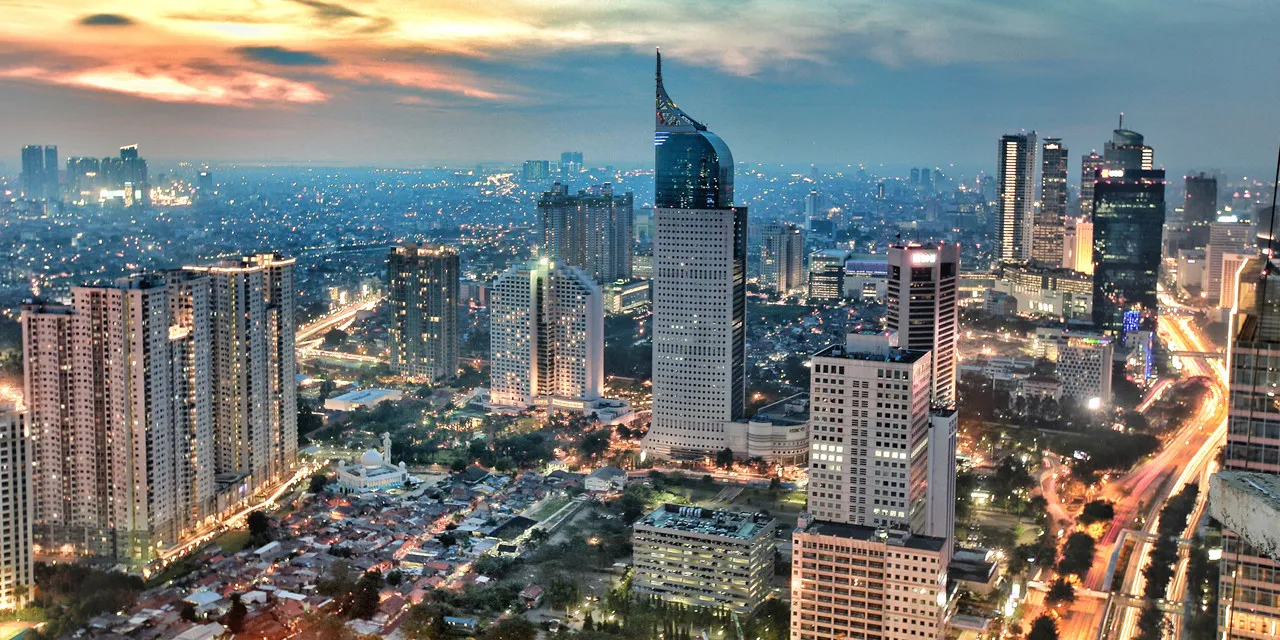
A recent United Nations (UN) report, “World Urbanisation Prospects 2025,” highlights significant shifts in global city populations, designating Jakarta as the world’s largest city in 2025. Published on January 2, 2026, the report details current rankings and projects future demographic changes, reflecting rapid global urbanization.
Urbanisation is described as a “defining force of our time” by UN officials, with the potential to drive climate action, economic growth, and social equity if managed inclusively.
📈 Notable Shifts in City Rankings
- Jakarta rises to the top spot in 2025 with 41.9 million people, overtaking Tokyo, which drops to third.
- Dhaka climbs rapidly, projected to be the most populous city by 2050 with 52.1 million.
- Tokyo and Seoul are the only top 10 cities expected to decline in population by 2050.
| City | Country | Population 2000 (thousands) | Population 2025 (thousands) | Population 2050 (thousands) | Rank 2000 | Rank 2025 | Rank 2050 |
|---|---|---|---|---|---|---|---|
| Bangkok | Thailand | 8,377 | 18,180 | 20,462 | 24 | 14 | 13 |
As of 2025, the report establishes Jakarta as the most populous city globally, with an estimated 41.9 million inhabitants. This marks a notable change in the hierarchy of major urban centers:
- 1st: Jakarta (41.9 million inhabitants)
- 2nd: Dhaka
- 3rd: Tokyo (slipping from its 2000 position as the largest city) Bangkok is ranked as the 14th largest city worldwide in 2025. Its population experienced a substantial growth of nearly 2% annually between 2015 and 2025, significantly outpacing Thailand’s overall yearly population growth of 0.2%.
Looking ahead to 2050, the report projects further changes in city rankings and populations. Dhaka is forecasted to become the world’s largest city with an estimated 52.1 million people. Tokyo, in contrast, is expected to see its population decrease from 33.4 million in 2025 to 30.7 million by 2050, causing it to fall to the seventh position globally. The projected top cities for 2050 include:
- Dhaka
- Jakarta
- Shanghai
- New Delhi
- Karachi
- Cairo Significantly, Tokyo and Seoul are identified as the only cities among the 2025 top 10 that are anticipated to experience population decline by mid-century, primarily due to low fertility rates and overall population shrinkage in their respective nations.
The report also underscores a broader trend of increasing global urbanization. Cities currently house 45% of the world’s 8.2 billion people, which is more than double the proportion recorded in 1950. Furthermore, cities are projected to account for two-thirds of the world’s total population growth between 2025 and 2050, with most of the remaining growth occurring in towns.
This rapid urban growth presents both opportunities and challenges. On one hand, urban areas can drive economic development, innovation, and improved access to services such as healthcare and education. On the other hand, it places significant pressure on infrastructure, housing, and environmental resources. Policymakers must address issues like traffic congestion, pollution, and the need for sustainable urban planning to ensure cities remain livable and inclusive for their growing populations.



