
Business
John Lewis pulls plug on build-to-rent venture amid retail reset


John Lewis Partnership has abandoned its build-to-rent housing ambitions, retreating from a high-profile property diversification strategy as the group pivots back towards its core retail business.
The employee-owned retailer confirmed it would withdraw from the rental housing scheme first championed by its former chair, Sharon White, who had sought to reduce reliance on retail by generating 40 per cent of profits from non-retail ventures by 2030. That target was later scrapped.
The build-to-rent initiative, launched in partnership with Aberdeen, aimed to deliver around 1,000 rental homes across sites in Ealing and Bromley in London and Reading in Berkshire. Aberdeen had pledged to raise £500m from institutional investors to fund the developments.
However, John Lewis said that the funds were never secured due to shifting macroeconomic conditions.
“Our rental property ambition was based on a very different financial environment: one with more stable investment returns, lower borrowing costs and more affordable construction costs,” a spokesman said. “The current climate, higher interest rates, inflationary pressures and a more cautious property market, means the model no longer meets our investment criteria.”
The decision marks a significant strategic reset under Jason Tarry (pictured), the former Tesco executive who became chair in 2024. Tarry has sought to restore the partnership’s focus on retail performance after several years of financial strain and cancelled staff bonuses.
The group is now pursuing an £800m investment programme aimed at revitalising its department stores, alongside a £1bn investment in its Waitrose estate of 320 shops. Recent initiatives include a high-profile partnership to bring Topshop concessions into John Lewis stores as it seeks to win back younger customers.
The build-to-rent strategy had originally been positioned as a way to unlock value from surplus Waitrose land and car parks while creating a more stable, long-term income stream less exposed to retail volatility.
However, the proposals were controversial from the outset. Local communities and planning authorities raised concerns over building heights, density and the proportion of affordable housing. Although several schemes ultimately secured planning approval, in some cases after appeals and intervention by government inspectors, the projects required significant upfront investment.
While John Lewis has not disclosed how much has been spent to date, it is understood that several million pounds were invested in design, planning and legal costs before the scheme was halted.
The withdrawal underlines the pressure facing retailers that diversified into property during the era of low interest rates. Higher borrowing costs have eroded returns on residential development, while construction inflation has increased project risk.
For John Lewis, the move signals a return to fundamentals after what some critics inside and outside the partnership viewed as a distraction from its core business.
With the cost-of-living crisis squeezing consumer spending and competition intensifying across both fashion and grocery, the partnership is betting that renewed focus on shopkeeping, rather than landlord ambitions, offers a clearer path to restoring profitability and rebuilding confidence among its employee-owners.

Jamie Young
Jamie is Senior Reporter at Business Matters, bringing over a decade of experience in UK SME business reporting.
Jamie holds a degree in Business Administration and regularly participates in industry conferences and workshops.
When not reporting on the latest business developments, Jamie is passionate about mentoring up-and-coming journalists and entrepreneurs to inspire the next generation of business leaders.

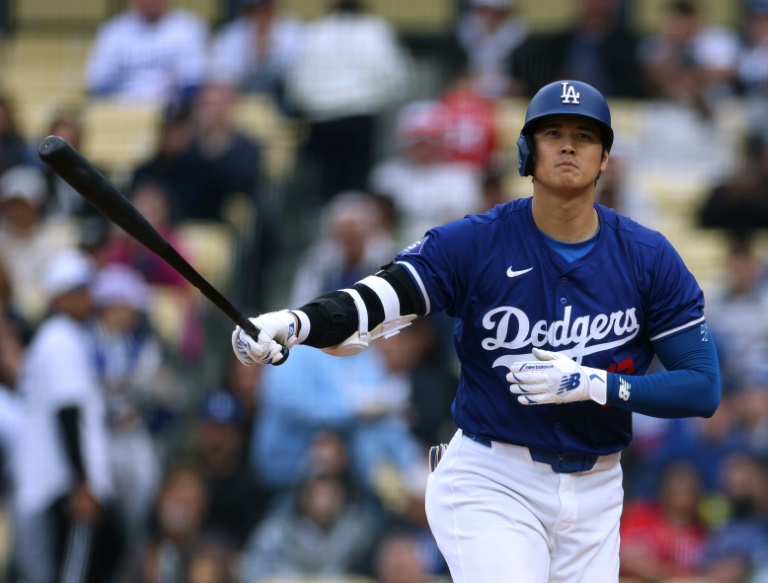
LOS ANGELES — Max Muncy delivered a historic performance Friday night, smashing three home runs — including a dramatic two-out solo shot in the ninth inning — to lift the Los Angeles Dodgers to an 8-7 walk-off victory over the Texas Rangers at Dodger Stadium.
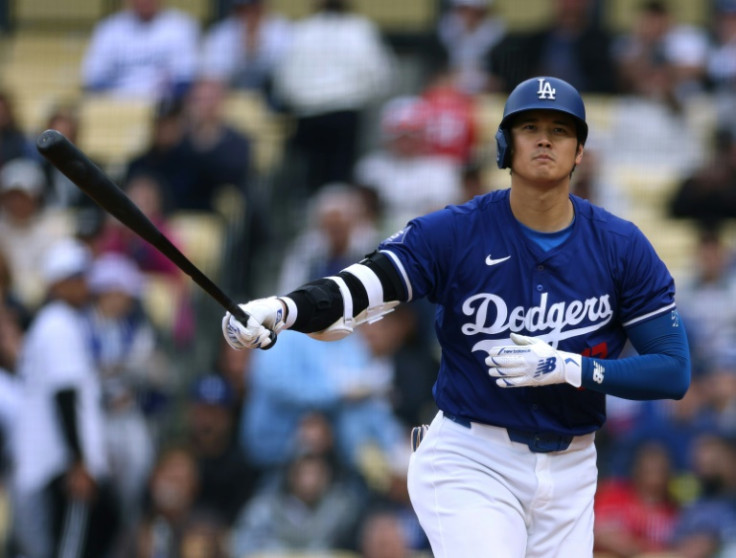
Muncy’s heroics capped a back-and-forth contest between two of baseball’s most recent World Series champions, with the Dodgers improving to 10-3 while handing the Rangers their sixth loss in 13 games. The game featured 15 combined home runs from both sides, showcasing the power-packed lineups that have defined early 2026 MLB action.
Muncy, who entered the night with a modest home run total for the young season, went deep in the second, sixth and ninth innings. His final blast off Rangers reliever Jacob Latz came after Los Angeles had erased a late deficit. The third homer not only won the game but also pushed Muncy past Steve Garvey for third place on the Dodgers’ all-time home run list since the franchise moved to Los Angeles.
“Maxy was locked in tonight,” Dodgers manager Dave Roberts said postgame. “When he gets that swing going, it’s special. To do it three times, including the walk-off, that’s the kind of moment that defines a season.”
The Dodgers’ offense pounded out 15 hits, with contributions throughout the lineup. Andy Pages added key hits in the rally, while the club capitalized on timely hitting after starter Tyler Glasnow navigated a shaky outing.
Glasnow, making an early-season start, allowed three runs on Corey Seager’s three-run homer in the third inning. Seager, the former Dodgers star now with Texas, crushed a 409-foot blast to center field off Glasnow, scoring Josh Smith and Brandon Nimmo to give the Rangers a 3-1 lead. It was Seager’s fourth homer of the season.
Texas starter Kumar Rocker, the highly touted young right-hander, went five innings and surrendered four runs. Muncy’s first homer, a solo shot in the second, opened the scoring for Los Angeles. Rocker struck out several batters but struggled with command at times against the Dodgers’ patient approach.
The Rangers built momentum in the middle innings. Wyatt Langford and Evan Carter contributed to the attack, with Texas pushing across single runs in the fifth and ninth to keep the pressure on. The Rangers’ bullpen, including key setup arms, held the line temporarily, but the late innings proved chaotic.
Edwin Diaz, typically a reliable closer for Texas, entered in the ninth with a one-run lead but struggled, allowing the tying and go-ahead runs to reach base before Muncy’s decisive swing. It marked Diaz’s first blown save of the season. Latz took the loss in relief.
For the Dodgers, the bullpen stabilized after Glasnow’s exit. Alex Vesia and others bridged the gap effectively before the offense mounted its comeback. The Dodgers scored one run in the fourth, one in the fifth, two in the sixth, two in the eighth and the winner in the ninth, showcasing their depth and resilience.
Muncy’s multi-homer night echoed some of the franchise’s memorable power displays. His second homer narrowed the gap, and by the time the game reached the late stages, Dodger Stadium was electric with anticipation. Fans chanted as the ninth unfolded, erupting when Muncy connected for the game-winner.
The matchup carried extra intrigue as a clash of recent champions. The Rangers won the World Series in 2023, while the Dodgers claimed the title more recently, building one of the strongest rosters in baseball with a mix of veterans and young talent. Both teams entered the series with strong records — Texas at 7-5 and Los Angeles at 9-3 — making this opener a preview of potential October intensity.
Seager’s home run was a highlight for Texas fans, reminding them of his productive years in Los Angeles. The left-handed slugger has been a consistent force for the Rangers, and his third-inning blast momentarily shifted momentum in a game that saw 22 total runs.
Rangers manager Bruce Bochy, a veteran of many high-stakes games, praised his team’s fight despite the loss.
“We had chances and put together good at-bats,” Bochy said. “Muncy just got the big one at the end. That’s baseball — one swing can change everything.”
The game lasted just over three hours, played under clear skies at UNIQLO Field at Dodger Stadium with temperatures in the mid-60s and a light breeze. Attendance was strong, reflecting the early-season buzz around both clubs.
Statistically, the Dodgers dominated in hits (15-9) and total bases (29-18), while both teams avoided errors in a clean defensive showing. Home runs told much of the story: Texas hit three, Los Angeles four, with Muncy accounting for three of the Dodgers’ long balls.
This victory gives the Dodgers a strong start to their home series against Texas, with games scheduled for Saturday and Sunday. Los Angeles will look to build on its hot start, while the Rangers aim to rebound and even the series.
Muncy’s performance will likely dominate highlight reels for days. Videos of his three homers, particularly the walk-off, were already circulating widely on social media shortly after the final out, with fans calling it one of the more memorable individual nights of the young 2026 season.
As the MLB season progresses, matchups like this underscore the parity and excitement across the league. Power hitting, dramatic comebacks and star performances continue to drive fan interest, and Friday’s contest delivered on all fronts.
For the Rangers, the focus shifts quickly to Saturday’s starter as they try to salvage the series. Texas has shown offensive pop but will need stronger bullpen outings to contain explosive lineups like the Dodgers’.
Los Angeles, meanwhile, rides high on Muncy’s heroics. The veteran infielder, known for his clutch moments in past postseasons, reminded everyone why he remains a vital piece of the Dodgers’ championship aspirations.
The series continues Saturday night at Dodger Stadium, promising more fireworks between these two talented squads.

21-hour trading: Europe expands energy window as LNG risks grow

Deutsche Bank initiates PayPay stock with hold rating on valuation
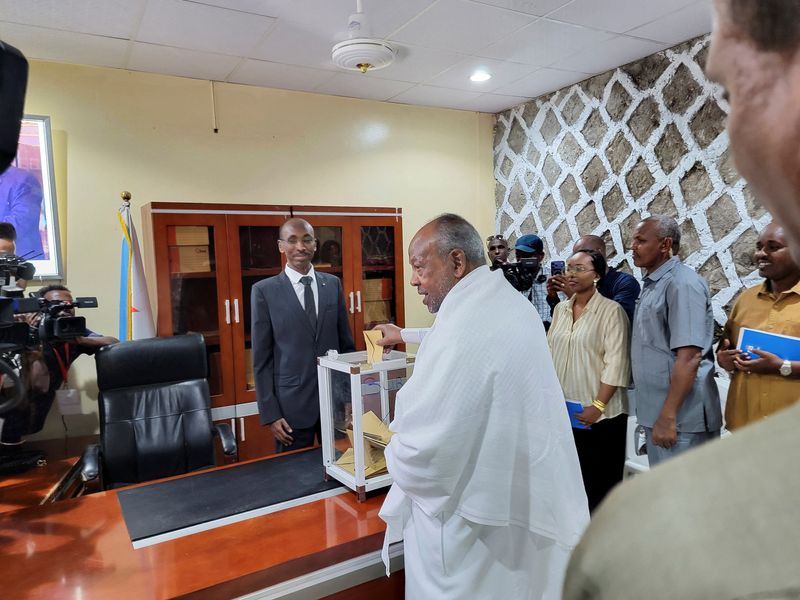

Djibouti president wins election with 97.8% of vote, state media says

Tesla: JPM says record surge in unsold EVs will only add to FCF woes
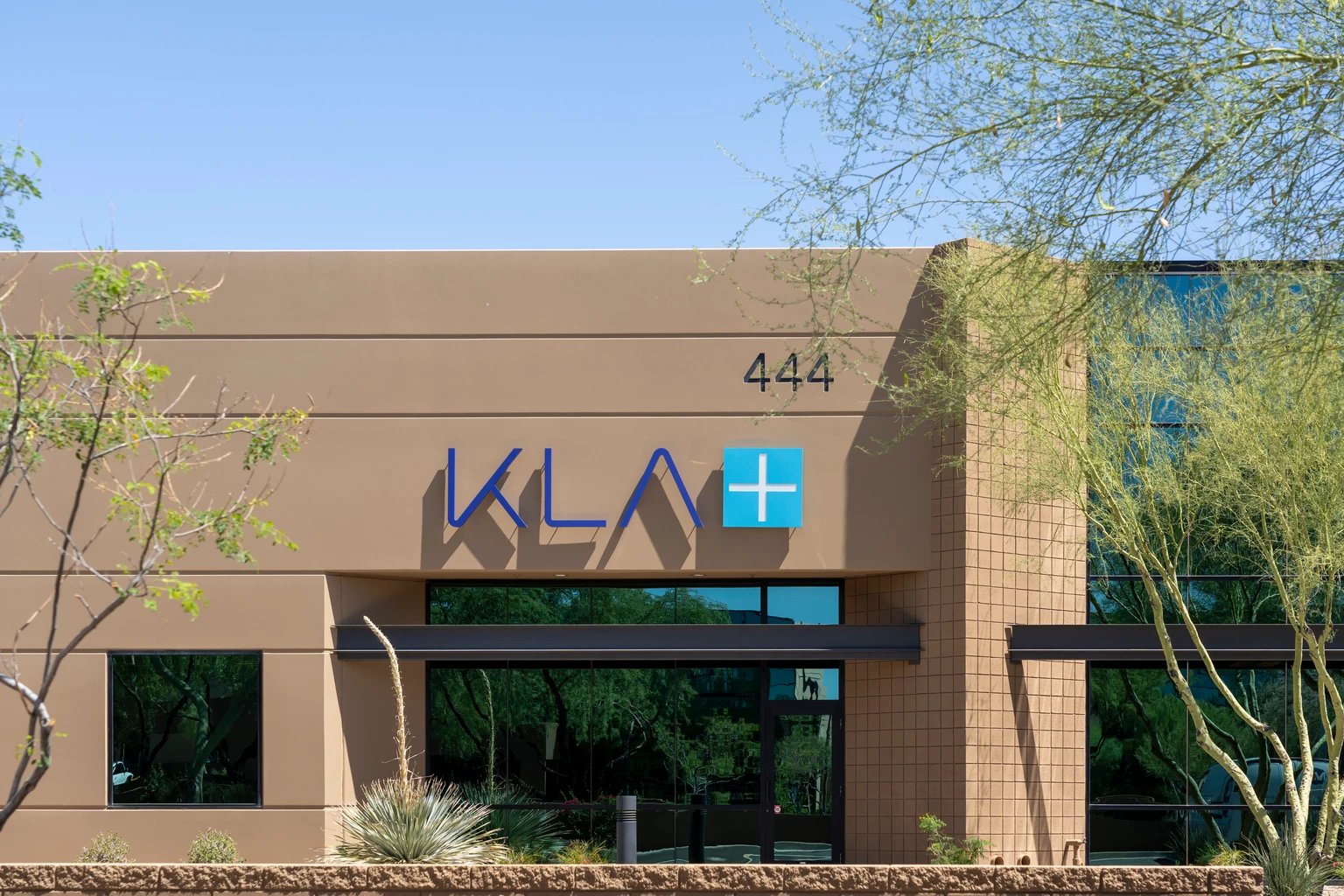
KLA Corporation: Success Already Priced In, Hold Rating Maintained
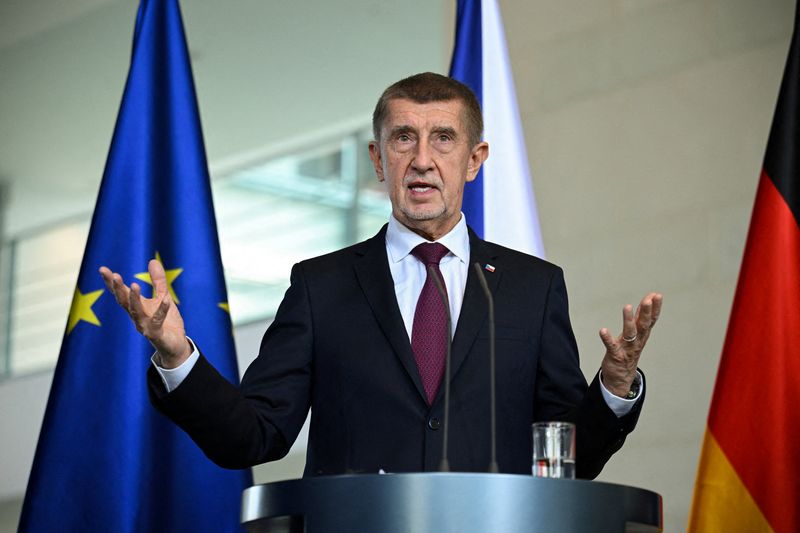

Czech Prime Minister Babis backs Hungary’s Orban ahead of vote


UK pauses its plan to cede Chagos Islands after US opposition


My articles typically cover macroeconomic trends, portfolio strategy, value investing, and behavioral finance. I like to profit from the biases and constraints of other investors.
Analyst’s Disclosure: I/we have no stock, option or similar derivative position in any of the companies mentioned, and no plans to initiate any such positions within the next 72 hours. I wrote this article myself, and it expresses my own opinions. I am not receiving compensation for it (other than from Seeking Alpha). I have no business relationship with any company whose stock is mentioned in this article.
Seeking Alpha’s Disclosure: Past performance is no guarantee of future results. No recommendation or advice is being given as to whether any investment is suitable for a particular investor. Any views or opinions expressed above may not reflect those of Seeking Alpha as a whole. Seeking Alpha is not a licensed securities dealer, broker or US investment adviser or investment bank. Our analysts are third party authors that include both professional investors and individual investors who may not be licensed or certified by any institute or regulatory body.
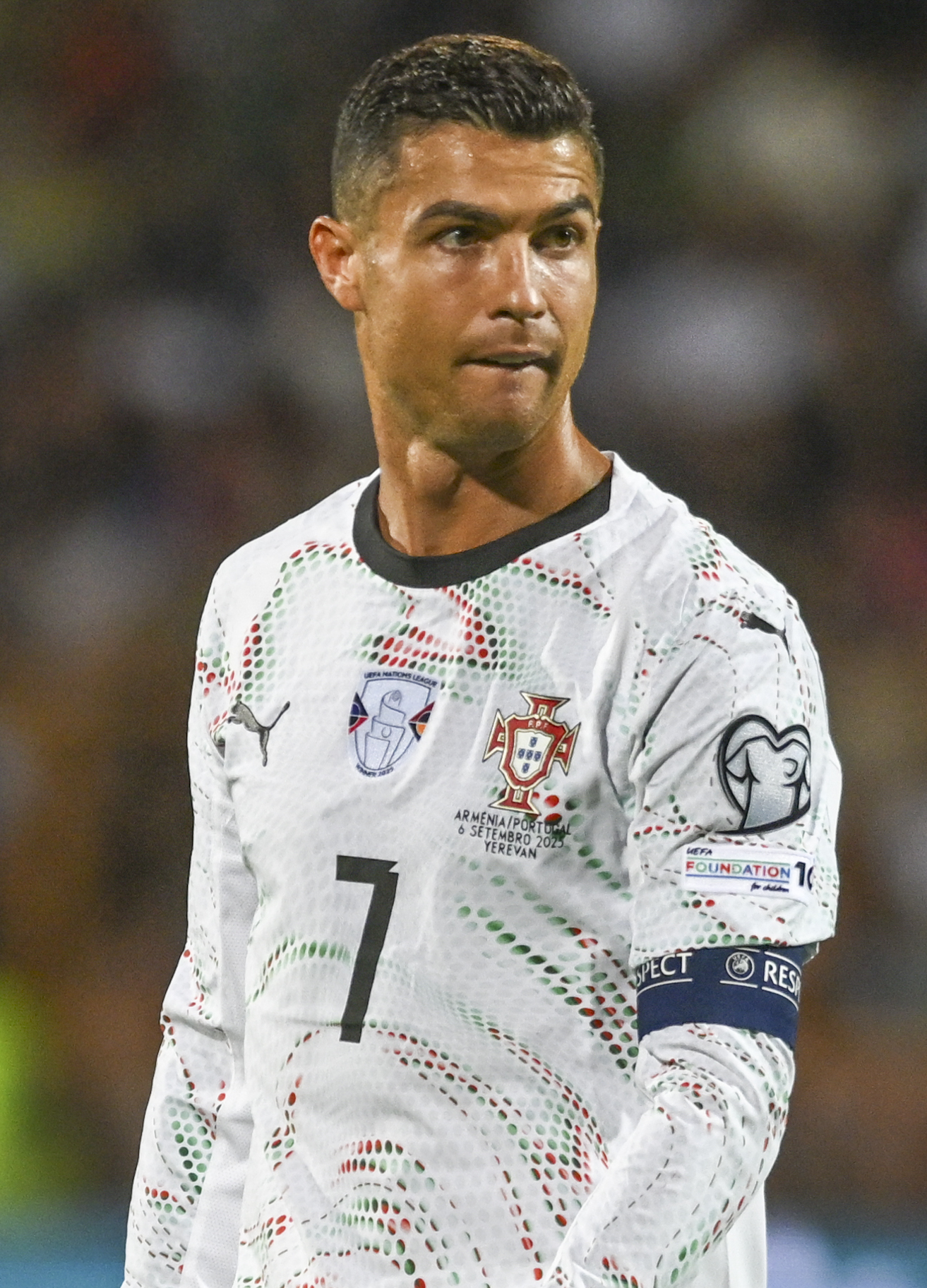
LISBON, Portugal — Cristiano Ronaldo has delivered a series of positive updates on his recovery from a right hamstring injury, calming widespread concerns that the setback could diminish his performance or threaten his participation in the 2026 FIFA World Cup this summer.

The Portuguese superstar, who turned 41 in February, sustained the muscle injury on Feb. 28 during Al Nassr’s Saudi Pro League match against Al Fayha. He was substituted late in the contest after showing discomfort and subsequently missed several club fixtures as well as Portugal’s March friendlies against Mexico and the United States.
Initial reports described the issue as a minor hamstring strain, though Al Nassr manager Jorge Jesus noted at the time that it proved “more serious than expected,” prompting Ronaldo to undergo specialized rehabilitation in Madrid. Medical assessments pointed to a recovery window of two to four weeks, with the Portugal national team opting for caution by leaving their captain out of the March international window.
By late March, Ronaldo began sharing encouraging signs of progress on social media. Posting images and videos of targeted gym work and leg exercises, he captioned one update simply: “Getting better every day.” The message quickly went viral, easing fan anxiety about his readiness for the expanded 48-team tournament co-hosted by the United States, Canada and Mexico.
Portugal coach Roberto Martinez moved swiftly to quell speculation that the injury might sideline the all-time international leading scorer. “No, he’s not in danger,” Martinez told reporters in March. “It’s a minor muscle injury, and we think he can return in a week or two. Everything Cristiano has done physically this season shows that he’s in great shape.”
Martinez emphasized that Ronaldo’s place in the squad for the World Cup — expected to be his sixth and likely final appearance in the tournament — was never seriously in doubt. The veteran forward continued individual training in Riyadh and Madrid before rejoining Al Nassr’s group sessions.
By early April, Ronaldo had returned to full training with Al Nassr. On April 3, he marked his comeback in emphatic fashion, scoring a brace — including a penalty and a clinical strike — in a 5-2 league victory over Al Najma. The performance pushed his official career goal tally closer to the landmark 1,000-goal milestone, with reports confirming he had reached 967 goals at that point.
Fabrizio Romano, citing well-placed sources, reported April 2 that Ronaldo was “back available for Al Nassr and set to be called up” for Portugal duty as well. The recovery outlook remains positive, and his leadership role within the national team appears secure.
At 41, Ronaldo enters the 2026 World Cup as one of the oldest players in the competition’s history, yet his longevity continues to defy expectations. He has maintained elite-level output for Al Nassr this season, contributing dozens of goals and assists despite the physical demands of the Saudi Pro League. The brief hamstring layoff interrupted that rhythm but appears not to have derailed his preparations.
Medical experts note that hamstring injuries in older athletes can sometimes lead to reduced explosiveness or recurring issues if not managed carefully. However, Ronaldo’s rigorous personal training regime, combined with access to world-class physiotherapy, has historically allowed him to bounce back stronger. Portugal’s medical staff continues to monitor his workload closely in the final weeks before the tournament opens June 11.
Portugal qualified comfortably for the 2026 finals, with Ronaldo contributing key goals during the campaign. The team will enter as one of the European contenders, boasting a talented squad featuring Bruno Fernandes, Bernardo Silva, Rafael Leão and rising stars. Ronaldo’s presence as captain and focal point in attack remains central to their ambitions.
Analysts suggest that even a slightly diminished Ronaldo could still prove decisive in a tournament featuring expanded group stages and more matches overall. His experience in high-pressure knockout scenarios, aerial ability and penalty-taking prowess provide intangible value that younger teammates draw upon.
Questions about performance impact center on Ronaldo’s explosive speed and recovery between games. The World Cup’s condensed schedule across three host nations could test endurance, particularly for a player managing minor muscular concerns. Yet supporters point to Ronaldo’s track record: he has overcome numerous injuries throughout his career, including significant setbacks at Real Madrid, Juventus and Manchester United.
Ronaldo himself has projected confidence. In interviews and social media posts, he has reiterated his focus on returning to peak condition and leading Portugal as far as possible. “The World Cup is not at risk,” Martinez reiterated when addressing the squad selection for friendlies.
As of mid-April 2026, Ronaldo has resumed competitive action with Al Nassr, giving him roughly two months to sharpen match fitness before Portugal’s likely group-stage opener. Club fixtures in the Saudi league and any remaining continental commitments will serve as vital preparation.
The injury episode has sparked broader discussions about player longevity in modern football. At an age when most professionals have retired, Ronaldo continues to set benchmarks. His disciplined diet, sleep patterns and training habits have become case studies for aspiring athletes.
Portugal’s depth provides a safety net. Should Ronaldo require additional recovery time, options like Gonçalo Ramos or Diogo Jota exist in attack. Yet few doubt that the five-time Ballon d’Or winner will be in the starting XI when the Seleção takes the field in North America.
Fan reaction on social media has shifted from worry to excitement following Ronaldo’s brace and training updates. Hashtags related to his recovery and World Cup preparations have trended globally, underscoring his enduring global appeal.
Looking ahead, the coming weeks will be telling. Portugal is expected to name a provisional squad in May, with final confirmation closer to the tournament. Ronaldo’s goal-scoring form upon full return will offer the clearest indicator of his readiness.
For now, the narrative surrounding Cristiano Ronaldo’s hamstring injury has moved from potential crisis to manageable precaution. With positive medical feedback, visible progress on the pitch and unwavering support from his national team coach, the Portuguese icon appears well-positioned to chase one final shot at World Cup glory.
Whether he can replicate the explosive performances of his youth remains an open question, but history suggests underestimating Ronaldo at any age is unwise. As the countdown to June intensifies, fans worldwide will watch closely to see if the greatest goal scorer in history can deliver once more on football’s grandest stage.

Stormont must face the cost of its climate ambitions

Max Muncy’s Epic 3-Homer Night Caps Dodgers’ Thrilling Win
Heather Locklear and Lorenzo Lamas Dating After Chris Split


-

 Business5 days ago
Three Gulf funds agree to back Paramount’s $81 billion takeover of Warner, WSJ reports
-

 Sports7 days ago
India men’s 4x400m and mixed 4x100m relay teams register big progress | Other Sports News
-

 Politics15 hours ago
US brings back mandatory military draft registration
-

 Fashion16 hours ago
Weekend Open Thread: Veronica Beard
-

 Tech3 days ago
How Long Can You Drive With Expired Registration? What Florida Law Says
-

 Business6 days ago
No Jackpot Winner, Prize to Climb to $231 Million
-

 Fashion5 days ago
Massimo Dutti Offers Inspiration for Your Summer Mood Board
-
 Sports16 hours ago
Man United discover Nico Schlotterbeck transfer fee as defender reaches Dortmund agreement
-

 Fashion4 days ago
Let’s Discuss: DEI in 2026
-

 Crypto World3 days ago
Bitcoin recovers as US and Iran Agree a Ceasefire Deal
-

 Business13 hours ago
Tesla Model Y Tops China Auto Sales in March 2026 With 39,827 Registrations, Beating Cheaper EVs and Gas Cars
-

 Business6 days ago
Akebia Therapeutics, Inc. (AKBA) Discusses Pipeline Progress and Strategic Focus on Kidney Disease Treatments at R&D Day – Slideshow
-

 Crypto World2 days ago
Canary Capital Files SEC Registration for PEPE ETF
-

 Business21 hours ago
OpenAI Halts Stargate UK Data Centre Project Over Energy Costs and Copyright Row
-

 Tech5 days ago
Haier is betting big that your next TV purchase will be one of these
-

 Tech5 days ago
Gamer Restores the Original PlayStation Portal From Two Decades Ago
-

 Tech5 days ago
The Xiaomi 17 Ultra has some impressive add-ons that make snapping photos really fun
-

 Tech5 days ago
Samsung just gave up on its own Messages app
-

 Tech5 days ago
Save $130 on the Samsung Galaxy Watch 8 Classic: rotating bezel, sleep coaching, and running coach for $369
-

 Tech5 days ago
Italian court says Netflix must refund customers up to $576 over price hikes
You must be logged in to post a comment Login