| Revenue of $134.49M (47.41% Y/Y) beats by $1.95M
Karman Holdings Inc. (KRMN) Q4 2025 Earnings Call March 25, 2026 4:30 PM EDT
Company Participants
Steven Gitlin – Senior Vice President of Investor Relations & Corporate Communications Jonathan Rambeau – Chief Executive Officer Anthony Koblinski – Chief Executive Officer Michael Willis – Chief Financial Officer Jonathan Beaudoin – Chief Operating Officer
Advertisement
Conference Call Participants
Peter Arment – Robert W. Baird & Co. Incorporated, Research Division Kenneth Herbert – RBC Capital Markets, Research Division Clarke Jeffries – Piper Sandler & Co., Research Division John Godyn – Citigroup Inc., Research Division Louie Dipalma – William Blair & Company L.L.C., Research Division Alexandra Eleni Mandery – Truist Securities, Inc., Research Division Austin Bohlig – Needham & Company, LLC, Research Division Victor Santiago Michael Leshock – KeyBanc Capital Markets Inc., Research Division
Advertisement
Presentation
Operator
Thank you for standing by, and welcome to the Karman Space & Defense Fourth Quarter and Full Fiscal Year 2025 Earnings Conference Call. [Operator Instructions]
I’d now like to turn the call over to Steven Gitlin, Senior Vice President of Investor Relations. You may begin.
Advertisement
Steven Gitlin Senior Vice President of Investor Relations & Corporate Communications
Good afternoon, and thank you for joining Karman Space & Defense’s Fourth Quarter and Full Fiscal Year 2025 Earnings Conference Call. I’m Steven Gitlin, Senior Vice President of Investor Relations and Corporate Communications, and I’m pleased to welcome you today. Joining me on today’s call are Jon Rambeau, our new Chief Executive Officer; Tony Koblinski, our Director and former Chief Executive Officer; Mike Willis, our Chief Financial Officer; and Jonathan Beaudoin, our Chief Operating Officer.
Before we begin, please note that on this call, certain information presented contains forward-looking statements that are based on current expectations, forecasts and assumptions and that involve risks and uncertainties. These are described on Page 2 of the earnings presentation we posted to our website this afternoon and in detail in Karman’s
Apple’s newly launched iPhone 17e offers an affordable entry into the latest iPhone lineup at $599, packing the A19 chip and a modern Dynamic Island design, but buyers wondering whether to snap it up or hold out for the more advanced iPhone 18 Pro face a lengthy wait until at least September 2026 — and potentially longer for base models — as Apple shifts its release strategy.
The iPhone 17e went on sale March 11, 2026, just days after its March 2 announcement, positioning it as the most budget-friendly current iPhone with 256GB or 512GB storage options in black, white or soft pink. It features a 6.1-inch OLED display with 60Hz refresh rate, a single 48MP rear camera, 12MP TrueDepth front camera, and Apple’s efficient A19 processor paired with a new C1X cellular modem for improved connectivity.
iPhone 17e
Priced significantly below flagship models, the 17e targets cost-conscious consumers seeking solid everyday performance without Pro-level extras like multiple telephoto lenses or 120Hz ProMotion displays. Pre-orders opened March 4, with availability in more than 70 countries including the U.S., South Korea, Japan and Australia.
Yet for power users eyeing the iPhone 18 Pro, patience may be required. Rumors point to the iPhone 18 Pro and Pro Max launching in September 2026 alongside a potential foldable iPhone, while standard iPhone 18 and budget 18e models could slip to spring 2027 due to manufacturing priorities and Apple’s evolving lineup strategy.
Analysts say the staggered approach prioritizes premium devices first, reflecting strong demand for Pro models and new form factors like the rumored foldable. This shift means anyone waiting specifically for an “iPhone 18 Pro” could see it within six months, but base-level upgrades might take a full year or more.
Advertisement
**iPhone 17e Strengths and Limitations**
Reviewers praise the 17e for delivering flagship-level speed in a compact, affordable package. The A19 chip provides snappy performance for daily tasks, gaming and Apple Intelligence features, while the Dynamic Island replaces the older notch for a more immersive experience. Battery life is described as reliable for all-day use, and the matte-finish colors give it a premium feel despite the budget positioning.
Camera performance suits casual photographers with a capable 48MP main sensor, though it lacks the multi-lens versatility of Pro models. The 60Hz display feels smooth for most users but falls short of the buttery 120Hz experience on higher-end iPhones. Storage starts at 256GB, addressing past complaints about entry-level capacity.
At $599, the 17e undercuts many Android competitors while maintaining Apple’s ecosystem advantages, including long-term software support expected for five to seven years. Trade-in programs and carrier deals can lower the effective cost further, sometimes to under $400 with qualifying plans.
Advertisement
Critics note the single rear camera and lack of advanced zoom or ProRes video limit creative users. Those upgrading from older models like the iPhone 14 or 15 will notice meaningful gains in speed and modern features, but iPhone 16 owners may find the leap smaller.
**What to Expect from iPhone 18 Pro**
Early leaks suggest the iPhone 18 Pro will build incrementally on the 17 Pro design, retaining a similar camera plateau while introducing meaningful internal upgrades. Rumored highlights include a 2nm A20 Pro chip for better efficiency and performance, significantly larger batteries potentially exceeding 5,000mAh, and a variable aperture on at least one rear camera for improved depth control and low-light photography.
Design changes may be subtle: a smaller Dynamic Island or under-display Face ID elements, unified rear glass coloring, and possibly new color options like deep red. The Pro models are expected to keep 120Hz ProMotion displays, triple 48MP camera systems with enhanced telephoto capabilities, and premium materials.
Advertisement
A major wildcard is Apple’s first foldable iPhone, rumored to launch alongside the 18 Pro models in fall 2026 at a price potentially over $2,000. This could reshape the premium segment but won’t directly compete with the budget 17e.
Waiting for the 18 Pro means accessing cutting-edge silicon, superior cameras and potentially groundbreaking battery life, but at a starting price likely near $1,099 or higher. Early adopters may also encounter typical first-generation quirks if under-display tech debuts.
**Buy Now or Hold Out? Key Factors**
Decision-making depends heavily on individual needs and timeline.
Advertisement
Buy the iPhone 17e if: – You need a phone immediately or within the next few months. – Budget is a primary concern and $599 fits comfortably. – You value reliability, ecosystem integration and don’t require pro-level photography or gaming performance. – You’re upgrading from an older device (iPhone 13 or earlier) where the A19 chip and modern design deliver noticeable improvements.
Analysts generally recommend purchasing the 17e now rather than waiting, especially since the next budget-friendly model (iPhone 18e) may not arrive until 2027. Current deals, including trade-ins up to several hundred dollars, make it an attractive value proposition.
Consider waiting for the iPhone 18 Pro if: – You want the absolute latest processor, camera innovations and battery technology. – You’re willing to spend $1,000+ and can delay purchase until at least September 2026. – Advanced features like variable aperture photography or potential foldable designs excite you. – Your current phone remains functional and you prefer to skip incremental updates.
The wait could stretch 6 to 18 months depending on the exact model desired, during which the 17e will receive full software updates and maintain strong resale value. Many experts advise against waiting more than a year for rumored improvements that may prove evolutionary rather than revolutionary.
Advertisement
**Market Context and Broader Trends**
Apple’s decision to stagger 2026 releases reflects supply chain realities and a focus on premium segments amid slowing smartphone growth. The company continues dominating the high-end market, with Pro models driving much of its profit.
Competitors like Samsung and Google offer compelling alternatives in the mid-range with foldables or advanced AI features at various price points, but Apple’s seamless integration with Mac, iPad and services keeps many loyal.
For users in South Korea or other markets with strong carrier subsidies, the effective cost of the 17e can drop dramatically, making it even harder to justify waiting.
Advertisement
Ultimately, the iPhone 17e represents a sweet spot for most buyers seeking capable performance without flagship pricing. The iPhone 18 Pro promises meaningful upgrades but at the cost of time and higher expense.
Those on the fence should evaluate their current device’s condition, budget and must-have features. For many, buying the readily available 17e delivers immediate satisfaction with minimal compromise, while dedicated enthusiasts may find the wait for 18 Pro worthwhile.
As always with Apple products, long-term software support means either choice will remain relevant for years. Check current trade-in values and carrier promotions, as they can tip the scales significantly.
I’m an equity analyst and founder of Goulart’s Restaurant Stocks, a research firm focused on the U.S. restaurant industry — from quick-service and fast casual to fine dining and niche concepts. I lead all thematic research and valuation efforts, applying advanced financial modeling, sector-specific KPIs, and strategic insights to uncover hidden value across public equities. In addition to restaurants, I cover consumer discretionary, food & beverage, casinos & gaming, and IPOs, with a particular focus on micro and small caps that are often overlooked by mainstream analysts. My research has been featured on Seeking Alpha, Yahoo Finance, Mises Institute, Investing.com and other plataforms. My background combines hands-on experience in finance and business management with academic foundations. I hold an MBA in Controllership and Accounting Forensics, a Bachelor’s in Business Administration. I’ve also pursued specialized training in valuation, financial modeling, and restaurant operations (I had a brief experience as an undergraduate as a franchise partner for a regional ice cream shop).
Analyst’s Disclosure: I/we have no stock, option or similar derivative position in any of the companies mentioned, and no plans to initiate any such positions within the next 72 hours. I wrote this article myself, and it expresses my own opinions. I am not receiving compensation for it (other than from Seeking Alpha). I have no business relationship with any company whose stock is mentioned in this article.
Seeking Alpha’s Disclosure: Past performance is no guarantee of future results. No recommendation or advice is being given as to whether any investment is suitable for a particular investor. Any views or opinions expressed above may not reflect those of Seeking Alpha as a whole. Seeking Alpha is not a licensed securities dealer, broker or US investment adviser or investment bank. Our analysts are third party authors that include both professional investors and individual investors who may not be licensed or certified by any institute or regulatory body.
Asian airlines are responding to surging fuel prices by implementing significant ticket price hikes, increasing fuel surcharges, and developing contingency plans to ground aircraft.
Ticket price hikes & surcharges: Cathay Pacific and Hong Kong Airlines nearly doubled surcharges; Thai Airways raised fares by 10–15%.
Contingency planning: Low-cost carriers (AirAsia, Lion Air, Garuda Indonesia) may delay aircraft purchases or ground planes if fuel remains unaffordable.
Operational efficiency: Airlines are adopting fuel‑saving procedures, lighter loads, and deploying newer aircraft while retiring older widebodies.
These measures come as jet fuel prices have more than doubled due to escalating conflict in the Middle East, with some carriers warning of potential bankruptcy for budget airlines if the crisis persists.
Cathay Pacific and Hong Kong Airlines have nearly doubled their fuel surcharges, with long-haul surcharges reaching over HK$1,164. In Thailand, Thai Airways International is raising average ticket prices by 10-15% and limiting the availability of low-fare tickets through dynamic pricing to offset costs. Meanwhile, low-cost carriers in Southeast Asia, including AirAsia, Lion Air, and Garuda Indonesia, are reviewing timelines for aircraft purchases and considering grounding planes if fuel remains unaffordable.
The regional impact is further complicated by a 60% reliance on jet fuel imports from China and Thailand, both of which have recently halted fuel exports to ensure their own energy security. This has led Vietnam to warn of widespread flight cuts and shortages starting in April. Despite these pressures, some carriers like Thai Airways may see marginal benefits on European routes as airspace closures in the Middle East tighten global supply and drive demand toward direct Asian hubs.
Asian airlines are stepping up their response to fuel price surges, and the impact is increasingly visible across the region’s aviation and tourism landscape. For Thailand, where tourism is a major growth engine and air connectivity is critical, these cost pressures are reshaping routes, fares, and investment decisions.
Advertisement
Fuel costs and Thailand’s connectivity
Fuel remains one of the largest single expenses for airlines, often reaching a quarter or more of total operating costs, so sharp price increases quickly feed into route economics and pricing. In Thailand’s case, this matters not only for local carriers but also for the international airlines that bring tourists from key long‑haul markets. Any sustained rise in fuel prices risks higher fares, especially on long‑haul and regional routes with limited competition, and could constrain capacity growth during peak travel seasons.
In response to the energy security concerns triggered by the war in the Middle East, China and Thailand have implemented strict jet fuel and refined oil export bans to prioritize domestic needs. These restrictions have significantly impacted neighboring countries, with Vietnam warning of flight reductions and Cambodia being forced to seek alternative fuel suppliers in Singapore and Malaysia.
Within Thailand, the Department of Energy Business has confirmed that while national reserves remain sufficient for over 100 days, logistical bottlenecks have caused widespread shortages at local petrol stations. The crisis has hit the agricultural sector particularly hard, leaving machinery idle during the rice harvest season in provinces like Phitsanulok. Meanwhile, Thai Airways International has announced ticket price increases of 10-15% to offset jet fuel costs that have surged to as high as US$220 per barrel.
How airlines are adjusting
Across Asia, carriers are focusing on three main levers: efficiency, networks, and pricing. Operationally, airlines are optimizing flight planning, using fuel‑saving procedures such as continuous climb and descent, and removing unnecessary weight on board to lower fuel burn per sector. At the same time, they are deploying newer, more efficient aircraft on trunk routes and gradually retiring older widebodies that are more expensive to operate when fuel is high.
Advertisement
Network decisions are becoming more selective. Marginal or highly seasonal routes are under review, with some frequencies trimmed or shifted to aircraft types that can spread fuel costs over more seats. On the revenue side, many carriers have either introduced or increased fuel surcharges on international tickets, alongside targeted fare increases where demand remains strong.
Implications for tourism flows
For tourism‑dependent economies like Thailand, these changes could influence both the volume and composition of visitor arrivals. Higher fuel‑driven costs tend to affect price‑sensitive segments first, potentially slowing growth in budget travel while preserving demand in premium and higher‑spend leisure categories. Airlines’ decisions to prioritize high‑yield routes may work in Thailand’s favor if key source markets in Asia, Europe, and the Middle East remain profitable under elevated fuel prices.
However, persistent cost pressure may limit the pace at which new routes are opened to second‑tier cities or niche destinations within the country, keeping the focus on Bangkok and a few major tourist hubs. That, in turn, could slow diversification of tourism flows away from already crowded hotspots.
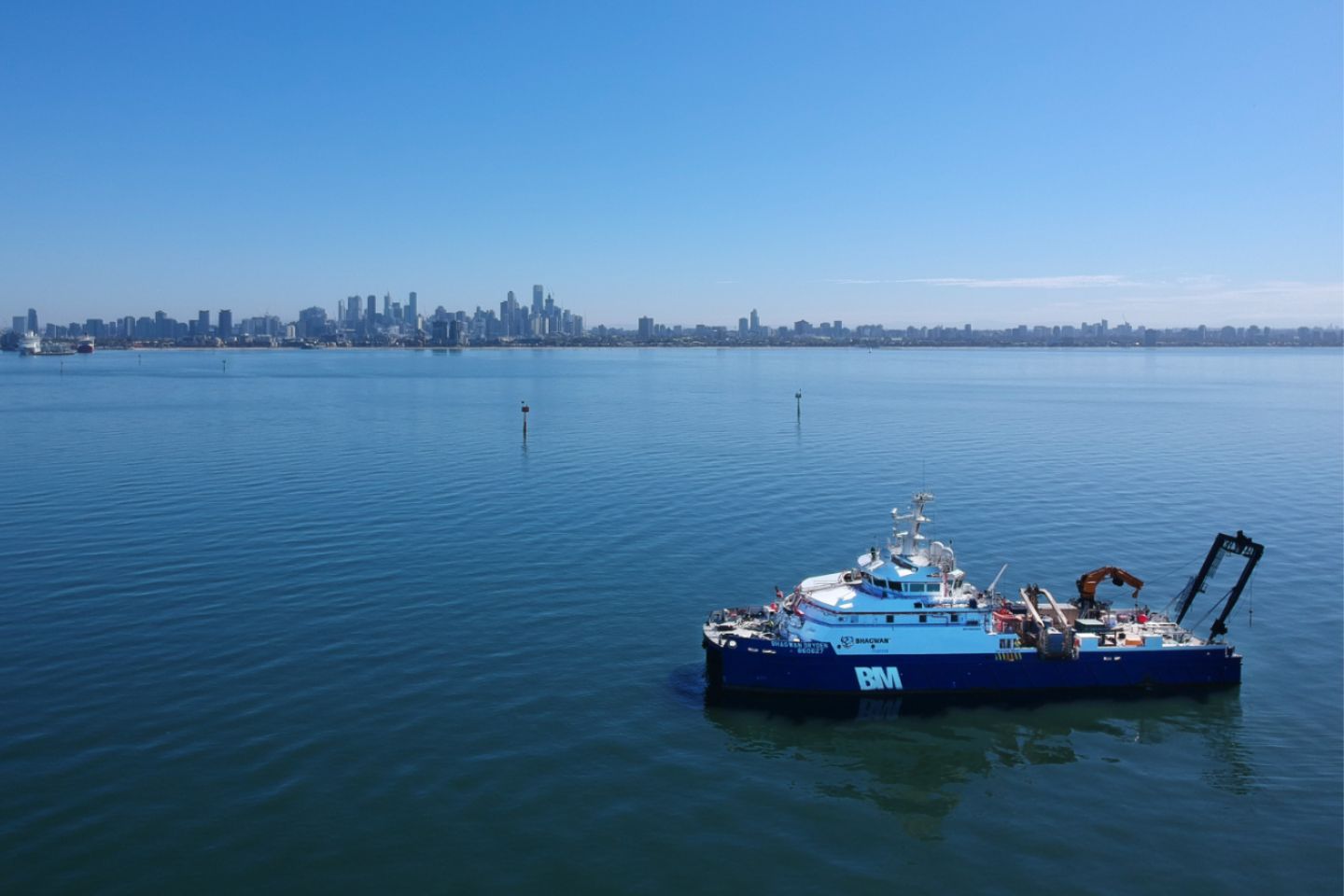
Bhagwan Marine will build on the success of its first-ever decommissioning project, with the award of a contract for works to remove moorings and buoys at Barrow Island.
Fox News contributor Donna Rotunno and Kurt ‘CyberGuy’ Knutsson discuss jury deliberations in the social media addiction trial involving tech giants Meta and Google reaching a seventh day on ‘The Bottom Line.’
Meta is cutting roughly 700 jobs on Wednesday, a source familiar with the matter confirmed to FOX Business.
The layoffs are expected to affect several key areas, including Reality Labs, Facebook, recruiting operations and sales, the source said.
Advertisement
A spokesperson for the company said the layoffs are part of ongoing restructuring efforts, noting that the tech giant regularly adjusts its workforce to better align with its goals.
In this photo illustration, the app icons of Facebook, Messenger, Instagram, WhatsApp and Oculus VR are displayed on a smartphone screen with a Meta logo. (Onur Dogman/SOPA Images/LightRocket via Getty Images / Getty Images)
The company is also working to place some affected employees into other roles where possible.
“Teams across Meta regularly restructure or implement changes to ensure they’re in the best position to achieve their goals,” the spokesperson said. “Where possible, we are finding other opportunities for employees whose positions may be impacted.”
Advertisement
The move comes as Meta faces financial pressure tied to its aggressive investment in artificial intelligence infrastructure, Reuters reported.
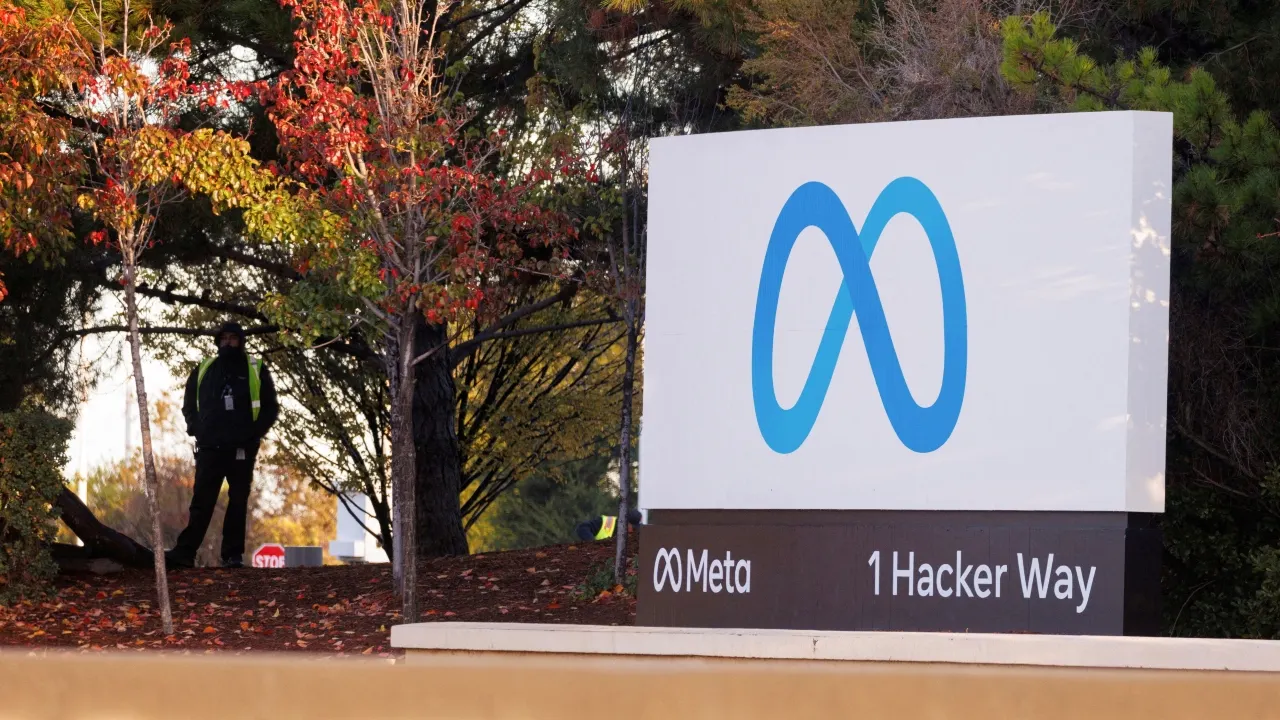
A security guard stands watch by the Meta sign outside the headquarters of Facebook parent company Meta Platforms Inc. in Mountain View, Calif., Nov. 9, 2022. (Reuters/Peter DaSilva/File Photo / Reuters Photos)
Earlier this month, Reuters reported that the tech giant was planning layoffs that could affect 20% or more of its workforce as it looks to offset those costs and improve efficiency through AI-driven tools.
Meta had nearly 79,000 employees as of Dec. 31, according to Reuters.
Meta CEO Mark Zuckerberg leaves the federal courthouse in downtown Los Angeles after defending the company in a landmark social media addiction trial Feb. 19, 2026. (Jon Putman/Anadolu via Getty Images / Getty Images)
The job cuts also come amid legal challenges for the company.
A Los Angeles jury on Wednesday found Meta and Google liable in a closely watched case alleging their platforms were designed to addict young users, awarding $3 million in damages.
Advertisement
FOX Business’ Michael Sinkewicz contributed to this report.
Good evening, and welcome to Quadient’s Full Year 2025 Results Presentation. I am Anne-Sophie Jugean, Quadient’s Head of Investor Relations. Today’s presentation will be hosted by Geoffrey Godet, CEO; and Laurent Du Passage, CFO. The agenda for today’s call is on Slide 3. As usual, there will be an opportunity to ask questions at the end of the presentation. You can submit your questions in writing through the web or ask questions live by dialing into the conference call.
Thank you very much. And with that, over to you, Geoffrey.
Advertisement
Geoffrey Godet CEO & Director
Thank you, Anne-Sophie. Good evening, everyone. So let me start by setting out the market context for Quadient. Over the past few years, we’ve been operating in an environment shaped by powerful structural trends. In 2025, these trends did not change in nature, but they accelerated simultaneously reaching a new level of momentum. So the first one is there is, in ’25, a marked step change in artificial intelligence. Rapid advances in AI are accelerating digitalization across industries and reinforcing the long-term demand for software solution. This is not a short-term phenomenon.
AI is fundamentally reshaping how enterprise automate, secure and scale mission-critical workflows, well beyond any single use — sorry, any single use case and regulatory cycle. What customers increasingly require our software platform that can deliver value quickly, integrate AI natively, including agents and responsibly into system of records and reliably operate within complex legal, regulatory and data security environment. In this context, AI-driven digitalization spans our entire digital portfolio from
When Meta (META) started building their Superintelligence team (MSL) in mid-2025, I certainly expected to see faster progress than what we have seen from them so far. I wonder if the Llama 4 fiasco, as well as the backlash



















































You must be logged in to post a comment Login