
Business
Lawhive raises $60m to scale AI-native consumer law firm in the US


UK-founded legaltech business Lawhive has raised $60 million (£47m) in Series B funding as it accelerates its expansion across the US consumer legal market and doubles down on its AI-driven operating model.
The round was led by Mitch Rales, co-founder of Danaher Corporation, one of the world’s most successful public companies. Existing and new backers participating in the round include TQ Ventures, GV, Balderton Capital, Jigsaw, Anton Levy and LTS.
The raise comes less than a year after Lawhive secured $40 million in Series A funding and caps a period of rapid growth for the company. Lawhive has now surpassed $35 million in annualised revenue, having grown sevenfold over the past 12 months, and is operating in 35 US states, with plans to expand nationwide.
Founded to tackle inefficiencies in consumer legal services, Lawhive is targeting one of the largest and most fragmented markets in the US. Consumer legal services generate an estimated $200 billion in annual revenue, yet industry research suggests up to $1 trillion in legal needs go unmet each year due to high costs, slow processes and heavy reliance on manual workflows.
Everyday legal matters such as family law, landlord and tenant disputes and employment claims remain expensive and unpredictable for consumers, while lawyers are constrained by legacy systems and administrative overheads. Lawhive’s response has been to build what it describes as the world’s first AI-native consumer law firm, powered by its proprietary AI operating system.
The platform automates large parts of the legal workflow, including document drafting, legal research, case management, client onboarding and payments. Its AI paralegal, Lawrence, works alongside lawyers and support teams, enabling cases to be handled more quickly, consistently and at lower cost. The model now supports more than 450 lawyers across the US and UK.
Lawhive entered the US market in mid-2025 and has seen rapid adoption, making it the company’s fastest-growing region. Alongside its existing Austin base, the business is opening a New York office to support the next phase of growth.
Pierre Proner, co-founder and CEO of Lawhive, said the pace of growth reflects the scale of the problem the company is addressing. “Everyday legal matters remain costly and unpredictable for millions of people, while lawyers are held back by manual processes that limit their ability to scale. AI is finally making it possible to deliver consumer legal services with the speed and consistency people expect. Demand in the US has been exceptionally strong, and this funding allows us to build on that momentum.”
In the UK, Lawhive expanded its footprint last year through the acquisition of Woodstock Legal Services, and the company now plans to replicate its vertically integrated model across the US, where the market is dominated by thousands of small firms lacking modern infrastructure.
Investors say Lawhive stands out for combining strong technology with an operating model designed to scale. Mitch Rales said the business was “democratising legal services” by widening access to transparent, high-quality legal support. “We share a long-term mindset and are building Lawhive for the decades ahead,” he added.

Amy Ingham
Amy is a newly qualified journalist specialising in business journalism at Business Matters with responsibility for news content for what is now the UK’s largest print and online source of current business news.

Business
Micron Technology, Inc. 2026 Q2 – Results – Earnings Call Presentation (NASDAQ:MU) 2026-03-19

Q2: 2026-03-18 Earnings Summary
EPS of $12.20 beats by $3.47
| Revenue of $23.86B (196.29% Y/Y) beats by $4.35B

Seeking Alpha’s transcripts team is responsible for the development of all of our transcript-related projects. We currently publish thousands of quarterly earnings calls per quarter on our site and are continuing to grow and expand our coverage. The purpose of this profile is to allow us to share with our readers new transcript-related developments. Thanks, SA Transcripts Team
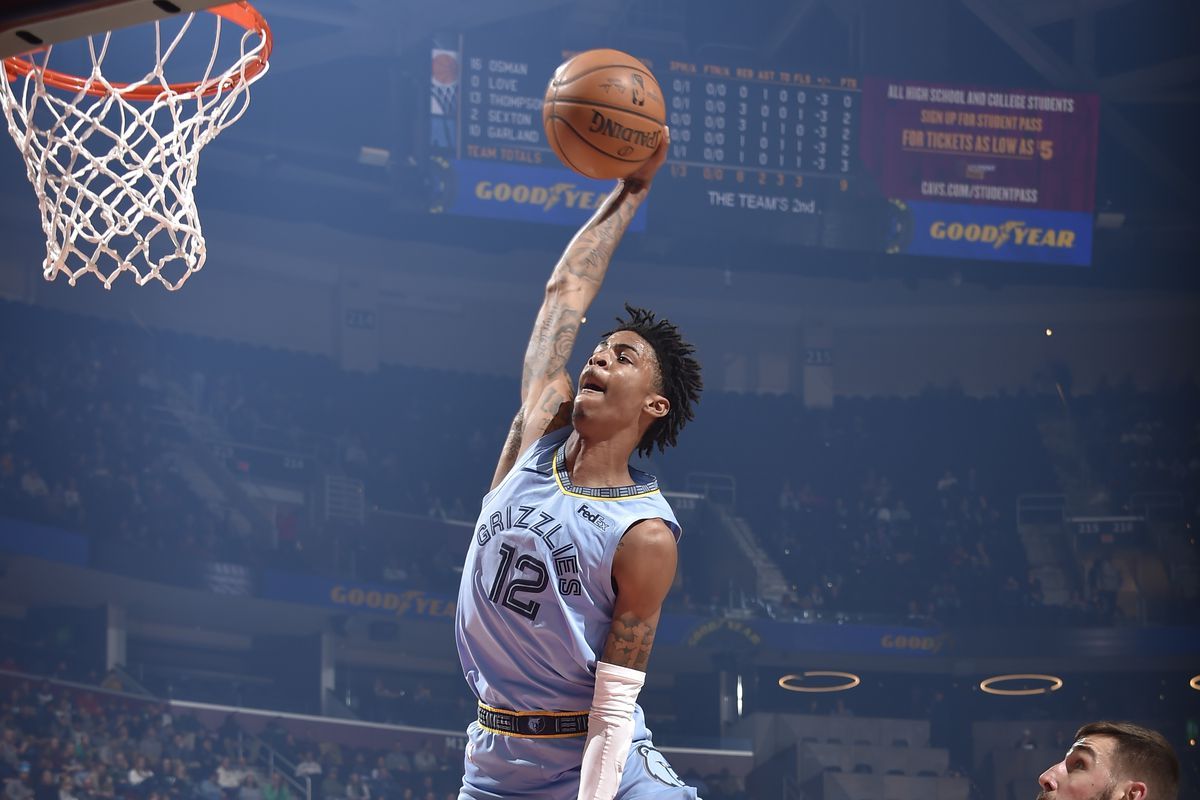
MEMPHIS, Tenn. — Nike Basketball and Memphis Grizzlies star Ja Morant have partnered with the iconic “Jurassic Park” franchise to launch a themed sneaker pack for the Nike Ja 3, blending cinematic nostalgia with high-performance basketball design.

The collaboration, unveiled in mid-March 2026, features two distinct colorways — the “Raptor” and “Explorer” — inspired by the 1993 Steven Spielberg film and its enduring legacy. The pack draws from Morant’s personal affinity for the movie series, channeling elements like Velociraptor motifs, amber fossils and classic park branding into the signature silhouette.
The Nike Ja 3 “Raptor” (style code IU7240-001) adopts a menacing anthracite base with yellow ochre and bright crimson accents, mimicking the scaly texture and predatory vibe of the film’s raptors. Jagged overlays fade from golden yellow to dark grey, evoking dinosaur skin, while red “blood” accents on the branding add intensity. The tongue features the classic Jurassic Park logo in red, and the insoles display a duo of Velociraptors — one per shoe — that combine for a full scene when paired.
The “Explorer” (IU7240-300) pays homage to the iconic Jurassic Park tour vehicles, with a tropical-inspired palette including green and earthy tones. Details replicate the truck’s rugged aesthetic, complete with park emblems and subtle nods to the film’s adventure elements.
Both pairs include collectible extras: custom graphic insoles forming a dinosaur panorama, amber egg-shaped hangtags preserving Morant’s logo like the movie’s DNA-trapped mosquito, and special packaging that extends the theme. The design continues the narrative-driven approach that has defined the Ja 3 line since its 2025 debut, with Morant emphasizing personal storytelling in his signatures.
The pack releases Friday, April 10, 2026, at 10 a.m. ET via Nike SNKRS, Nike.com and select retailers. Pricing starts at $135 for men’s sizes, $112 for big kids (GS) and $97 for little kids (PS). Full-family sizing ensures accessibility for collectors and young fans alike.
The collaboration arrives amid a strong rollout for the Ja 3, Morant’s third signature model. Since launching in August 2025, the shoe has gained traction for its low-to-the-ground feel, responsive cushioning and bold aesthetics tailored to Morant’s explosive style. Earlier 2026 drops included playful themes and homages, but the Jurassic Park pack stands out for its scale and cultural tie-in.
Morant, sidelined at times this season due to injuries, has remained a creative force off the court. He has teased unreleased Ja 3 looks on social media, building hype for upcoming releases. The “Jurassic Park” project marks one of his most ambitious co-design efforts, blending his love for the franchise with Nike’s storytelling expertise.
Sneaker enthusiasts and film fans have reacted positively to the reveal, with early images generating buzz on platforms like Instagram and X. Commentators praise the attention to detail — from the amber hangtag to the combined insole art — as elevating the pack beyond typical athlete collabs.
The drop aligns with broader trends in basketball footwear, where narrative-driven partnerships increasingly dominate. Nike’s success with licensed IP collaborations, including past film and pop culture tie-ins, positions this pack for strong demand.
As April 10 approaches, anticipation builds for what could be one of the standout releases of 2026. For Morant, the project reinforces his influence in sneaker culture, extending his impact beyond the hardwood.

Bitcoin price today: slides below $71k as traders pare Fed cut bets

The state government has appointed a state fuel controller to oversee the distribution of petrol and diesel supplies, particularly to the regions, where shortages are becoming more evident.
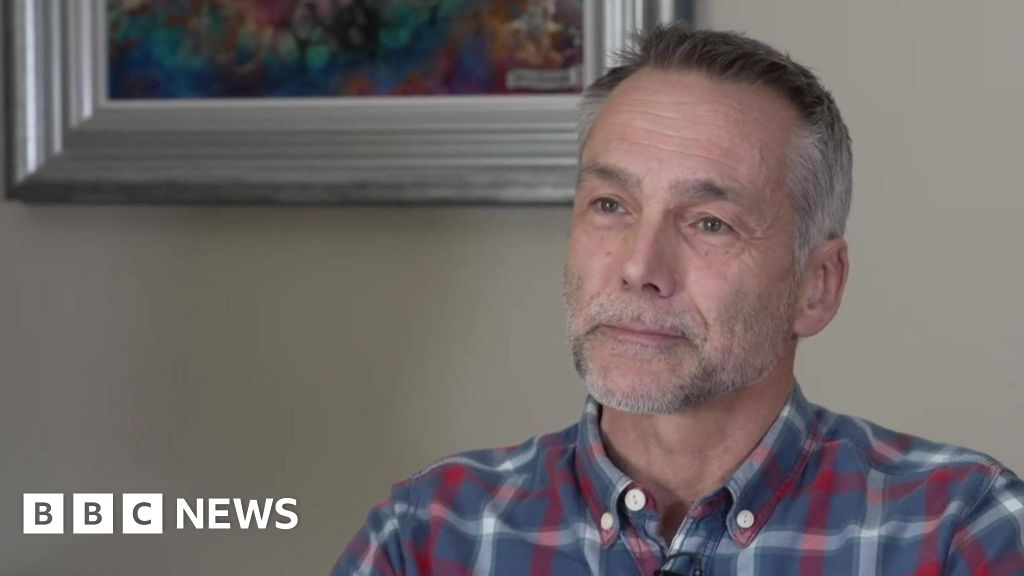
Lawrence Salvoni worries not only about the price he has to pay, but the security of his supply.
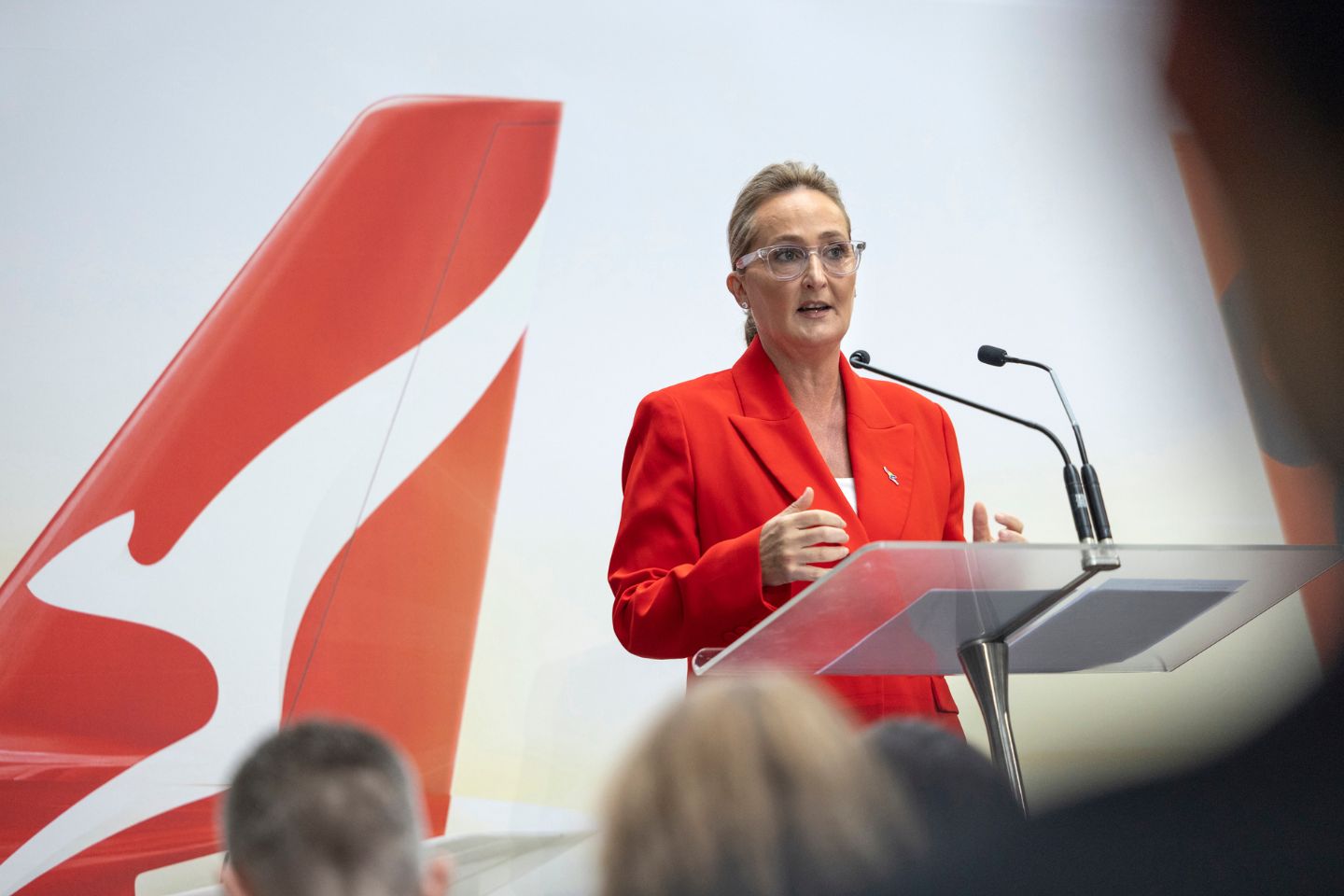
Qantas Group reports $1.46b profit and announces sweeping reset for Frequent Flyer program.

The scheme provides £500 to support low-income families welcoming a new baby in the London borough.
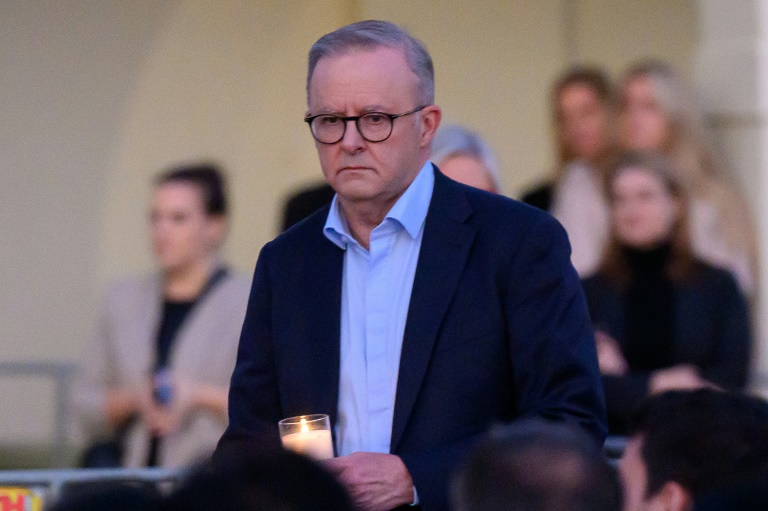

Prime Minister Anthony Albanese is assuring Australians that the country’s fuel supply is secure amidst the ongoing Iran war.
His assurance comes as the Australian Competition and Consumer Commission (ACCC) announced that it will be investigating the country’s major fuel suppliers.
Fuel Supply Is Secure, Says Albanese
According to a report by Sky News, Albanese has reminded Australians to only take fuel that they need and avoid hoarding.
“I want to assure Australians at this time that Australia is well prepared. Our fuel supply is currently secure. However, I want us to be over prepared,” said the prime minister.
“I reiterate today my message to Australians is please do not take more fuel than you need,” he added. “That is how you can help. That is the Australian way.”
Albanese has also assured that more measures that will help Australians will be announced in the coming days
ACCC Announces Investigation on Major Fuel Suppliers
His comments come just as the ACCC announced that it is investigating major fuel suppliers in the country over alleged anti-competitive conduct. Albanese has confirmed that the investigation has been launched and that he is aware of it.
According to The Guardian, among the major fuel suppliers that will be investigated are Ampol, BP, Mobil and Viva Energy.
As part of the investigation, the ACCC will look into reports about diesel availability for independent wholesalers and distributors in regional and rural parts of the country.
“It is not our usual practice to publicly announce investigations, but given the significance of the issue, the ACCC is confirming this enforcement investigation,” ACCC Chair Gina Cass-Gottlieb said in a statement.
“It is important that fuel market participants and the community know that we are closely watching market conduct in relation to all fuels and we will not hesitate to act swiftly to enforce Australia’s competition and consumer laws,” she added.
Business
‘A buy-on-dips pick’: Why HDFC Bank is getting backing from analysts despite management blip
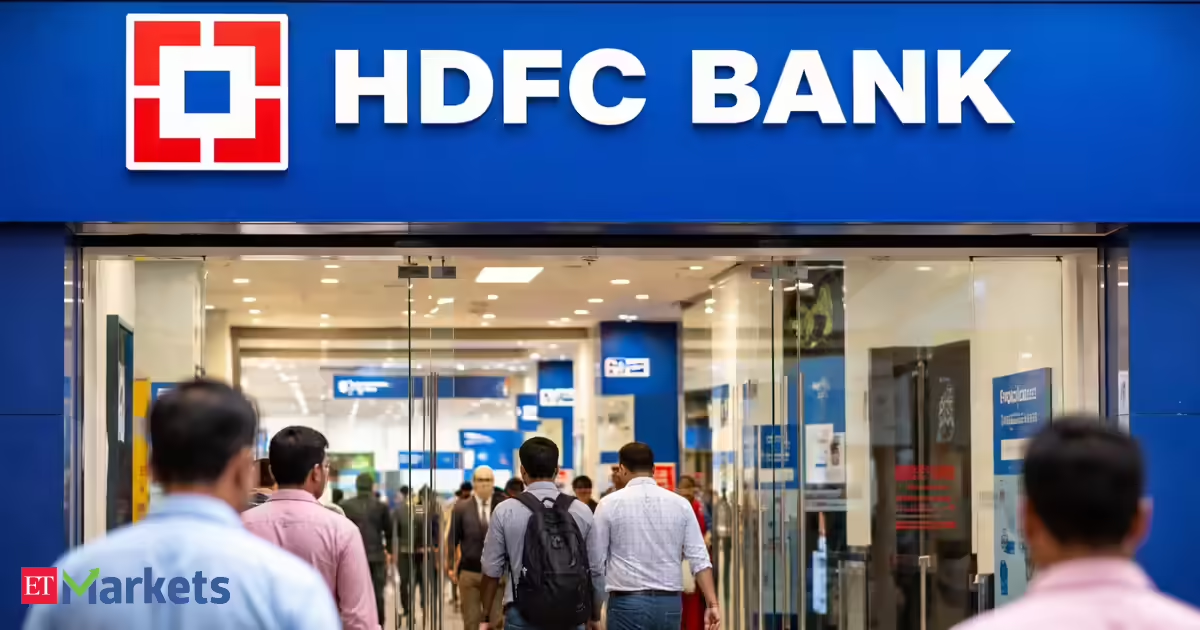
Market analyst Deven Choksey said that the correction has brought the bank into a deep value zone, though he acknowledged that a governance discount may now be factored into valuations. However, most analysts tracking the situation do not see the development as a fundamental concern.
Ishan Tanna of Ashika Capital said that the exit appears more like a tactical opportunity. “The recent resignation of the Chairman looks more like a buy-on-dips opportunity rather than a structural concern,” he said, adding that the bank’s long-standing reputation for strong governance and processes offers comfort.
Read More: Rs 1 lakh crore wiped off! HDFC Bank shares slump 9%, set to record worst day since Covid crash
Tanna also pointed to management commentary suggesting that the issue was not linked to regulatory or compliance lapses. “It seems to be more about differences in value systems, and not related to any regulatory or compliance problems,” he said.

This iew is broadly echoed across the street. According to sources cited by ET Now, Chakraborty’s resignation was not triggered by any concerns from the Reserve Bank of India, but followed prolonged differences over certain practices that did not align with his personal values.
Paresh Bhagat, CIO at Veer Growth Fund, noted that the development should be viewed in context. “We view the resignation… as non-material to HDFC’s fundamentals. The absence of any stated business or financial concerns reinforces that this is a governance-level change rather than an operational signal,” he said.He added that continuity at the top management level remains intact, which is critical for execution. “Leadership continuity under MD and CEO Sashidhar Jagdishan remains intact, and the presence of Keki Mistry provides further governance stability,” Bhagat noted.
The bank has also sought to reassure investors. In an analyst call, management emphasised operational continuity and indicated that the exit does not impact the bank’s day-to-day functioning or long-term strategy.
That said, some governance experts have called for greater transparency. Shriram Subramanian of InGovern said the bank should provide more clarity on the circumstances surrounding the resignation, even suggesting that both the company and the regulator should issue detailed statements to address investor concerns.
The uncertainty stems from Chakraborty’s resignation letter, in which he cited practices that were “not in congruence” with his personal values and ethics, without elaborating further. The lack of specifics has led to questions, even as the absence of regulatory triggers has prevented panic.
From a broader perspective, analysts note that HDFC Bank’s core fundamentals remain intact. The bank continues to benefit from strong retail franchise, stable asset quality and long-term growth potential following its merger with HDFC.
While the benefits of the merger are still playing out, the institution remains one of the most closely tracked financial stocks in India, with valuation sensitivity often driving short-term price movements.
For now, the market appears to be pricing in a limited governance overhang without significantly altering the long-term thesis.

Malaysia and Indonesia are key Southeast Asian LNG exporters, with established infrastructure and growing opportunities, benefiting from regional demand and providing transportation advantages to Northeast Asian markets.
Malaysia and Indonesia: Key LNG Exporters in Southeast Asia
Malaysia and Indonesia are among Southeast Asia’s leading LNG exporters, supplying major energy importers across Northeast Asia for decades. Malaysia’s LNG industry is centered around substantial liquefaction facilities in Sarawak, while Indonesia’s exports are managed through major terminals in East Kalimantan and West Papua. These nations together hold a significant share of ASEAN’s LNG export capacity, playing a vital role in regional energy trade and ensuring regional energy security.
Investment Opportunities in the Regional LNG Sector
For international investors, Malaysia and Indonesia present unique opportunities. Malaysia’s market offers investments linked to its established export infrastructure, offshore gas production, and LNG trading operations. Conversely, Indonesia’s prospects are expanding, driven by new upstream gas discoveries, large-scale LNG projects, and rising domestic demand, which creates a dynamic environment for future growth and investment.
Growing Demand and Competitive Advantage in Asia
Both countries benefit from the rapid increase in global LNG supply and Asia’s growing demand. Southeast Asian LNG shipments, reaching Northeast Asia within three to six days, enjoy a transportation advantage over US Gulf Coast cargoes, which take 20-30 days. Malaysia exports around 26-27 million tonnes annually, while Indonesia exports approximately 15-16 million tonnes, mainly to Japan, China, and South Korea, reinforcing their strategic importance in the region’s energy landscape.
Read the original article : ASEAN’s LNG Export Leaders: Investment and Energy Trade Opportunities in Malaysia and Indonesia
Other People are Reading
Zoinks! “Scooby-Doo” live-action Netflix cast revealed

How the Tories are planning a strategic defence review in opposition

UK weather: Warm settled weather set to continue into the weekend


-
 Crypto World5 days ago
HYPE Token Enters Net Deflation as HyperCore Buybacks Outpace Staking Rewards
-

 Tech3 days ago
Your Legally Registered ‘Motorcycle’ Might Not Count Under Proposed US Law
-

 Fashion6 days ago
Weekend Open Thread: Addict Lip Glow
-
 Tech2 days ago
Are Split Spacebars the Next Big Gaming Keyboard Trend?
-
Sports5 days ago
Why Duke and Michigan Are Dead Even Entering Selection Sunday
-

 Business3 days ago
Search for Savannah Guthrie’s Mother Enters Seventh Week with No Arrests
-

 Business5 days ago
US Airports Launch Donation Drives for Unpaid TSA Workers as Partial Government Shutdown Enters Fifth Week
-
Crypto World5 days ago
Coinbase and Bybit in Investment Talks: Could Bybit Finally Enter the US Crypto Market?
-

 Business3 days ago
Australian shares drop as Iran war enters third week
-

 Business5 days ago
Country star Brantley Gilbert enters growing non-alcoholic beer market
-

 Crypto World3 days ago
Crypto Lender BlockFills Enters Chapter 11 with Up to $500M in Liabilities
-

 Sports5 days ago
College Basketball Best Bets: Conference Tournament Semifinal Picks
-

 Politics21 hours ago
The House | The new register to protect children from their abusers shows Parliament at its best
-
 Business6 days ago
Trump demands Powell cut rates as Iran conflict raises energy prices
-

 Fashion3 days ago
25 Celebrities with Curly Hair That Are Naturally Beautiful
-

 News Videos14 hours ago
RBA board divided on rate cut, unusually buoyant share market | Finance Report | ABC NEWS
-

 Crypto World6 days ago
Senate Votes to Include CBDC Ban in Bipartisan Housing Bill
-

 NewsBeat6 days ago
Deane Road crash near Bolton colleges and university
-

 News Videos6 days ago
Tom Lee: The 100x Opportunity EVEN Bigger Than Bitcoin (New Ethereum Prediction 2026)
-

 Crypto World14 hours ago
Canada’s FINTRAC revokes registrations of 23 crypto MSBs in AML crackdown


You must be logged in to post a comment Login