Luka Dončić, the NBA’s leading scorer, limped off the court late in the first half of the Los Angeles Lakers’ matchup against the Philadelphia 76ers on Thursday night and was ruled out for the remainder of the game with left leg soreness.
The superstar guard played just 16 minutes, scoring 10 points on 3-for-10 shooting to go with four rebounds, two assists and a frustrating five turnovers before clutching the back of his left leg and heading to the locker room with 3:03 left in the second quarter. Dončić did not return after halftime, with Rui Hachimura stepping into the starting lineup alongside LeBron James as the Lakers trailed by double digits.
Dončić’s troubling limp sparks hamstring fears
Witnesses described Dončić visibly grimacing and kicking the scorer’s table in frustration as he exited, later appearing distraught in the tunnel on Spectrum SportsNet’s broadcast. The Lakers initially listed the issue as “left leg soreness,” but a source told ESPN that Dončić is scheduled for an MRI on his left hamstring Friday to assess the severity.
This marks the latest blow to a Lakers season plagued by injuries to their star trio. Dončić has already missed eight games with various leg ailments, while LeBron James sat out the first 14 contests with sciatica and Austin Reaves just returned Tuesday from a 19-game absence due to a left calf strain. Thursday marked only the 10th game this season with James, Dončić and Reaves all available together.
Advertisement
The timing could not be worse for Los Angeles, sitting at 30-19 and clinging to sixth place in a brutal Western Conference where every game impacts playoff seeding. With four games remaining before next weekend’s All-Star break—including a marquee home date against the Golden State Warriors on Saturday—the Lakers face a critical stretch without their 33.4 points-per-game leader.
Lakers’ nightmare first half without their engine
Dončić’s early exit compounded a dismal opening for Los Angeles, which fell behind by as many as 11 points in the first quarter against a 76ers team missing Joel Embiid but surging behind Tyrese Maxey and Quentin Grimes. Through 16 minutes, Dončić struggled with five turnovers—a season high in a half—highlighting uncharacteristic sloppiness before the injury sidelined him.
In his absence, James shouldered primary playmaking duties, while Reaves—fresh off his calf recovery—joined Hachimura and Jake LaRavia in elevated roles. Marcus Smart remained sidelined with a lumbar strain, further thinning the Lakers’ bench depth. Coach JJ Redick turned to secondary creators like LaRavia and Smart’s replacement to stabilize the offense, but Philadelphia’s perimeter defense exploited the Lakers’ shorthanded attack.
Dončić’s seamless transition powers Lakers’ rise
Since arriving in a blockbuster trade last summer, Dončić has transformed the Lakers into legitimate contenders, leading the league in scoring (33.4 ppg), assists (8.7 apg) and rebounds (7.9 rpg) for a franchise chasing its first title since 2020. His chemistry with James—forged through mutual respect and on-court synergy—has been a revelation, with James recently praising Dončić’s basketball IQ and competitive fire.
Advertisement
The duo’s partnership peaked during a January surge that vaulted Los Angeles into playoff position, bolstered by Redick’s acquisition of sharpshooter Luke Kennard at the trade deadline. Dončić’s absence exposes the Lakers’ heavy reliance on his 40-plus minutes of usage, a dynamic that propelled them past Oklahoma City and Denver but leaves them vulnerable to targeted defenses like Philadelphia’s.
Injury-plagued season tests Lakers’ depth
Los Angeles entered Thursday healthier than at any point this year, with Reaves’ Tuesday return marking the first full-strength lineup in months. James’ sciatica recovery and Dončić’s prior durability had fueled optimism for a pre-All-Star push, but the hamstring scare reignites concerns about load management and playoff readiness.
Team medical staff will prioritize caution ahead of the All-Star break, potentially sitting Dončić out of Phoenix if imaging reveals even minor damage. “We’ve been banged up all year,” James said postgame. “Luka carries us every night. We’ll rally around him like he does for us.” Redick echoed that sentiment, emphasizing Hachimura’s versatility and Reaves’ emergence as key factors in any extended absence.
76ers seize momentum in injury-riddled Eastern clash
Philadelphia capitalized immediately, extending the lead to 15 by halftime behind Maxey’s 22 first-half points and Grimes’ opportunistic defense. Without Embiid, the Sixers leaned on VJ Edgecombe’s bench spark and Kelly Oubre Jr.’s two-way play, exposing Lakers’ interior weaknesses absent Dončić’s gravity.
Advertisement
The matchup pitted two injury-decimated contenders, with Philadelphia holding seventh in the East at 13-9 despite Embiid’s inconsistent availability. Maxey’s recent explosion—coupled with Edgecombe’s rookie flashes—has kept the Sixers afloat, making Thursday’s win a statement in their own seeding battle.
What an MRI means for Dončić’s outlook
Hamstring strains represent a nightmare for high-usage guards like Dončić, whose herky-jerky style and 35-plus minutes per game accelerate recovery timelines. Mild strains typically sideline players 1-2 weeks; moderate tears require 4-6 weeks. Given Dončić’s history—eight prior leg absences—the Lakers will err conservative, especially with the All-Star break offering forced rest.
Friday’s MRI will clarify severity, but sources indicate optimism for a short-term absence barring structural damage. Dončić’s track record of rapid returns bodes well, though Redick faces tough rotations against Golden State, where Stephen Curry awaits.
Lakers’ contingency plans lean on James-Reaves core
Without Dončić, expect James (averaging 28.4 ppg) to eclipse 40 minutes, with Reaves handling point-of-attack creation post-calf scare. Hachimura’s midrange game and LaRavia’s hustle provide balance, while Kennard’s deadline addition offers spacing absent Dončić’s pick-and-roll mastery.
Advertisement
Redick’s adjustments will test the coaching staff’s adaptability, a strength during James’ early absences. “We’ve prepared for every scenario,” Redick said pregame. “Luka’s our heartbeat, but this group’s deeper than people think.” Saturday’s Warriors tilt—potentially without Dončić—looms as the ultimate referendum on those contingency plans.
Fan frenzy and national ripple effects
Social media erupted post-exit, with #PrayForLuka trending amid Lakers fans’ injury fatigue. National pundits framed the scare as a Western Conference pivot, with Denver and Oklahoma City lurking should Los Angeles stumble. Dončić’s visible anguish—pounding the table, tunnel meltdown—underscored his passion, endearing him further to a fanbase starved for sustained health.
As imaging looms Friday, the Lakers hold collective breath. Dončić’s seamless integration has redefined their ceiling; his potential absence recalibrates expectations heading into the marathon’s final turn. For now, James carries the load, Reaves steps up and Purple & Gold faithful brace for answers.
The Big Money Show panel discusses the alarming new analysis showing Social Security and Medicare racing toward insolvency and warns that retirees face steep benefit cuts unless Washington acts fast.
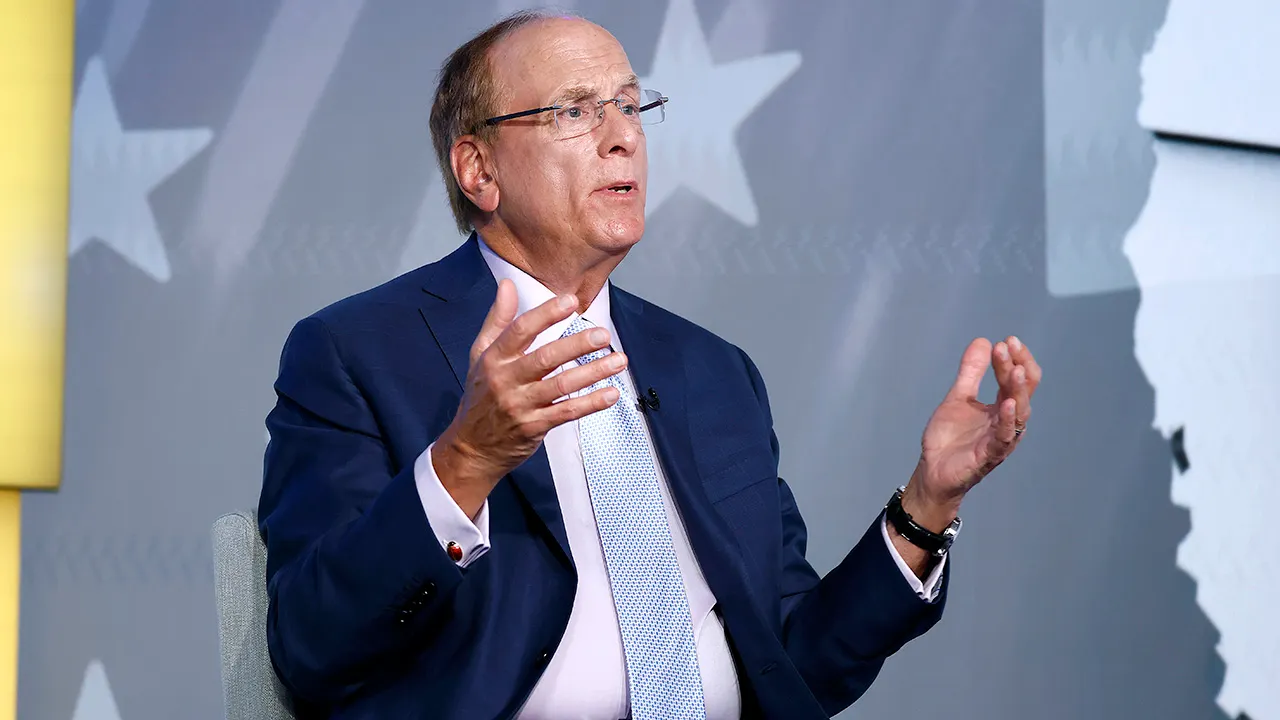
BlackRock CEO Larry Fink discussed possible Social Security reforms that would allow more Americans to benefit from the growth in the stock market while also ensuring the program is strengthened so it can survive to serve future generations.
Fink’s recently released annual chairman’s letter touched on how Social Security is “one of the most effective poverty-prevention programs in history” and that while it provides stability, it “doesn’t allow most Americans to build wealth in a way that grows their country.”
Advertisement
“Today, the system operates largely on a pay-as-you-go basis. Payroll taxes are used to pay current retirees, and the Social Security trust fund is invested primarily in U.S. Treasury bonds. In effect, workers lend money to the government and receive defined benefits in return.”
“The structure, designed as a social insurance program, emphasizes stability and predictability. What it doesn’t do is let people grow their benefits along with the broader economy. The question is whether the Social Security system could allow both,” Fink said.
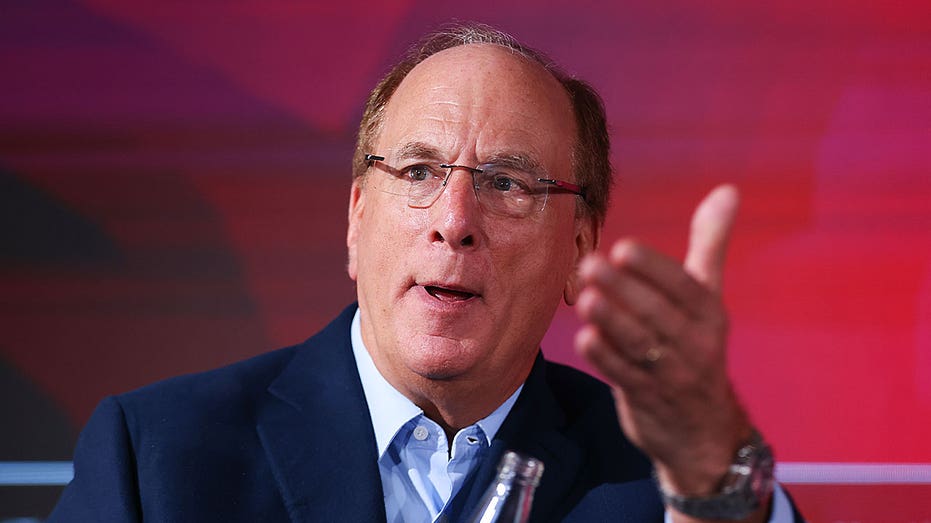
BlackRock CEO Larry Fink said that Americans need to discuss ways to reform Social Security ahead of its insolvency. (Hollie Adams/Bloomberg via Getty Images)
He said that this could be accomplished by asking whether a portion of the system could be invested “carefully, broadly, and over decades” like other long-term pension systems.
Advertisement
“This would not mean privatizing Social Security or putting it all into the stock market,” Fink wrote. “It would mean introducing a measure of diversification, similar in principle to the federal Thrift Savings Plan, which manages retirement savings for millions of federal employees.”
“The goal would be to strengthen the system over time while preserving its core guarantees,” he added.
Social Security’s main trust fund is on a path to insolvency in less than a decade, when benefits would be automatically cut to match payroll tax revenue. (Getty Images/iStock)
Fink noted a bipartisan proposal from Sens. Bill Cassidy, R-La., and Tim Kaine, D-Va., that would create a new investment fund that operates parallel to the existing trust fund rather than replacing it while investing in a diversified mix of stocks and bonds to generate higher returns.
Advertisement
The proposal would require an initial investment of about $1.5 trillion and would be given 75 years to grow, and during that period the Treasury would continue covering Social Security benefits.
Once the fund matures, it would repay the Treasury and then supplement payroll taxes going forward to help close the gap between what the Social Security system takes in and what it pays out – while no one on Social Security or nearing retirement would see a change to their benefits.
Fink also noted that about six million Americans who are employed by state and local governments don’t currently contribute to Social Security and instead rely on public pension systems that invest in diversified portfolios.
Other examples of alternative pension systems can be found overseas, with Australia’s superannuation system representing an approach that invests retirement contributions in the financial markets. Fink said that a “similar, carefully structured approach could be considered to strengthen Social Security.”
“I understand why any talk of changing Social Security makes people uneasy. Social Security is a core promise, and people rightly believe it should be honored. But under the current system, doing nothing could very well break that promise,” he said.
“Current projections show the trust fund won’t be able to pay full benefits by 2033. Many young Americans doubt they’ll ever fully see theirs,” he explained. “Addressing that gap will likely require multiple solutions. But thoughtful, long-term investing could be one of them.”
An analysis by the nonpartisan Committee for a Responsible Federal Budget (CRFB) noted that when Social Security’s main trust fund reaches insolvency – which is projected to occur in 2032 – federal law requires benefits be cut to match revenue from payroll taxes, which would amount to a roughly 24% cut for beneficiaries.
Fink noted that his chairman’s letter two years ago was focused on rethinking retirement and generated criticism for suggesting that Social Security was in need of reforms. He acknowledged that the latest letter may do the same, but said it’s a conversation that needs to be had.
“In my 50 years in finance, if there’s one thing I’ve learned, it’s that the problems we don’t talk about are the ones that should worry us most. And that’s exactly why we need the conversation now – because the cost of waiting is only getting higher,” he said.
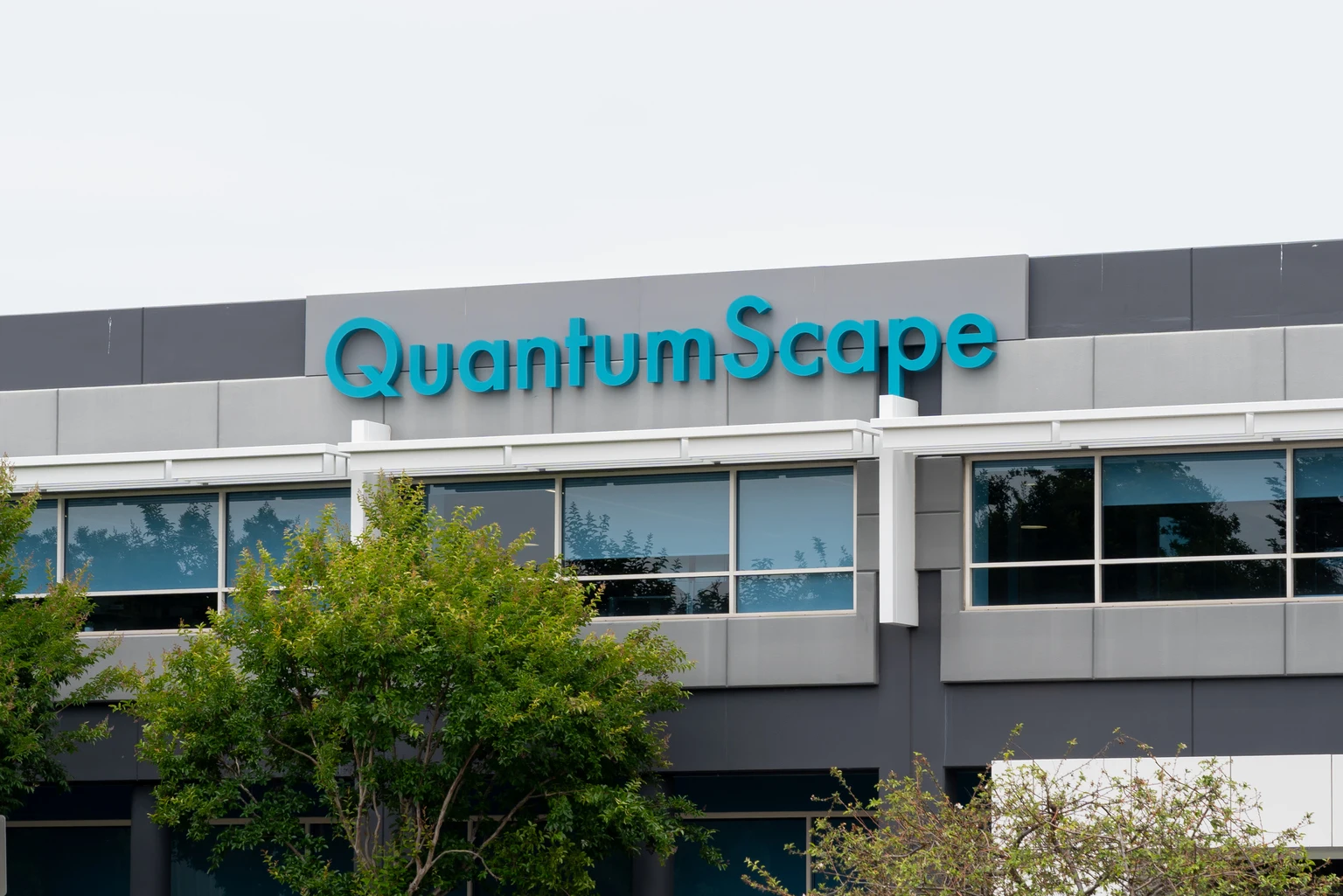
QuantumScape’s (QS) recent board appointment may prove more important than the headline suggests.
According to the company’s March 5 announcement, QuantumScape added Ross Niebergall to its board, an executive with deep ties across the defense industrial
New Delhi: Commerce and industry minister Piyush Goyal and US Trade Representative Jamieson Greer on Friday discussed next steps in negotiations for a proposed bilateral trade agreement on the sidelines of the 14th ministerial conference of the World Trade Organization in Yaounde, Cameroon.
Goyal also met his Chinese counterpart Wang Wentao.
This was their first in-person meeting since the US Supreme Court on February 20 struck down reciprocal tariffs imposed under the International Emergency Economic Powers Act (IEEPA).
The US subsequently imposed a 10% tariff on all countries for 150 days from February 24.
“Had a very productive discussion with @USTradeRep Jamieson Greer on the sidelines of the WTO Ministerial Conference. Exchanged views on the #WTOMC14 agenda, next steps in the India-US BTA negotiations and explored ways to further deepen our economic cooperation and bilateral trade ties,” Goyal said on X.
Advertisement
Live Events
The two sides had announced a trade deal on February 2, with a target to sign it by March. In a joint statement on February 7, the US withdrew a 25% penal tariff on India for buying Russian oil, with the remaining 25% tariffs to be reduced to 18%. Goyal discussed bilateral trade issues with his Chinese counterpart. “Met Mr. Wang Wentao, Minister of Commerce of China, on the sidelines of the #WTOMC14. Exchanged views on the MC-14 agenda and discussed bilateral trade matters,” Goyal said in a social media post.The meeting comes as India’s trade deficit with China crossed $100 billion during the first 11 months of the current fiscal year.
New Delhi: Finance minister Nirmala Sitharaman on Friday said the government will step up efforts to mobilise additional resources and remain vigilant in managing the fiscal deficit, even as it shields consumers from a surge in crude oil prices.
She ruled out any plan to impose a lockdown amid the West Asia conflict and urged political leaders to avoid spreading rumours and fear. “Going forward, we will continue to ramp up our efforts in mobilising additional non-tax revenues, and our government will remain on its toes to carefully manage the country’s fiscal position,” she said while replying to a discussion on the Finance Bill in the Rajya Sabha. The House later passed the Finance Bill by voice vote, returning it to the Lok Sabha and completing the budget process for the fiscal year beginning April 1.
Sitharaman said retail fuel prices have remained unchanged despite global crude prices rising from $70 to $122 a barrel within a month. “We are making sure that people of India don’t suffer,” she said, adding that the government’s broader strategy is to shield citizens while sustaining growth.
The government on Friday cut excise duty on petrol by Rs 10 per litre and reduced diesel duty to zero, while imposing export taxes on refiners to ensure domestic availability. The minister said the government is actively responding to the evolving situation and that Friday’s duty cuts are aimed at preventing the global price surge from feeding into domestic inflation and volatility. The duty cuts will lead to a revenue loss of about ₹7,000 crore, she said. Sitharaman said the move was necessary as oil marketing companies were incurring losses of about ₹24 per litre on petrol and ₹13 per litre on diesel.
New GDP series
Advertisement
Live Events
On criticism of the new GDP series, Sitharaman said “these are routine exercises” and have been undertaken nine times since Independence. She said the new series, based on more than 300 data sources and 1,400 variables, integrates GST data, digital financial flows and labour surveys to improve accuracy and real-time tracking of economic activity.
TUCSON, Ariz. — The search for Nancy Guthrie, the 84-year-old mother of NBC “Today” show co-anchor Savannah Guthrie, stretched into its 55th day Friday with authorities reporting no significant breakthroughs and her whereabouts remaining unknown more than seven weeks after she vanished from her home in the Catalina Foothills suburb of Tucson.
Nancy Guthrie
Guthrie was last seen alive on the evening of Jan. 31 when a family member dropped her off at her residence, according to the Pima County Sheriff’s Department. She failed to appear the next day, Feb. 1, at a friend’s house for a virtual church service, prompting family members to report her missing around noon.
Investigators believe the deeply religious widow was abducted from her bed in the late night or early morning hours. Security camera footage from her property captured a masked, armed individual approaching the home around 2 a.m., and her pacemaker app disconnected from her phone at approximately 2:28 a.m. A doorbell camera reportedly went offline shortly before.
Pima County Sheriff Chris Nanos has described the case as an apparent abduction, saying it appeared someone took Guthrie against her will. No arrests have been made, and law enforcement has not publicly identified any suspects. Family members, including Savannah Guthrie and her siblings, have been cleared of any involvement.
Investigation Yields Clues but Few Answers
The FBI and local authorities have poured significant resources into the case, conducting extensive searches of the surrounding desert areas with drones, helicopters, cadaver dogs and volunteer teams. Hundreds of agents have followed up on more than 3,000 tips, though officials say many have not panned out.
Advertisement
Evidence collected includes biological material and DNA found at Guthrie’s home, which is undergoing forensic analysis, including genetic genealogy testing. Gloves discovered near the property were traced to a local restaurant employee but yielded no immediate breakthrough. A mysterious vehicle captured on a neighbor’s Ring camera is also under review.
Reports of possible ransom demands, including notes sent to media outlets and Bitcoin requests, have surfaced, but authorities have not confirmed their authenticity or provided details. An internet outage in the area on the night of the disappearance has also drawn scrutiny.
Sheriff Nanos has said investigators are “definitely closer” to identifying a suspect or suspects as they shift from broad public appeals to more focused forensic work, but he cautioned that progress can be slow in such cases.
The case has drawn intense national and international attention, largely because of Savannah Guthrie’s high-profile role on the “Today” show. In her first public interview since the disappearance, Savannah told NBC’s Hoda Kotb that the ordeal has been “unbearable” agony for the family. She expressed sorrow, wondering aloud if her fame might have made her mother a target.
Advertisement
“I just want to say I’m so sorry, mommy,” Savannah said in emotional remarks.
Family Offers Massive Reward, Issues New Plea
On Feb. 24, the Guthrie family announced a $1 million private reward for information leading to Nancy’s safe return, supplementing the FBI’s existing $100,000 reward. The announcement generated a surge of new tips.
Last weekend, the family renewed its public appeal, urging Tucson residents and others to review home security footage, text messages, notes or any memories from the period between Jan. 31 and Feb. 2. “No detail is too small,” they said in a statement.
Savannah Guthrie is scheduled to return to the “Today” show on April 6, describing it as her “purpose right now” while the search continues. Hoda Kotb has been filling in during her absence.
Advertisement
Nancy Guthrie, a widow whose husband Charles died in 1988, was known as a devoted mother and grandmother who lived a quiet life in the affluent Catalina Foothills neighborhood. She had three children, including Savannah, and maintained strong ties to her church community.
Case Highlights Challenges in Missing Persons Investigations
Experts have noted that Guthrie’s disappearance stands out for several reasons: the advanced age of the victim, the apparent targeted home invasion in a relatively safe suburb, and the lack of immediate motive. Abductions of elderly individuals are statistically rare compared with other demographics.
The intense media coverage has spotlighted the broader issue of missing persons cases in the United States, where thousands vanish each year, many without the resources or attention afforded to high-profile cases. Some advocates have referred to a “Nancy Guthrie Effect,” suggesting the publicity has helped renew focus on other unsolved disappearances.
Mental health professionals say the prolonged uncertainty inflicts deep trauma on families, compounding grief with constant “what if” scenarios. The Guthrie family has spoken about the emotional roller coaster of hope mixed with despair.
Advertisement
What Lies Ahead
As the investigation enters its eighth week, authorities continue to treat the case as active and ongoing. Searches have scaled back in some areas, with cadaver dog efforts paused, but forensic work and tip follow-ups persist.
No leading theory has been publicly confirmed, and officials stress they are exploring all possibilities, including foul play tied to ransom or other motives.
President Donald Trump previously commented on the case, stating that anyone responsible would face “the most severe” penalties if Guthrie is found harmed.
For the Guthrie family and investigators alike, the priority remains bringing Nancy home safely or providing answers. Tips can be submitted to the Pima County Sheriff’s Department or the FBI.
Advertisement
The disappearance has transformed a quiet residential street into a focal point of national curiosity, with yellow ribbons tied to trees as symbols of hope and support.
Neighbors have reported increased vigilance, and some have questioned whether the case points to vulnerabilities in home security even in upscale areas.
As days turn into weeks without resolution, the Guthrie family’s public pleas underscore a simple message: someone may hold the key to finding Nancy, whether through overlooked footage, a suspicious vehicle sighting or a seemingly minor recollection.
Law enforcement officials urge anyone with information, no matter how insignificant it may seem, to come forward immediately.
Advertisement
The case remains a stark reminder of the fragility of safety and the enduring pain of not knowing.
The Leeds-based firm is trying to turn around a fall in sales as it battles big rivals
An Asda store(Image: MMassel via Getty Images)
Supermarket chain Asda still has “plenty to do” in its turnaround after revealing a slump in sales and earnings over the past year, its boss said.
The Leeds firm, the UK’s third largest supermarket chain has revealed that sales, excluding fuel, dropped by 3.3% to £21bn in 2025, compared with a year earlier. It also reported that adjusted earnings tumbled by a third to £764m for the year.
The company is in the middle of turnaround efforts under returning boss Allan Leighton, after losing share in the UK grocery market to rivals including Tesco, Sainsbury’s and Lidl. However, transformation efforts were set back by a botched £1bn IT upgrade last year.
The company said it faced “severe disruption” linked to the IT transition, resulting in reduced product availability and weaker sales. Asda had been separating more than 2,500 legacy IT systems and moving them on to its own platforms since being sold by Walmart, which still holds a 10% stake, to Zuber and Mohsin Issa and private equity firm TDR Capital in 2021.
Advertisement
In the fresh update, Mr Leighton, executive chairman of the business, said sales declined 2.4% in the final quarter of last year as it continued to feel the impact of the IT disruption. But he said the business now has “positive momentum” and is returning to sales growth.
Allan Leighton will return to Asda, this time as executive chair. (Image: WireImage)
“There is plenty to do but there is also plenty of upside,” he said. “We have that momentum and a strong balance sheet to allow us to push forward.”
Asda said availability has now recovered to an eight-year high of 95%, leading to stronger sales in recent months. Total like-for-like sales fell by 1.6% in January and by 1% in February but have grown by 1.2% so far in March.
Mr Leighton added: “As we enter the second year of our turnaround, we have an improved customer offer, stable core systems, a strengthened balance sheet and a strong leadership team to deliver our formula for growth.
Advertisement
“Our progress in key areas like price, availability, and customer satisfaction is edging forwards, reflected in positive like-for-like sales growth in our stores for the last two months.”


















































You must be logged in to post a comment Login