
Business
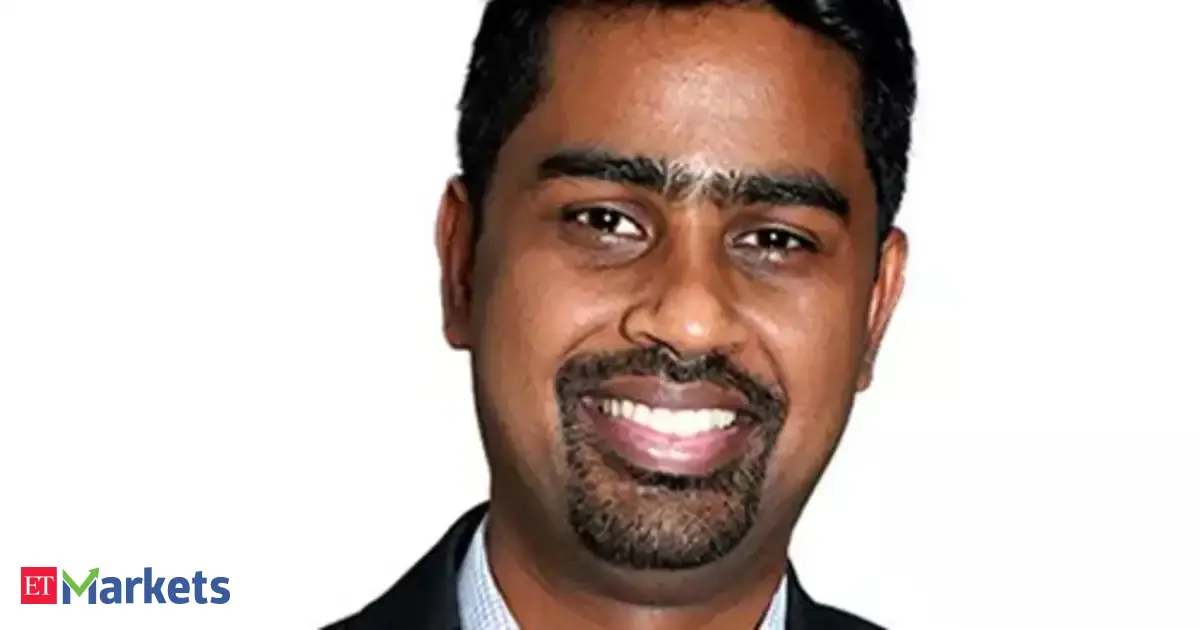
LRS limits, TCS rules and fund caps continue to shape global investing decisions in 2026: Alekh Yadav

Limits under the Liberalised Remittance Scheme (LRS), higher Tax Collected at Source (TCS) requirements, and capacity caps on India-domiciled international funds have emerged as key bottlenecks, influencing both access and allocation strategies.
In an interaction, Alekh Yadav, Head of Investment Products at Sanctum Wealth, explains how these factors are impacting investor behaviour, even as interest in global themes such as AI, technology and defence continues to rise amid domestic market underperformance and a weakening rupee. Edited Excerpts –
Q) Thanks for taking the time out. Global investing has become popular in the past few years, especially in India. What does data suggest? The growth is seen in the number of investors opting for global diversification.
A) Investor interest in global investing has risen steadily, reflected in the growth of AUM in domestic overseas-focused funds and increased use of the LRS route.

Key drivers include improved investor awareness of the benefits of geographical diversification, periods of relative underperformance in Indian markets, and the long-term depreciation of the INR, which can enhance USD returns.
However, available avenues remain limited. Many India-domiciled global funds have reached RBI-mandated AUM limits and are not accepting fresh inflows, while LRS, especially with the added TCS requirements, remains complex for many investors. These constraints have restricted broader adoption of global investing.
Q) As we step in 2026 – are you seeing a noticeable rise in outbound investments queries from your clients despite domestic markets hitting record highs?
A) Yes, we have seen a significant rise in outbound investment queries over the past year, driven largely by the Indian market’s underperformance relative to global peers.
Additionally, opportunities to invest in AI-focused themes within India remain limited, which has increased interest in global options.
Finally, the notable depreciation of the INR has made investors more aware that a global portfolio could have benefited from this currency movement.
Q) What major global themes are attracting Indian investors today—AI, tech, clean energy, healthcare, commodities?
A) AI, technology, and global defense sectors have been the primary areas of interest for Indian investors seeking overseas opportunities.
There is some emerging interest in clean energy, though it has not yet become a widespread theme.
Q) What key changes under the Liberalised Remittance Scheme (LRS) or other regulations should investors be aware of for 2026?
A) Investors should note that under the LRS scheme, an individual can remit a maximum of USD 250,000 per financial year. Additionally, Tax Collected at Source (TCS) of 20% applies on remittances exceeding INR 10 lakh.
Separately, Indian entities (non-individuals) have been granted a special dispensation allowing them to transfer up to 50% of their net worth from the previous financial year into GIFT City AIFs only.
(Disclaimer: Recommendations, suggestions, views and opinions given by the experts are their own. These do not represent the views of Economic Times)



