
Business
Mashreq is banking on sustainability by leading ESG transformation in the Middle East

With regional governments promoting sustainability via initiatives such as the UAE Energy Strategy 2050, Saudi Green Initiative (SGI), etc., the push for green practices has become commonplace. Businesses are creating specific departments to address climate concerns and implement sustainable practices across the board.
The financial sector is no different. For institutions like Mashreq, one of the region’s oldest banks, Environmental, Social, and Governance (ESG) principles have positively evolved, becoming an integral part of the corporate DNA. Sustainability and responsibility are no longer add-ons—they are now deeply embedded in the organisation’s DNA.
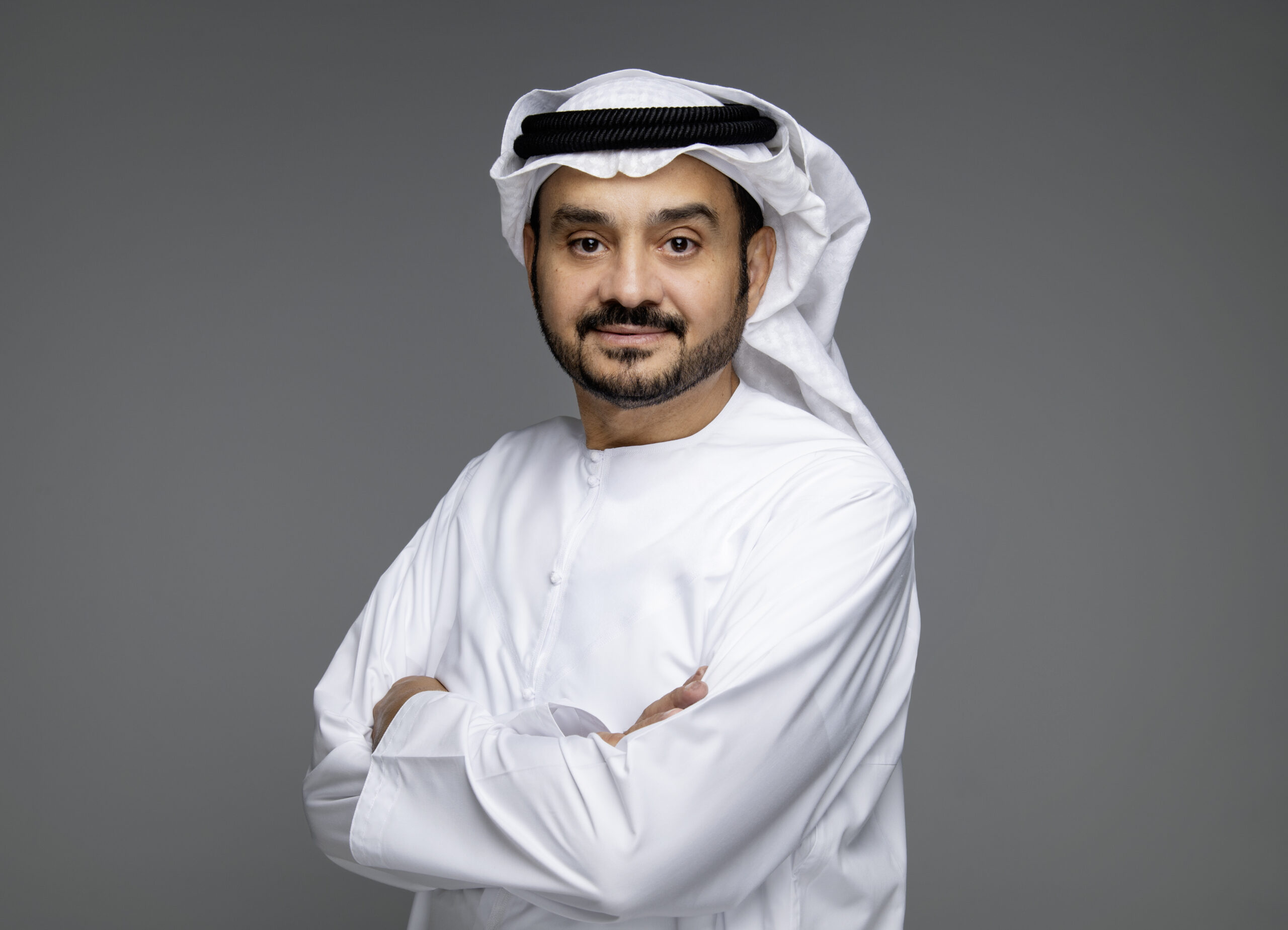
Faisal AlShimmari, Head of ESG at Mashreq, shared insights on how the bank is aligning its operations, products, and purpose to drive sustainability across the UAE and beyond.
A maturing landscape
As countries diversify away from hydrocarbons and invest in sustainability with a broader, human-centric approach that encompasses climate adaptation and holistic well-being., banks are the primary channel through which capital is allocated.
The UAE Centennial Plan 2071 sets forth a bold vision for the nation’s future, complemented by the ambitious UAE Net Zero by 2050 strategy – both reflecting our leadership’s unwavering commitment to sustainable progress. Initiatives like the UAE Banking Federation Pledge on the sidelines of COP28 (a trillion AED sustainable finance pledge from the banking sector), pushing climate action to the forefront, the onus is on financial institutions to lead, not follow. “Leading now allows them to shape standards, access emerging capital flows, and ensure long-term competitiveness in a rapidly evolving financial landscape,” emphasised AlShimmari. At the heart of sustainability lies a simple but powerful truth: it’s about people. Human centricity reminds us to return to the basics—sustainability isn’t just a checklist or a trend, it’s a commitment to fostering human prosperity. By putting people first, businesses can create lasting value that supports communities, drives inclusive growth, and ensures a thriving future for all.
Mashreq is walking the talk by facilitating AED 110 billion (USD$30 billion) in sustainable finance by 2030. “This commitment is already being put into action through landmark transactions such as the USD3.25 billion sustainability-linked facility for GEMS Education and the USD2.5 billion deal for Bapco Energies, where we are facilitating their energy transition, supporting manufacturers, and driving deeper engagement in sustainable practices,” said AlShimmari. The bank’s reach goes beyond traditional lending. By participating in initiatives like the World Green Building Council’s Advancing Net Zero Framework and ensuring responsible banking, Mashreq is leveraging every financial tool to maintain its position as an industry leader and champion of growth. “In April 2025, the bank successfully priced its debut USD500 million Sukuk, marking the first public issuance from the CEEMEA region since the announcement of new U.S. tariffs. Despite heightened volatility, the issuance attracted USD2.9 billion in demand, nearly six times oversubscribed, making it the largest orderbook in Mashreq’s history.”
Catalysing change
The sustainability movement in the UAE is not only leadership-driven but also deeply rooted in the strategic interlinking of ESG principles with the United Nations Sustainable Development Goals (SDGs). Crucially, this effort is supported by robust regulatory frameworks, including Federal Decree-Law No. (11) of 2024 on the reduction of climate change effects, which establishes a comprehensive legal framework for climate action. This law mandates that all entities monitor, report, and manage greenhouse gas emissions, develop climate adaptation plans, and implement sustainable practices, reinforcing the country’s commitment to achieving climate neutrality by 2050.
The law also promotes transparency through a national emissions inventory and encourages participation in carbon credit markets, with significant penalties for non-compliance to ensure accountability. Alongside sectoral developments, such as those in energy and finance, this legislation demonstrates the UAE’s leadership in embedding sustainability into governance and business practices. Supported by initiatives like the Sustainable Finance Working Group chaired by the Ministry of Finance, these measures collectively position the UAE as a regional pioneer in climate governance and sustainable development.
The UAE Net Zero 2050 strategy focuses on six sectors to drive climate action: power, industry, transport, buildings, waste and agriculture. Projects like the Mohammed bin Rashid Al Maktoum Solar Park and Barakah Nuclear Energy Plant show where the capital is flowing. The country is also actively exploring green hydrogen through pilot projects, positioning itself as a future exporter of low-carbon fuels. In construction, sustainable building standards are being adopted, while in transport, efforts to decarbonise logistics networks are gaining momentum.
As per AlShimmari, this shift is possible because commercial opportunity is starting to align with national climate goals. Projects that support net-zero targets are attracting investment and policy support, making them more viable and scalable. “Mandatory ESG reporting frameworks in the UAE now provide more consistency to how companies track and communicate their impact. This is helping businesses align more effectively with national climate goals,” noted AlShimmari. “These developments show that Gulf capital is being mobilised and real assets are being built. Still, important gaps remain, especially around project-level risk, data transparency, and the scalability of early-stage innovation.”
He sees banks as a bridge between ambition and execution. “For projects perceived as high-risk, tools like blended finance and sustainability-linked loans can help shift the risk-return profile and unlock capital for projects that might otherwise struggle to get off the ground. To address data gaps, banks can support clients in adopting recognised ESG reporting standards, use technology to improve data accuracy and traceability, and encourage third-party verification. The ability of banks to engage as advisors, not just lenders, will be critical in moving the entire ecosystem forward.”
Having made significant strides in embedding sustainability into the business strategy, the MENA region is not without its challenges. “One in three companies in the region still faces internal skill gaps that limit their ability to operationalise ESG effectively. This places the region ahead of some emerging markets but still behind global leaders when it comes to integration depth and consistency,” noted AlShimmari.
Mashreq is bridging this gap with advisory services, sustainability-linked products, and a groundbreaking public-private initiative. Mashreq is engaged with government, semi-government and the private sector to launch the UAE ESG Ecosystem Government Accelerator. In alignment with the UAE Government, the Accelerator calls the private sector and public institutions to action, inspiring and pushing the industry forward, and engaging all relevant stakeholders to join these efforts, thereby seeking to move the needle towards Net Zero by 2050 and the UAE’s climate ambitions.
The bank is also leveraging emerging tech to enhance its ESG impact. Mashreq’s partnership with Ecolytic is transforming customer experiences and carbon tracking. “We have embedded carbon tracking into our digital banking platforms, so customers can see the carbon footprint of their spending in real time. Further, we have supported select SMEs in launching fintech initiatives aligned with this objective. A memorandum of understanding was signed to formalize this collaboration; however, the initiative is still in its early stages,” explained AlShimmari.
Returns and rewards
Morgan Stanley Capital International’s long-term analysis found that firms with higher ESG ratings showed stronger financial performance across both developed and emerging markets, even when accounting for differences in size, region, and industry. In addition, companies with higher ESG ratings benefited from lower financing costs. Another review by NYU’s Stern Center for Sustainable Business looked at over 1,000 studies and found that majority showed a positive link between ESG practices and higher financial returns. For Mashreq, the numbers tell a compelling story.
“Our sustainability-linked transactions have consistently attracted strong investor interest. For example, the USD3.25 billion sustainability-linked facility arranged for GEMS Education in 2024 was the largest of its kind in the region at the time and was significantly oversubscribed. This level of demand signals growing investor confidence in ESG-integrated financial instruments. On the operational side, we have achieved LEED Zero Energy certification for our headquarters, reducing long-term energy costs,” noted AlShimmari. These outcomes demonstrate that green investments can yield tangible financial benefits and improve efficiency.
Climb2Change
Sustainability isn’t just about big deals; it’s about creating a community. Mashreq’s Climb2Change initiative brings this philosophy to life. “Climb2Change is a flagship initiative within Mashreq’s ESG strategy, created to bring environmental and social responsibility to life through direct action,” said AlShimmari. “While sustainable finance remains a core pillar of Mashreq’s contribution to the transition, Climb2Change reflects the bank’s belief that lasting impact also comes from being physically present in communities and ecosystems that need support.”
From Nepal, Pakistan and Egypt, the initiative has removed over 6,800 kilograms of waste globally and have made a huge impact on hundreds of local businesses. According to AlShimmari, these results represent the power of collaboration in environmental stewardship.
The mountain clean-up aspect of Climb2Change highlights the transformative power of community engagement and volunteerism. By bringing together Mashreq employees, mountain climbers, influencers, and local volunteers, it fosters hands-on environmental action and collective responsibility. Through meaningful partnerships with local organisations, the initiative not only addresses environmental challenges but also strengthens community bonds – engaging local businesses and residents as active contributors to a shared purpose.
Sustainability and Human Centricity
At its core, Mashreq’s sustainability strategy is grounded in humanity. The bank’s ESG-linked mandates include social metrics, reflecting its broader mission: “Our ESG-linked financing mandates include social indicators alongside environmental targets, and our internal sustainability framework is being built to reflect this broader vision,” emphasied AlShimmari. “At the same time, we are embedding sustainability into our operations and governance. We have adopted international standards, contributed AED 110 billion toward the UAE’s sustainable finance target, and improved our Sustainalytics ESG risk rating significantly over the past year.”
Mashreq’s ESG journey is a model of how financial institutions can combine purpose and profit in a rapidly evolving world. With bold commitments, real-world impact, and a human-centric approach, the bank is not just adapting to the sustainability era, it’s helping define it.
“For us, human centricity is a guiding principle for how we approach every part of our sustainability journey,” concludes Faisal AlShimmari.



