
Business
Mezzanine Flooring for UK SMEs: Growing Without Relocating

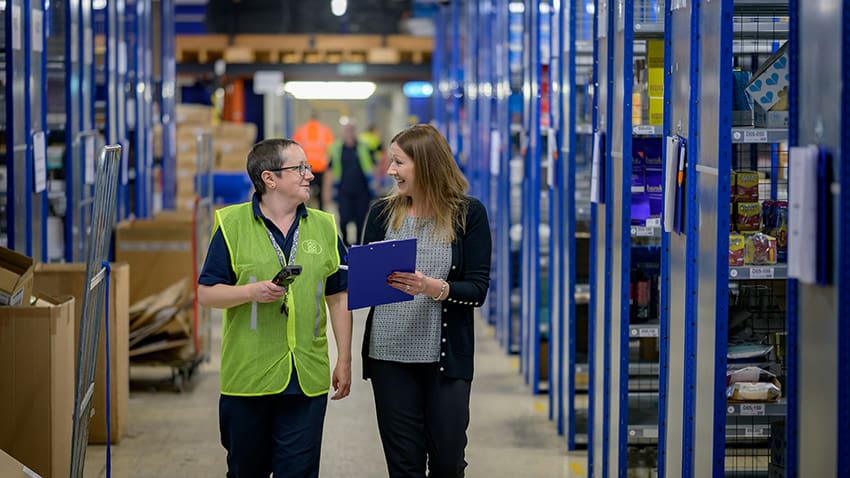
For many UK SMEs, business growth often outpaces the space available within existing premises.
Warehouses become congested, stock increases and teams expand, placing pressure on daily operations. At the same time, relocating to larger premises is expensive and disruptive, making it a risky step for growing businesses.
As a result, more owners are reassessing how well their current buildings are being used. In many industrial and commercial premises, vertical space remains underused. Mezzanine flooring provides a practical way to convert that unused height into working, storage or office space, creating extra capacity without increasing overheads.
This article explains how the solution works and why many UK SMEs use it to support business growth.
What Is Mezzanine Flooring and Why Is It Used in UK Businesses?
A mezzanine floor is a raised, intermediate level installed between the ground floor and ceiling of a building. Unlike permanent floors, mezzanine flooring for commercial and industrial buildings is usually steel-framed and semi-permanent. This means it can be adapted, extended or removed as business needs change, making it a flexible solution for growing businesses.
UK businesses use mezzanine solutions to solve a wide range of space challenges, including:
1. Increasing storage capacity
Warehouse mezzanines are commonly used to create additional storage, picking or packing areas without expanding the building footprint.
2. Supporting manufacturing operations
In manufacturing environments, industrial mezzanine floors can house production lines, equipment or quality control areas while maintaining efficient workflows.
3. Adding office space within existing facilities
In mixed-use buildings, mezzanines are often used to introduce office space without separating teams from day-to-day operations.
4. Responding quickly to growth or demand
Compared with relocating or extending a building, mezzanine floor systems can typically be designed, approved and installed within shorter timescales, minimising disruption.
How Mezzanine Floors Help SMEs Maximise Existing Premises
For SME owners, every square metre of space needs to deliver value. While relocating may seem like the next step when premises feel restrictive, it often brings higher costs and disruption. Mezzanine systems offer a practical alternative by increasing usable space within an existing building.
Many industrial units have generous ceiling heights, with unused vertical space. Installing mezzanine flooring converts this area into a functional workspace for storage, operations or offices. Storage mezzanines increase capacity, while multi-tier mezzanine floors maximise space in high-bay environments.
This flexibility makes mezzanine floors well suited to fast-growing SMEs, allowing businesses to add space as demand increases without committing to a relocation that may exceed short-term needs.
Why Relocating Is No Longer the Default Growth Strategy
Relocating commercial premises has become a complex decision for UK SMEs. Rising property prices, longer lease commitments and limited availability of suitable industrial space make moving costly and uncertain. Beyond the financial impact, relocation can disrupt staff, supply chains and established workflows.
Mezzanine floors allow businesses to grow within their current premises. Capacity can be increased without the downtime associated with moving, helping organisations maintain day-to-day operations. Staying in an established location also preserves logistical advantages and workforce stability.
Benefits of Industrial Mezzanine Flooring for Warehouses
Industrial mezzanine systems are designed for heavy-duty use and offer practical advantages across warehouse, logistics and manufacturing environments.
1. Increased storage capacity
In warehouses and logistics centres, mezzanine floors support pallet storage, shelving, conveyors and order fulfilment operations. Steel construction provides the strength needed for intensive, day-to-day use while fitting into existing layouts.
2. Improved workflow and space
In manufacturing settings, mezzanine flooring allows processes to be separated vertically rather than spread across the factory floor. This helps improve workflow efficiency, reduce congestion and make better use of available space.
3. Safer working environments
Industrial mezzanines can incorporate compliant access, fire protection and safety features, supporting safer working conditions alongside operational efficiency.
4. Seamless integration with existing systems
Mezzanine flooring can be planned alongside racking, partitioning, lighting and electrics. Experienced installers help ensure the finished space is practical, coordinated and fully compliant with operational requirements.
Is Mezzanine Flooring a Long-Term Solution or a Temporary Fix?
A common question for SME decision-makers is whether mezzanine floors are a short-term solution or a lasting investment. In practice, they can be both. While the structure is semi-permanent, modern systems are robust enough to remain in place for many years.
For businesses operating from leased premises, the option to dismantle and relocate a mezzanine floor offers flexibility. For owner-occupiers, a well-designed installation can add value to the property. When mezzanine floors are planned with future growth in mind, they can adapt to changing uses or expansion to multi-tier layouts.
What to Consider Before Installing Mezzanine Flooring
Before installing mezzanine flooring, businesses should review their operational and commercial requirements carefully.
1. Operational suitability
Before installation, businesses should consider load capacity, ceiling height, fire safety requirements and access arrangements. The new space should have a clearly defined purpose and directly support day-to-day operations.
2. Cost and budget
Mezzanine floors are often more cost-effective than relocating, but costs vary depending on size, specification and fit-out requirements. Engaging experienced mezzanine floor installers early helps set realistic budgets and delivery times.
3. Compliance and building regulations
While full planning permission is not always required, building control approval is usually necessary. Professional mezzanine flooring installers can manage this process, ensuring compliance and reducing the administrative burden on internal teams.
Mezzanine Flooring as a Strategic Business Investment
For UK SMEs managing growth in uncertain conditions, mezzanine floors offer a practical way to increase capacity without overextending financially. They support better use of existing space while addressing operational priorities around safety, efficiency and workflow.
When viewed as a space-planning choice instead of a construction project, mezzanine floors enable companies to adapt to demand and enhance productivity gradually. This offers a sustainable growth solution for SME leaders aiming to expand without causing unnecessary disruption.



