
Business
Middle East event organisers face growing pressure to deliver multilingual experiences – report

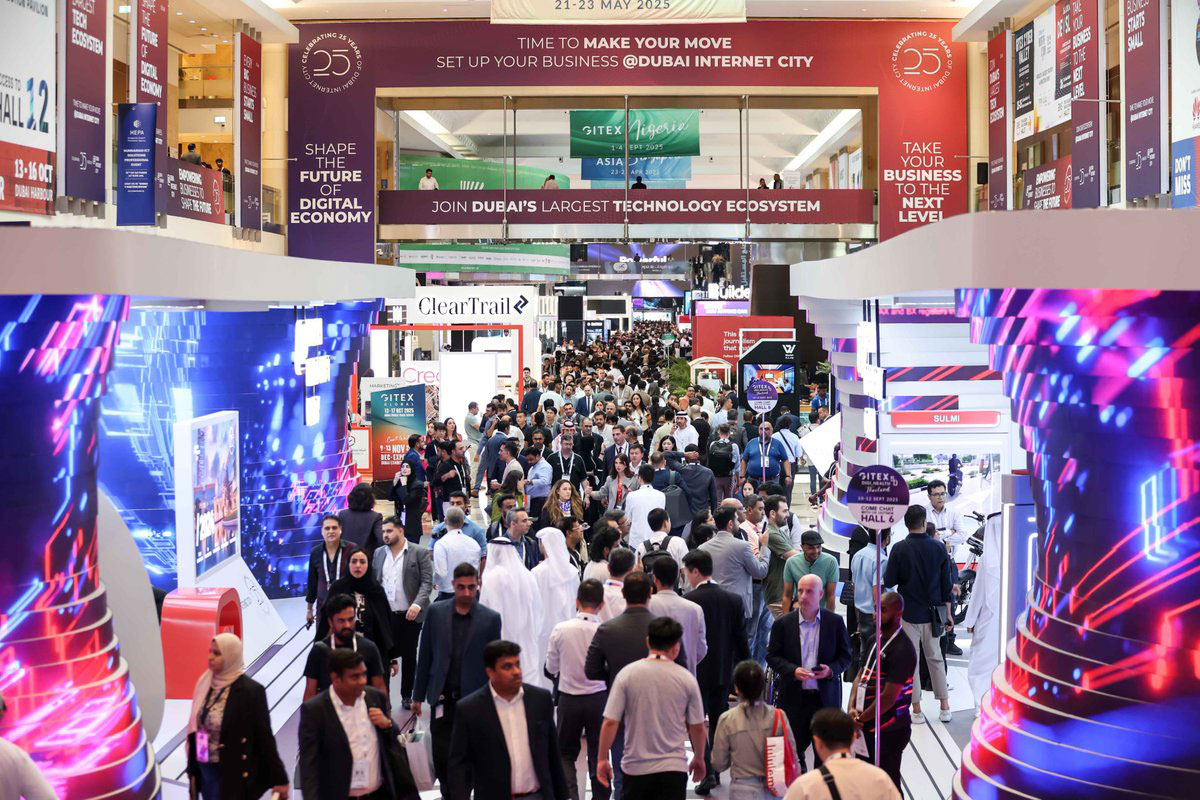
New research from multilingual event technology company Interprefy has found that a majority of event organisers in the Middle East are increasingly frustrated by the lack of live translation at international events, even as demand for multilingual access continues to rise.
The study, Accelerating Global Communication, surveyed 387 decision-makers in the UAE, Saudi Arabia, Qatar and Bahrain across the events, marketing, project management and learning sectors. It found that 86 per cent of business event organisers report high demand for live interpretation, but 45 per cent remain unfamiliar with Remote Simultaneous Interpretation (RSI) technology and 38 per cent have never used multilingual captioning.
According to the report, 85 per cent of Middle East organisers attending international events said the absence of real-time translation limited their ability to engage in their native language, with 52 per cent describing their frustration as “very high.”
“Access to language should be viewed as access to opportunities,” said Oddmund Braaten, CEO at Interprefy. “As more businesses in the Middle East expand westward and global firms host events in the region, language access becomes critical. Without real-time multilingual support, participation, engagement and inclusivity all suffer.”
While many organisers see the benefits of multilingual services, concerns remain over AI-generated captions: 55 per cent worry about accuracy and 49 per cent about data confidentiality. Despite this, 98 per cent of respondents said they are likely to adopt real-time translation services in their future events, with top priorities including webinars (63 per cent), business meetings (58 per cent) and company-wide sessions (56 per cent).
Braaten added: “The Middle East is at a turning point. Event organisers understand the value of real-time language access, but they need guidance on how to integrate RSI and AI translation solutions securely and strategically. This isn’t just about technology—it’s about creating inclusive experiences where everyone can contribute.”
The report concludes that rising global accessibility expectations, including new standards such as the European Accessibility Act (EAA), are reshaping event design.
Interprefy notes that Middle Eastern organisers have an opportunity to become leaders in inclusive, multilingual events by increasing awareness, improving AI trust and accuracy, and aligning with global accessibility benchmarks.
The global multilingual interpretation market is projected to reach US$20.47 billion by 2025, with human interpretation services growing 25.5 per cent year-on-year from 2023 to 2024, driven by demand at international conferences, government events and cross-border business meetings.



