
Business
MRMW MENA 2025 aims to bridge human insight and AI technology in the Middle East

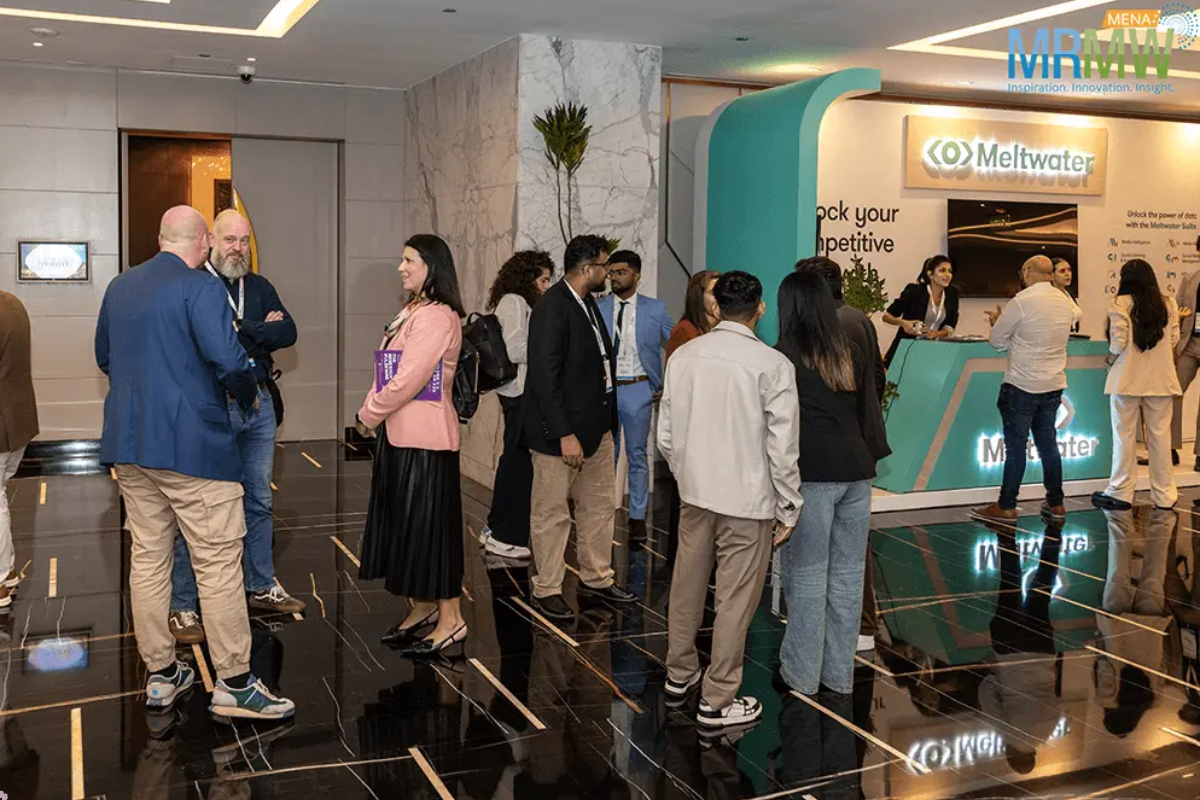
Market research in the Middle East is entering a new phase with Artificial Intelligence (AI) playing a significant role in reshaping how companies understand consumers. Modern technology has allowed businesses to gather so much data about people, both potential consumers and otherwise, but what AI cannot replace is the human judgment behind it. MRMW MENA 2025 aims to bridge the two, to explore how empathy and technology can work together in an industry undergoing rapid change.
While the global conversation is more focused on AI automation and efficiency, MRMW MENA 2025 is shifting the attention to something more contextual. The conference’s theme, “Reshaping Research: AI, Empathy & Scale in the Middle East,” is asking the hows and whys behind the insight.
“AI is top of mind for many professionals,” said Jens Cornelissen, Managing Director of MRMW MENA 2025. “But there are also important discussions about the influence – and impact – of people on this transformation.”
The interpretation of market research will heavily affect the customer experience community, which is how you scale research without losing the cultural nuance that defines the Middle East.
“The biggest challenge in the MENA region is finding the right balance between cultural nuance and technological scale,” he said. “On one hand, there’s still a reluctance to share personal data and limited trust in how it’s used. On the other hand, the market is highly fragmented, with different players holding different pieces of the consumer journey, making it difficult to generate a complete and consistent view.”
Feedback from last year’s edition revealed that the insights retrieved from the MENA region differ significantly from its counterparts in Asia, Europe and the US. This year, organisers responded by broadening the agenda. “We are really offering a much wider range of topics for participants,” Cornelissen said.
“This year’s edition features a broader range of professional backgrounds, offering insights into CX, UX, as well as classic market research topics,” he added.
The lineup backs that purpose. Sessions span from AI strategy and application to the emotional and consumer experience, including a live demo by Rafik Boshra of Givaudan exploring “the emotions behind tastes,” which is a live demonstration showing how sensory tools are used to experience the emotional impact of food.
The opening keynote, delivered by Sayantan Sarkar of Mondelēz International, will map out where the industry is heading over the next decade, while the conference’s signature “failure panel” invites senior leaders to reflect openly on their mistakes, an approach that, as Cornelissen put it, is “fun but also highly educational.”
MENA remains about connection as much as content. “First of all, it’s about community and learning,” Cornelissen said. “MRMW is the only event for the industry in the region and offers a unique opportunity for the local community to connect and interact.” Attendees can expect case studies from brands including Unilever, Philips, Al Safi Danone, and Sharjah Cooperative Society, covering everything from business transformation to product launches.
“The next big shift will combine very future-driven changes around AI, with a new focus on localisation and culture,” Cornelissen said. “The Middle East is not a copy of Western markets — it’s defining its own digital and cultural path.” With one of the world’s youngest populations and accelerating digital adoption, the potential for hyper-personalised, authentic brand experiences is enormous.



