
Business
Neutral outlook, strong growth: Fitch says GCC set for robust 2026

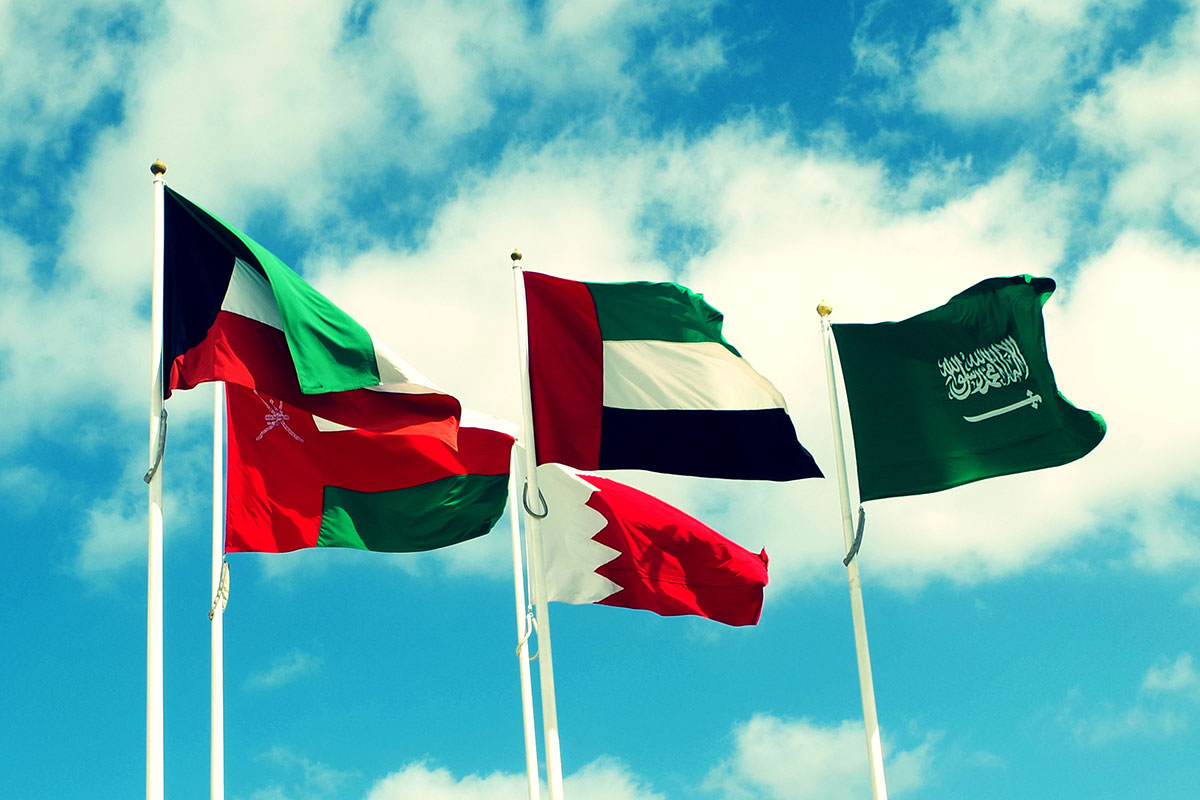
Fitch Ratings has issued a neutral outlook for Middle East and North Africa (MENA) sovereigns in 2026, but said the Gulf Cooperation Council (GCC) economies are positioned for solid growth next year, supported by higher oil production, strong reform momentum and rising non-oil activity.
The agency said the economic picture for the GCC remains broadly positive despite ongoing geopolitical risks.
Paul Gamble, Head of Middle East and Africa Sovereigns, said: “Fitch’s ‘neutral’ outlook for MENA sovereigns for 2026, balances fairly stable oil prices, solid economic growth and some fiscal reform against ongoing political and geopolitical risks.”
GCC economies poised for expansion
Fitch forecasts Brent crude to average US$63 a barrel in 2026. Although lower than this year, the price remains manageable for most Gulf producers. Higher output and continued diversification are expected to lift GDP across the GCC, with Abu Dhabi forecast to grow by 6.8 per cent and Ras Al Khaimah by 7.7 per cent due to larger oil quotas and investment projects.
The UAE and Saudi Arabia are expected to record some of the fastest expansion rates in the region.
The agency said non-oil growth remains strong across the GCC, supported by government and government-related entity spending, investment programmes and structural reform. Inflation is expected to stay in the low single digits, although rental inflation may persist in some markets.
Of the 14 sovereigns Fitch rates in the region, 11 have stable outlooks. Oman retains a positive outlook as it continues multi-year deleveraging and strengthens its external position. Tunisia recorded the only rating upgrade in 2025 following improvements to its external financing outlook.
Fitch said the region’s economies have shown resilience despite recent geopolitical tensions. It does not expect a return to large-scale military operations in Gaza and considers a broader regional conflict to be unlikely. Greater stability would support confidence and benefit economies such as Jordan and Egypt through stronger tourism inflows.
The agency expects investment and diversification efforts across the GCC to keep the region among the largest issuers in global debt markets next year. Government-related entities will continue to play a central role in development financing, although many sovereigns are prioritising balance sheet optimisation and asset sales to support fiscal strength.
Fitch concluded that while the overall outlook for MENA sovereigns remains neutral, the GCC’s reform momentum, investment climate and economic resilience position the region for a robust performance in 2026.



