
Business
Oman announces Aviation Strategy 2040 to drive airport growth, investment and connectivity

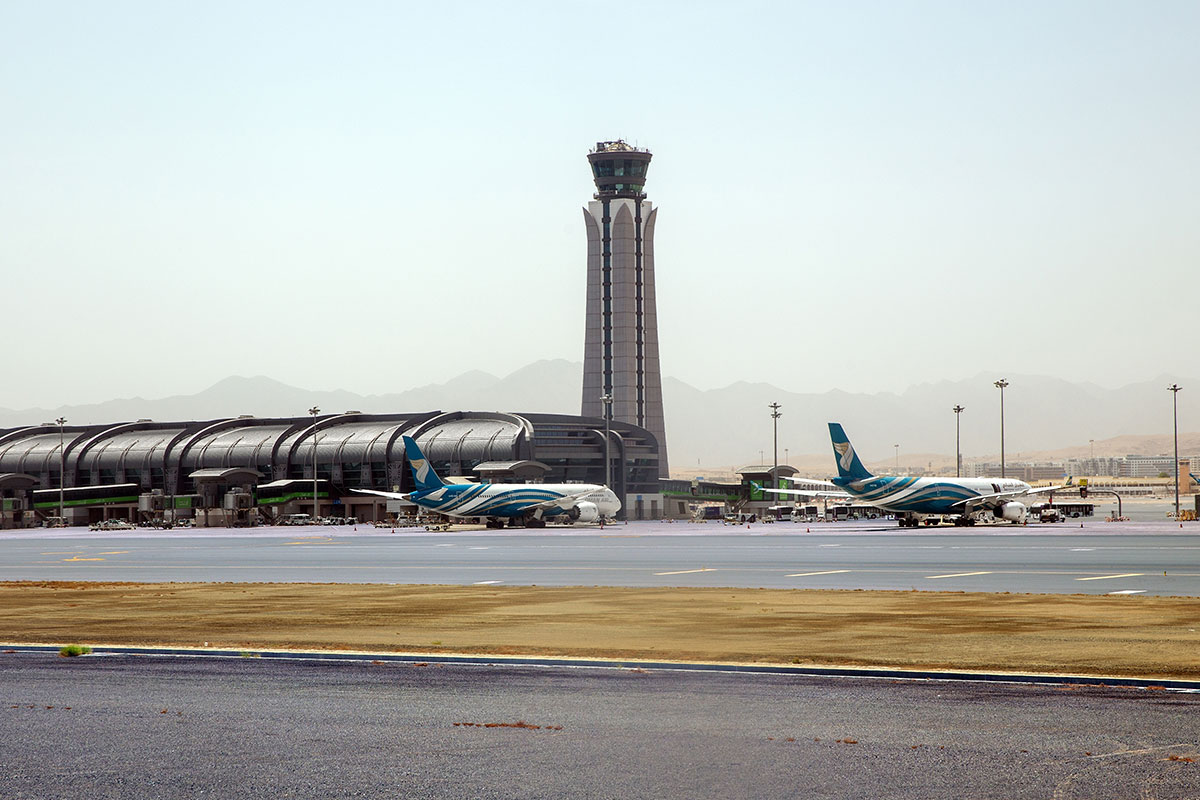
Oman has approved its National Aviation Strategy 2040, setting out a long-term framework to expand airport infrastructure, strengthen air connectivity and increase private sector participation in the civil aviation sector, the Civil Aviation Authority said on Sunday.
The strategy was approved during a ceremony marking International Civil Aviation Day at the authority’s headquarters under the patronage of Sheikh Al-Fadl bin Mohammed al-Harthi, secretary-general of the Council of Ministers.
Naif bin Ali Al-Abri, president of the Civil Aviation Authority, said the strategy serves as a comprehensive roadmap for the future of aviation in the sultanate and reflects the government’s commitment to strengthening the sector’s role in the national economy.
Al-Abri said the strategy is aligned with Oman Vision 2040 and was developed through a coordinated process involving government bodies and stakeholders across the aviation ecosystem.
Oman unveils National Aviation Strategy
The National Aviation Strategy 2040 establishes a framework for sector growth across several pillars including legislation and governance, airport infrastructure, aviation safety and security, air navigation services, business development and investment, general aviation and unmanned aircraft systems, national workforce development and sustainability and innovation.
During the ceremony, Al-Harthi also launched the official logo of the National Aviation Strategy 2040, which the authority said reflects the sector’s long-term vision, international connectivity and focus on sustainability and service development.
The authority said the aviation sector remains a key enabler of economic development in Oman, supporting trade, tourism and investment flows while strengthening air connectivity and resilience to global technological change.
Oman has in recent years expanded airport and air navigation infrastructure, upgraded meteorological services and improved operational service quality, aviation safety and security and digital systems, the authority said.
National carriers and airport operators have also expanded regional and international route networks, launched new destinations and increased service levels to support tourism growth and business travel.
The authority said it will continue to pursue cooperation with local and international partners while attracting new investment and expanding private sector participation in the aviation sector as part of the strategy’s implementation.



