
Business
Pfizer Stock: A Risky 6.3% Yield For Income-Oriented Investors (NYSE:PFE)


Labutes IR is a Fund Manager/Analyst specialized in the financial sector, with more than 18 years of experience in the financial markets. I have worked at several type of institutions in the industry, always at the buy side and related to portfolio management. Associated with the existing author The Outsider.
Analyst’s Disclosure: I/we have a beneficial long position in the shares of PFE either through stock ownership, options, or other derivatives. I wrote this article myself, and it expresses my own opinions. I am not receiving compensation for it (other than from Seeking Alpha). I have no business relationship with any company whose stock is mentioned in this article.
Seeking Alpha’s Disclosure: Past performance is no guarantee of future results. No recommendation or advice is being given as to whether any investment is suitable for a particular investor. Any views or opinions expressed above may not reflect those of Seeking Alpha as a whole. Seeking Alpha is not a licensed securities dealer, broker or US investment adviser or investment bank. Our analysts are third party authors that include both professional investors and individual investors who may not be licensed or certified by any institute or regulatory body.


Cited by Barron’s as one of the top financial websites to visit on the weekend, Financial Sense (www.financialsense.com) provides educational resources to the broad public audience through a daily podcast, editorials, current news and resource links on salient financial market issues. Begun in 1985 as a local talk radio program, Financial Sense Newshour (www.financialsense.com/financial-sense-newshour) is a weekly webcast with host Jim Puplava and top financial thinkers. Writing staff of Financial Sense includes: Jim Puplava, Chris Puplava, Ryan Puplava, and Cris Sheridan.

Jobs Growth Remains Modest

Why the eurozone growth hit may be more severe this time

Trump administration can’t make colleges provide race-related data, judge rules

Form 13D/A Delek Logistics Partners For: 3 April

Iran has granted another country safe passage through the Strait of Hormuz, where 20% of the world’s oil passes through. Unfortunately, it’s not Australia.
The Philippines, an archipelagic country in Southeast Asia, is the latest to be granted safe passage by Tehran.
The Philippines Granted Safe Passage
According to a report by 9News, the Philippines was able to secure safe passage for all vessels bound for the country.
“The Iranian Foreign Minister assured the Secretary that Iran will allow the safe, unhindered, and expeditious passage through the Strait of Hormuz of Philippine-flagged vessels, energy sources, and all Filipino seafarers,” the Philippine’s Department of Foreign Affairs said in a statement.
“It will not only ensure the safety of Filipino seafarers operating in the area but will also help ensure energy security for the country,” the statement added. “Given that the Philippines imports the majority of its energy requirements from the Middle East, these assurances from Iran will greatly facilitate the steady delivery of critical oil and fertiliser supplies to the Philippines.”
Which Other Countries Have Been Granted Safe Passage?
The Philippines joins a very, very short list of countries that have been granted safe passage through the Strait of Hormuz.
According to Al Jazeera, vessels from China, India, and Pakistan have been able to pass through the strait.
The same has been the case for certain vessels from Oman, France, and Japan.
A separate Al Jazeera report adds that a Turkish vessel has also been granted safe passage. The report also notes that France and Italy have already requested talks with Iran regarding the safe passage of their vessels.
Iran previously informed the United Nations (UN) that it will allow safe passage for “non-hostile vessels” that coordinate with Iranian authorities first.
As of writing, it remains unclear if Iran considers Australia as non-hostile. Foreign Affairs Penny Wong has said in a statement that “Australia is not taking offensive action against Iran and we are not deploying troops on the ground in Iran.”
“The Australian Government continues to support de-escalation and the resolution of this conflict,” she emphasized. “The longer this war goes on, the more significant the impact on the global economy will be.”


With an investment banking cash and derivatives trading background, Binary Tree Analytics (‘BTA’) aims to provide transparency and analytics in respect to capital markets instruments and trades. BTA focuses on CEFs, ETFs and Special Situations, and aims to deliver high annualized returns with a low volatility profile. We have been investing for over 20 years after obtaining a Finance major at a top university.
Analyst’s Disclosure: I/we have a beneficial long position in the shares of CARY either through stock ownership, options, or other derivatives. I wrote this article myself, and it expresses my own opinions. I am not receiving compensation for it (other than from Seeking Alpha). I have no business relationship with any company whose stock is mentioned in this article.
Seeking Alpha’s Disclosure: Past performance is no guarantee of future results. No recommendation or advice is being given as to whether any investment is suitable for a particular investor. Any views or opinions expressed above may not reflect those of Seeking Alpha as a whole. Seeking Alpha is not a licensed securities dealer, broker or US investment adviser or investment bank. Our analysts are third party authors that include both professional investors and individual investors who may not be licensed or certified by any institute or regulatory body.

QLV: Sensible Quality And Low Volatility Strategy, Yet Outperformance Is Unlikely, A Hold
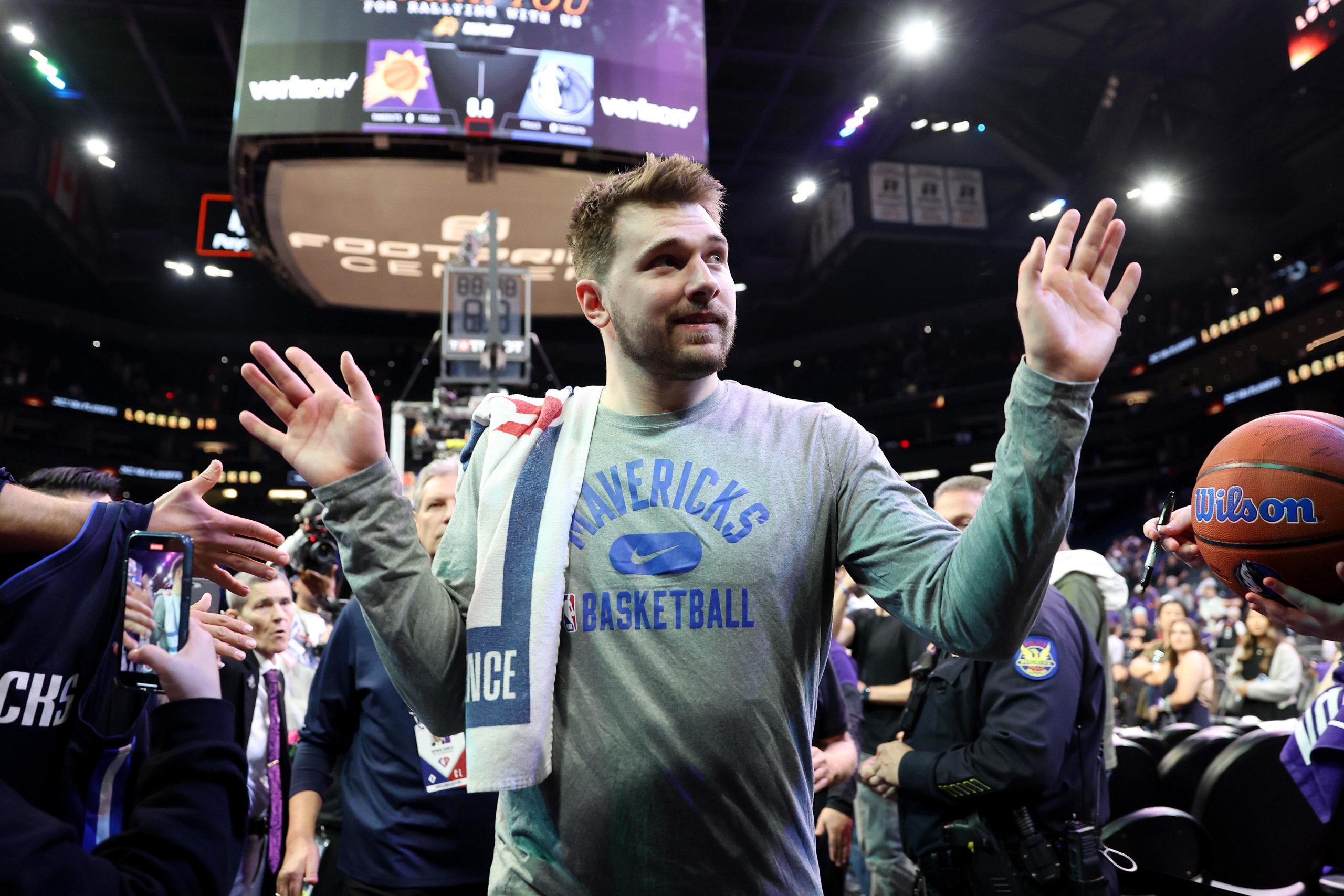
Los Angeles Lakers superstar Luka Doncic will miss the remainder of the 2025-26 NBA regular season after an MRI on Friday confirmed a Grade 2 strain in his left hamstring, the team announced.

The injury occurred Thursday night during the Lakers’ 139-96 blowout loss to the Oklahoma City Thunder in Oklahoma City. Doncic, the league’s leading scorer, grabbed his left hamstring while driving to the basket in the third quarter, limped off the court and did not return.
Following the game, Lakers coach JJ Redick confirmed the 27-year-old guard would undergo imaging the next day. The MRI results, disclosed Friday evening, diagnosed a moderate hamstring strain that sidelines Doncic for at least the final five games of the regular season. His status for the playoffs, which begin April 18, remains uncertain, with recovery timelines for Grade 2 strains typically ranging from three to six or even eight weeks.
Doncic had played 64 games entering the matchup against the Thunder, one short of the NBA’s 65-game threshold for awards eligibility including MVP, All-NBA and All-Star recognition. The timing raises questions about whether he can qualify or if the league might grant an exception, though no precedent guarantees relief for late-season injuries.
The Slovenian phenom has been the driving force behind the Lakers’ strong season, averaging a league-leading 33.8 points, 8.3 assists and 7.8 rebounds per game. His dominant March performance, which included historic scoring outbursts, had fueled MVP chatter alongside contenders like Shai Gilgeous-Alexander and Victor Wembanyama. The injury caps a frustrating night in which Doncic managed just 12 points on 3-of-10 shooting with six turnovers in 26 minutes.
This marks the second left hamstring issue for Doncic this season. He missed several games in February with a milder strain before the All-Star break, raising concerns about re-aggravation and long-term management of the injury-prone area for a player who relies heavily on explosive drives and changes of direction.
Lakers fans and analysts expressed immediate worry about the team’s playoff positioning. Los Angeles holds a slim lead for the No. 3 seed in the Western Conference but could slip without its centerpiece, potentially facing a tougher first-round path against the Thunder or others. The blowout loss already highlighted vulnerabilities, with Oklahoma City exploiting the absence after Doncic exited.
Redick and the organization emphasized caution. “We’ll know more after the imaging,” Redick said postgame Thursday, stressing long-term health over short-term availability. The team has not provided a firm return timetable beyond ruling out the regular season, leaving open the possibility of a playoff debut if recovery progresses well.
Medical experts note that Grade 2 strains involve partial tearing of muscle fibers, often accompanied by swelling and pain but without complete rupture. Rehabilitation typically includes rest, physical therapy, progressive strengthening and sport-specific drills. Rushing back risks chronic issues, especially for a high-usage star like Doncic who logs heavy minutes.
The injury adds another layer to the Lakers’ roller-coaster season. Acquired in a blockbuster trade that sent Anthony Davis and others to Dallas in prior years, Doncic has transformed the franchise alongside LeBron James. His absence forces increased roles for supporting players like Austin Reaves, Rui Hachimura and D’Angelo Russell, testing depth heading into the postseason.
League-wide reactions poured in quickly. ESPN’s Shams Charania first reported the indefinite absence, while Dave McMenamin confirmed the Grade 2 diagnosis. Social media erupted with concern from fans, with many urging patience to ensure Doncic is healthy for a potential deep playoff run.
This development also complicates the NBA awards race. With Doncic sidelined, debates intensified over MVP frontrunners. Some analysts suggested the injury could open the door wider for others, while others argued his body of work through 64 games should still weigh heavily.
Historically, hamstring strains have derailed contenders at critical junctures. The Lakers will lean on veteran leadership from James, who has navigated his own injury history, to keep the team competitive in the final stretch.
Doncic’s durability has been a talking point throughout his career. Despite his generational talent, the 6-foot-7, 230-pound guard battles lower-body issues that demand careful load management. Friday’s results underscore the physical toll of his style — relentless drives, step-back threes and playmaking under constant defensive pressure.
For the Thunder, the win solidified their status as a top Western threat. Shai Gilgeous-Alexander led with 28 points as Oklahoma City pulled away early, turning what was billed as a marquee matchup into a statement victory.
As the Lakers prepare for games against the Mavericks, Warriors, Suns and Jazz without their star, focus shifts to injury prevention and momentum preservation. Team officials declined further comment beyond the official diagnosis, but insiders indicate a conservative approach prioritizing Doncic’s availability for the playoffs over squeezing in regular-season contests.
Broader implications extend to playoff seeding and potential bracket paths. A lower seed could mean earlier rematches with strong teams like the Thunder, testing the Lakers’ resilience.
Doncic himself has not publicly commented on the injury as of Saturday morning, but his history shows strong work ethic in rehab. Fans hope for a swift recovery, with many drawing parallels to past stars who returned stronger after similar setbacks.
The NBA regular season winds down amid heightened drama. With Doncic out, spotlight intensifies on other stars and emerging narratives, from MVP debates to seeding battles.
Medical updates will continue to emerge in coming days as the Lakers chart a recovery plan. For now, the diagnosis delivers a significant blow to a team built around its Slovenian superstar’s brilliance.
Whether Doncic returns in time for the playoffs — or at full strength — could define the Lakers’ 2026 postseason hopes. In the meantime, the franchise and its fans await further clarity while navigating the final games without their leading scorer.
Business
Los Angeles International Airport (LAX) Wait Times Today April 4 2026 Remain Short with 2-6 Minute
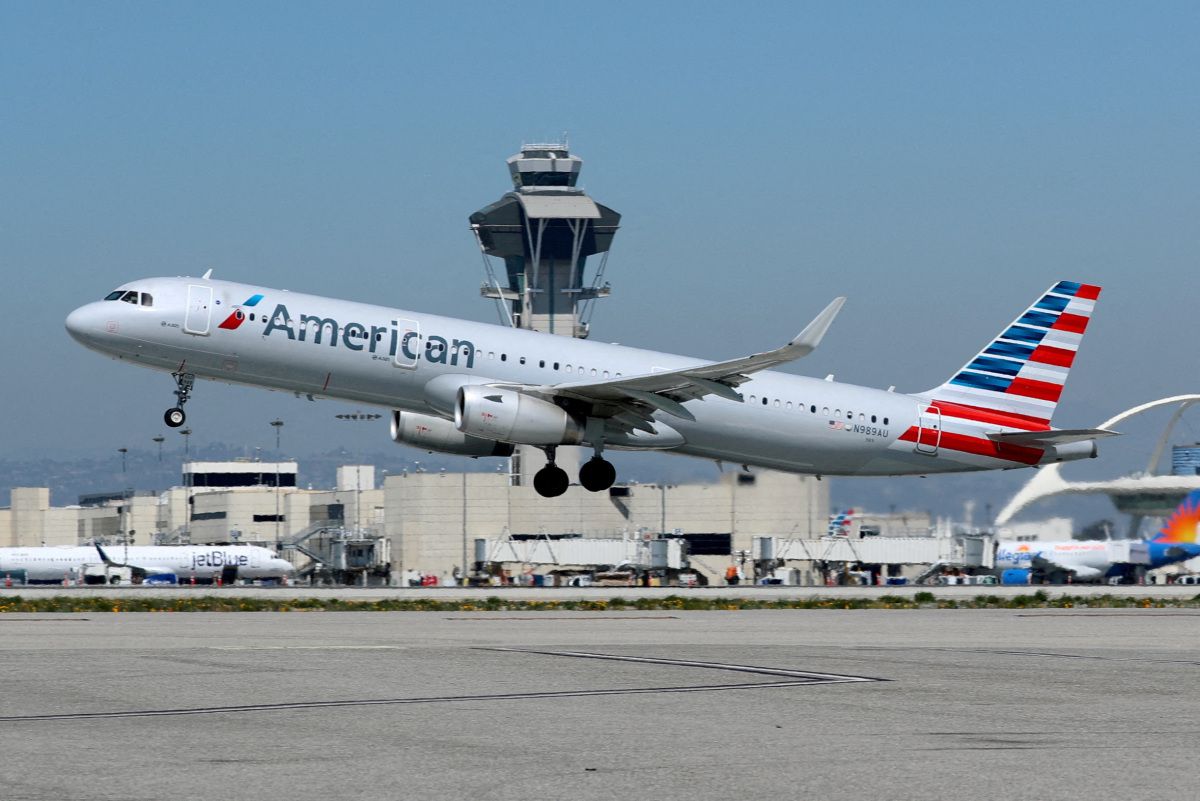
LOS ANGELES — Security wait times at Los Angeles International Airport (LAX) stayed minimal Saturday, April 4, 2026, with most checkpoints reporting waits of just 2 to 6 minutes for general boarding and even shorter lines for TSA PreCheck passengers.

Official data from the airport’s website showed the Tom Bradley International Terminal (TBIT), LAX’s busiest hub for international flights, with general boarding wait times around 5 minutes and TSA PreCheck lanes moving passengers through in approximately 2 to 3 minutes as of late Friday evening updates that carried into Saturday morning. Other terminals reported similarly light conditions, continuing a trend of smooth operations observed throughout the week.
Travelers heading to LAX on this Easter weekend Saturday encountered far shorter lines than typical peak travel periods. Real-time trackers and airport reports indicated standard security screening averaging under 10 minutes across most checkpoints, a welcome relief after occasional longer waits earlier in the spring break season.
The Transportation Security Administration and LAX operations attributed the light lines to moderate passenger volumes on a non-peak Saturday combined with efficient staffing. While spring break travel has strained some airports nationwide, LAX appeared to benefit from staggered flight schedules and strong PreCheck enrollment, which diverts eligible passengers into faster lanes.
Delta Air Lines’ live wait time tracker corroborated the airport data, listing TBIT general boarding at around 5 minutes and PreCheck at 2 minutes in recent updates. Independent sites like Takeoff Timer and OnAirParking echoed these figures, with blended estimates showing standard security as low as 3 minutes during off-peak early morning hours.
For context, LAX typically sees average security waits of 15 to 30 minutes during busier periods, with peaks reaching 30 to 45 minutes or more in the early morning departure rush (7-9 a.m.) or late afternoon banks (3-6 p.m.). On April 4, however, conditions remained well below those thresholds, with some overnight and early slots dipping to near-zero waits in certain lanes.
Passengers are reminded that wait times can fluctuate rapidly based on flight banks, staffing levels and random secondary screening. International travelers departing from TBIT, which handles the bulk of overseas flights, should still plan accordingly, as customs and immigration processes add significant time beyond TSA screening.
TSA officials recommend arriving at the airport at least two hours before domestic flights and three hours before international departures to account for check-in, bag drop and potential variability. Those without TSA PreCheck or Clear membership may benefit most from building in extra buffer time, though current conditions suggest minimal delays.
The MyTSA app, while useful for crowd-sourced reports and historical patterns, has faced occasional limitations during periods of high demand or technical issues. Travelers are encouraged to cross-reference it with LAX’s official wait times page (flylax.com/wait-times), airline trackers and third-party monitors for the most current picture.
LAX, one of the world’s busiest airports, processed millions of passengers in early 2026 amid recovering travel demand. The airport has invested in technology upgrades, including more automated screening lanes and biometric options, which have helped streamline processing even during busier stretches.
Easter weekend travel added some families and leisure passengers to the mix, but no major backups were reported as of Saturday morning. Airlines like Delta, American, United and Southwest urged passengers to check flight status and arrive early only as needed, warning against excessive early arrivals that could overwhelm curb space and parking.
Tips for navigating LAX security efficiently on days like April 4 include:
- Enroll in TSA PreCheck or Clear if eligible to bypass standard lines.
- Pack liquids in a compliant 1-quart bag and remove laptops and large electronics in advance.
- Wear easily removable shoes and avoid bulky outer layers.
- Use mobile boarding passes to speed up the process.
- Monitor real-time updates via the LAX website, airline apps or flight tracking services.
For those driving to the airport, traffic on surrounding freeways like the 405 and 105 can add unpredictable time. LAX recommends using public transit options such as the LAX shuttle or Metro connections when possible to reduce stress.
The smooth security experience on April 4 aligns with broader trends at major U.S. hubs where wait times have stabilized after earlier spring disruptions. While some airports faced staffing challenges or technical issues in recent months, LAX operations appeared steady, with TSA officers maintaining throughput despite occasional surges.
Passengers with disabilities or those needing assistance should contact their airline or TSA Cares in advance for expedited support. Families traveling with young children or strollers may experience slightly longer processing but can use dedicated lanes where available.
As the day progresses, wait times could increase modestly during midday and afternoon flight banks. Travelers departing later Saturday are advised to check updates closer to their arrival at the airport.
LAX continues to emphasize safety and security as the top priority while striving for a smoother passenger experience. The airport’s multi-terminal layout means wait times can vary by checkpoint, so confirming the specific terminal for one’s flight remains essential.
In summary, April 4, 2026, offered favorable conditions for moving through LAX security with minimal delays. Short lines of 2-6 minutes allowed most travelers extra time to relax, shop or dine before boarding rather than rushing through checkpoints.
Whether flying domestically or internationally, the consensus from real-time data points to an efficient start to the Easter travel weekend at one of America’s gateway airports. Passengers should nevertheless remain vigilant, prepare their bags thoughtfully and consult live sources for any last-minute changes.
For the latest figures, visit flylax.com/wait-times or use trusted mobile applications. Safe travels to all heading out from Los Angeles International Airport today.

Q2 Update: Iran War, Depleting Munitions, And Market Outlook

Bitcoin ETFs Will Be Bigger Than Gold ETFs, Says ETF Analyst

Jack Black’s Raunchy, #1 On Netflix Comedy Is Tropic Thunder Meets Super 8


-

 NewsBeat1 day ago
Steven Gerrard disagrees with Gary Neville over ‘shock’ Chelsea and Arsenal claim | Football
-

 Business1 day ago
No Jackpot Winner and $194 Million Prize Rolls Over
-
Entertainment5 days ago
Fans slam 'heartbreaking' Barbie Dream Fest convention debacle with 'cardboard cutout' experience
-

 Fashion9 hours ago
Weekend Open Thread: Spanx – Corporette.com
-

 Crypto World2 days ago
Gold Price Prediction: Worst Month in 17 Years fo Save Haven Rock
-

 Tech5 days ago
The Pixel 10a doesn’t have a camera bump, and it’s great
-
 Entertainment6 days ago
Lana Del Rey Celebrates Her Husband’s 51st Birthday In New Post
-
Crypto World4 days ago
Dems press CFTC, ethics board on prediction-market insider trades
-

 Tech5 days ago
Avatar Legends: The Fighting Game comes out in July and it looks pretty slick
-

 Sports3 days ago
Tallest college basketball player ever, standing at 7-foot-9, entering transfer portal
-

 Tech4 days ago
EE TV is using AI to help you find something to watch
-

 Fashion6 days ago
Amazon Sundays: Soft Spring Layers
-

 Business2 days ago
Login and Checkout Issues Spark Merchant Frustration
-

 Tech6 days ago
Elon Musk’s last co-founder reportedly leaves xAI
-

 Tech4 days ago
How to back up your iPhone & iPad to your Mac before something goes wrong
-

 Tech4 days ago
Apple will hide your email address from apps and websites, but not cops
-

 Politics4 days ago
Should Trump Be Scared Strait?
-

 Crypto World4 days ago
U.S. rule change may open trillions in 401(k) funds to crypto
-

 Tech4 days ago
Flipsnack and the shift toward motion-first business content with living visuals
-

 Fashion5 days ago
The Best Spring Trends of 2026
You must be logged in to post a comment Login