
Business
Plan to advance conservative playbook




Stocks Can’t Recover While Oil Prices Surge. Why the Fed’s Unlikely to Help.
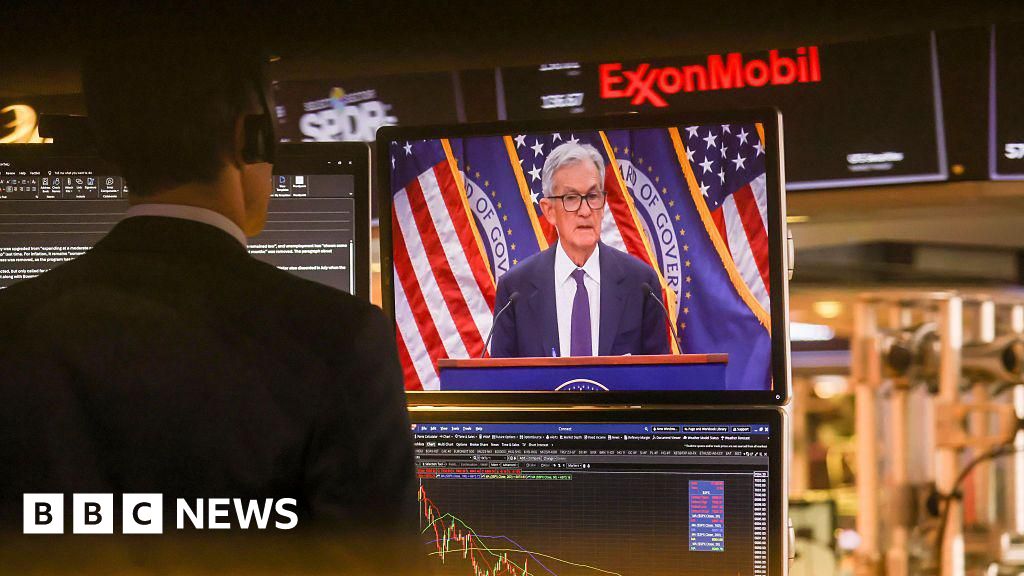
The US central bank is moving cautiously, despite pressure from the president to cut interest rates.

Big Tech’s Huge Conglomerate Premium

Top chains specialized in focused concepts and tapped into trending flavors.
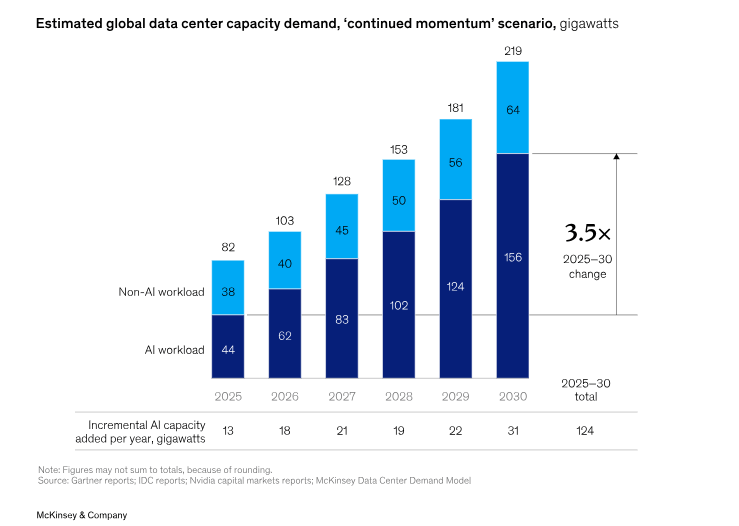
Hewlett Packard Enterprise's AI Story Moved To The Network Layer
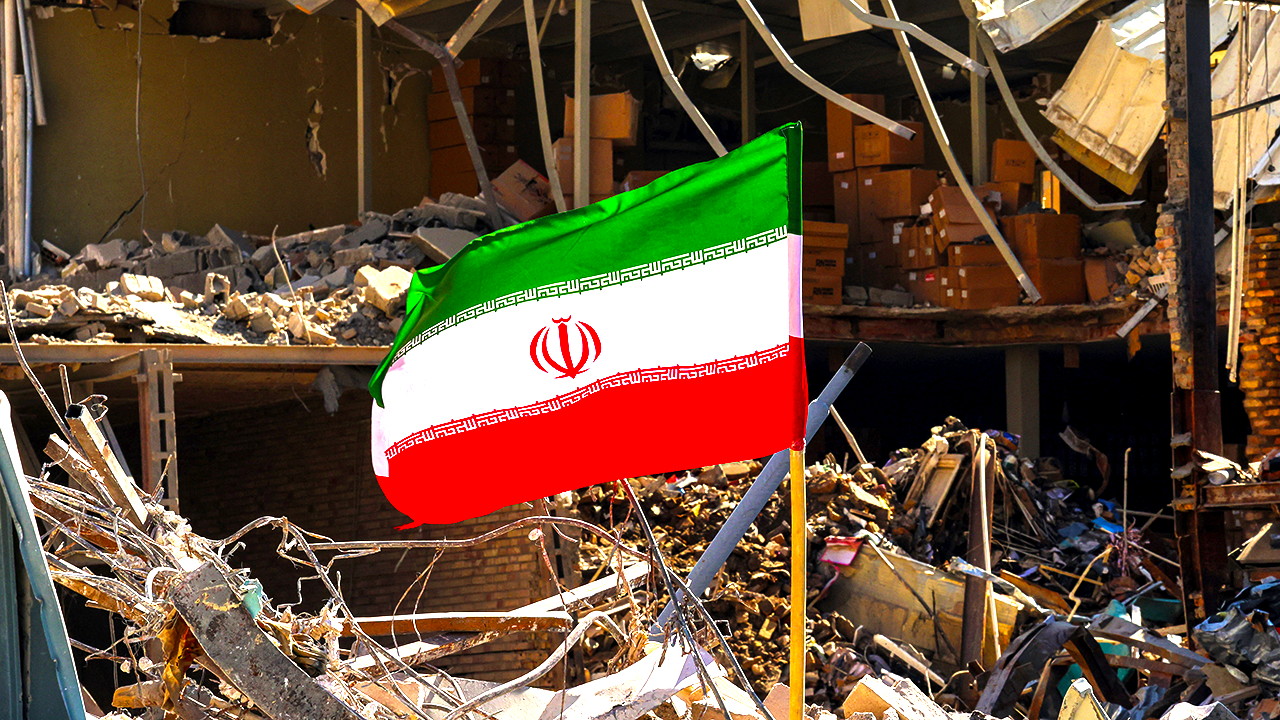
Former Consul General of Israel in New York Ambassador Ido Aharoni joins ‘Mornings with Maria’ to break down Iran-Israel tensions, defend U.S.-Israeli strikes and warn Tehran’s regime is weakening.
Iran’s latest military escalation is backfiring on the global stage as new strikes and widening regional fallout expose what a former Israeli consul general in New York called a critical miscalculation by Tehran.
Ambassador Ido Aharoni, who served as consul general of Israel in New York, joined FOX Business’ “Mornings With Maria” on Wednesday to discuss the broader implications of Iran’s recent actions and the shifting dynamics across the Middle East.
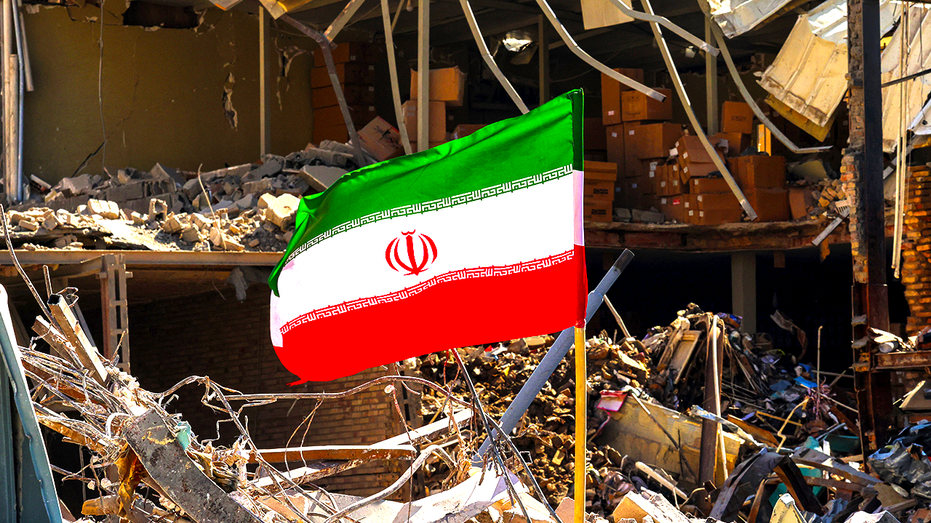
An Iranian flag lies amid rubble and debris in Tehran. (Atta Kenare/AFP via Getty Images)
“Iran made a terrible mistake attacking Cyprus, thus bringing in the European Union,” Aharoni told host Maria Bartiromo.
He said Iran’s decision to expand its targets is drawing in new international pressure and raising concerns far beyond the region.
IRAN WAR UNLIKELY TO TRIGGER GLOBAL SUPPLY CHAIN CRISIS, GOLDMAN SACHS SAYS
“Iran is presenting a threat to the entire world,” Aharoni said.
Rep. Rick Crawford, R-Ark., joins ‘Mornings with Maria’ to discuss US-Israel strikes on Iran, a top counterterror official’s resignation and rising security concerns amid the DHS shutdown and FISA debate.
The former consul general argued the U.S. and Israel’s ongoing military campaign is reshaping deterrence and exposing the regime’s vulnerabilities.
“For the first time since 1979, Iran is being punished for its motivation, for its ideology, not just for their actions… This sends a very powerful message throughout the region,” Aharoni said.
“This is how you restore deterrence… This is exactly what is being done.”
He said Iran’s long-term position is weakening as a result of Operation Epic Fury.
“They’re not going to be the same regional power that they were before or after this. It will take them decades to rebuild the infrastructure that was destroyed,” Aharoni explained.
Sen. Bill Cassidy, R-La., joins Maria Bartiromo to discuss recent Israeli and U.S. strikes on Iranian targets, including the killing of Iran’s intelligence minister.
Aharoni underscored that Iran’s actions are impacting its own population as instability grows.
“The Iranians are the number one victims of their own regime,” Aharoni said.

Vice President JD Vance takes questions from reporters during an event at a Michigan manufacturing plant.
The Trump administration is working to lower gas prices as motorists continue to pay more at the pump since the outbreak of the Iran war, Vice President JD Vance said Wednesday, noting that the increase is temporary.
Vance was at the Engineering Design Services, Inc. manufacturing plant in Auburn Hills, Michigan, where he was asked about rising gas prices.
“Gas prices are up, and we know they’re up,” Vance said. “We know that people are hurting because of it, and we’re doing everything that we can to ensure that they stay lower.”
Vance said prices will eventually start to decline.
AMERICANS HIT WITH SOARING ELECTRICITY BILLS AS PRICE HIKES OUTPACE INFLATION NATIONWIDE

Vice President JD Vance speaks onstage at Engineering Design Services, Inc. on Wednesday in Auburn Hills, Michigan. (Bill Pugliano/Getty Images / Getty Images)
“The president said this, and I certainly agree with it. This is a temporary blow,” he said. “What happened under the Biden administration is that gas prices were high for four years. Gas prices are higher right now, and frankly, they’re not even as high as they were during certain parts of the Biden administration.”
Prices have steadily risen following U.S. and Israeli attacks against Iran in recent weeks.
As of Wednesday, the average price for a regular gallon of gas was $3.84, up from $2.92 a month ago, according to AAA.
GAS PRICES SURGE, PINCHING AMERICANS AND HANDING THE GOP A NEW MIDTERM HEADACHE
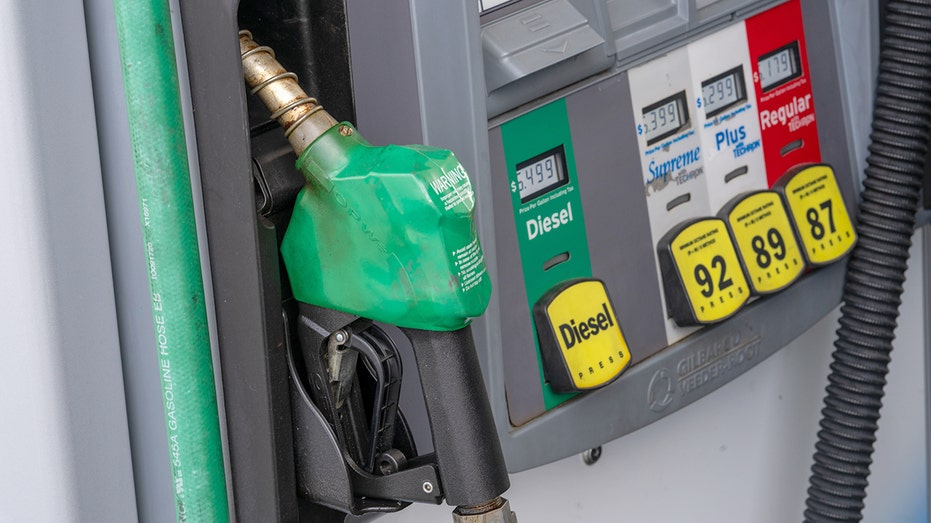
A diesel fuel pump at a Chevron gas station in Seattle, Washington, US, on Monday, March 9, 2026. (M. Scott Brauer/Bloomberg via Getty Images / Getty Images)
In recent weeks, the administration has worked with its allies to release hundreds of millions of barrels of oil from petroleum reserves in an effort to put downward pressure on prices, Vance said.
Many U.S. allies are “suffering” much more than many Americans, Vance said.
“So as much as we’ve got to focus on getting these gas prices down, the reality is, overseas they’re feeling it far worse than we did because we’ve taken the steps to protect our energy economy.”
Once military operations against Iran conclude, prices should decrease to previous levels, said Vance.
‘The Big Money Show’ panelist discusses Vice President JD Vance’s remarks on the economy and the Trump administration’s economic messaging ahead of the midterms.
CLICK HERE TO GET FOX BUSINESS ON THE GO
“We promise that when this conflict draws to a close, when this operation draws to close, we’re going to see those energy prices come back down to reality, because that’s what the president promised to do,” he said. “He delivered an energy-dominant agenda. It’s made us much more secure in the face of these things. But yeah, we’ve got a rough road ahead of us for the next few weeks, but it’s temporary.”
The U.S. produces more oil than any other country, according to the Energy Information Administration (EIA). As of 2023, the latest data available, the U.S. produces 1roughly3 millions barrels per day, followed by Russia and Saudi Arabia.

Adobe: 3 Reasons Not To Buy, 1 Reason Not To Sell After Q1

BARCELONA, Spain — FC Barcelona hosts Newcastle United on Wednesday in the decisive second leg of their UEFA Champions League Round of 16 tie at Spotify Camp Nou, with the aggregate score level at 1-1 after a tense 1-1 draw at St James’ Park last week.

Kickoff is set for 6:45 p.m. CET (5:45 p.m. GMT, 1:45 p.m. ET, 10:45 a.m. PT), an earlier-than-usual slot for European midweek action. The match promises high stakes as Hansi Flick’s Barcelona seeks to leverage home advantage against Eddie Howe’s resilient Newcastle side, which punched above expectations in the first leg.
The first encounter on March 10 saw Newcastle take a late lead through Harvey Barnes in the 86th minute, only for Lamine Yamal to equalize from the penalty spot in stoppage time (90+6′). That dramatic finish kept the tie alive, with Barcelona’s young star rescuing a point in a match where the hosts dominated possession but struggled to break down Newcastle’s organized defense.
Barcelona enters as clear favorites. The Catalans boast one of Europe’s most potent attacks, led by Robert Lewandowski, Raphinha and the explosive Yamal. Flick’s side has shown attacking flair in the Champions League this season, scoring in every group-stage and knockout match while maintaining high pressing intensity. At home, Barcelona’s record remains formidable, with the Camp Nou crowd expected to create a cauldron atmosphere.
Newcastle, meanwhile, has impressed with defensive solidity and counter-attacking threat. Eddie Howe made five changes for the second leg, including Sandro Tonali’s return to midfield, signaling intent to disrupt Barcelona’s rhythm. Anthony Gordon, back from injury, leads the line alongside Harvey Barnes and Anthony Elanga, aiming to exploit any gaps in Barcelona’s high defensive line.
Predicted lineups reflect tactical battles:
**Barcelona (4-2-3-1):** Joan García (GK); Joao Cancelo, Pau Cubarsí, Eric García, Gerard Martin; Pedri, Marc Bernal; Fermín López, Raphinha, Lamine Yamal; Robert Lewandowski.
**Newcastle United (4-3-3):** Aaron Ramsdale (GK); Kieran Trippier, Malick Thiaw, Dan Burn, Lewis Hall; Jacob Ramsey, Sandro Tonali, Joelinton; Anthony Elanga, Anthony Gordon, Harvey Barnes.
Injuries and suspensions remain minimal, though Newcastle monitors fitness for key players like Tonali after a recent concern.
Predictions favor Barcelona progression. Analysts at Sports Mole, SportsGambler and others project a narrow home win, with common scorelines including 2-1 or 3-1 to Barcelona (aggregate 3-2 or 4-2). Betting markets list Barcelona at around -172 to win, reflecting a 63% implied probability. Many foresee both teams scoring and over 2.5 goals, given Barcelona’s attacking output and Newcastle’s direct style — the sides have combined for high-scoring games in recent European outings.
Key battles include Yamal vs. Newcastle’s full-backs, where the teenager’s pace and dribbling could prove decisive. Lewandowski’s movement against Newcastle’s center-backs, and midfield duels involving Pedri and Tonali, will shape possession and transitions.
Barcelona’s edge stems from home form and depth, with Flick emphasizing control and clinical finishing. Newcastle’s “superpower” atmosphere at St James’ Park helped them last week, but Camp Nou’s intensity and Barcelona’s quality should tilt the balance.
The winner advances to the quarterfinals, a massive boost for either club’s season. For Barcelona, progression would validate Flick’s project amid La Liga title challenges. For Newcastle, an upset would mark historic European progress.
Where to watch live stream and TV coverage:
– **United States:** Paramount+ (exclusive English-language streaming), with options on CBS channels in select markets.
– **United Kingdom:** TNT Sports 2 (TV), with streaming on discovery+.
– **Spain:** Movistar+ and other pay-TV platforms.
– **Canada:** DAZN.
– **Other regions:** Check UEFA.com or local broadcasters; international streams available via Paramount+ in many territories.
Fans without cable can access Paramount+ (U.S.) or equivalent services, often with free trials. Live updates and highlights will stream on UEFA’s official platforms post-match.
As kickoff nears, anticipation builds for a potential classic. Barcelona’s firepower at home makes them the side to beat, but Newcastle’s grit could force extra time or penalties if they frustrate the hosts early.
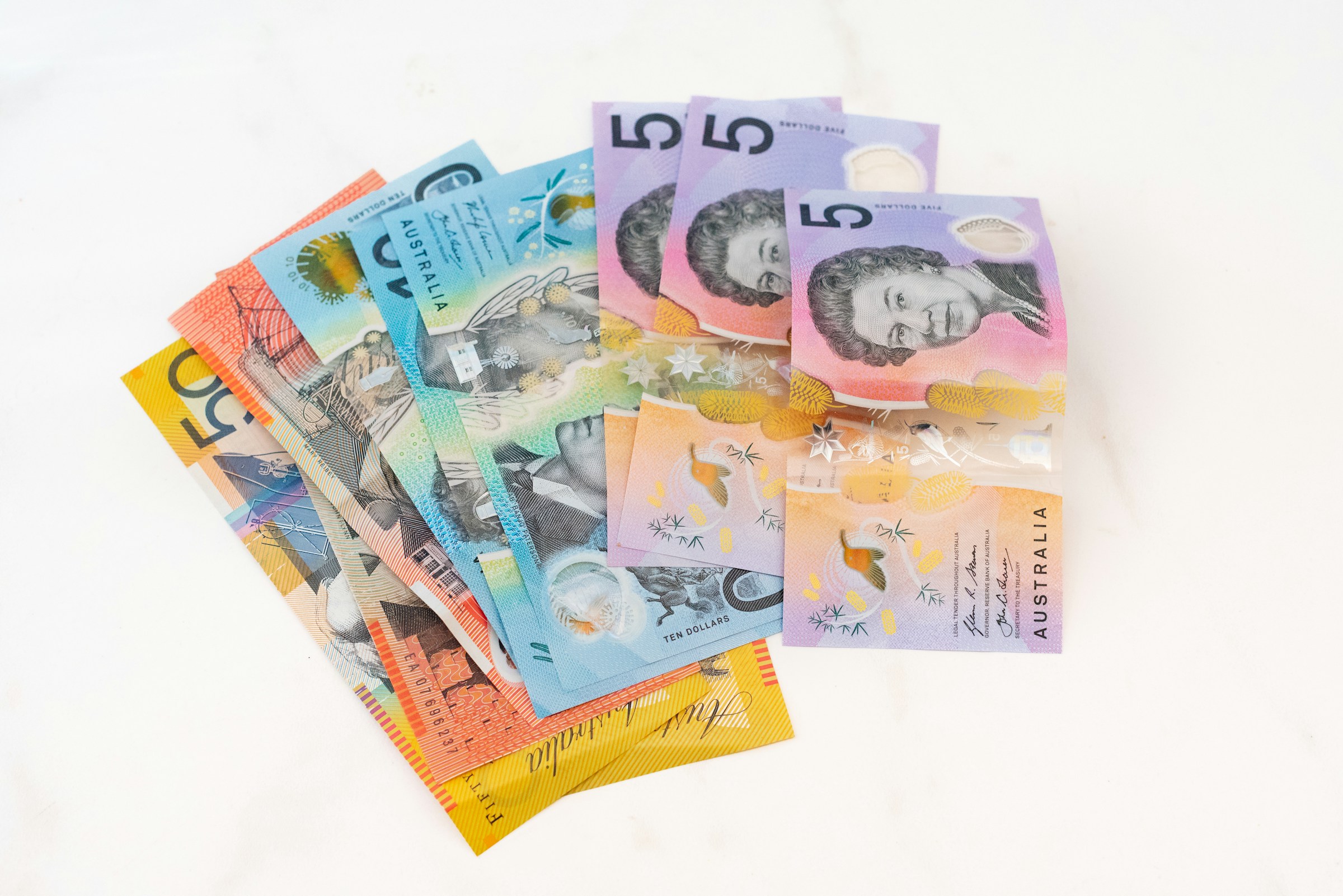
SYDNEY — The Australian dollar held firm around 0.7110 against the U.S. dollar in early Asian trading on March 19, 2026, consolidating gains following the Reserve Bank of Australia’s (RBA) second consecutive interest rate increase to 4.10% on March 17.
The AUD/USD pair traded at approximately 0.7110-0.7115 in the hours after Sydney’s open, up modestly from Tuesday’s close of 0.7105 but below the recent peak near 0.7150 earlier in the month. The currency has shown resilience since the RBA’s decision, buoyed by the hawkish stance that signals potential further tightening to combat persistent inflation.

The RBA lifted the cash rate target by 25 basis points to 4.10%, marking back-to-back hikes for the first time since mid-2023. The move came in a split vote, with five board members favoring the increase and four preferring to hold steady at 3.85%. Governor Michele Bullock cited renewed inflationary pressures, including a material pickup in core inflation and elevated wages growth, as justification for the tightening.
In its statement, the RBA noted that while inflation has fallen substantially from its 2022 peak, recent data showed it rising materially. The bank emphasized the need to keep policy restrictive to return inflation to the 2-3% target band sustainably. Markets now price in a median cash rate of around 4.35% by year-end, with some economists forecasting hikes as early as May.
The decision provided immediate support to the Australian dollar, which rallied modestly in the aftermath. The currency’s strength reflects Australia’s commodity-heavy economy benefiting from elevated oil and gas prices amid global tensions, alongside higher yield appeal compared to peers. The Aussie has emerged as a relative haven in recent weeks, outperforming many majors despite broader risk-off sentiment tied to geopolitical developments.
Technical analysts note the pair remains in a consolidation range after testing resistance near 0.7150. Some forecasts suggest potential upside to 0.7140-0.7230 in the short term if momentum builds, though bearish scenarios target a pullback toward 0.7000 or lower if U.S. dollar strength resumes.
Broader forecasts for 2026 vary. Aggregated bank projections point to gradual appreciation, with quarterly targets clustering around 0.6946 by March (already surpassed), 0.6932 by June, 0.7030 by September, and 0.7140 by December. Longer-term outlooks see the AUD/USD reaching 0.8233 by end-2026 in optimistic scenarios, implying over 15% upside from current levels, though more conservative views cluster near 0.68-0.70.
Key drivers include commodity prices, with Australia’s exposure to iron ore, coal and LNG providing tailwinds if global demand holds. The RBA’s hawkish pivot contrasts with expectations of U.S. Federal Reserve easing later in 2026, widening interest rate differentials in Australia’s favor.
However, risks loom. A stronger U.S. dollar from persistent inflation or geopolitical escalation could cap gains. Domestic factors, including household debt sensitivity to higher rates and potential slowdown from tighter policy, may temper enthusiasm.
Traders monitor upcoming data, including Australian employment figures and U.S. inflation prints, for directional cues. The AUD has gained over 6% year-to-date in 2026, reflecting improved sentiment post-2025 volatility.
As the RBA signals vigilance on inflation, the Australian dollar’s outlook remains cautiously optimistic in the near term, with the currency trading in a supportive environment of higher yields and commodity resilience.
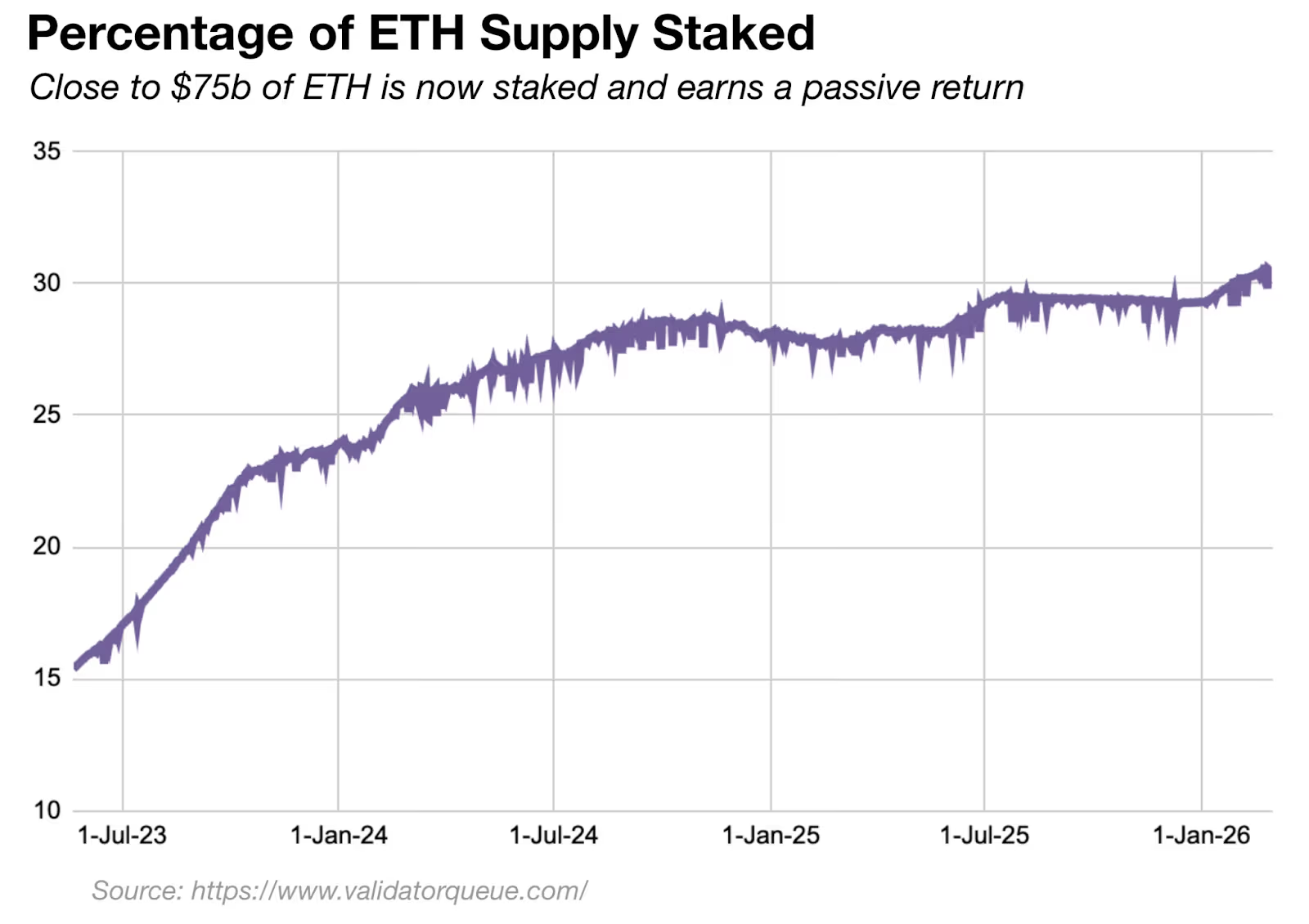
When price stops working, yield starts mattering

Bonnie Blue Hits Sex Snag In The UK After 400 Men Exploit

Israel is using AI rumours to hide its murderous tactics


-
 Crypto World5 days ago
HYPE Token Enters Net Deflation as HyperCore Buybacks Outpace Staking Rewards
-

 Tech3 days ago
Your Legally Registered ‘Motorcycle’ Might Not Count Under Proposed US Law
-

 Fashion5 days ago
Weekend Open Thread: Addict Lip Glow
-
Sports4 days ago
Why Duke and Michigan Are Dead Even Entering Selection Sunday
-

 Business3 days ago
Search for Savannah Guthrie’s Mother Enters Seventh Week with No Arrests
-
 Tech1 day ago
Are Split Spacebars the Next Big Gaming Keyboard Trend?
-

 Business4 days ago
US Airports Launch Donation Drives for Unpaid TSA Workers as Partial Government Shutdown Enters Fifth Week
-
Crypto World4 days ago
Coinbase and Bybit in Investment Talks: Could Bybit Finally Enter the US Crypto Market?
-

 Business4 days ago
Country star Brantley Gilbert enters growing non-alcoholic beer market
-

 Business2 days ago
Australian shares drop as Iran war enters third week
-

 Crypto World2 days ago
Crypto Lender BlockFills Enters Chapter 11 with Up to $500M in Liabilities
-

 Sports5 days ago
College Basketball Best Bets: Conference Tournament Semifinal Picks
-

 Politics10 hours ago
The House | The new register to protect children from their abusers shows Parliament at its best
-
 Crypto World7 days ago
Three Binance Charts May Be Hinting at Bitcoin’s Next Move
-
 Business6 days ago
Trump demands Powell cut rates as Iran conflict raises energy prices
-

 Crypto World6 days ago
Senate Votes to Include CBDC Ban in Bipartisan Housing Bill
-

 Fashion2 days ago
25 Celebrities with Curly Hair That Are Naturally Beautiful
-

 News Videos2 hours ago
RBA board divided on rate cut, unusually buoyant share market | Finance Report | ABC NEWS
-

 NewsBeat6 days ago
Deane Road crash near Bolton colleges and university
-

 News Videos6 days ago
Tom Lee: The 100x Opportunity EVEN Bigger Than Bitcoin (New Ethereum Prediction 2026)


You must be logged in to post a comment Login