
Business
Practical tips to save on energy bills this winter


 Getty Images
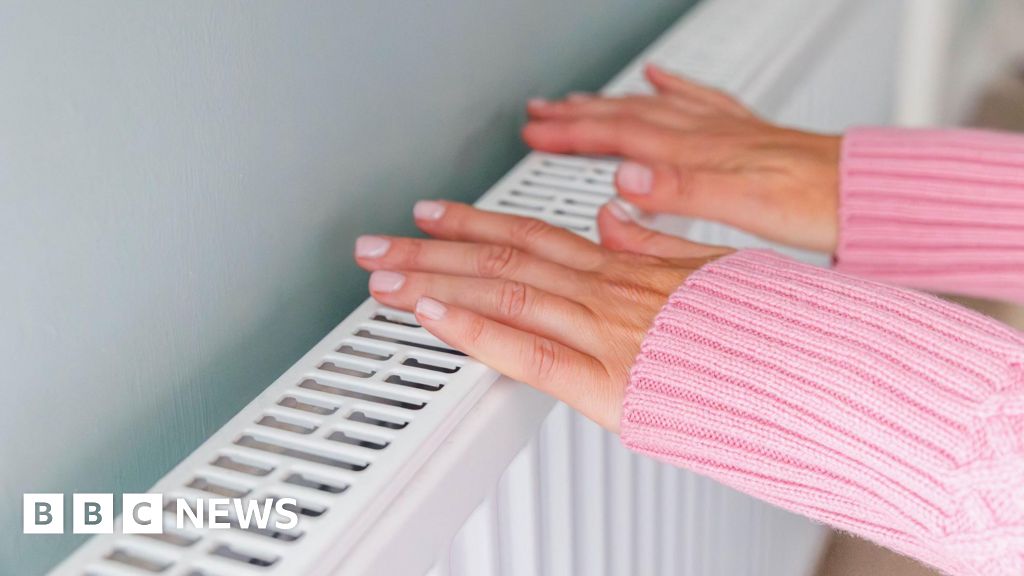
Every winter brings a drop in temperatures and rising concerns about heating costs. With the energy price cap set to increase in January, we have gathered together some practical advice to help you keep warm and cut costs over the colder months.
This month, millions of households will see a slight rise in their energy bills, as the energy regulator Ofgem increases the price cap by 0.2%.
The price cap is the maximum amount energy suppliers can charge customers for each unit of energy in England, Scotland and Wales.
Between 1 January and 31 March 2026, the energy price cap is set at £1,758 per year for a typical household which uses electricity and pays by direct debit.
Energy costs can hit people differently, for example, people living in older homes, renters and low-income households.
Low cost options
George Pearson, head of technical services at Retrofit West – which is funded by the West of England Mayoral Combined Authority and covers Bristol, Bath and North East Somerset and South Gloucestershire – said that even small actions can help to reduce heat loss.
“Sealing gaps and draught proofing is the number one step because it’s so low cost,” he said.
Mr Pearson recommended sealing gaps around skirting boards, letter boxes and even light fittings.
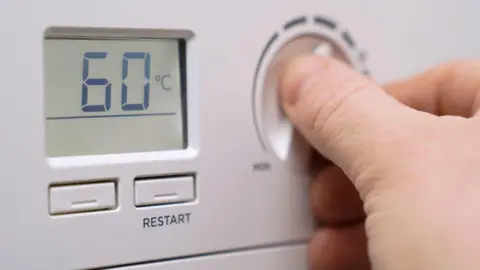
He added that people can maximise boiler efficiency by reducing the flow temperature.
Most people have their temperature set to 60C (140F), but lowering it to 55C (131F) or 45C (113F) could save money, said Mr Pearson.
“Heating and hot water is the majority of the bill in the average household,” said Nick Trapp from the Centre of Sustainable Energy.
“So that’s what you spend more on than your lights or your computer or your oven.”
To save money on your heating bill, turn off radiators in rooms you do not use and use your central thermostat to control the overall temperature, he said.
Additionally, turning your heating down by one degree could help save up to £73 a year.
But it is advised not to go below 18C (64F) if you are elderly, ill, or have small children.
Having an annual boiler service can also keep heating systems running efficiently and prevent more costly issues with your boiler in the future.
And a thick insulating jacket for your boiler could save about £183 a year.
 PA
PA“Some other low-cost wins include reflective panels,” said Mr Pearson.
“You can put them behind radiators and they can bounce the heat back into the space, so you’re not losing some of that heat generated into the actual wall itself.”
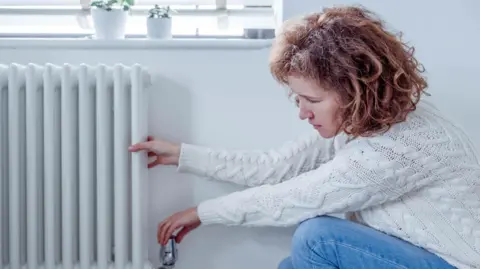
Mr Pearson also suggests bleeding radiators to remove trapped air and maintain even distribution of heat.
Although there are lots of plug-in heaters on the market, Mr Trapp warned that these can often be more expensive than using central heating.
“People get tempted by them because they look like they’re smaller, so you expect them to use less energy, but they’re actually a lot less efficient,” he said.
Changing your energy tariff can save you money by switching to a cheaper fixed deal, a discounted variable tariff or a time-of-use tariff like economy, which offers cheaper electricity at night.
During the winter months where more people dry their clothes indoors, a dehumidifier can help save on the cost of using a tumble dryer, while helping to prevent damp and mould.
Mr Trapp recommends using a dehumidifier in the room where you dry laundry and close the door to prevent water vapour getting to the rest of the house.
If you can, and try and heat your home consistently to avoid issues with damp and mould.
Medium cost solutions
While there are lots of low-cost solutions, some people may want to consider some longer-term solutions to make sure their home is energy efficient.
One of these options is installing insulation, which can help protect your home from both hot and cold weather.
Mr Pearson also recommends insulating pipes, where possible, to reduce the heat loss of hot water travelling through pipe work.
When it comes to loft insulation, Mr Pearson recommends 15.7in (39.8cm) of insulation – which may sound like a lot – but it has a significant impact on the reduction of heat loss.
 Getty Images
Additional support
If you are really struggling with your bills, you may be entitled to additional support.
The government offers a Warm Homes Discount, which is a one-off rebate on your energy bill. You will get the discount automatically if you are eligible.
A Winter Fuel Payment of between £100 and £300 is also available for eligible people born on or before 22 September 1959.
You may also get a Cold Weather Payment if you are on certain benefits.
Certain people may be eligible for the government’s Warm Homes Grant, which provides funding to make energy saving improvements to your home.



