
Business
Saudi Arabia to adopt the new GCC-wide sugar tax from 1 January 2026

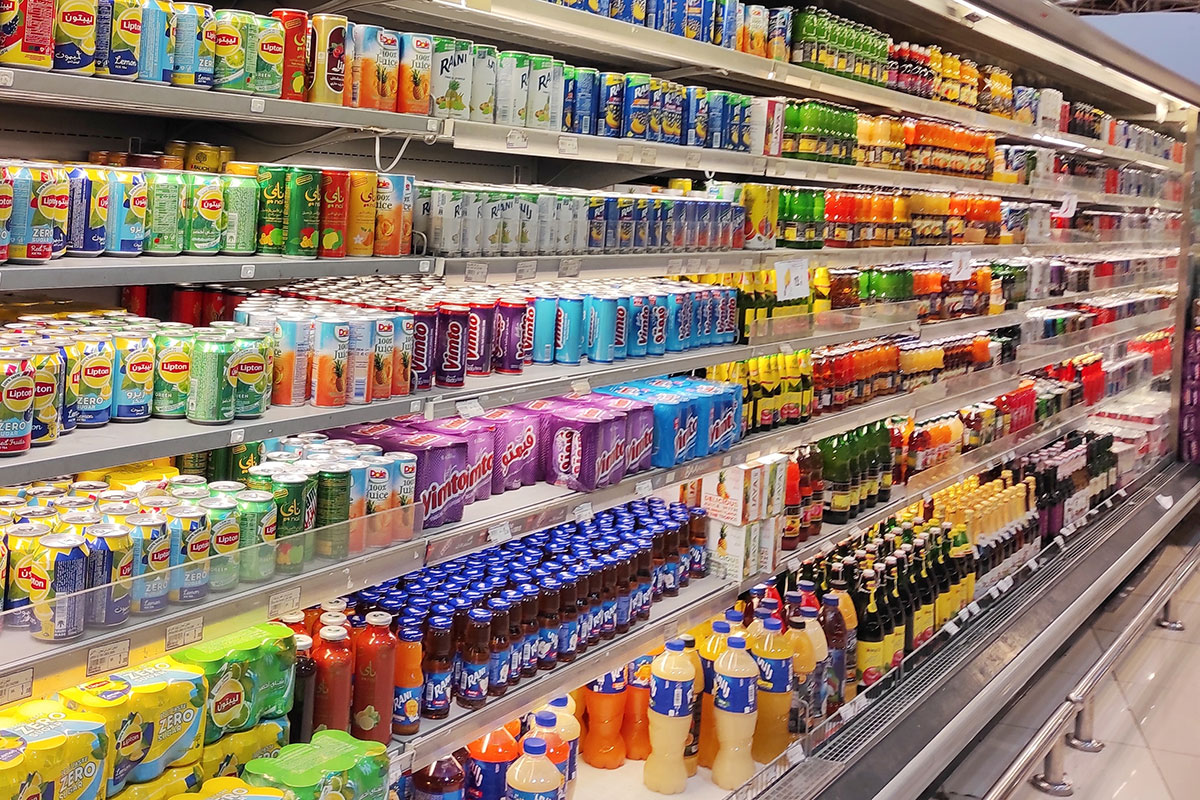
Saudi Arabia has said it will implement the new GCC-wide ‘sugar tax’ from 1 January 2026, with the objectives of encouraging companies to reduce sugar in their products, promoting healthier consumer choices, and addressing health issues like obesity and dental decay.
Bandar Alkhorayef, Saudi’s Minister of Industry and Mineral Resources, while speaking to Al-Arabiya channel, said this issue was one of the major concerns raised by industrialists in the past, and has now been resolved.
Alkhorayef emphasised that the goal was to establish a policy that achieves a balance between preserving public health and reducing sugar consumption, while also allowing the industry to innovate and develop products.
The minister said the issue was more complex due to its connection with coordination at the Gulf Cooperation Council (GCC) level, and stated the tax policy changes came after reaching a comprehensive agreement among the concerned parties.
The Financial and Economic Cooperation Committee of the Gulf Cooperation Council (GCC) adopted a decision last month to amend the methodology for calculating selective tax on sweetened beverages.
Under the new tiered volumetric approach, tax will be assessed according to graded bands determined by the total amount of sugar per 100 millilitres of ready-to-drink sweetened beverages. This replaces the current flat-rate system, which imposes a fixed 50 per cent selective tax on the retail price of sweetened beverages.
Sweetened beverages are defined as any products to which a source of sugar, artificial sweeteners, or other sweeteners have been added. This includes beverages in all their forms, such as ready-to-drink beverages, concentrates, powders, gels, extracts, or any form that can be converted into a beverage.
“I was once an industrialist myself, and I know that the sector’s problems are endless, but the Kingdom has demonstrated its full commitment to cooperating with the private sector to address these challenges over the past years,” Alkhorayef added.



