
Business
Tax Deadlines Accidentally Got Turned Off for Three Years. Now What?


WASHINGTON—Oops. So it turns out that Congress may have turned off tax-filing and payment deadlines for more than three years.
A federal court ruled late last year that the tax code’s relaxed rules for disaster victims—combined with presidential disaster declarations during the Covid-19 pandemic—paused required deadlines between Jan. 20, 2020 and July 10, 2023. The ruling means that the traditional April 15 payment date and other required deadlines didn’t actually matter during that period—if the ruling stands after possible appeals.
Copyright ©2026 Dow Jones & Company, Inc. All Rights Reserved. 87990cbe856818d5eddac44c7b1cdeb8

“Project Hail Mary” is setting records for Amazon MGM and lighting the path for a box-office revitalization.
The science fiction flick, starring Ryan Gosling, has tallied more than $300 million globally since its theatrical opening two weeks ago. That marks the best performance for an Amazon MGM film ever.
“The runaway success of ‘Project Hail Mary’ represents a key turning point for Amazon MGM giving the distributor its first $100 million plus domestic box office earner,” said Paul Dergarabedian, head of marketplace trends at Comscore.
“Project Hail Mary” has held notably strong at the box office since its debut, with only a 32% drop in ticket sales from its first weekend in the U.S. to its second and a nearly unheard of 5% decline internationally. A typical Hollywood blockbuster will see a 50% to 70% drop in ticket sales from opening weekend to the second weekend after the rush to the theater fades.
“When Amazon showcased ‘Project Hail Mary’ at CinemaCon exactly one year ago, it was clear the studio had big plans in mind,” said Shawn Robbins director of analytics at Fandango and founder of Box Office Theory. “After two incredible weekends so far, the movie is a major contributor in year-over-year box office gains.”
Domestically, the film has tallied about $165 million, helping to prop up first-quarter box-office numbers alongside Disney’s “Hoppers” and Paramount’s “Scream 7.” Through Sunday, the domestic box office has tallied $1.75 billion so far this year, up 23% from the same period last year.
Back in 2022, e-commerce giant Amazon and relative upstart movie studio MGM promised to spend around $1 billion each year on theatrical releases, a figure that would fund between 12 and 15 films annually. Last year, the company said it had 14 titles lined up for 2026.
This surge of theatrical content is just what the domestic box office needs. While blockbuster franchise films have been abundant in the wake of the pandemic, the overall number of wide releases has shrunk over the last decade. Even before Covid and dual Hollywood labor strikes slowed production down, Hollywood was making fewer and fewer movies each year, according to data from Comscore.
At the same time that studios were altering their film slates, movie houses were merging. The most recent union between the Walt Disney Co. and 21st Century Fox, first announced in 2017 and finalized in early 2019, resulted in the loss of between 10 and 15 film releases annually, Comscore data shows.
The pending merger of Paramount and Warner Bros. Discovery has Hollywood fearful of even fewer theatrical releases.
While Paramount has said it is committed to releasing 15 films from each studio, it’s unclear if the combined company will be able to keep up with that kind of production.
In the meantime, Amazon appears poised to fill a gap in the schedule.
The company’s upcoming slate is a diverse offering of films: Coming this year are features like “The Sheep Detectives,” a comedy murder mystery due out in May, the action-packed “Masters of the Universe” set for June and “Verity,” a psychological thriller adapted from the Colleen Hoover book of the same name, arriving in October.
Like “Project Hail Mary,” which is based on the book by Andy Weir, “Verity” may benefit from a built-in fanbase of readers who want to see the story translated to the big screen.
“Bottom line, ‘Project Hail Mary’ is the studio’s new gold standard for what they can accomplish in the world of cinema,” Robbins said. “That’s good news for an entire industry still adapting to the tailwinds of shorter windows, consolidation, and ever-evolving consumer habits. You can bet every studio, even the old guard, in the business will be looking at the takeaways from Amazon’s success with this film. The power of the moviegoing experience is on full display right now.”
Disclosure: Versant is the parent company of CNBC and Fandango.
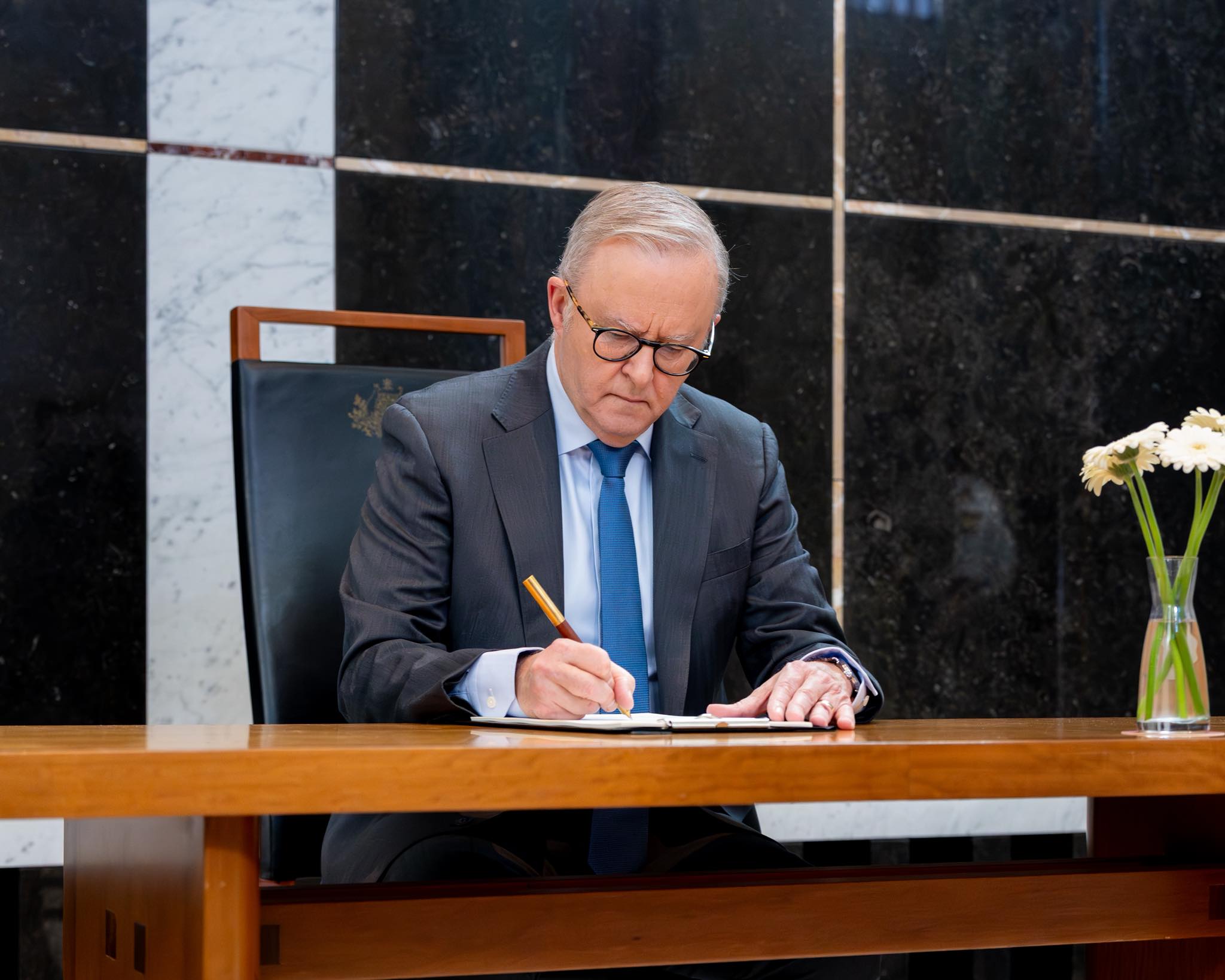

Prime Minister Anthony Albanese is scheduled to address the nation regarding the government’s response to the Iran War.
The address is scheduled to take place Wednesday night, specifically at 7 p.m. AEDT.
Albanese to Address Australia Wednesday Night
According to Sky News, Albanese is expected to go into detail regarding how his government has responded to the ongoing conflict in the Middle East.
The report notes that it is unusual for the prime minister to address the nation as a whole during times of crisis.
The last one to do so was Scott Morrison, who delivered a national address in 2020 as the world battled the COVID-19 pandemic.
Albanese to Discuss Fuel Crisis
Prime Minister Albanese is likewise expected to discuss concerns regarding the supply and price of fuel amidst the ongoing war.
According to ABC News, he is expected to asked Australians to save fuel for areas and industries that need it most.
He is likewise expected to stress that Australians must “play their part” as the crisis continues.
Sky News reports that ministers under the Albanese government has already limited their travel to save fuel.

Boeing Vs. Airbus: The Iran War Shock And The Production Reality

RBC Capital upgrades Barratt Redrow stock rating on valuation
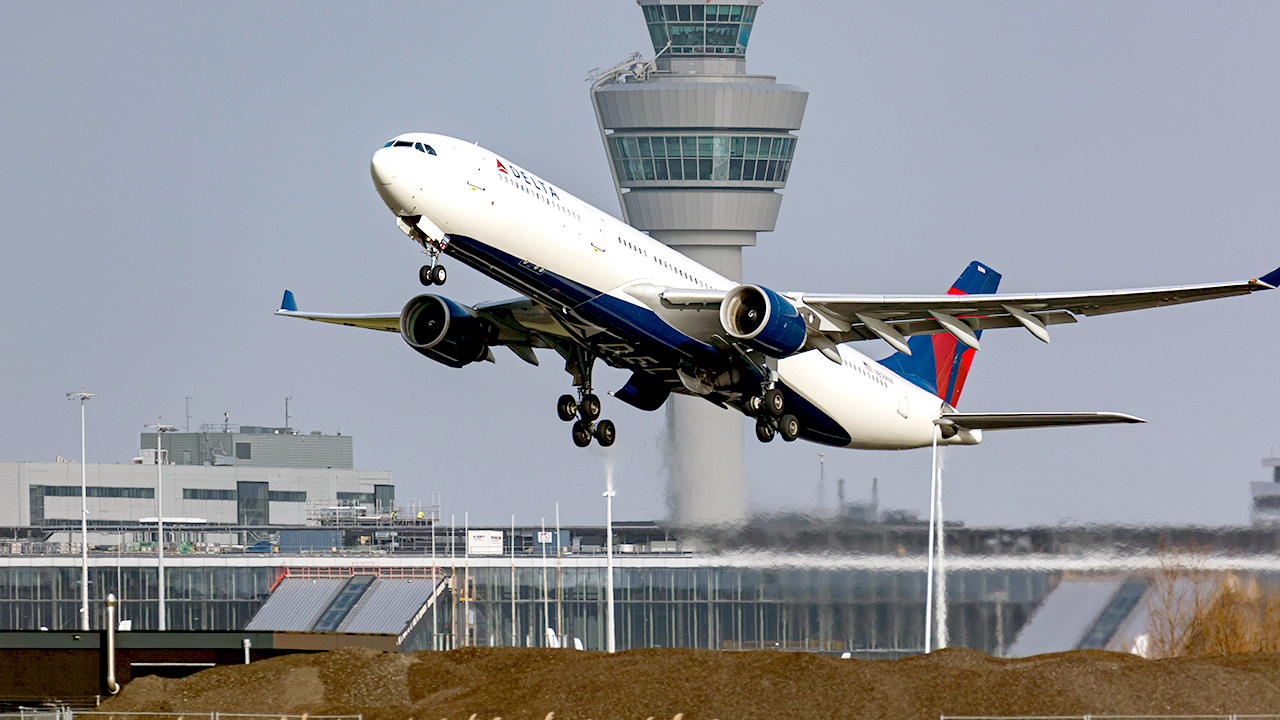
A Delta Air Lines flight bound for Atlanta returned to São Paulo, Brazil, shortly after takeoff Sunday night following an engine issue, according to the airline and local reports.
Delta Flight 104, operated on an Airbus A330-300, experienced a mechanical issue with its left engine after departing São Paulo International Airport, the company said.
The aircraft, carrying 272 passengers and 14 crew members, landed safely and was met by airport rescue and firefighting teams, Delta said. No injuries were reported.
UNITED AIRLINES WARNS AIRFARES COULD JUMP 20% AS OIL PRICES CONTINUE TO SURGE
Delta did not provide additional details about the nature of the mechanical issue or what may have caused it.
Brazilian outlet G1 reported that a passenger-recorded video appeared to show the left engine failing seconds after takeoff, though Reuters said it could not independently verify that report.
The incident also caused delays for other flights departing São Paulo International Airport, according to G1.
CLICK HERE TO GET FOX BUSINESS ON THE GO
Delta has not said whether the aircraft has been taken out of service. FOX Business has reached out to the airline for additional comment.
Reuters contributed to this report.

Industry body UK Steel welcomes reports government is considering legislation to take full control of the operation, providing certainty for 3,500 Scunthorpe workers
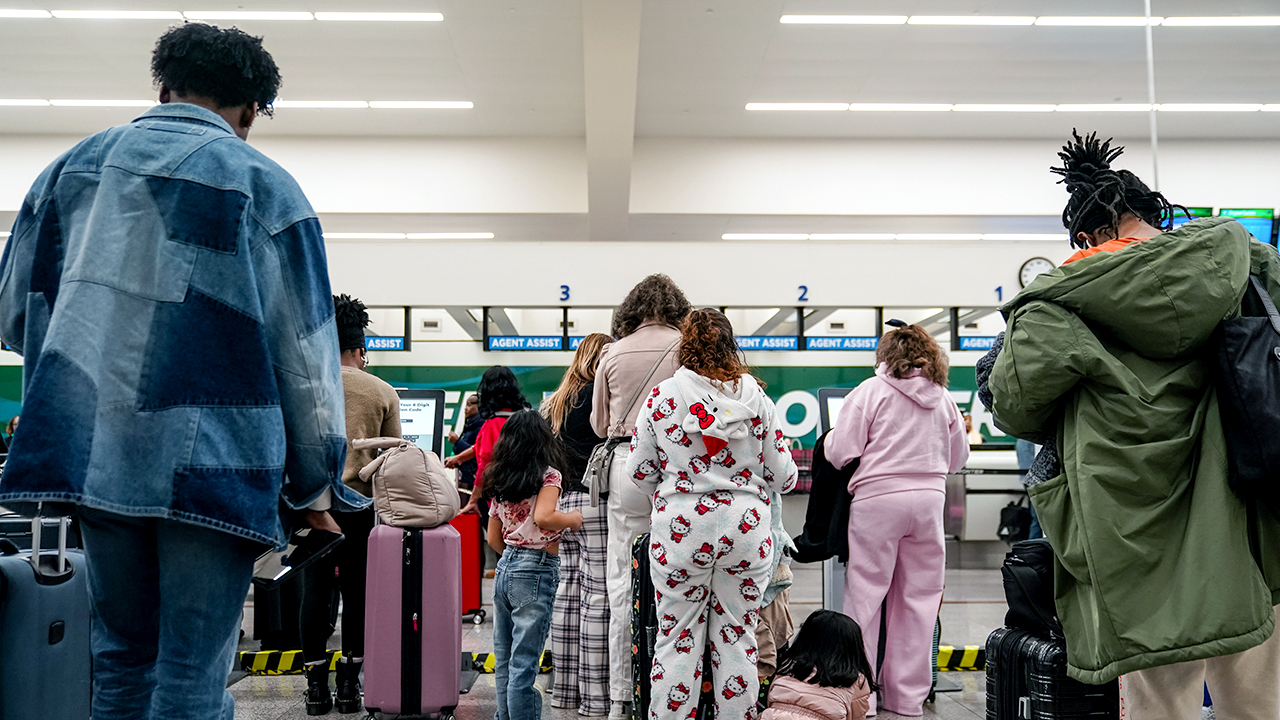
Three women are facing criminal charges after authorities said they refused to pay an extra carry-on bag fee, triggering a confrontation that delayed a Frontier Airlines flight at Miami International Airport.
Nafisa Dockery, 30, Dionjana Cochran, 21, and Davana Cochran, 26, were each charged with trespassing after warning and resisting an officer without violence, according to arrest reports. Dockery also faces an additional battery charge.
The incident delayed a Philadelphia-bound flight by about one hour, authorities said.
According to an arrest report, the women were waiting to board a Frontier Airlines flight when an employee asked them to pay for an additional carry-on bag. A verbal confrontation followed, and the women were warned they could be removed from the flight if they did not comply.
The report states Dockery told the other two women to ignore the employee, and they proceeded onto the plane through a restricted area.
Miami-Dade Sheriff’s Office deputies responded, and a Frontier manager requested the women be removed after their boarding passes were canceled. Deputies told the women to leave the aircraft, but they refused and were given multiple warnings, the report said.
Authorities cleared the plane of passengers before the women began to exit. Dockery allegedly spat on another person during the incident, according to the report.
Deputies then instructed the women to put their hands behind their backs, but they refused, and a struggle ensued.
CLICK HERE TO GET FOX BUSINESS ON THE GO
All three women were taken to the Turner Guilford Knight Correctional Center following the incident, authorities said. Bond was set at $4,000 for Dockery and Dionjana Cochran, and $2,000 for Davana Cochran, according to jail records.

The state government is allocating a total pool of $15 million in interest-free loans to WA’s beleaguered nickel miners in a bid to spur the restart of a spate of mothballed mines.
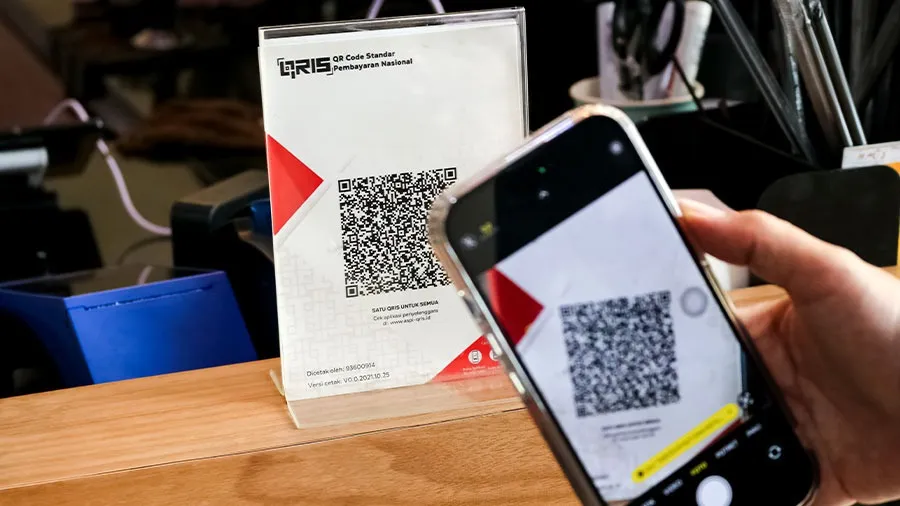
Indonesia aims to expand QRIS interoperability across APEC, boosting cross-border digital payments, regional commerce, with rapid adoption domestically and in neighboring countries like Malaysia, Singapore, and Thailand.
Key Points
- Expansion of QRIS across APEC: Indonesia is pushing its Quick Response Code Indonesian Standard (QRIS) to be interoperable across Asia-Pacific Economic Cooperation (APEC) nations. The goal is to strengthen cross-border digital payments and regional trade.
- Economic significance: APEC economies account for about 70% of Indonesia’s exports, including major partners like China, Japan, the U.S., and South Korea.
- Domestic adoption: Since its launch in 2019, QRIS has grown rapidly. By mid‑2025, it was used by around 39.3 million merchants and 57 million users, showing strong acceptance in retail and consumer payments.
Indonesia Expands QRIS Interoperability in APEC
Indonesia is advancing its QRIS (Quick Response Code Indonesian Standard) initiative to foster interoperability across Asia-Pacific Economic Cooperation (APEC) nations. This move aims to bolster cross-border digital payments and enhance regional trade, aligning with Indonesia’s economic ties to APEC economies, which comprise around 70% of its exports, including China, Japan, the U.S., and South Korea.
Key Opportunities for Thai Businesses
- Tourism & Retail: With QRIS already interoperable in Thailand, merchants can seamlessly accept payments from Indonesian visitors. This reduces reliance on cash and foreign card networks, boosting convenience and sales.
- Cross‑border Trade: Thai exporters and SMEs gain easier payment settlement with Indonesian partners, lowering transaction costs and speeding up cash flow.
- Regional Integration: As QRIS expands across APEC, Thai firms positioned early can benefit from smoother transactions with other economies like Malaysia and Singapore, strengthening regional competitiveness.
Rapid Growth of QRIS in Indonesia
Since its launch by Bank Indonesia in 2019, QRIS has become one of Southeast Asia’s leading QR-based payment systems. By mid-2025, it supported roughly 39.3 million merchants and around 57 million users, reflecting its widespread acceptance in the country’s retail sector. The system’s expansion indicates significant adoption of mobile payments across Indonesian businesses and consumers.
Increasing Cross-Border Payment Activity
Transaction volumes mirror the system’s growing popularity, with Bank Indonesia reporting 6.05 billion QRIS transactions valued at IDR 579 trillion (US$37 billion) in the first half of 2025. Early cross-border activity is promising, with Indonesia’s neighboring countries—Malaysia, Singapore, and Thailand—recording transactions worth approximately IDR 1.66 trillion (US$105 million), demonstrating regional integration of QR payments.
Read the original article : Indonesia’s QRIS Expansion Across APEC and What It Means for Businesses
Other People are Reading
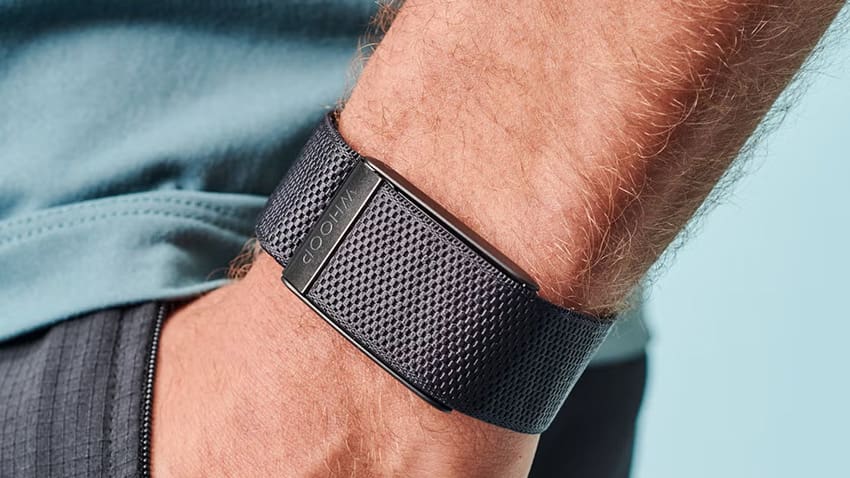
WHOOP has raised $575 million in fresh funding at a $10.1 billion valuation, as it accelerates its ambition to build a global platform for personalised, preventative healthcare powered by artificial intelligence and biometric data.
The Series G round was led by Collaborative Fund and drew participation from a broad mix of institutional investors, sovereign wealth funds and healthcare leaders, including Qatar Investment Authority and Mubadala Investment Company. Strategic backing also came from Abbott and Mayo Clinic, highlighting growing convergence between technology and traditional healthcare systems.
The round also attracted high-profile individual investors from the worlds of sport and entertainment, including Cristiano Ronaldo, LeBron James and Rory McIlroy, reflecting WHOOP’s strong association with elite performance and wellness.
The investment comes at a time when healthcare systems globally are under increasing strain from rising rates of chronic disease and ageing populations. WHOOP is positioning itself at the forefront of a shift from reactive treatment to preventative, data-driven health management.
Founder and chief executive Will Ahmed said the company is building a platform designed to help individuals monitor, understand and improve their health continuously.
“We are creating a personal health system that enables people to improve both their performance and long-term wellbeing,” he said.
At the core of the platform is continuous biometric monitoring, combined with AI models trained on more than 24 billion hours of physiological data. This allows WHOOP to deliver personalised insights into sleep, recovery, stress and physical performance, as well as early indicators of potential health risks.
WHOOP has experienced strong growth in recent years, with more than 2.5 million members globally and bookings rising 103 per cent in 2025 to reach a $1.1 billion run rate. The company also reported positive operating cash flow during the year, underlining its financial momentum.
The new funding will support further expansion across key international markets, including Europe, the Gulf region, Latin America and Asia, as well as continued growth in the United States.
To support this expansion, WHOOP plans to hire more than 600 additional employees globally, focusing on research, development and product innovation.
The involvement of established healthcare organisations such as Abbott signals a broader shift towards integrating consumer technology with clinical expertise.
By combining wearable technology with advanced analytics, WHOOP aims to provide a more holistic view of health, enabling users to make informed decisions about their lifestyle and potentially prevent serious conditions before they develop.
The platform’s high engagement levels, with users opening the app multiple times per day, highlight the growing demand for real-time health insights that go beyond traditional fitness tracking.
While WHOOP initially gained traction among athletes and high-performance individuals, the company is now targeting a broader audience, including executives, professionals and consumers seeking to optimise both health and productivity.
The focus is increasingly on “healthspan”, the length of time individuals remain healthy and active, rather than simply lifespan.
Cristiano Ronaldo, an investor and ambassador, described the platform as a key tool in managing his own health, reflecting its positioning at the intersection of performance and wellbeing.
The latest funding round reinforces WHOOP’s position as one of the most valuable players in the rapidly expanding digital health sector.
As advances in AI and data analytics continue to reshape healthcare, companies that can combine technology, user engagement and clinical relevance are expected to play a central role in the future of the industry.
For WHOOP, the challenge now is to scale its platform globally while maintaining accuracy, trust and regulatory compliance, transforming wearable data into meaningful, actionable health outcomes at scale.

Jamie Young
Jamie is Senior Reporter at Business Matters, bringing over a decade of experience in UK SME business reporting.
Jamie holds a degree in Business Administration and regularly participates in industry conferences and workshops.
When not reporting on the latest business developments, Jamie is passionate about mentoring up-and-coming journalists and entrepreneurs to inspire the next generation of business leaders.

Solana Price Prediction: Interactive Brokers Supports SOL, Galaxy Doubles Down
Bravo star teases more fallout from Amanda Batula and West Wilson romance: 'Brace yourselves, America'

PETA have picked up another nonsense campaign


-

 News Videos6 days ago
Parliament publishes latest register of MPs’ financial interests
-
 Tech6 days ago
Intercom’s new post-trained Fin Apex 1.0 beats GPT-5.4 and Claude Sonnet 4.6 at customer service resolutions
-

 NewsBeat5 days ago
The Story hosts event on Durham’s historic registers
-

 Business6 days ago
Instagram, YouTube Found Responsible for Teen’s Mental Health Struggle in Historic Ruling
-
 NewsBeat7 days ago
Tesco is selling new Cadbury Dairy Milk bar and people can’t wait to try it
-

 Sports4 days ago
Sweet Sixteen Game Thread: Tide vs Michigan
-
Entertainment2 days ago
Fans slam 'heartbreaking' Barbie Dream Fest convention debacle with 'cardboard cutout' experience
-
 Entertainment3 days ago
Lana Del Rey Celebrates Her Husband’s 51st Birthday In New Post
-
Crypto World21 hours ago
Dems press CFTC, ethics board on prediction-market insider trades
-

 Sports17 hours ago
Tallest college basketball player ever, standing at 7-foot-9, entering transfer portal
-
 Fashion7 days ago
How to Style Spring Like WeWoreWhat: Easy Outfit Ideas for 2026
-

 Entertainment6 days ago
HBO’s Harry Potter Series Will Definitely Fail For One Big Reason, And It’s Not J.K. Rowling Or Snape
-

 Tech2 days ago
The Pixel 10a doesn’t have a camera bump, and it’s great
-

 Fashion6 days ago
En Vogue in Brown Leather and Tailored Neutrals by Atelier Savoir, Styled by J Bolin
-

 Crypto World1 day ago
U.S. rule change may open trillions in 401(k) funds to crypto
-

 Fashion6 days ago
What Are Your Favorite T-Shirts for the Weekend?
-

 Fashion5 days ago
Weekly News Update, 3.27.26 – Corporette.com
-

 Politics2 days ago
Should Trump Be Scared Strait?
-

 Sports1 day ago
Women’s hockey camp eyes fitness boost, tactics ahead of WC 2026 campaign | Other Sports News
-
 Sports6 days ago
Lewis Hall hopes to miss another summer of village cricket due to World Cup call
You must be logged in to post a comment Login