
Business
Thai Baht Appreciates 2.2% Against Regional Currencies as Bank of Thailand Intensifies Dollar Transaction Oversight

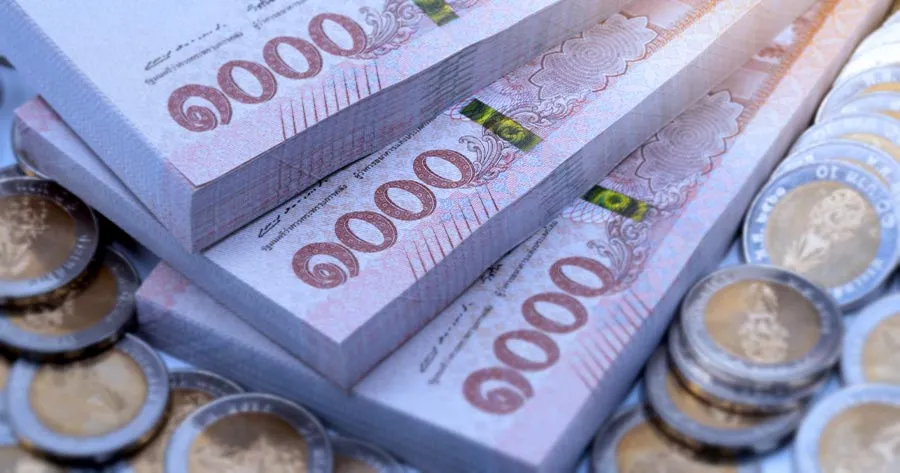
Thai Baht Gains 2.2% Against Regional Currencies Amid Increased Bank of Thailand Oversight on Dollar Transactions
The Thai Baht has appreciated by approximately 2.2% against regional currencies over the past month, amidst intensified efforts by the Bank of Thailand (BOT) to monitor and regulate dollar transactions. This currency movement reflects both macroeconomic stability and shifting investor sentiment towards the Thai economy.
Market Context
The Thai Baht’s recent strengthening aligns with broader regional trends, yet its notable appreciation contrasts with some neighboring currencies that have experienced volatility due to global monetary tightening. The BOT’s renewed focus on overseeing dollar transactions appears to have contributed to stabilizing the currency by mitigating speculative activity and enhancing policy transparency. Additionally, Thailand’s improved current account balance and foreign reserve levels support the Baht’s resilience.
Institutional Perspectives
Analysts view the Baht’s appreciation as a sign of confidence in Thailand’s economic fundamentals, including steady GDP growth and prudent fiscal management. The BOT’s measures are seen as a strategic move to prevent excessive appreciation that could harm export competitiveness. The central bank has emphasized that its actions aim to ensure currency stability while supporting sustainable growth. Several financial institutions suggest that the currency’s strength may reduce the risk of imported inflation and reinforce Thailand’s appeal to foreign investors.
Implications for Thailand and ASEAN
For Thailand, the strengthening Baht could improve purchasing power and reduce inflationary pressures, but may also pose challenges for export-driven sectors. Exporters could face margin squeezes if the currency remains firm, prompting potential adjustments in pricing strategies. Regionally, a stronger Thai Baht may influence cross-border trade and investment flows within ASEAN, possibly leading to shifts in regional supply chains or competitiveness. Policymakers are likely to monitor these developments closely to balance currency stability with growth objectives.
Risks, Challenges, and Opportunities
The primary risk remains continued global monetary tightening, which could trigger capital outflows and reverse recent gains. Additionally, unforeseen external shocks, such as geopolitical tensions or commodity price fluctuations, pose challenges to sustained currency appreciation. Conversely, the Baht’s strength offers opportunities to diversify investments and bolster Thailand’s foreign reserve buffer. The current stance underscores the importance of maintaining flexible exchange rate policies to adapt to evolving global conditions.
Forward Outlook
Looking ahead, the Thai Baht’s trajectory will depend on both domestic policy measures and external factors. The BOT’s vigilance in overseeing dollar transactions demonstrates a proactive approach to currency management. As Thailand navigates ongoing global uncertainties, maintaining a balanced approach will be crucial to sustaining economic stability and supporting growth. Investors and businesses should remain attentive to policy signals and regional currency trends in the coming months.



