Business
Thai Baht Reaches 4-Year Peak: A Surge Driven by Market Flows Over Core Fundamentals

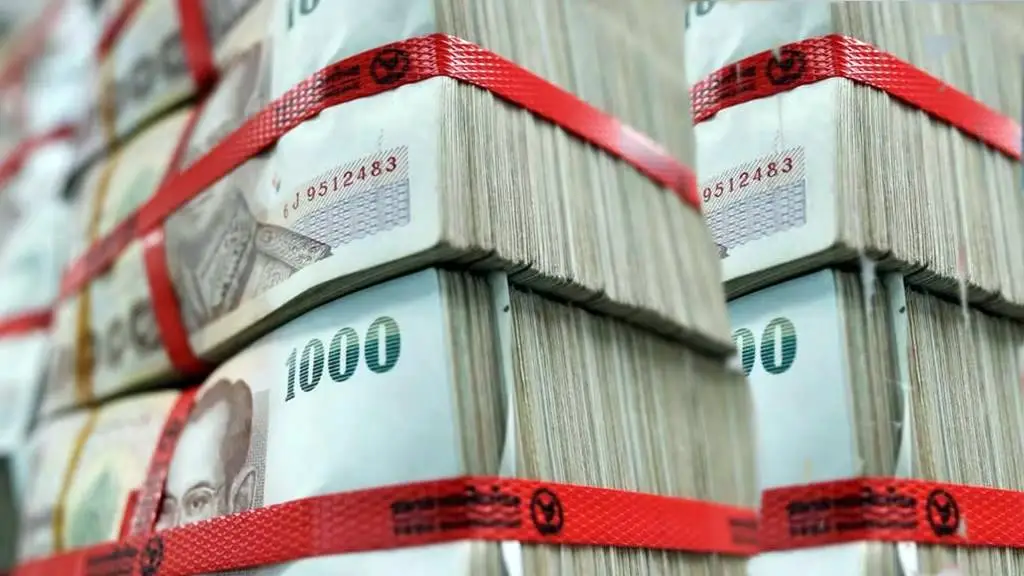
Thailand’s currency is enjoying a moment of strength that, on the surface, looks like a vote of confidence. The baht has surged to 31.523 per US dollar, its strongest level since June 2021, and is now the second‑best performer in Asia this year. But beneath the headline numbers lies a more complicated story—one shaped by global commodity flows, domestic economic fragility, and rising political risk.
A Rally Driven More by Flows Than Fundamentals
The baht’s appreciation—more than 8% year‑to‑date—is being propelled by two external forces:
- Record global gold prices, which have historically created large FX flows through Thailand’s gold trading ecosystem.
- A weaker US dollar, which has lifted most Asian currencies.
The Bank of Thailand (BoT) has long been wary of gold‑related volatility, and its latest move—tightening FX forward rules for gold traders—signals that policymakers see the current rally as excessive rather than healthy. The intervention underscores a recurring theme: the baht often strengthens for reasons that have little to do with Thailand’s underlying economic momentum.
The continued strength of the Thai baht has created significant challenges for Thailand’s economic growth, particularly in 2025 as the country faces sluggish expansion, political uncertainty, and external pressures. Baht appreciation has made Thai exports less competitive internationally and threatened the recovery prospects for critical sectors like tourism, adding further strain to an already fragile economy.
Recent expert analysis reveals that the Thai baht has surged to its highest level against the US dollar in over four years, prompting the Bank of Thailand to weigh policy measures to curb the currency’s rapid appreciation. This strengthening of the baht comes amid newly imposed US tariffs, further complicating export challenges for Thai businesses, which account for more than half of the nation’s GDP. The robust baht is also impacting the tourism sector, with industry leaders cautioning about potential declines in visitor numbers and spending.
A Strong Currency in a Weak Economy
The timing of the baht’s surge is awkward. Thailand’s economy is grappling with:
- Sluggish growth,
- Disinflation, and
- New US tariffs that are already squeezing exporters.
A stronger baht amplifies these pressures by making Thai goods less competitive abroad. Analysts argue that the currency’s strength increases the likelihood of monetary easing, either signaled or delivered, at the BoT’s upcoming meeting. Some even see the risk of further easing extending into 2026, a reflection of how misaligned the currency’s performance is with domestic conditions.
Analysts broadly predict that the Bank of Thailand will lower its policy interest rate by 0.25 percentage points during the Monetary Policy Committee (MPC) meeting on December 17, 2025. This expected reduction would decrease the policy rate to 1.25% as the central bank addresses ongoing economic challenges, such as GDP contraction and deflationary pressures.
Economic conditions prompting the expected move include Thailand’s sharp GDP slowdown in the third quarter of 2025—growth fell to just 1.2% year-on-year, the weakest pace in four years, and a 0.6% contraction from the previous quarter GDP decline.
Further, Thailand has experienced eight consecutive months of negative inflation readings deflation, highlighting ongoing disinflationary pressures. Additional drivers include weakening domestic demand, a slump in tourism, recent flooding impacts, rising geopolitical risks, and negative market sentiment. The central bank has suggested that although monetary policy alone cannot solve all structural issues, a rate cut could help stem volatility, support consumption, and stabilize the Thai economy as it faces continued uncertainty into 2026.
Tourism Adds Tailwinds, But Not Stability
Peak tourism season is providing additional support to the baht. While this inflow is welcome, it is also seasonal and temporary. Tourism‑driven currency strength is notoriously volatile—highly sensitive to geopolitical events, travel restrictions, and global sentiment. It does not provide the kind of structural support that would justify a sustained rally. Furthermore, relying heavily on tourism as a key driver for currency strength exposes the economy to external shocks. Diversification of revenue streams and investments in other sectors are crucial to building a more resilient economic foundation.
Political and Geopolitical Risks Loom Large
The baht’s rise might already be reaching its peak due to two destabilizing factors.
1. Border clashes with Cambodia
These tensions are undermining investor confidence and introducing a geopolitical risk premium that Thailand has not had to contend with in years. This uncertainty could potentially deter foreign investments, slow economic growth, and impact Thailand’s position as a stable hub for regional business operations.
2. A looming election
With polls potentially taking place as early as February, political uncertainty is set to intensify. Barclays analysts warn that a “political risk premium” could build into the new year, potentially reversing some of the baht’s recent gains.
The Outlook: Supported, But Vulnerable
The baht is likely to remain buoyed in the near term by:
- A soft US dollar,
- Seasonal Q4 strength, and
- Residual gold‑related flows.
But the rally rests on fragile foundations. Thailand’s economic fundamentals do not justify a strong currency, and its political landscape is entering a period of heightened uncertainty. The BoT’s intervention signals discomfort, not confidence.
The Bank of Thailand has responded to the sharp appreciation of the baht in 2025 by introducing several targeted measures aimed at cooling the currency’s rise. These actions include tightening controls on gold traders’ foreign exchange transactions, requiring major gold traders to provide detailed transaction data, and proposing to raise the foreign income limit that companies can keep abroad without repatriation from $1 million to $10 million per transaction.
Analysts say these steps are intended to slow the inflow of foreign currency and mitigate the impact of rapid baht appreciation on Thailand’s export and tourism competitiveness. In addition, the central bank has considered broader oversight of gold-related financial activity, with policies that aim to better track cross-border gold settlements, some of which may even involve cryptocurrencies. Interest rate cuts have also been discussed, although the Bank of Thailand indicated that such moves would only have limited impact on deeper structural issues in the Thai economy. The focus remains on direct and transparent monitoring in the foreign exchange and gold markets to stabilize the baht and protect key industries.
In short, the baht’s four‑year high is less a sign of economic resilience and more a reminder of how vulnerable Thailand remains to external flows and internal instability. The currency may be strong today, but the forces shaping it are anything but.