Business
Thailand Elevates Rice Market with Premium Strategy

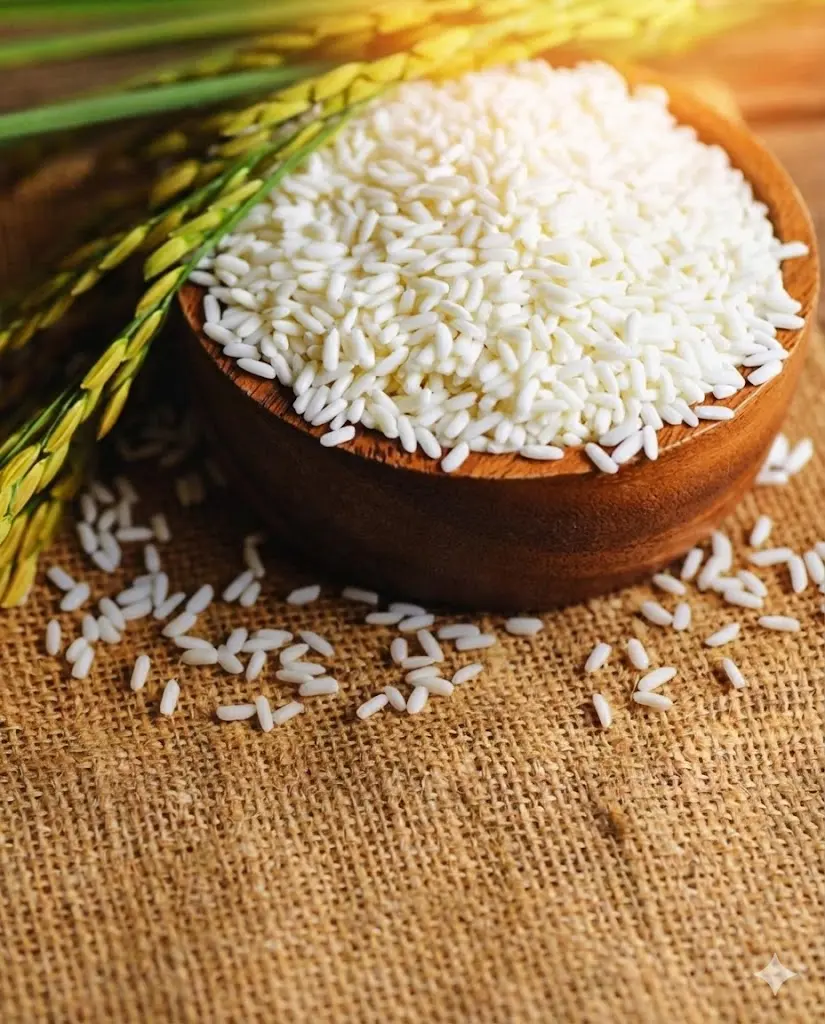
The Ministry of Commerce is branding Thai rice as a premium product, enhancing its appeal through unique varieties. This initiative aims to support small farmers, boost incomes, and increase market visibility.
Key Points
- The Ministry of Commerce is promoting “Premium Rice” to reposition Thai rice as a high-quality product, moving beyond traditional commodity exports. This initiative focuses on unique aroma, texture, and health benefits tailored for consumers and professional kitchens, particularly for dishes like fried rice and congee.
- Research has identified nearly 900 native Thai rice varieties with strong commercial potential. By emphasizing local strains with unique traits, Thailand aims to enhance its competitiveness in the global rice market, addressing challenges faced by small-scale farmers and promoting value-added production.
- Implementation involves 200 model farmer groups categorized by readiness levels. Certified organic groups are entering new markets, while developing and entry-level groups receive support in processing and training. The ministry partners with various organizations to increase visibility for Artisan Rice through cooking shows and airline collaborations.
The Ministry of Commerce is repositioning Thai rice as a premium product by promoting “Premium Rice,” a category defined by distinctive aroma, texture, and specialized functional qualities. The approach is set to move Thai rice beyond conventional commodity exports by offering varieties tailored for health-conscious consumers and professional kitchens, including rice suitable for fried rice, congee, and low-glycemic diets.
Joint research with partners across multiple sectors has identified nearly 900 groups of native Thai rice varieties with strong commercial potential. These local strains possess unique genetic traits that support higher-value positioning in both domestic and overseas markets, strengthening Thailand’s competitiveness in the global rice trade.
The policy responds to long-standing challenges faced by small-scale farmers, who have typically sold unmilled paddy rice at low margins and with limited bargaining power. The ministry, by upgrading local and GI rice grown through region-specific knowledge, is shifting farmers toward value-added production that can deliver higher incomes and greater market leverage.
Implementation has begun with 200 model farmer groups organized into three readiness levels. Groups already certified under organic standards are expanding into new markets, with 20 rice varieties now undergoing test sales in Middle Eastern destinations such as Dubai. Developing groups are receiving support for processing equipment and links to local restaurants and hotels, while entry-level groups are undergoing training in rice selection, milling techniques, and sales channel development.
To increase visibility, the ministry is working with Heliconia H Group to feature Artisan Rice as a primary ingredient on popular cooking shows broadcast across Asia. Partnerships with Thai Airways, AirAsia, and Bangkok Airways are also placing these rice varieties in airline lounges and onboard meals.