Business
Thailand Reinstates Covid-Era Measures in Response to Nipah Virus Threat

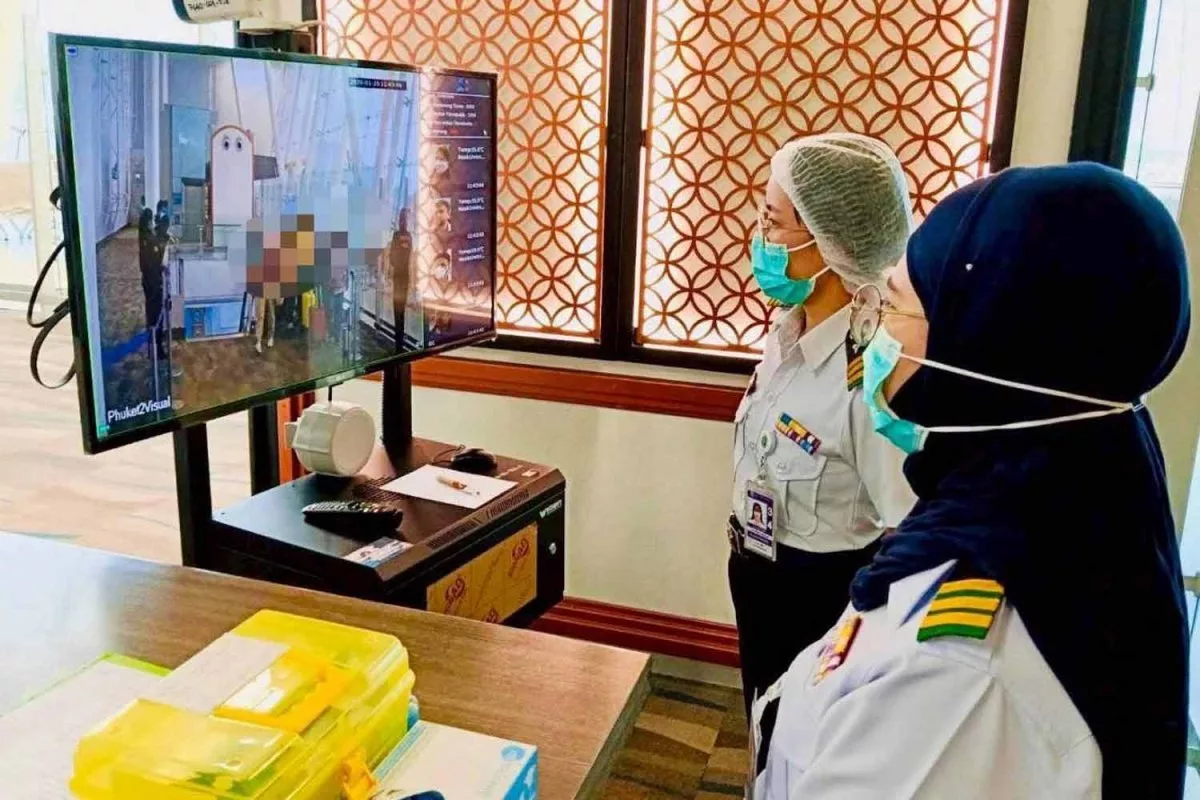
Thailand has reactivated disease control measures previously used during the Covid-19 pandemic to preempt a potential Nipah virus outbreak, as announced by Prime Minister Anutin Charnvirakul.
Despite there being no reported Nipah cases within Thailand, these heightened precautions are deemed necessary due to the absence of a cure or vaccine for the highly lethal virus. Screening systems have been adapted from the Covid-19 response model, with particular emphasis on intensified screening for arrivals from countries identified as high-risk, such as India.
Upon arrival in Thailand, passengers from Kolkata must pass through thermal scanners at any of the three airports to check their body temperatures and complete a health condition form. This form will be retained for subsequent monitoring.
As of the latest reports, 332 passengers arriving on flights TG314 and GE1911 have successfully undergone screening at Suvarnabhumi International Airport and were cleared for entry. The Department of Disease Control has officially confirmed that no Nipah virus infections have been detected in humans within Thailand, emphasizing that the country has a robust and long-standing monitoring system based on the “One Health” concept. Earlier, the Thai Consulate General in Kolkata had issued a health warning, advising Thai nationals, especially pilgrims travelling to Bodh Gaya and nearby areas in Bihar state, to exercise caution due to the Nipah virus outbreak in West Bengal.
The Prime Minister sought to allay public fear, stressing that Nipah virus is transmitted through bodily fluids, not airborne, making it less likely to spread rapidly through casual contact. He advised the public to maintain good hygiene practices, including consuming freshly cooked food, using serving spoons, frequent hand washing, and avoiding handshakes. The Public Health Ministry is tasked with issuing official announcements and hygiene guidelines to prevent unwarranted panic.