
Business
Thailand’s Automotive Sector at a Crossroads: EV Transition Brings Promise and Pain

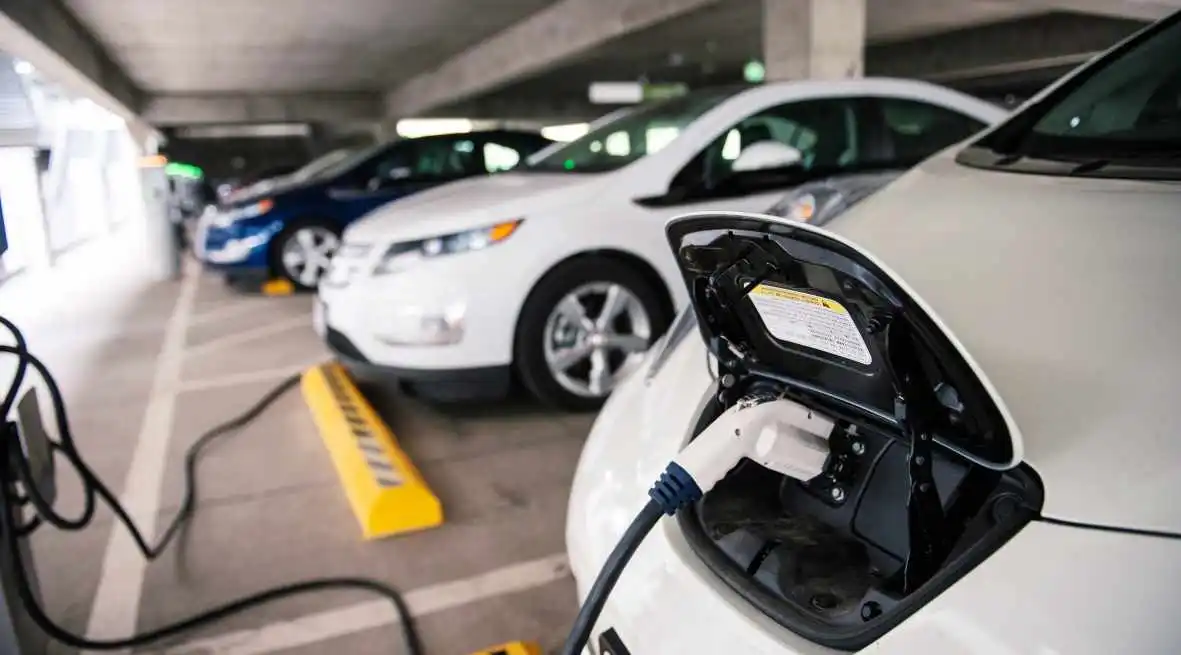
Bangkok, December 2025 — Thailand, Southeast Asia’s leading automotive hub, is undergoing a profound transformation as the global shift from internal combustion engine (ICE) vehicles to electric vehicles (EVs) accelerates. Once a pillar of the economy contributing more than 10 percent of GDP and employing over half a million workers, the sector now faces both short‑term disruption and long‑term opportunity.
Under the government’s “30@30” vision, Thailand aims for 30 percent of domestic vehicle production to be EVs by 2030. To achieve this, policymakers have rolled out two major incentive packages. EV 3.0 (2022–2023) focused on stimulating demand through subsidies, tax cuts, and a 1:1 local production requirement. EV 3.5 (2024–2027) builds on this by tightening local production ratios, broadening support to commercial EVs, and enforcing stricter compliance with domestic standards.
EV 3.0 and EV 3.5 Explained
- EV 3.0 (2022–2023): Purchase subsidies, tax reductions, and a 1:1 local production requirement.
- EV 3.5 (2024–2027): Tightening local production ratios (up to 3:1 by 2027), stricter compliance standards, and expanded support for commercial EVs such as buses and trucks.
“These policies have successfully attracted foreign direct investment and positioned Thailand as a rising EV production base,” said Xianguo Huang, Senior Economist at the ASEAN+3 Macroeconomic Research Office (AMRO). “But the rapid pace of change has also intensified adjustment pressures on incumbent firms, workers, and legacy supply chains.”
EV imports surged after 2022, and in August 2025, a major Chinese manufacturer began exporting EVs from its Thai facility — a milestone in Thailand’s integration into regional supply chains. Yet the transition has created significant frictions. Traditional auto‑parts SMEs, specialized in ICE components such as engines and transmissions, face declining demand and uncertain futures. Domestic auto sales remain weak, weighed down by household debt and global competition.
Economic analysis shows the sector’s contribution to GDP has moderated during the EV transition, with elasticity estimates pointing to weaker growth impact between 2022 and 2024. Short‑term costs — job displacement, supply chain disruption, and capital reallocation — are substantial.
Challenges for SMEs and Workers
The transition has disrupted traditional auto‑parts suppliers, especially SMEs specializing in ICE components like engines and transmissions. Domestic auto sales remain weak due to household debt and global competition, while industrial sentiment has softened.
Experts argue that inclusive policies are essential to safeguard the transition. Reskilling programs for displaced workers, transition funds for SMEs, and tailored financing to help firms adapt to new technologies could cushion the disruption while building resilience.
“Thailand’s EV journey represents more than a sectoral shift — it is a structural inflection point for the broader economy,” Huang added. “With timely, coordinated, and forward‑looking policies, the country has a narrow but critical window to transform its automotive sector into a new engine of productivity, innovation, and sustainable growth.”
Looking Ahead
Thailand’s EV transition is more than a sectoral shift — it is a structural inflection point for the economy. With timely, coordinated, and inclusive policies, the country has a narrow but critical window to transform its automotive sector into a new engine of productivity, innovation, and sustainable growth.
Source : Selected-Issue_Thailands-Automotive-Sector-at-a-Crossroads_Managing-the-Transition-to-EVs.pdf
About AMRO
The ASEAN+3 Macroeconomic Research Office (AMRO) is an international organization that conducts macroeconomic surveillance, policy analysis, and research to support the financial stability and sustainable growth of ASEAN+3 economies.



