
Business
This Country’s Hot Stock Market Won’t Help You Spread Your Bets

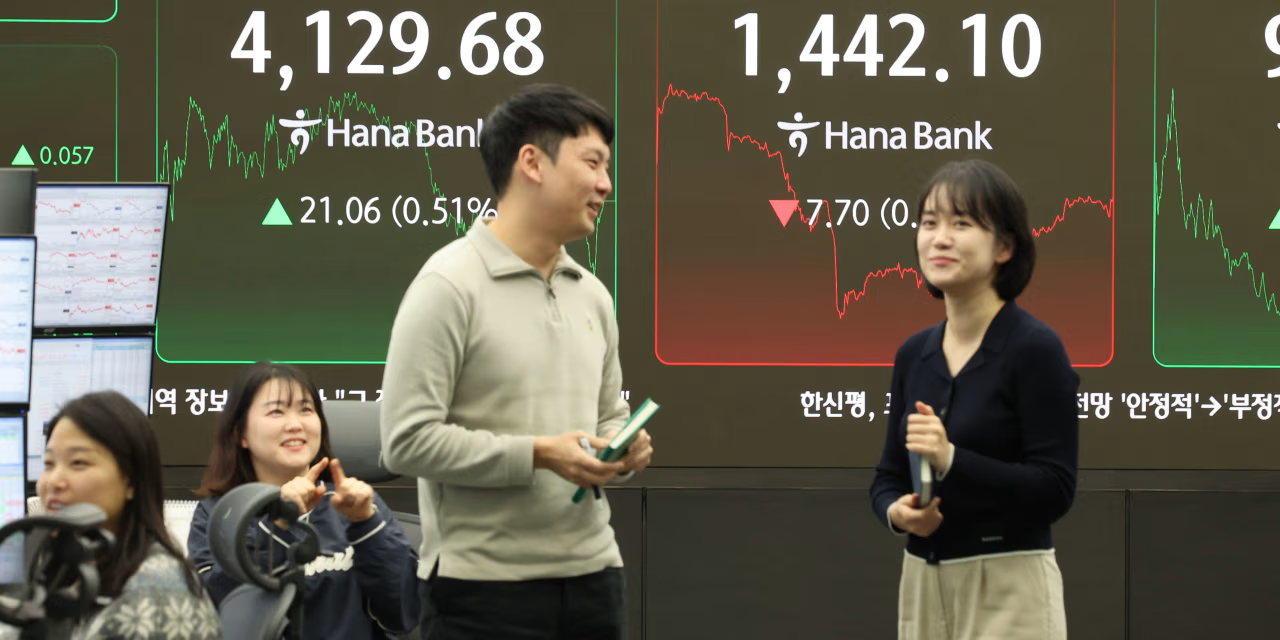

This is Heard on the Street editor Aaron Back filling in for Spencer Jakab. Tariffs loom over markets again after President Trump on Saturday said he would increase to 15% global levies meant to replace ones struck down by the Supreme Court. Futures pointed to a down open for stocks and gold prices are rising, as investors weigh trade uncertainty, what Trump’s State of the Union address Tuesday might bring and the prospect of U.S. strikes on Iran.
📈 Follow our live markets coverage, updated throughout the day.
Copyright ©2026 Dow Jones & Company, Inc. All Rights Reserved. 87990cbe856818d5eddac44c7b1cdeb8

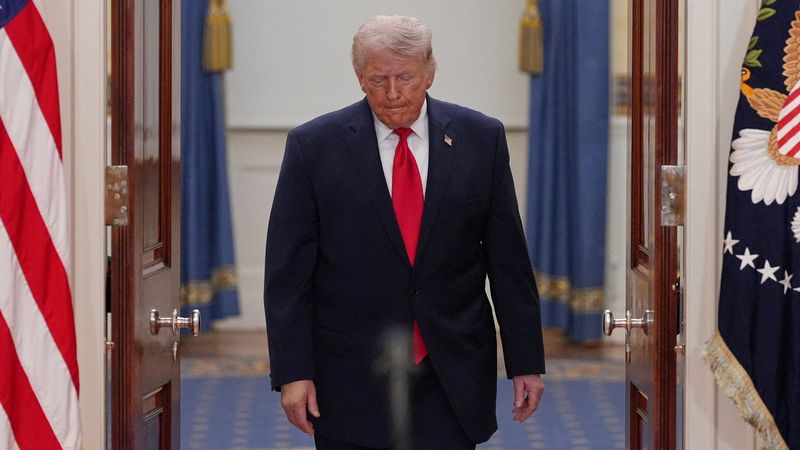

Trump says US forces are ’clearing’ Strait of Hormuz


JR Research is an opportunistic investor. I was recognized by TipRanks as a Top Analyst, and also by Seeking Alpha as a “Top Analyst To Follow” for Technology, Software, and Internet, as well as for Growth and GARP. I identify attractive risk/reward opportunities supported by robust price action to potentially generate alpha well above the S&P 500. My picks have consistently demonstrated market outperformance over time. My approach combines timely and sharp price action analysis with fundamentals as my foundation. I also tend to avoid overhyped and overvalued stocks while capitalizing on battered stocks with significant upside recovery possibilities. I run the investing group Ultimate Growth Investing which specializes in identifying high-potential opportunities across various sectors. My main ideas revolve around stocks with strong growth potential, and also well-beaten contrarian plays. I designed the group for investors seeking to capitalize on growth stocks with solid fundamentals, robust buying momentum, and appealing turnaround plays to generate alpha consistently. Learn more
Analyst’s Disclosure: I/we have a beneficial long position in the shares of XLK, IGV, CRWD, MSFT, PLTR, NOW, CRM either through stock ownership, options, or other derivatives. I wrote this article myself, and it expresses my own opinions. I am not receiving compensation for it (other than from Seeking Alpha). I have no business relationship with any company whose stock is mentioned in this article.
Seeking Alpha’s Disclosure: Past performance is no guarantee of future results. No recommendation or advice is being given as to whether any investment is suitable for a particular investor. Any views or opinions expressed above may not reflect those of Seeking Alpha as a whole. Seeking Alpha is not a licensed securities dealer, broker or US investment adviser or investment bank. Our analysts are third party authors that include both professional investors and individual investors who may not be licensed or certified by any institute or regulatory body.

Aurobindo Pharma’s share buyback and Muthoot Finance’s dividend announcement headline a set of four key corporate actions lined up for the coming week.
Business
9 equity mutual fund categories see inflows in March. Flexi-cap hits record Rs 10,054 crore
Nine equity mutual fund categories recorded inflows in March, with flexi-cap funds leading the surge and hitting a record ₹10,054 crore.
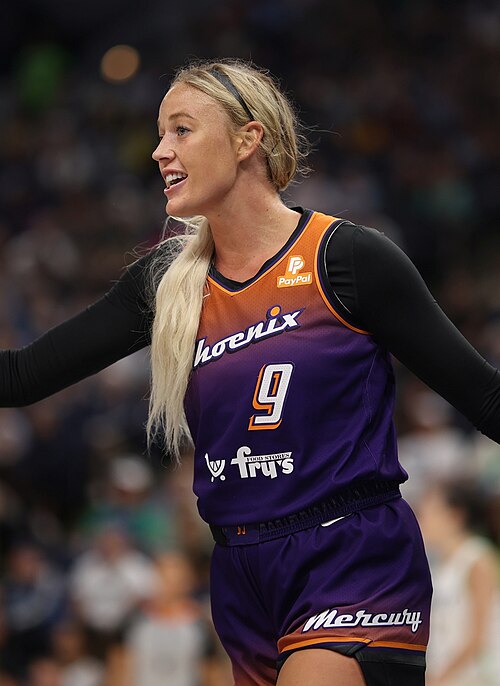
INDIANAPOLIS — Indiana Fever guard Sophie Cunningham isn’t shying away from the realities of stardom in the booming WNBA. In a revealing new interview with GQ Sports, the 29-year-old sharpshooter detailed everything from unsettling fan encounters with “old creepy men” to the pure joy of inspiring the next generation of young athletes.

The conversation, which has quickly gone viral across social media platforms, comes as Cunningham navigates life as a key piece of the Fever’s roster alongside superstar Caitlin Clark, a new broadcasting gig and her debut in the Sports Illustrated Swimsuit Issue.
“You’re asking the right person,” Cunningham said with a laugh when asked about her most memorable or wildest fan interaction. “I get a lot of old creepy men so that would be the extreme no so good experiences.”
The Missouri native didn’t linger on the uncomfortable moments but was quick to highlight the brighter side of her growing fame.
“But the great experiences are all the little boys and girls who are just so excited and new to the WNBA and want to be like us,” she continued. “Inspiring them is probably like the most fulfilling thing you can do.”
Cunningham’s comments arrive at a pivotal time for the WNBA, which has seen explosive growth in popularity, attendance and media attention in recent seasons. With that spotlight has come increased scrutiny and, for many players, a need to set firmer boundaries with fans.
From Missouri Roots to WNBA Enforcer
Born Aug. 16, 1996, in Columbia, Missouri, Cunningham’s athletic pedigree runs deep. The daughter of two former University of Missouri athletes, she dominated at Rock Bridge High School, leading the girls’ basketball team to multiple state titles while also playing football as a kicker — a unique chapter that often surfaces in her interviews.
She earned a black belt in taekwondo by age 6, showcasing an early competitive fire that would define her career. At Missouri, Cunningham became the program’s all-time leading scorer with 2,187 points, earned All-SEC honors and helped the Tigers to four NCAA Tournament appearances.
Selected 13th overall by the Phoenix Mercury in the 2019 WNBA Draft, Cunningham spent six seasons in the desert, developing into a reliable perimeter threat and vocal leader alongside legends like Diana Taurasi. In February 2025, she was traded to the Indiana Fever in a multi-team deal, joining forces with Clark and Aaliyah Boston in a move that energized the franchise.
In her first season with the Fever, Cunningham averaged 8.6 points, 3.5 rebounds, 1.2 assists and 1.0 steals per game. Known for her toughness and outside shooting, she quickly became a fan favorite for her no-nonsense approach and clutch performances.
Life in the Spotlight
Cunningham’s off-court ventures have only amplified her profile. She recently debuted in the 2026 Sports Illustrated Swimsuit Issue and landed a role as a studio analyst for USA Network. Her podcast, “Show Me Something,” co-hosted with West Wilson, has drawn praise for candid conversations about life in the WNBA.
The GQ Sports interview also touched on her multifaceted athletic background. Clips circulating on TikTok and Instagram show Cunningham discussing her early taekwondo achievements and high school football days, painting a picture of a well-rounded competitor who brings grit to every endeavor.
Her openness about fan interactions reflects a broader conversation in women’s sports. As the WNBA draws larger, more diverse audiences — including celebrity courtside attendees — players are balancing newfound celebrity with personal safety and comfort. Cunningham’s willingness to address the “creepy” encounters head-on has resonated with many, sparking discussions online about respect for athletes.
“I think the WNBA is in such a great place right now,” Cunningham has said in various interviews, crediting the league’s growth to stars like Clark while emphasizing the hard work of veterans who paved the way.
All-Star Insights and Future Outlook
During the NBA All-Star Weekend coverage, Cunningham weighed in on potential changes to the event, suggesting a return to East vs. West format over the current three-team setup. Her basketball IQ and straightforward opinions have made her a sought-after voice.
As the 2026 WNBA season approaches, with free agency looming for some players including potentially Cunningham herself, her focus remains on winning and elevating the game. The Fever are positioned as contenders, bolstered by their core talent and the electric atmosphere at Gainbridge Fieldhouse.
Cunningham’s journey embodies the evolution of the modern WNBA athlete: elite on the court, influential off it, and unapologetically authentic. Whether dropping threes in crunch time, calling out uncomfortable realities or inspiring kids at fan events, she continues to make her mark.
Her GQ Sports appearance underscores a key truth in 2026: WNBA stars are no longer just athletes — they’re cultural figures navigating fame’s complexities while staying true to the game that raised them. As viewership soars and opportunities expand, players like Cunningham are ensuring the league’s surge benefits everyone, even as they protect their peace.
Fans have flooded social media with support, praising her candor. “Sophie keeping it real as always,” one viral comment read. Others highlighted the inspiring aspects of her message to young fans.
With the season on the horizon and her platform growing, Cunningham shows no signs of slowing down. For a player who once kicked field goals in high school and now stars in one of the world’s fastest-rising leagues, the sky — and perhaps a championship — appears to be the limit.
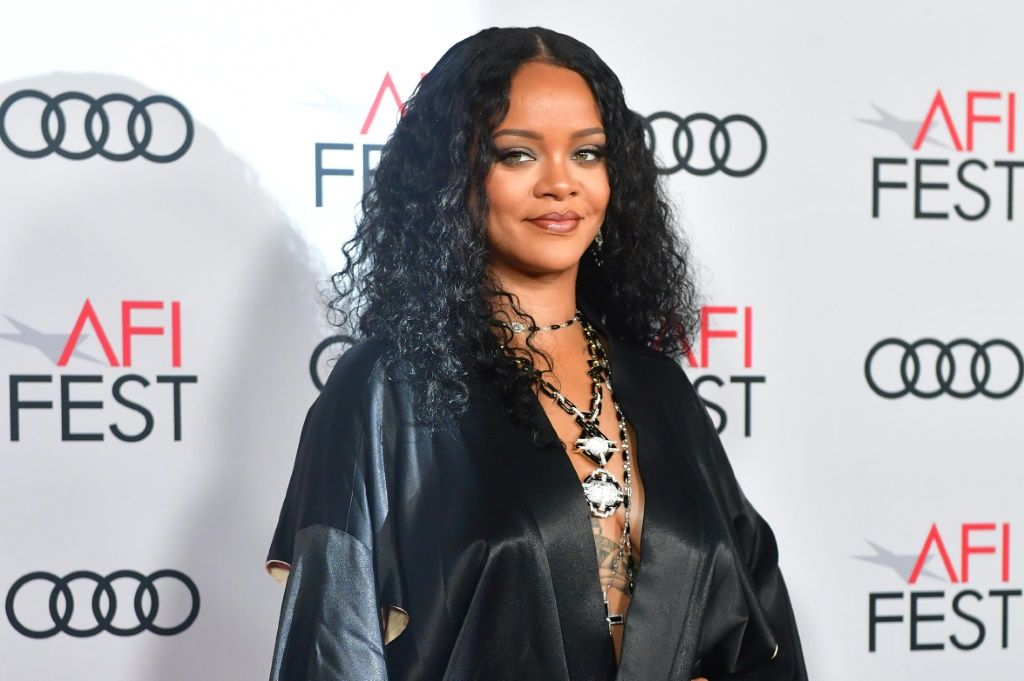
PARIS — Rihanna’s 6-month-old daughter, Rocki Irish Mayers, stepped into the spotlight for the first time this week, turning a casual family outing in the City of Light into an instant fashion sensation by wearing a rare vintage Dior ensemble headlined by a 2002 John Galliano knit hat.

The Barbadian singer, entrepreneur and mother of three was photographed Wednesday with partner A$AP Rocky and their children during a relaxed afternoon stroll in Paris. While eldest son RZA, 3, held his father’s hand, baby Rocki stole the show in her public debut, clad in pieces that underscored the family’s deep ties to high fashion.
Rocki sported a green-and-black vintage Dior beanie originally designed by John Galliano for the house’s Autumn/Winter 2002 collection — a pom-pom mohawk-style knit hat that has become a collector’s item among archival enthusiasts. She layered a gray plaid pleated Dior dress over jeans, completing the look with the signature baby detail of one missing shoe. Photos quickly circulated online, drawing comparisons to her mother’s own boundary-pushing style.
Rihanna, 37, has long maintained a low profile for her youngest child since announcing Rocki’s birth on Sept. 13, 2025, via a tender Instagram post featuring the newborn swathed in pink. Until this Paris outing, Rocki had remained largely shielded from public view, unlike her brothers who made earlier red-carpet appearances.
The family’s fashion-forward outing comes as Rihanna continues to balance her multifaceted empire — including Fenty Beauty, Savage X Fenty and her music career — with motherhood. She and Rocky, whose real name is Rakim Athelaston Mayers, welcomed their first son RZA in May 2022 and second son Riot Rose in August 2023 before expanding the family with Rocki last fall.
A Family Tradition of Dior
Dressing the children in Dior has become something of a signature for the couple. In July 2025, brothers RZA and Riot made a joint red-carpet debut at the Los Angeles premiere of “The Smurfs,” in which Rihanna voices Smurfette. The toddlers wore custom Baby Dior looks designed by Jonathan Anderson, miniature versions of runway pieces that turned heads and reinforced the family’s influence in the fashion world.
Fashion observers noted that Rocki’s debut continues this tradition but with a distinctly archival twist. The Galliano-era Dior hat, more than two decades old, highlights Rihanna’s appreciation for fashion history and her ability to source rare pieces for even the youngest members of her household. Vintage experts estimate such archival accessories can command significant value among collectors.
Paris holds special meaning for Rihanna. She has frequently attended Dior shows during Fashion Week, and the city serves as a creative and personal backdrop for the couple. A$AP Rocky, a noted fashion enthusiast himself, often collaborates on looks and has walked in high-profile presentations.
Details of the Outing
In the widely shared images, Rihanna appeared casual yet polished as she navigated the Parisian streets with her family. A$AP Rocky looked dapper in a blazer while walking hand-in-hand with RZA, who sported a pink striped T-shirt and sunglasses. The relaxed vibe contrasted with the high-fashion statement made by little Rocki, whose outfit quickly sparked social media buzz and headlines declaring her “better dressed than most adults.”
The missing shoe added an endearing, authentically baby touch that humanized the otherwise meticulously styled moment. Fans and commentators praised the look as quintessentially Rihanna — elevated yet playful, luxurious without being stuffy.
Rihanna has spoken in past interviews about wanting to give her children as normal a childhood as possible despite their famous parents’ lifestyles. The decision to keep Rocki away from cameras until now appears consistent with that protective approach, making this debut all the more noteworthy.
Broader Fashion and Cultural Impact
The sighting ignited immediate conversation across platforms, with fashion insiders dissecting every element of Rocki’s outfit. The choice of vintage Galliano for Dior resonated particularly because of the designer’s storied — and at times controversial — tenure at the house. Galliano’s return to the spotlight in recent years through other collaborations has renewed interest in his archival work.
Style publications and social media accounts celebrated the moment as proof that fashion runs deep in the Mayers household. “This is just what this family wears when they leave the house,” one outlet quipped, capturing the widespread sentiment that Rocki had set an impossibly high bar for baby style debuts.
For Dior, the organic exposure continues a fruitful relationship with Rihanna, who has worn the brand on numerous occasions and attended its shows. The house has long excelled at dressing celebrities and their families, extending its influence across generations.
Rihanna’s Motherhood Journey
Since becoming a mother, Rihanna has shared glimpses into her parenting philosophy, emphasizing love, creativity and individuality. She has described the joy of watching her children grow while navigating the demands of her businesses and occasional musical projects.
Her Fenty brands have expanded to include baby-friendly or family-oriented lines in some collections, though she has kept personal family life relatively private compared with many peers in the entertainment industry.
Rocki’s debut arrives at a time when Rihanna continues to evolve publicly. Recent months have seen her focusing more on business ventures and family, with fans eagerly awaiting any hints of new music — though none have been confirmed for 2026.
A$AP Rocky has similarly embraced fatherhood, often seen coordinating family looks and supporting Rihanna’s endeavors. The couple’s blended aesthetic — blending streetwear roots with haute couture — has influenced trends and inspired countless imitators.
Public Reaction and Celebrity Baby Style Legacy
Celebrity children’s fashion moments have long captured public imagination, from royal babies to Hollywood offspring. Rocki’s vintage Dior debut joins a lineage of memorable kid style sightings that often set trends or spark conversations about luxury consumption and childhood privacy.
Social media users flooded platforms with admiration, memes and calls for more sightings of the stylish tot. Some drew parallels to other famous fashion-forward families, while others simply delighted in the cuteness factor amplified by high-end dressing.
Privacy advocates, however, noted the delicate balance celebrities must strike between sharing family milestones and protecting young children from intense scrutiny. Rihanna’s careful rollout of her children’s public appearances reflects that ongoing negotiation.
As Rocki grows, fashion watchers will likely continue tracking her style evolution alongside her brothers. With parents whose combined influence spans music, fashion and culture, the youngest Mayers child enters the spotlight already equipped with an enviable wardrobe foundation.
For now, the Paris outing remains a charming footnote in Rihanna’s story — a mother proudly stepping out with her baby girl, dressed not just to impress but to express the family’s unapologetic love of style. In true Rihanna fashion, even a simple walk became a statement.
The images, captured by street-style photographers and quickly disseminated, serve as a reminder of the singer’s enduring cultural impact. Whether on stage, in business or on the streets of Paris with her family, she continues to redefine what it means to live boldly and stylishly.
As summer 2026 approaches, fans will no doubt watch for more family moments — and wonder what archival treasures or custom creations might next grace the Mayers children. For Rocki Irish, her first public chapter opened with a vintage flourish worthy of her famous mother.


Pakistani five-star hotel becomes unlikely site for US-Iran talks
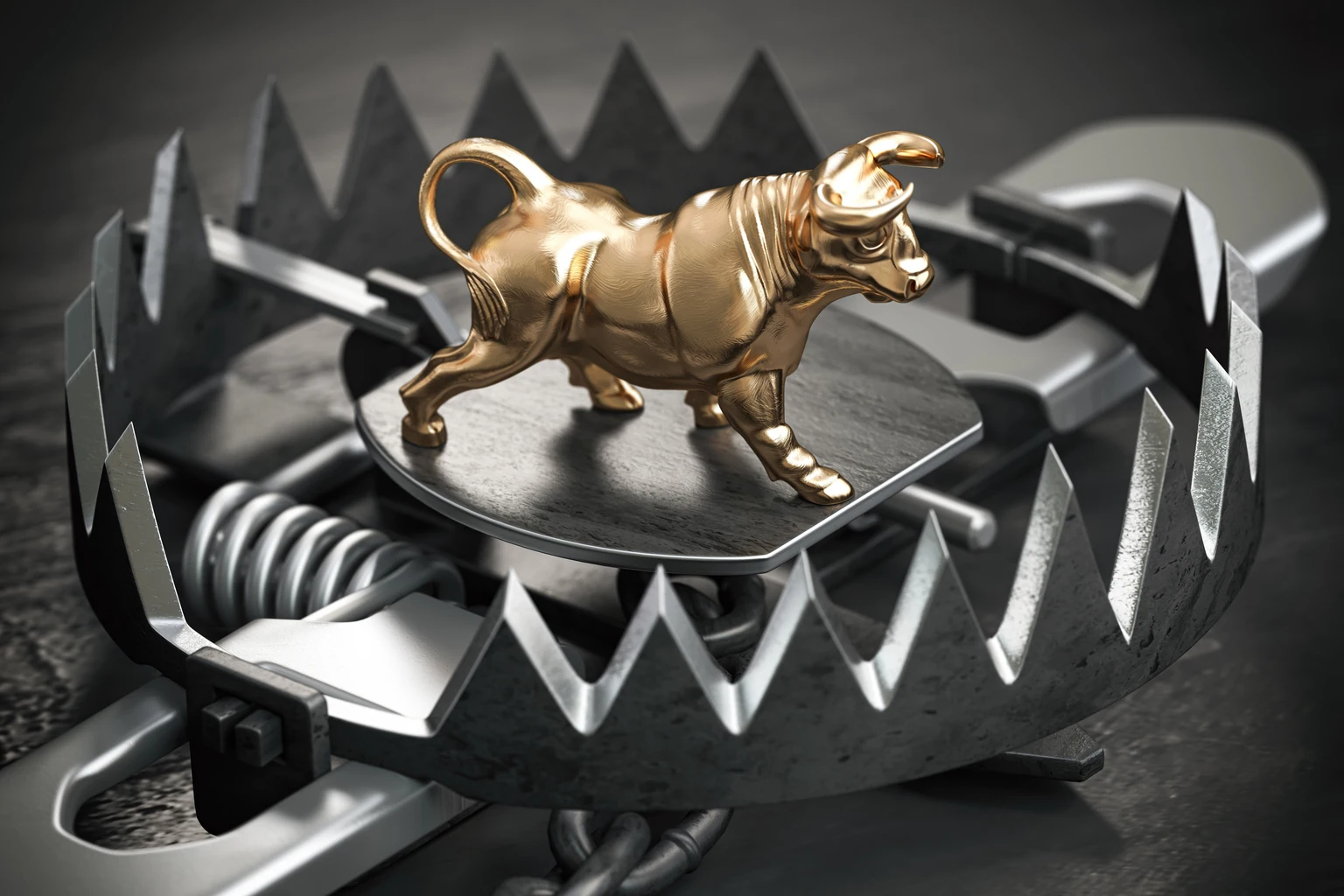
EchoStar: Potential Bull Trap At Play – Take Gains Off The Table
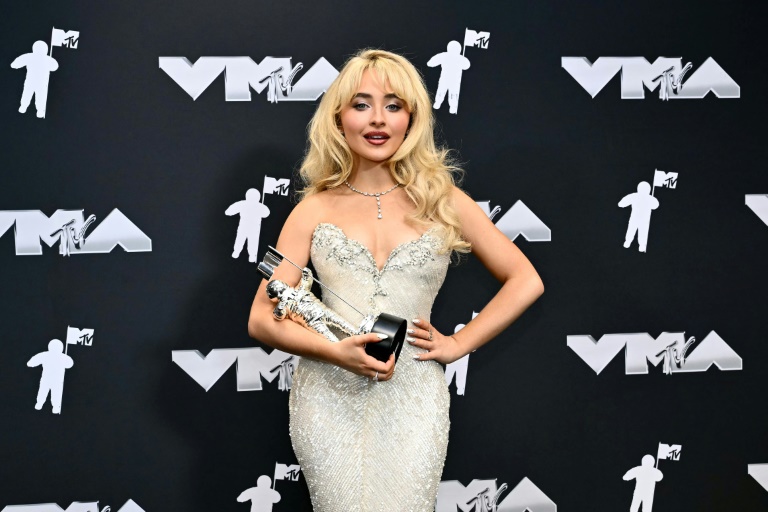
INDIO, Calif. — As the first weekend of the 2026 Coachella Valley Music and Arts Festival kicks off Friday at the Empire Polo Club, the desert event once again promises an eclectic mix of pop spectacle, genre-bending sets and large-scale art installations across two identical weekends running April 10-12 and April 17-19.
AFP
Headliners Sabrina Carpenter, Justin Bieber and Karol G top a bill featuring more than 100 acts, with Anyma debuting a major new production called Æden. Here are 10 fun facts that capture the essence of this year’s festival as gates open and anticipation builds in the Coachella Valley.
- Three First-Time Headliners Light Up the Main Stage Sabrina Carpenter, Justin Bieber and Karol G are all making their Coachella headlining debuts in 2026. Carpenter returns after a memorable 2025 performance where she jokingly predicted her future top billing. Bieber, who previously appeared only as a guest, headlines Saturdays. Karol G becomes the first Latina artist ever to headline the festival on Sundays, building on her well-received 2022 set that honored Latin music legends.
- Karol G Makes History as First Latina Headliner The Colombian superstar’s Sunday slot marks a milestone for representation at North America’s largest music festival. Karol G has described the booking as a high-pressure but deeply personal opportunity to represent her community, promising a heartfelt spectacle rooted in her love for fans and Latin culture.
- Anyma Brings World Premiere of Æden Italian-American DJ Anyma takes on an unofficial fourth headliner role with the debut of Æden, a large-scale electronic production following his successful Sphere residency in Las Vegas. The midnight set on Fridays after Carpenter is expected to deliver mind-bending visuals and immersive sound, continuing Coachella’s tradition of ambitious dance experiences.
- Festival Sold Out Quickly After Early Lineup Reveal Unlike recent years when tickets lingered, the 2026 passes sold out within a week of the September 2025 announcement — the fastest sellout in several cycles. Resale options remain available through official channels, but demand reflects strong excitement around the pop-heavy yet diverse roster.
- Bini Becomes First Filipino Group to Perform Global girl group Katseye makes its Coachella debut on Fridays, while Bini earns the distinction of becoming the first Filipino act to grace the desert stages. These inclusions highlight the festival’s growing embrace of international and K-pop-adjacent talent alongside established names.
- Surprise Addition of Jack White for Weekend 1 Rock icon Jack White was added late to the lineup, scheduled for a 3 p.m. Mojave Stage set on Saturday during the first weekend. The placement in a tent rather than a headlining slot adds an element of unpredictability typical of Coachella’s programming surprises.
- Nine Inch Noize Collab and Eclectic Cross-Genre Mix Trent Reznor’s Nine Inch Nails teams with Boys Noize for a special “Nine Inch Noize” performance. The bill also mixes eras and styles, from punk legends like Iggy Pop and Suicidal Tendencies to rising stars like Addison Rae, Ethel Cain, Turnstile and international acts such as Fujii Kaze and BIGBANG.
- Two Weekends, Identical Lineups but Different Vibes Coachella traditionally repeats the same artist schedule across both weekends, yet each draws a slightly different crowd energy. Weekend 1 often feels more star-studded with influencers and celebrities, while Weekend 2 can offer a more relaxed atmosphere for dedicated music fans seeking fewer logistical headaches.
- Massive Art Installations and Immersive Experiences Beyond music, the festival features large-scale interactive art pieces, from mirrored mazes to kinetic sculptures and desert-specific installations. Past years have included everything from giant balloon animals to high-tech light shows; 2026 continues that tradition with new works designed to surprise and engage attendees wandering the grounds between sets.
- Nearly Everything Streams Live on YouTube For those unable to attend in person, YouTube provides extensive live coverage of most stages, allowing global viewers to catch Carpenter’s ambitious production, Bieber’s headline set or Karol G’s historic performance without leaving home. This accessibility has become a signature feature, turning the festival into a worldwide event.
What Makes Coachella 2026 Special
The 2026 edition arrives as the festival’s 25th anniversary approaches in spirit, though exact milestone timing varies by counting. This year’s lineup leans pop and dance-friendly while still offering rock, electronic, hip-hop and indie depth. Sabrina Carpenter’s Friday sets are expected to feature high-energy production tied to her recent album cycle, while Bieber’s Saturday appearance marks a significant comeback moment.
Attendees should prepare for desert conditions: daytime highs often exceed 90 degrees Fahrenheit in April, with cool nights dropping into the 50s. Festival organizers emphasize hydration, sun protection and comfortable footwear for the sprawling Empire Polo Club grounds.
Beyond the main stage, side stages like the Mojave, Sahara and Outdoor Theatre host rising talents and cult favorites. Conflicts are inevitable — a hallmark of Coachella — forcing tough choices between overlapping sets.
Practical Tips and Broader Context
Gates typically open around 11 a.m., with music running well past midnight. Single-day tickets are not offered; passes cover all three days of a chosen weekend. VIP options provide shaded areas, better restrooms and premium viewing, though general admission remains the heart of the experience.
The surrounding Coachella Valley transforms during festival season, with off-site parties, pop-up activations and celebrity sightings adding to the buzz. Past events have drawn stars like Taylor Swift, Kendall Jenner and Leonardo DiCaprio, and 2026 is expected to follow suit.
Critics note the festival’s evolution from indie roots to a mainstream cultural phenomenon, complete with high ticket prices and influencer culture. Yet for many, the combination of world-class performances, art and desert magic remains unmatched.
As Weekend 1 begins Friday with Sabrina Carpenter closing the main stage before Anyma’s late-night takeover, excitement is palpable. Whether fans are in the polo fields or streaming from afar, Coachella 2026 delivers a vibrant snapshot of current music culture — from viral pop sensations to historic firsts and genre-crossing collaborations.
The desert will once again pulse with sound, light and creativity through April 19. For those lucky enough to attend, the memories — and inevitable set-time dilemmas — will last long after the final encore.
Business
(PHOTO) Kai Trump Shares Augusta National Photos After Tiger Woods DUI Arrest and Rehab Departure
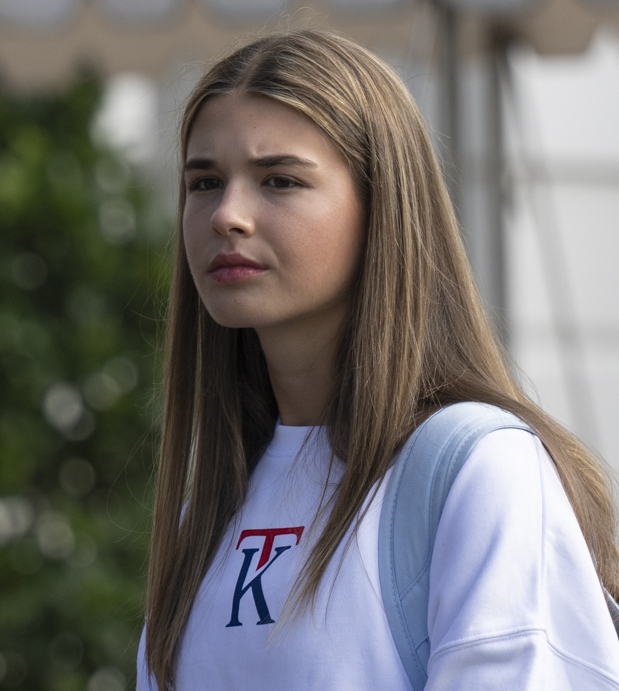
AUGUSTA, Ga. — Kai Trump, the 18-year-old granddaughter of President Donald Trump and an emerging golf talent, shared photos from Augusta National Golf Club this week, offering fans a behind-the-scenes glimpse of the iconic venue just days after her mother Vanessa Trump’s boyfriend, Tiger Woods, was arrested on DUI charges and departed for treatment outside the United States.
Trump posted a series of images on her Instagram account with the simple caption “What a special place 💚,” capturing the serene beauty of the grounds during practice rounds ahead of the 2026 Masters Tournament. One photo showed her posing with two-time U.S. Open champion Bryson DeChambeau and his caddie near the famed clubhouse, where legends like Sir Nick Faldo and Annika Sorenstam were also present. Another featured her in a bold pink outfit bearing the Masters logo, sparking online buzz and some confusion over phone policies at the club.
The timing of her visit drew immediate attention. Woods, a five-time Masters champion, was arrested March 27 in Jupiter, Florida, following a single-vehicle rollover crash. According to the Martin County Sheriff’s Office, Woods was traveling at a high rate of speed, clipped a truck pulling a trailer, and his SUV rolled onto its side. He was charged with DUI, property damage and refusal to submit to a chemical or physical test after declining a urine test, though he passed a breathalyzer.

Woods pleaded not guilty and requested a jury trial. On March 31, he released a statement announcing he would step away from golf to seek treatment. “I know and understand the seriousness of the situation I find myself in today,” he wrote. “I am stepping away for a period of time to seek treatment and focus on my health. This is necessary in order for me to prioritize my well-being and work toward lasting recovery.”
A Martin County judge later granted Woods permission to travel abroad for comprehensive inpatient treatment at an overseas facility, citing privacy concerns and recommendations from his physician. Woods’ attorney argued that effective care could not be safely provided in the U.S. due to repeated compromises of his privacy. He is not competing at the 2026 Masters, marking another absence from the tournament he has dominated in the past.
Kai Trump’s Presence at Augusta
Kai Trump, a University of Miami golf commit and social media personality, appeared calm and focused as she wandered the grounds Tuesday morning, dressed in a green jacket and white cap. Photos and videos captured her near the clubhouse and interacting with players and patrons. Her post quickly went viral, amassing hundreds of thousands of views and comments praising the serene images while noting the coincidental timing with Woods’ situation.
Some observers interpreted her Augusta visit and subtle social media activity — including an earlier post wearing a Sun Day Red sweatshirt from Woods’ clothing line — as a quiet show of support for her mother’s partner without directly addressing the legal issues. Vanessa Trump has publicly stood by Woods, sharing supportive messages on social media.
Kai, daughter of Donald Trump Jr., has built a following through golf content and family appearances. Her love for the game is well-documented, and Augusta National holds special significance for any serious golfer. Her posts highlighted the club’s iconic azaleas, manicured fairways and historic atmosphere, offering followers an exclusive look typically reserved for members and credentialed attendees.
The Incident and Woods’ Response
The March 27 crash marked Woods’ latest high-profile traffic incident. Deputies found prescription painkillers in his pocket, though no alcohol was detected via breathalyzer. Woods was released from jail later that evening. His history includes a 2017 DUI arrest in California and a serious 2021 single-car crash in Los Angeles that left him with severe leg injuries.
Woods has not competed on the PGA Tour since The Open Championship in July 2024. Speculation had swirled about a potential Masters return in 2026 after his participation in TGL events, but the arrest ended those hopes. His absence leaves a void at Augusta, where his five green jackets and dramatic comebacks have become part of tournament lore.
Phil Mickelson is also missing the 2026 Masters for a separate personal family health matter, further thinning the field of past champions.
Family and Public Reactions
The Trump family has maintained a relatively low profile on the matter publicly, focusing instead on support and privacy. Reports surfaced that Woods has been barred from driving the Trump grandchildren due to safety concerns, with Secret Service protection cited as the preferred arrangement.
Kai Trump’s decision to share positive, golf-centric content amid the news cycle resonated with many followers who appreciated her focus on the sport she loves. Her appearance at Augusta, captured in candid moments with DeChambeau, underscored the intersection of golf, celebrity and politics that often surrounds the Masters.
Social media reactions ranged from supportive messages for Woods’ recovery to curiosity about the family dynamics. Some praised Kai for enjoying the tournament without letting external drama overshadow the experience. Others noted the contrast between the pristine setting of Augusta and the turmoil in Woods’ personal life.
Broader Context at the Masters
As the 2026 Masters unfolds without Woods, defending champion Rory McIlroy has grabbed early headlines with record-setting play. The tournament continues its tradition as golf’s most prestigious event, drawing massive crowds and global attention despite the absence of its biggest draw in recent decades.
Kai Trump’s photos provided a refreshing, apolitical slice of the week for many fans — a young golfer soaking in the magic of Amen Corner and the clubhouse atmosphere. Her posts served as a reminder that Augusta National remains a “special place” for players, patrons and visitors alike, even when headlines elsewhere turn complicated.
Woods’ journey toward recovery will likely keep him out of the spotlight for weeks or months. His statement emphasized long-term health over competitive timelines, a mature acknowledgment after years of battling injuries and public scrutiny.
For Kai Trump, the trip to Augusta offered a chance to immerse herself in the game before returning to finish her senior year of high school and prepare for college golf. Her social media activity highlighted the joy of the sport rather than the surrounding drama.
As the final rounds of the Masters approach, Woods’ absence is felt by fans who once flocked to see his signature red shirt on Sunday. Yet the tournament marches on, with new stars emerging and traditions enduring.
Kai Trump’s shared moments from the grounds provided a personal touch to a week defined by both athletic excellence and off-course headlines. Whether viewed as subtle support or simply a golf-loving teenager enjoying one of the game’s cathedrals, her photos captured the enduring allure of Augusta National.
In a sport built on resilience and second chances, Woods’ latest chapter remains unfinished. His focus now turns inward, away from the fairways he has ruled for decades. Meanwhile, at Augusta, the azaleas bloom and the game continues — a special place indeed.
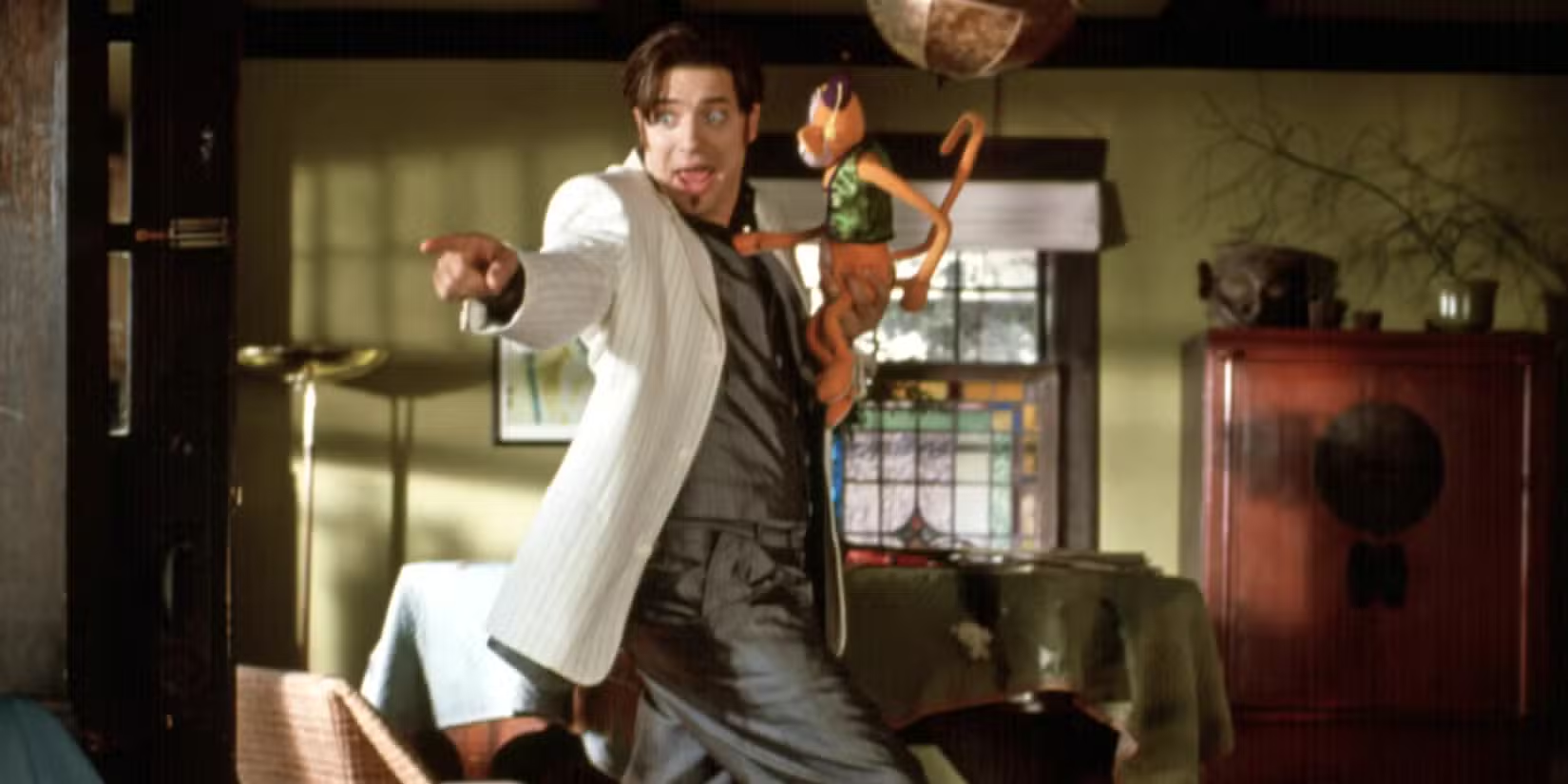
10 Box Office Bombs That Surprised No One

How many horses have died at the Grand National?

Trump says US forces are ’clearing’ Strait of Hormuz

Why Israel is blocking foreign journalists from entering

Bitcoin: We’re Entering The Most Dangerous Phase

Alan Cumming Brands Baftas Ceremony A ‘Triggering S**tshow’

Live Gold, Crypto Trading | 6 April | #goldtrading #cryptotrading #bitcoin – MANSI

TYBCOM Sem 6 | Financial Accounting | Full Syllabus Revision | 80+ Marks Guaranteed | By Shubham sir

Paisa kamane wala app 2026 || NEW UPI MONEY EARNING APP || New Earning App Today || Jio Finance App
-

 Business6 days ago
Three Gulf funds agree to back Paramount’s $81 billion takeover of Warner, WSJ reports
-

 Sports7 days ago
India men’s 4x400m and mixed 4x100m relay teams register big progress | Other Sports News
-

 Politics20 hours ago
US brings back mandatory military draft registration
-

 Fashion20 hours ago
Weekend Open Thread: Veronica Beard
-

 Tech4 days ago
How Long Can You Drive With Expired Registration? What Florida Law Says
-

 Business6 days ago
No Jackpot Winner, Prize to Climb to $231 Million
-

 Fashion5 days ago
Massimo Dutti Offers Inspiration for Your Summer Mood Board
-
 Sports21 hours ago
Man United discover Nico Schlotterbeck transfer fee as defender reaches Dortmund agreement
-

 Fashion4 days ago
Let’s Discuss: DEI in 2026
-

 Crypto World3 days ago
Bitcoin recovers as US and Iran Agree a Ceasefire Deal
-

 Crypto World2 days ago
Canary Capital Files SEC Registration for PEPE ETF
-

 Business17 hours ago
Tesla Model Y Tops China Auto Sales in March 2026 With 39,827 Registrations, Beating Cheaper EVs and Gas Cars
-

 Business7 days ago
Akebia Therapeutics, Inc. (AKBA) Discusses Pipeline Progress and Strategic Focus on Kidney Disease Treatments at R&D Day – Slideshow
-

 Business1 day ago
OpenAI Halts Stargate UK Data Centre Project Over Energy Costs and Copyright Row
-

 Tech5 days ago
Gamer Restores the Original PlayStation Portal From Two Decades Ago
-

 Tech5 days ago
Haier is betting big that your next TV purchase will be one of these
-

 Politics1 day ago
Malcolm In The Middle OG Turned Down ‘Buckets Of Money’ To Appear In Reboot
-

 Tech5 days ago
The Xiaomi 17 Ultra has some impressive add-ons that make snapping photos really fun
-

 Tech5 days ago
Samsung just gave up on its own Messages app
-

 Tech5 days ago
Save $130 on the Samsung Galaxy Watch 8 Classic: rotating bezel, sleep coaching, and running coach for $369
You must be logged in to post a comment Login