
Business
This Week’s Fed Meeting: A 3-Minute Guide for Traders

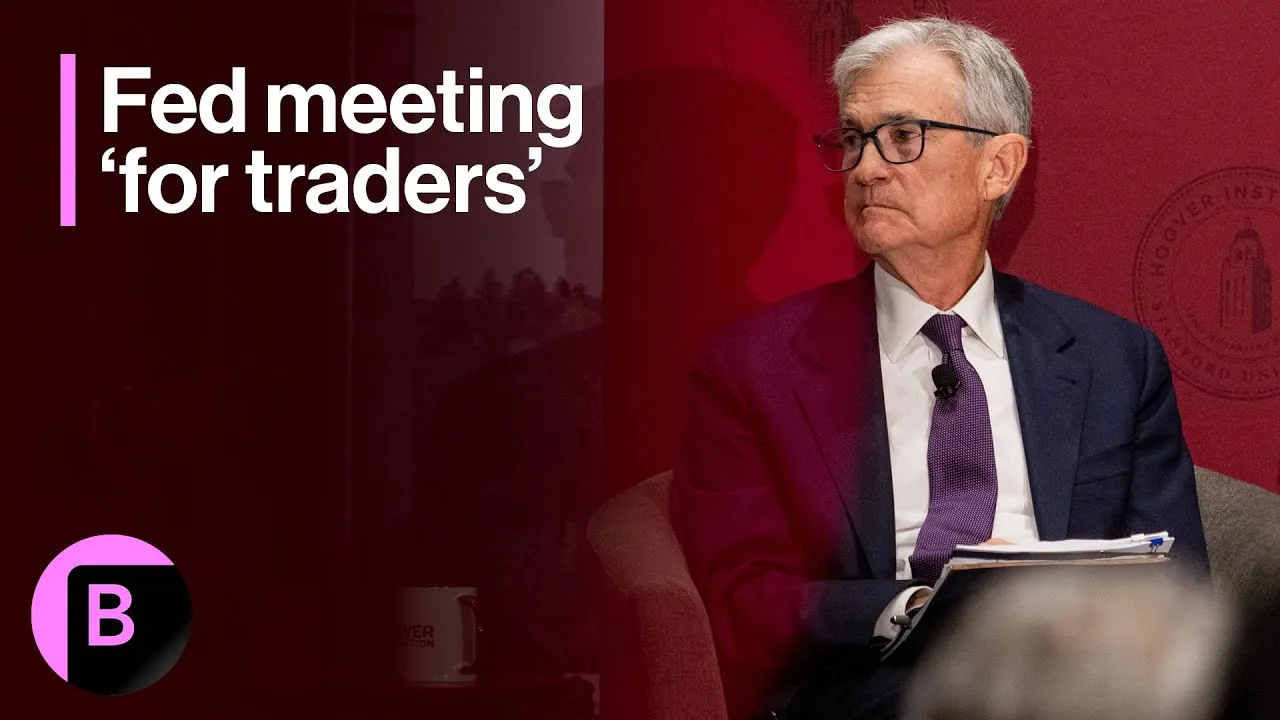
This week’s Fed meeting is framed as a critical event for traders, with global debt, inflation, and China’s trade adjustments shaping the broader market backdrop.
This Week’s Fed Meeting Is a Traders’ Showdown: 3-Minute MLIV
This morning’s focus is on rising yields and bond market movements, driven partly by hawkish comments from Isabelle Schnabel, which have pushed yields higher. The larger macro backdrop remains bearish, echoing Ray Dalio’s view that global economies are overburdened with unsustainable government debt and fiscal promises, ultimately forcing yields upward.
📈 Fed Meeting Impact: Traders are focused on the Federal Reserve’s decisions on interest rates and monetary policy, as even brief meetings can trigger major moves across stocks, bonds, and currencies.
💵 Rising Yields & Debt Concerns: Hawkish commentary and unsustainable government debt are pushing yields higher, with inflation risks expected to persist into next year.
🔎 Short-Term Trading Opportunities: Events like Fed “dots,” JGB auctions, and policy signals create short-term mispricing opportunities, though liquidity is expected to decline into January.
🌏 China’s Economic Strategy: President Xi’s push for domestic demand and trade shifts toward Latin America and Europe, alongside yuan depreciation, support exports and stock market resilience.
Governments may need to monetize debt, which could lead to inflationary pressures, a theme expected to persist into next year. Despite the choppiness of the current period, upcoming events — like the Fed’s hawkish stance, JGB auctions, and the release of Fed dots — are likely to influence short-term trading opportunities, especially for traders capitalizing on mispricing, although they hold limited long-term predictive value. As liquidity declines towards January, macro trading becomes less relevant, making this a prime window for traders.
In China, President Xi’s comments about expanding domestic demand amid weaker export activity highlight ongoing shifts in trade dynamics, especially as China adjusts its export channels toward Latin America and Europe following a drop in exports to the U.S. The recent decline in the dollar-yuan currency pair reflects not just dollar strength but also China’s internal economic strategies. Despite the yuan’s depreciation against various trade partners, China’s trade performance and stock markets remain resilient, buoyed by a weak yuan facilitating exports. This dynamic is expected to continue into 2024, presenting challenges for Chinese policymakers while supporting stock market outperformance, making it a key focus for analysts monitoring global growth prospects.
This week’s Federal Reserve meeting is a critical event for traders, prompting heightened market attention. The Federal Reserve’s decisions regarding interest rates and monetary policy influence global markets, making it essential for investors to stay informed. Traders closely analyze statements, looking for signals about future rate hikes or cuts. Any hint of policy shifts can cause significant price movements across stocks, bonds, and currencies.
The market is particularly focused on the Fed’s outlook on inflation and economic growth. With inflation showing signs of easing, traders speculate whether the Fed will maintain its cautious approach or tighten policy further. The meeting’s brief duration doesn’t diminish its importance; instead, it solidifies traders’ need for quick, precise insights to adjust their strategies effectively.
In just three minutes, the MLIV (Markets Live) update offers a concise summary of the Fed’s decision and its implications. This rapid analysis helps traders react swiftly to policy announcements, ensuring they are well-prepared for the market’s next move. Staying alert during these meetings remains vital for timely investment decisions.



