
Business
Trump Administration nears deal with Taiwan

The agreement, which has been under negotiation for months, is being legally scrubbed and could be announced this month. The deal would reduce the U.S. tariff rate to 15% for goods from the island, the people said. That rate is in line with imports from Japan and South Korea, Asian allies that struck deals last year.
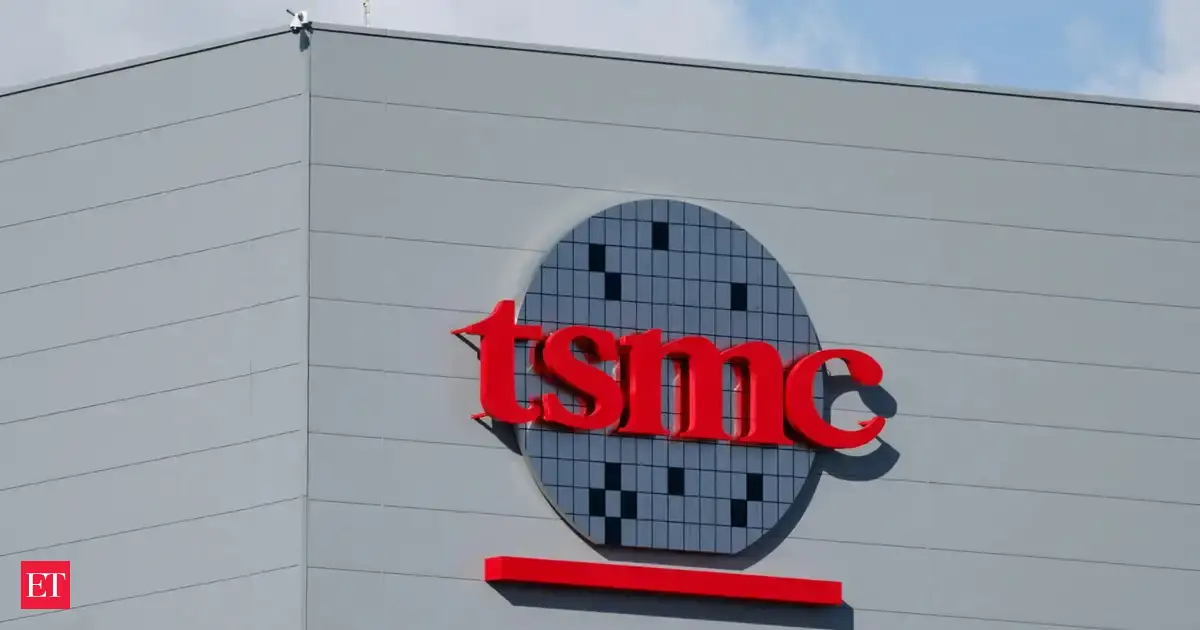
As part of the deal, TSMC would also commit to building at least five more semiconductor facilities, or fabs, in Arizona, roughly doubling the number of plants it has in the state, one of the people said. The timeline for the investments was not immediately clear. A spokesperson for TSMC declined to comment.
Since announcing sweeping tariffs on dozens of trading partners in April, the Trump administration has negotiated to reduce those rates in exchange for promises of investments and deals that fulfill U.S. national security priorities. South Korea and Japan have pledged hundreds of billions of dollars in investments in U.S. shipbuilding, nuclear energy, electronics and critical minerals.
With Taiwan, the Trump administration wanted the island to invest in more semiconductor manufacturing in the United States. Taiwan dominates global production of chips that are the brains of computers and the data centers needed for artificial intelligence. But relying on the island appears increasingly risky given Beijing’s assertion that Taiwan belongs to China and should one day be brought under Chinese control. China has done live-fire drills around the island, and officials and executives worry about the possibility of an invasion disrupting the global supply chains for electronics, cars and weaponry.

TSMC, the world’s preeminent chipmaker, has completed one plant in Arizona since 2020, is completing a second, which will open in 2028, and has promised to build four more in the coming years. But as part of the U.S.-Taiwan trade talks, it agreed to add at least five more.
The Office of the United States Trade Representative and the Department of Commerce did not provide comment. Trade negotiations with Taiwan have dragged out as the two sides debated what to do about tariffs. The Trump administration has announced limited trade arrangements with countries in recent months in an effort to rework the United States’ trading relationships. Trump briefly introduced “reciprocal” tariffs globally in April, before pausing them and then reintroducing them in August.
Since then, importers of Taiwanese products have paid a 20% tariff when bringing goods into the United States. But the administration exempted both semiconductors and many electronics from those tariffs, saying that those sectors would be subject to separate national security tariffs issued under a legal provision known as Section 232.
The administration has also used the national security statute to apply tariffs to steel, aluminum, cars, copper, lumber and other goods. A Section 232 investigation into semiconductors, which is administered by the Commerce Department, was expected last year. That has prompted speculation that the Trump administration has not pushed forward on it for fear of upsetting a trade truce with China.
The potential tariffs on chips pose a direct threat to the island and TSMC. Semiconductors account for more than a third of Taiwan’s exports, with the most valuable of those chips coming from TSMC’s network of 20-plus factories.
The Taiwanese government had earlier concluded trade discussions with the Office of the United States Trade Representative, but continued to discuss the Section 232 tariffs and TSMC’s domestic investment plans with the Department of Commerce. Those talks only recently concluded, as TSMC bought another parcel of land in Arizona for its expansion.
Administration officials have said that companies that invest domestically would not be subject to Section 232 tariffs, though it is unclear exactly how the arrangement will work.



