
Business
Trump administration orders tighter vetting for H-1B visa applicants

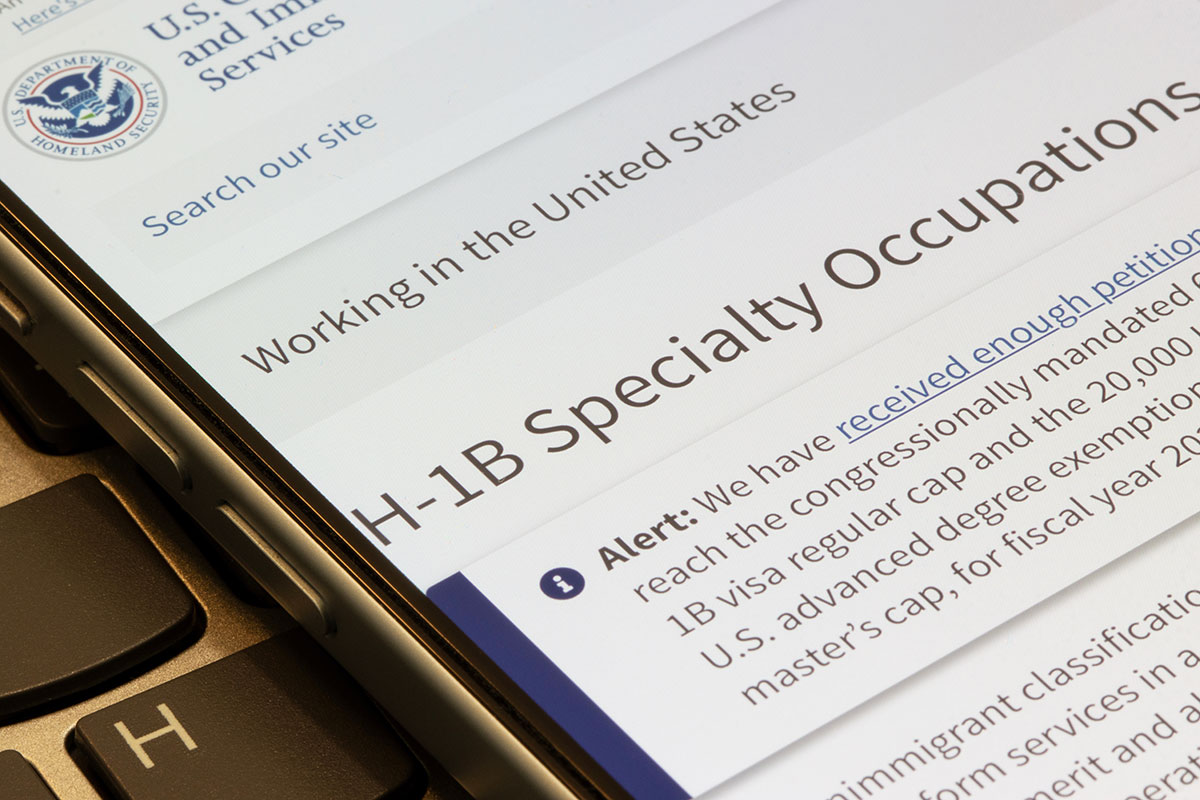
The Trump administration has introduced stricter vetting rules for applicants for H-1B visas, directing US consular officers to assess whether applicants have engaged in activities the government considers to be censorship of free expression, according to an internal State Department memo reviewed by Reuters.
H-1B visas allow US companies to hire foreign workers in specialised fields and are widely used by the technology sector, which relies heavily on talent from countries including India and China. Many tech industry leaders backed Donald Trump in the last presidential election.
Trump tightens H‑1B visa screening
The cable, sent to all US diplomatic missions on 2 December, instructs consular officers to examine applicants’ employment histories, including information on CVs and LinkedIn profiles, as well as those of accompanying family members. It lists areas such as misinformation, disinformation, content moderation, fact-checking, compliance and online safety as fields warranting closer scrutiny.
“If you uncover evidence an applicant was responsible for, or complicit in, censorship or attempted censorship of protected expression in the United States, you should pursue a finding that the applicant is ineligible,” the memo states, referencing a specific article of the Immigration and Nationality Act.
Although the memo says the policy applies to all visa categories, it calls for heightened review of H-1B applicants, who it notes frequently work in technology or social media companies that the administration claims may be “involved in the suppression of protected expression.”
Applicants seeking new or renewed H-1B visas will be subject to the enhanced checks.
Free speech has become a central theme of the administration’s foreign policy messaging. Officials have in recent months criticised European governments, including those of Romania, Germany and France, accusing them of suppressing right-wing voices in efforts to counter disinformation.
In May, Senator Marco Rubio threatened visa bans for individuals he said were involved in censoring the speech of Americans, including online, suggesting the measure could extend to foreign officials overseeing technology regulation.
The administration has already tightened vetting for student visas, obliging officers to examine applicants’ social media posts for content deemed hostile towards the United States. It also introduced increased fees for H-1B applications in September as part of a broader overhaul of immigration policy.



