Connect with us
DAPA Banner

Business

Trump confirms May meeting with Xi Jinping as Iran war forces postponement

Published

on

Trump confirms May meeting with Xi Jinping as Iran war forces postponement

Trump’s delayed meeting with Xi Jinping will be the first visit to China by a US president since 2017.

Continue Reading
Click to comment

You must be logged in to post a comment Login

Leave a Reply

Business

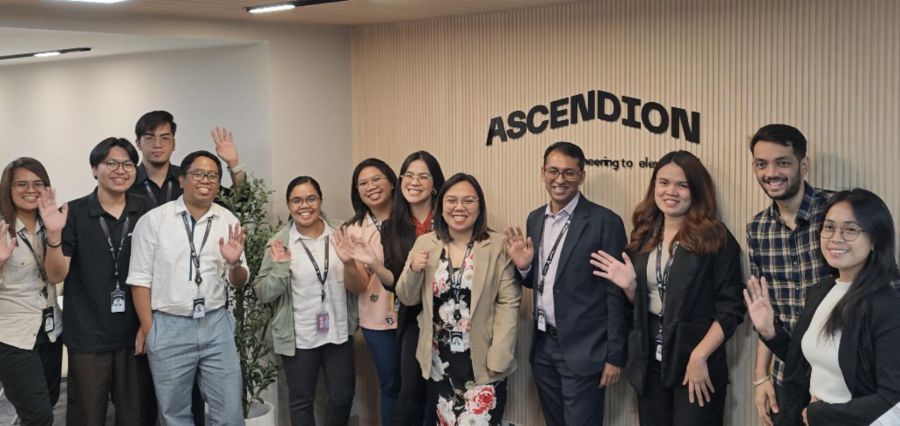
Ascendion’s Human-First Approach to Exceptional Candidate Experiences

Published

on

Ascendion's Human-First Approach to Exceptional Candidate Experiences

Never have the stakes been higher for organizations when it comes to attracting and recruiting top talent. As enterprises accelerate AI adoption, organizations are competing for highly specialized, niche capabilities that can unlock real business value and are increasingly relying on people to provide a key competitive advantage. Up to 90% of organizations will face IT talent shortages by 2026, with projected $5.5 trillion in losses from skills gaps.

At the same time, the on-demand, consumer centric economy is raising job seekers’ expectations. These highly qualified candidates aren’t just looking to work for financially successful organizations. They are demanding purpose-driven work, access to leaders, diverse teams, knowledge ecosystems, and stimulating environments. They go beyond simply seeking roles and are looking for employers that treat them as partners from the first interaction, with clear visibility into how their skills will be used, how they will grow, and how they will be valued.

Against this backdrop, recruiting practices are increasingly scrutinized, as striking the right balance between securing niche talent and meeting the candidates’ rising expectations is critical. Organizations that succeed will be those that rethink not just how they hire, but how they position talent as a long-term strategic advantage.

Shaped by strategic clarity, Ascendion has taken a different route; emerging as an engineering powerhouse at the intersection of technology and talent. This wasn’t a reaction to market volatility, but a forward-looking alignment to the digital explosion that prioritizes client continuity, tailored services, and seamless transitions. The result is a recruiting model that scales globally without losing human touch, treating hiring as the beginning of a long-term partnership rather than a transactional exchange.

Advertisement

Strengthening and Building a Wider Talent Pipeline

Talent acquisition is not linear anymore. Companies tap into multiple channels like university partnerships, online networks, referral ecosystems, digital platforms, etc., creating a talent discovery environment that is both dynamic and competitive.

According to Gio Lara, Associate Director, Talent Acquisitions, Philippines, “Ascendion supports sourcing with its proprietary AI-enabled talent platform METal™ which has access to over 4 million candidate profiles. The platform offers AI-assisted sourcing and shortlisting capabilities; helps in rediscovering previously engaged candidates and gives a unified pipeline visibility across regions.”

He further adds, “Given that Ascendion’s talent acquisition teams operate across North America, LATAM, APAC, and India, this centralized platform aligns the geographically distributed recruiters on candidate status, evaluation criteria, and past engagement history.”

Advertisement

With its multi-channel reach and shared data repository, Ascendion has tackled two key factors in talent acquisition: speed and precision and is redefining its competitive advantage in global tech hirings.

Structured Workflows with Defined Milestones

At Ascendion this starts with reimagining the Career Lattice, redesigning transparent growth journeys for an AI-augmented world. This framework blends deep technical expertise, fosters holistic well-being, and opens new channels for growth and professional development. And this transcends directly into how the organization approaches talent acquisition, candidate experience, and onboarding.

Ascendion’s recruiting model is built around complete process visibility. As Gio confirms, “The candidates are provided structured communication at each stage right from initial outreach to interview feedback and onboarding timelines.”

Advertisement

Rather than relying on decentralized recruiter workflows, Ascendion has adopted a centralized talent intelligence platform that focuses on three critical aspects of talent acquisition; skills, potential, and career trajectory. Powered by deep learning models and agentic AI workflows, the platform autonomously handles complex tasks, streamlining sourcing, screening, talent insights, and analytics into one integrated system.

The objective is straightforward: reduce ambiguity.

Proactive Clarity with Standardized Communication

Ambiguity is a common side effect in complex hiring environments considering multiple roles, stakeholders, and geographies. At Ascendion communication during the entire talent acquisition cycle is treated as a structured system rather than a series of informal exchanges.

Advertisement

“We set a clear expectation of the project alignment and are precise in defining the role scope. After each interview stage we share detailed next steps with the candidate. Our documentation and verification process guidelines are clear and leave no room for errors. We also follow a structured onboarding timeline once the offer is extended.” Gio explains. He further adds, “With these communication checkpoints, Ascendion ensures consistency across talent acquisition and regions. And the result is clear alignment between hiring team, stakeholders, and candidates”.

Disciplined communication extends beyond simple courtesy in high-stakes, high-volume technical recruitment, when it is treated as a process of control that supports professionalism, efficiency, and trust.

Beyond the Offer Letter

High and early attrition (within the first six months) is a common challenge across the technology sector. At Ascendion employee onboarding is a structured extension of recruitment and not an administrative afterthought.

Advertisement

“For us professionalism is a cornerstone of candidate experience, one that extends beyond the offer letter. All new hires participate in structured orientation sessions; they are paired with mentors to accelerate integration into existing process and have immediate access to learning resources.” Gio explains.

In its first year of inception, Ascendion introduced a symbolic tree plantation initiative, in which it celebrated every new hire by planting a fruit-bearing tree through the Ascendion Afforestation Project. The initiative symbolized shared growth; as the tree flourishes, so does the new employee’s career; a quiet yet meaningful reminder that talent acquisition is about long-term growth rather than short-term staffing.

Supporting Emotional Resilience and Strategic Advancement

 Beyond hiring workflows, workforce strategies balance career progression, upskilling and personal development reinforces employee retention, organizational growth, and continuity.

Advertisement

Ascendion has successfully established a talent ecosystem that supports employee growth and well-being. Org-wide programs provide continuous upskilling in cutting-edge AI and engineering practices through global communities of practice- Circles, hands-on innovation events, pet projects, mentorship, and collaborative learning environments. Complementing this technical development, dedicated behavioral training initiatives that cultivate essential “heart skills” such as empathy, authentic communication, emotional regulation, deep listening, gratitude, and reflective decision-making; thereby fostering a culture of openness, mutual respect, and psychological safety.

Other leadership initiatives create defined pathways for professional advancement. Continuous upskilling is supported through digital learning platforms and technical academies like Ascendion Learning Lab, ensuring employees remain aligned with evolving industry demands. Complementing these are diversity, wellness, and recognition programs that prioritize inclusion, resilience, and achievement across regions. Corporate social responsibility initiatives integrate purpose and community service into employee experience.

Talent acquisition today is defined by scarcity, scrutiny, and rising expectations; recruitment can no longer be transactional. Ascendion’s structured, technology-enabled, and people-centered model demonstrates that scale and personalization are a strategic advantage.

Advertisement
Continue Reading

Business

Trump says Gorsuch and Barrett ‘sicken’ him after Supreme Court tariff ruling

Published

on

Trump says Gorsuch and Barrett 'sicken' him after Supreme Court tariff ruling

President Donald Trump blasted two Supreme Court justices that he appointed as “bad for our country” after they sided with the majority in a ruling that undercut his tariff agenda.

The criticism follows a Supreme Court decision last month that blocked his use of an emergency law to impose sweeping tariffs.

Advertisement

By a 6–3 vote, the majority concluded that the law cited to justify the import duties “does not authorize the President to impose tariffs.”

Speaking at a National Republican Congressional Committee dinner in Washington, D.C., Trump expressed frustration with Justices Neil Gorsuch and Amy Coney Barrett, though he did not mention them by name.

BLACKROCK CEO SAYS TRUMP ACCOUNTS COULD BE A ‘VERY SIGNIFICANT STEP’ FOR YOUNG AMERICANS

People walk past the US Supreme Court in Washington, DC

The U.S. Supreme Court ruled 6-3 that the International Emergency Economic Powers Act does not authorize the president to impose broad tariffs. (MANDEL NGAN/AFP via Getty Images / Getty Images)

“Bad courts in this country are costing us a tremendous amount of money,” Trump said. “The Supreme Court, that’s right, of the United States, cost our country — all they needed was a sentence — our country hundreds of billions of dollars, and they couldn’t care less. They couldn’t care less.”

Advertisement

Without naming names, Trump then took aim at Gorsuch and Barrett, whom he appointed, and said they “sicken” him.

“Two of the people that voted for that, I appointed and they sicken me,” Trump said. “They sicken me because they’re bad for our country.”

WILL THE FEDERAL RESERVE CUT INTEREST RATES IN 2026?

President Trump speaks during White House press briefing.

President Donald Trump answers questions during a press briefing at the White House in Washington, D.C., on Feb. 20. (Kevin Dietsch/Getty Images / Getty Images)

Trump has previously targeted the court, especially the six members who voted against him.

Advertisement

The president said he was “ashamed of certain members of the court, absolutely ashamed, for not having the courage to do what’s right for the country.”

During an event hosted earlier this month by Rice University, Chief Justice John Roberts — who delivered the opinion of the court — warned against personal criticism of federal judges, citing an increase in “dangerous” and hostile rhetoric.

COSTCO SUED BY CUSTOMER SEEKING REFUNDS FOR TARIFF PAYMENTS

Justice Amy Coney Barrett at the Nixon Library

U.S. Supreme Court Justice Amy Coney Barrett is interviewed by Nixon Foundation board member Hugh Hewitt at the Nixon Presidential Library & Museum in Yorba Linda, CA on September 10, 2025. (Paul Bersebach/MediaNews Group/Orange County Register via Getty Images / Getty Images)

Roberts stressed the difference between criticizing a court order or legal analysis and personally attacking the judge behind it.

Advertisement

“It’s important that our decisions are subjected to scrutiny, and they are,” Roberts said. 

“The problem is that sometimes the criticism can move from a focus on legal analysis to personalities. And you see from all over, I mean, not just any one political perspective on it, that it’s more directed in a personal way. And that, frankly, can actually be quite dangerous.”

GOLD TRUMP COIN MOVES FORWARD AFTER TREASURY INVOKES RARE AUTHORITY

Neil Gorsuch

Supreme Court Justice Neil Gorsuch speaks at the Nixon Presidential Library and Museum in Yorba Linda, California, on Friday, Aug. 9, 2024. (Paul Bersebach/MediaNews Group/Orange County Register via Getty Images / Getty Images)

The case centered on whether the International Emergency Economic Powers Act (IEEPA) gave the president authority to impose the tariffs or if the move crossed constitutional limits.

Advertisement

The dispute stems from Trump’s “Liberation Day” tariffs last April, a sweeping package aimed at addressing trade imbalances and reducing reliance on foreign goods.

Tariff revenue has surged in the wake of the policy.

GET FOX BUSINESS ON THE GO BY CLICKING HERE

Duties jumped from $9.6 billion in March to $23.9 billion in May. For fiscal 2025, collections reached $215.2 billion, according to Treasury data, and receipts have continued to climb into fiscal 2026.

Advertisement

Since the ruling, Trump announced a 10% global tariff under Section 122, “above our normal tariffs already being charged.”

FOX Business’ Amanda Macias, Breanne Deppisch and Bill Mears contributed to this report.

Continue Reading

Business

Shire of Coolgardie approves $22m FIFO camp sale to Westgold

Published

on

Shire of Coolgardie approves $22m FIFO camp sale to Westgold

The debt-laden Shire of Coolgardie has confirmed it will go ahead with the sale of its fly-in, fly-out mining camp to Westgold Resources.

Continue Reading

Business

Hoteliers hope Blackpool has a great summer season ahead as people look to UK holidays

Published

on

Business Live

‘We’re seeing the town being talked about in a positive light’

The team from the Grand Hotel in Blackpool at the StayBlackpool Trade Show and Open Day.

The team from the Grand Hotel in Blackpool at the StayBlackpool Trade Show and Open Day(Image: LDRS)

Blackpool’s holiday trade is in optimistic mood for the forthcoming season and anticipates that the resort is on the up again.

Advertisement

Hoteliers who attended today’s busy StayBlackpool Trade Show and Open Day said a number of factors were at play which gave them confidence about 2026.

Many felt that uncertainty over the Middle East crisis and the rising cost of fuel could help draw in more ‘staycation’ visitors to the town.

The trade show, staged in the Norcalympia Suite at the Norbreck Castle Hotel, brought together the best of the Fylde Coast accommodation and leisure trades in one place.

And the mood was upbeat among organisers and stallholders.

Advertisement

Last summer saw the creation of Blackpool Tourism, which now oversees and manages major town attractions, including Blackpool Tower, Sandcastle Waterpark, and Madame Tussauds, previously operated by Merlin Entertainments.

Formed by Blackpool Council , it aims to boost the local economy and reinvest profits into town services, and has just launched its new “Ultimate Ticket” in March 2026, offering entry to six major attractions for £65 to mark English Tourism Week.

Ian White of StayBlackpool, a premier trade association for holiday accommodation in the resort and on the Fylde coast, said: “I’m very encouraged by the way things are looking.

“Kate Shane of Blackpool Tourism has declared how she wants to work with us and I believe their new Ultimate Ticket will encourage people to stay longer in the town, and bring more money in.

Advertisement

“Now Blackpool is on the short list for City of Culture, we’re also seeing the town being talked about in a positive light”

Sarah Lovell was manning the stand for the Grand Hotel, one of the town’s biggest and most prominent establishments with 278 bedrooms. She said: “There really is optimism around here today.

READ MORE: ‘Exciting and vital step’ as Blackpool’s Winter Gardens to be managed by council-owned tourism companyREAD MORE: Chester Grosvenor Hotel to close in September as owner seeks new operator

“Speaking for the Grand alone, we’ve already had a lot of forward bookings, including for conferences.

Advertisement

“And why not? Blackpool has a lot to offer. We’re a friendly town and there is something for everyone here – business people, families, couples coming here to get away for a break.

“I’m not surprised we’re included in the City of Culture List, we’ve got so much here.”

Paul Vermiglio, business development manager for Trevors Food Services, said: “We’re already hearing that quite a few people are thinking against going abroad this year, with everything that’s going on in the world.

“That presents a great opportunity for a big tourist resort like Blackpool. It’s perfect for stay-cations. I’m sure this is going to be a great year.”

Advertisement
Continue Reading

Business

Bernstein downgrades Qualcomm stock rating on smartphone headwinds

Published

on


Bernstein downgrades Qualcomm stock rating on smartphone headwinds

Continue Reading

Business

Big rise in value of exports from the Welsh financial services sector

Published

on

Business Live

New research on the value of exports in the financial and related professional services sector has been released by TheCityUK

TheCityUK chair for Wales Tom Bray.

The value of exports from financial and related professional services in Wales has grown significantly, shows new research from representative body for the sector TheCityUK. In 2023 they grew by 14.8% to reach £4.8bn.

A report from TheCityUK, Exporting from across Britain: financial and related professional services 2026, also reveals that in 2023 almost half (49%) the industry’s exports originated outside London, with Wales accounting for 2.8%.

Taking a longer view, over 2019-2023, Wales recorded the fastest annual average growth rate of financial and related professional services exports at 17%.

READ MORE: Welsh rugby makes a huge economic contribution shows new reportREAD MORE: Wales needs to deliver more than 10,000 homes a year to hit government target

Advertisement

The data also highlight the importance of services to Britain’s overall economic position. While goods exports declined by 3.6%, total services exports rose by 14% in 2023 to £465bn, with financial and related professional services accounting for almost 40% (£174.3bn) of all services exports.

The Welsh share of 2.8% of overall UK financial and related professional services exports, equated to £4.8bn. It was only lower in the East Midlands with 2% (£3.5bn) and the north east of England, 1.5% £2.5bn)

The highest contribution was in London with 51% of the total (£89bn), followed by the south east of England 10.4% (£18.1bn) and Scotland with 6.9% (£12bn).

The report also shows that for the Cardiff Capital Region financial services contributed for 49.6% of all exports, while for the Swansea Bay City Region it is 42.3%.

Advertisement

TheCityUK estimates related professional services exports from Wales accounted for 1.9% of Great Britain’s total related professional services exports in 2023. It also shows that 28% of Welsh financial services exports went to the EU.

Tom Bray, TheCityUK chair for Wales – who is also a partner with law firm Eversheds Sutherland – said, “Wales has established a financial and related professional services industry that has deep and highly regarded expertise. Firms here are increasingly exporting that expertise to international markets. The significant uplift in industry exports shows that Welsh businesses are playing an important role in the UK’s global services success, while supporting high-value jobs and investment across the country.”

The report has five key policy recommendations for government to priorities. They are: drive growth across the UK by strengthening trade intelligence and commercial diplomacy; deepen engagement to capture global market share; accelerate partnerships with high-growth markets; positioning the UK as a global digital services hub and secure the talent need for long-term competitiveness.

Advertisement
Continue Reading

Business

Meghan Markle, Prince Harry Say Their Australia Trip Is ‘Being Funded Privately’

Published

on

A satellite image of the Strait of Hormuz
Prince Harry (left) and his wife Meghan Markle (right) stunned the monarchy by announcing they were quitting royal duties and moving to the United States in early 2020
IBTimes US

A spokesperson of Prince Harry and Meghan Markle have clarified issues regarding the funding of the couple’s upcoming trip.

The spokesperson also hit back at a petition against their visit that has garnered thousands of signatures.

Sussex Spokesperson Hits Back Against Petition

According to Sky News, a Change.org petition has been created protesting the upcoming visit of the Duke and Duchess of Sussex. More than 35,000 Australians have signed the petition.

The petition raises concern that taxpayer’s money will be used to fund the upcoming trip.

“At a time when Australians are facing significant cost-of-living pressures, including rising grocery bills, fuel prices, mortgage stress driven by interest rate hikes, and increasing energy costs, public resources must be used responsibly and applied fairly, without special treatment for high-profile individuals,” the petition reads.

Advertisement

The spokesperson for the Duke and Duchess of Sussex have since called the petition “a moot point.”

“The trip is being funded privately, so I’m not sure what this petition hopes to achieve,” the spokesperson said.

Is Meghan Bringing Her As Ever Brand to Australia?

The couple is scheduled to travel to Australia for two separate engagements. Meghan is scheduled to headline a women’s retreat in Sydney, while Prince Harry will speak at a workplace mental health summit, which will be held in Melbourne.

However, multiple outlets have noticed that Australian trademarks have been filed for Meghan’s As ever brand, which received approval in June 2025.

Advertisement

This has led to speculation that the Duchess of Sussex will be bringing her brand to Australia.

According to PEOPLE, a spokesperson merely said that the trademarks are nothing new and added that Australia is “one of many” jurisdictions where As ever is registered.

Continue Reading

Business

Australian LNG Exports Hit Hardest by Iran War as Global Energy Chaos Boosts Prices but Disrupts Supply Chains

Published

on

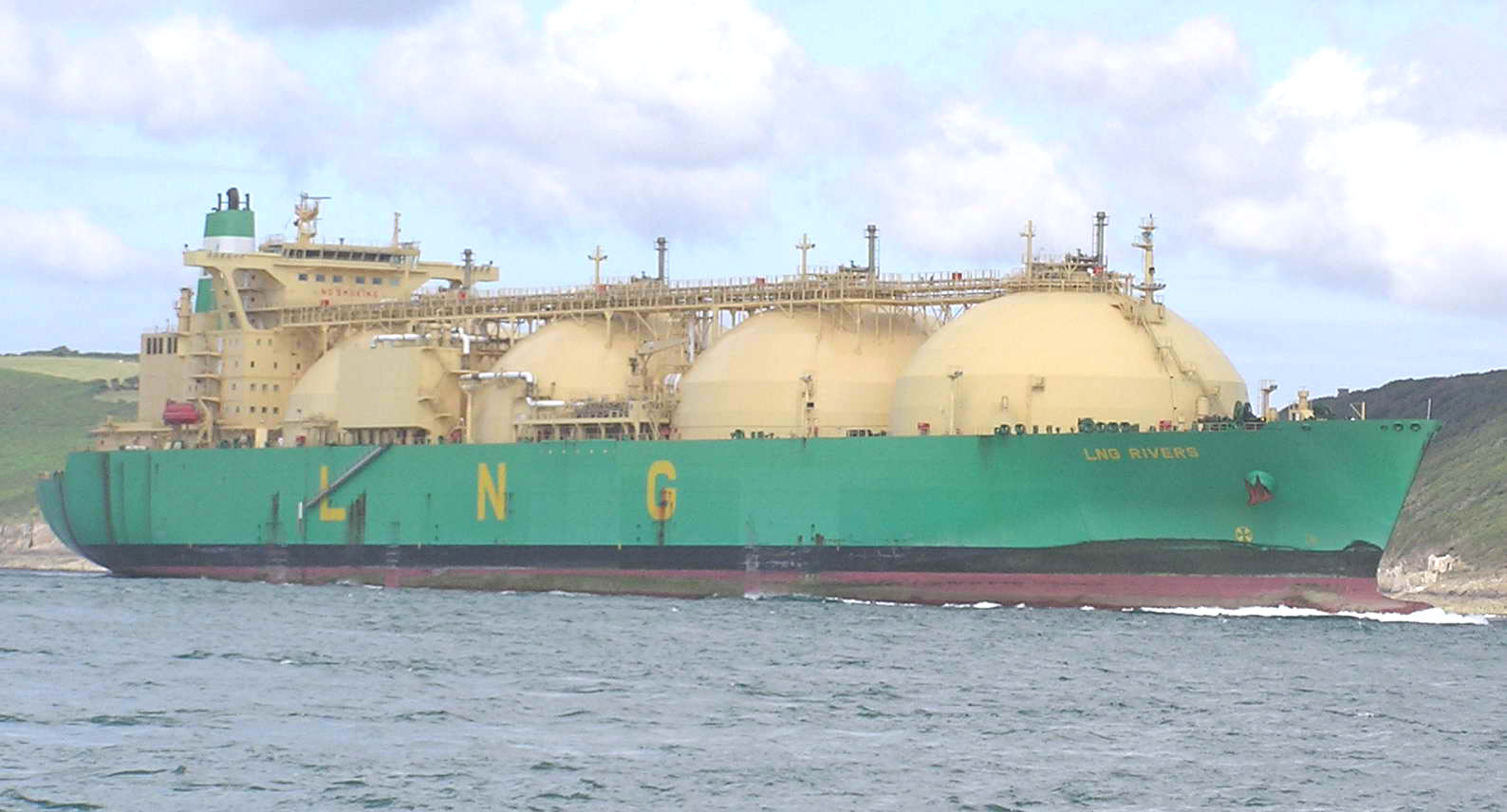
LNG carrier

SYDNEY — Australia’s liquefied natural gas (LNG) export sector has emerged as the industry most directly and significantly affected by the ongoing U.S.-Israel-Iran war, with global price surges offering potential revenue windfalls for producers while shipping disruptions, insurance surcharges and indirect fuel cost pressures ripple through the broader economy.

LNG carrier
LNG carrier

The conflict, now in its fourth week since major strikes began on Feb. 28, 2026, has effectively disrupted flows through the Strait of Hormuz — a critical chokepoint carrying about one-fifth of global oil and a substantial share of LNG trade. While Australia does not ship LNG through the Strait, the resulting global energy crunch has driven sharp increases in benchmark prices, directly benefiting Australian exporters but also exposing vulnerabilities in domestic operations and related sectors.

LNG producers such as those operating the Gladstone projects in Queensland have seen Asian spot prices, including the Japan-Korea Marker (JKM), nearly double since late February, with some contracts pushing toward $US30 per unit. This volatility stems from attacks on infrastructure, including strikes on Qatar’s Ras Laffan facility and Iran’s South Pars gas field, which have taken significant LNG capacity offline for potentially years.

Australia, the world’s largest LNG exporter, stands to gain from redirected demand as Asian buyers seek alternatives to disrupted Middle Eastern supplies. However, the same forces driving higher prices — diesel shortages and soaring transport costs — are squeezing the mining and agricultural sectors that underpin much of the nation’s export economy.

The energy minister has acknowledged that while Australia is a net energy exporter, its reliance on imported refined fuels leaves it exposed. Domestic diesel prices have climbed rapidly, with panic buying reported in some regions. Mining giants like Fortescue have warned that sustained high diesel costs could add billions to operational expenses for iron ore extraction and haulage.

Advertisement

Farmers are similarly feeling the pinch. Wheat and barley producers in Western Australia and South Australia face higher internal freight and fertilizer costs, as global supply chains for urea and phosphates — many routed through or affected by Gulf disruptions — tighten. Australian wheat prices hit 20-month highs in recent trading amid these pressures.

Direct trade with Gulf nations, valued at around A$15 billion annually, has been hammered by war-risk insurance surcharges of up to US$4,000 per refrigerated container and carrier suspensions. Exporters of beef, wool, lamb and other agricultural goods to the Middle East report delayed shipments and rerouting that adds time and expense.

Coal exporters have seen mixed effects. Thermal coal prices have strengthened due to energy substitution away from disrupted oil and gas, providing a potential revenue boost for Australian miners. Yet higher diesel costs for rail and port operations erode some of those gains.

Iron ore shipments to Asia, Australia’s largest single export category by value, remain largely shielded from direct Strait of Hormuz routing. However, elevated fuel prices threaten profitability for producers already navigating volatile Chinese demand. Some iron ore cargoes originally bound for Middle Eastern markets have been diverted, contributing to short-term price fluctuations.

Advertisement

The war’s broader impact on container shipping has triggered the worst freight disruption for Australian exporters since the COVID-19 pandemic. Major carriers have suspended Gulf transits, forcing reroutes around the Cape of Good Hope for cargo heading to Europe via traditional paths. This has increased costs and delays for a range of goods, including food products and manufactured items.

Economists note a paradoxical effect for Australia. As a major LNG and coal exporter, higher global energy prices can boost export revenues and government royalties. Yet the domestic fuel crunch — Australia imports most of its refined petroleum — risks inflationary pressures that could prompt further Reserve Bank rate hikes and slow economic growth.

The Australian Institute of Petroleum has warned that Asian refineries supplying Australia could curtail exports if shortages worsen, potentially leading to fuel rationing within weeks if stockpiles are not managed carefully. Current reserves provide only a limited buffer.

Agriculture faces compounded challenges. Beyond diesel for machinery and transport, fertilizer shortages threaten yields for the coming season. Meat exporters have reported growing stockpiles as Middle East demand softens amid regional instability, though some redirection to other markets is occurring.

Advertisement

Mining operations, particularly in remote Western Australia, are among the heaviest diesel users. Executives have flagged potential production slowdowns or cost pass-throughs if fuel prices remain elevated for months. Critical minerals projects tied to the energy transition could also face delays.

Shipping and logistics firms have introduced emergency conflict surcharges across multiple routes, affecting not only direct Gulf trade but also indirect flows to Europe. Air freight into the region has been heavily restricted, compounding issues for time-sensitive exports like fresh produce and pharmaceuticals.

Government officials are monitoring the situation closely, with contingency plans for fuel security under review. The domestic gas reservation scheme, set to begin next year, aims to shield households from extreme international price spikes, but its timing leaves the current period vulnerable.

Analysts from Oxford Economics and others suggest the net economic impact depends on the war’s duration. A short conflict could see energy prices retreat quickly, with Australian LNG and coal exporters capturing temporary gains. Prolonged disruption risks deeper supply chain chaos, higher inflation and slower growth across export-dependent sectors.

Advertisement

For LNG specifically, the sector’s exposure is dual-edged. Contracted volumes under long-term agreements provide stability, but spot market opportunities have surged. Producers must balance ramping up where possible against domestic supply obligations and infrastructure constraints.

The war has also spotlighted Australia’s strategic vulnerabilities. Despite vast energy resources, limited domestic refining capacity leaves the nation dependent on foreign suppliers for everyday fuels that power its export machine. Calls for renewed investment in refining or alternative fuels have intensified.

As the conflict enters its next phase, with diplomatic efforts ongoing but military actions continuing, Australian exporters across energy, resources and agriculture are adapting to a more volatile global trade environment. War-risk premiums and rerouting have become the new normal for many.

Industry groups urge the government to provide targeted support, including potential fuel subsidies for critical export sectors or accelerated approvals for infrastructure upgrades. Without relief, cost pressures could erode competitiveness even as higher commodity prices offer some offset.

Advertisement

The LNG sector’s prominent role in the current crisis underscores Australia’s position as an energy superpower that remains paradoxically exposed to global shocks. While opportunities exist in a tighter market, the human and economic costs of prolonged instability loom large for producers and the wider economy alike.

Continue Reading

Business

Working parents 'struggling to afford nappies or food'

Published

on

Working parents 'struggling to afford nappies or food'

More working families asking for baby essentials

Continue Reading

Business

Earnings call transcript: Syndax Pharmaceuticals Q4 2025 revenue beats forecast, stock rises

Published

on


Earnings call transcript: Syndax Pharmaceuticals Q4 2025 revenue beats forecast, stock rises

Continue Reading

Trending

Copyright © 2025