
Business
Trump’s Europe Tariff Threat Sends Dollar Lower, Revives ‘Sell America’ Narrative

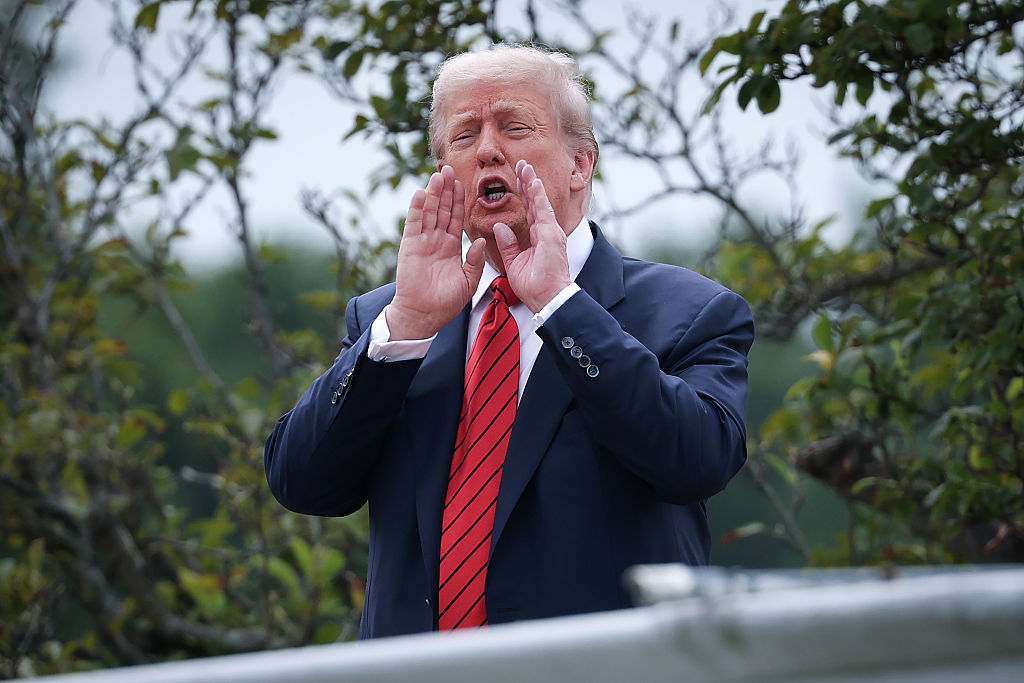
Renewed tariff threats by US President Donald Trump against European allies have rattled global markets, sending the dollar lower and reigniting worries about a potential “Sell America” trade.
The tensions come amid disagreements over Greenland and follow the pattern of trade disputes that first emerged after Trump’s sweeping Liberation Day levies last April.
Stock markets took an immediate hit on Monday. European equities fell more than 1%, while US stock futures also weakened after the public holiday, reflecting investor concern about a possible escalation in the trade conflict.
The dollar showed early signs of pressure as Trump announced plans on Saturday to impose new tariffs on goods from several European countries.
The tariffs would begin at 10% on February 1 and rise to 25% on June 1, until the United States is allowed to buy Greenland, EconomicTimes reported.
In response, the euro recovered slightly from its November lows, while sterling and Scandinavian currencies also strengthened.
The Swiss franc, often seen as a safe haven, headed for its largest daily gain against the dollar in a month.
“I’m sure that there are a lot of people that are fairly aghast at what happened over the weekend and probably thinking about how they hold their assets,” said Francesca Fornasari, head of currency solutions at Insight Investment.
She noted that while the dollar may move lower, it is still supported by a strong US economy and resilient stock market.
Europe ready to deploy $8 trillion ‘sell America’ weapon as Trump reignites a #TradeWar over his Greenland conquest ambitions. — Thomas J. Hartfield (@hartfield) January 19, 2026
Such moves could see investors worldwide dump dollar-denominated assets as they would discontinue serving as safe havens or deliver attractive returns. pic.twitter.com/kLdyIp8wym
Supreme Court May Impact Trump Tariffs
So far, analysts say market reactions have been modest compared to last April, when the dollar experienced a near 2% daily slide following Liberation Day.
Leonard Kwan, fixed income portfolio manager at T. Rowe Price, described the recent moves as “more noise than signal at this point,” citing past patterns of Trump eventually de-escalating trade tensions.
Complicating the picture are a pending US Supreme Court ruling on the legality of Trump’s tariffs and uncertainty over Europe’s response.
According to Reuters, the EU could retaliate with tariffs, or activate an “anti-coercion instrument” to limit US access to public tenders, investments, banking, or trade in services.
Concerns about a “Sell America” trade center on the potential for European investors to reduce their holdings of US assets.
European nations are the US’s largest creditors, owning $8 trillion in equities and bonds—nearly double that of the rest of the world combined.
George Saravelos, Deutsche Bank’s global head of FX research, warned that “it is not clear why Europeans would be as willing to play this part” if geoeconomic stability in the Western alliance is disrupted.
Originally published on vcpost.com



