
Business
UAE construction enters new phase in 2026 as digital discipline, AI and ESG reshape project delivery

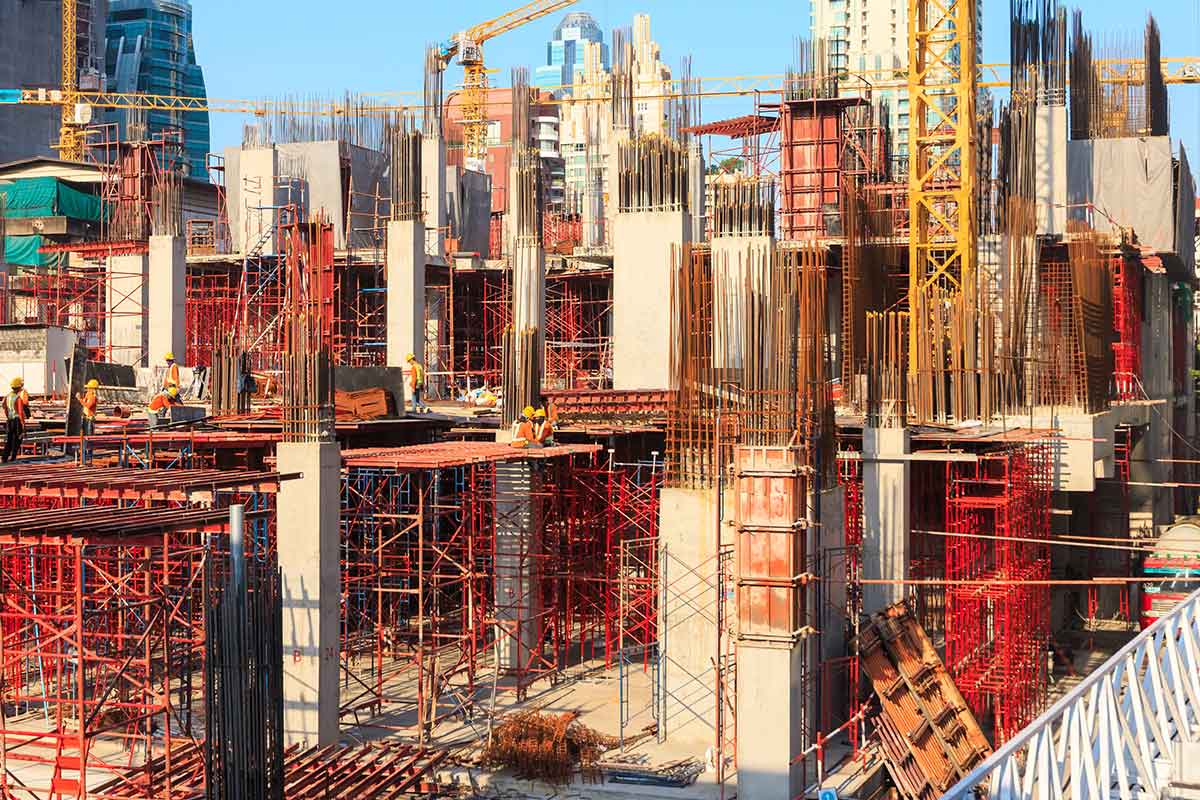
The UAE construction and real estate sector is entering a new phase in 2026, defined by efficiency, transparency and sustainability as developers face mounting pressure to deliver projects on time, on budget and in line with stricter regulatory and ESG expectations.
With the UAE real estate market projected to reach $759bn by 2029, project management practices are evolving rapidly, driven by digital discipline, artificial intelligence adoption and a cultural shift towards mobile-first collaboration, according to analysis highlighted by PlanRadar.
In 2026, the focus has shifted from simply having digital tools in place to ensuring that digital processes are consistent, auditable and adopted across entire projects.
According to Deloitte, 37 per cent of construction businesses were already using AI and machine learning in 2024, representing a 42 per cent year-on-year increase.
The same analysis indicates that moving towards a unified data environment can unlock meaningful productivity gains, with construction leaders reporting potential time savings of around 10.5 hours per week.
UAE construction
In the UAE, this transition is increasingly visible through tighter client and authority expectations.
Developers and government-related entities are requiring structured documentation and clear audit trails as part of prequalification and contract conditions.
Main contractors are standardising workflows and platforms across projects to ensure consistent reporting and comparable KPIs, while consultants are moving away from static PDF reports towards structured data and 360-degree visual documentation to accelerate approvals and strengthen accountability.
Artificial intelligence is expected to remain a central driver of change through 2026. With the UAE AI market forecast to reach $46.3bn by 2030, its impact on construction is deepening as demand grows for predictive analytics, generative design and automated project monitoring.
PlanRadar expects three AI-enabled use cases to gain particular traction:
- The first is predictive risk and delay analysis, which combines historical performance data with live site information such as inspection outcomes, RFIs, logistics and weather to identify work packages at higher risk of delay, enabling earlier intervention and more realistic programme adjustments
- The second is smarter defect and quality management, using image recognition and pattern analysis to identify recurring defects or non-conformances so teams can address root causes rather than repeatedly resolving the same issues
- The third focuses on operational insights for facilities management, bringing together sensor data, work order history and space utilisation trends to optimise maintenance plans, improve cost control and support more reliable portfolio performance
ESG compliance
ESG reporting and disclosure requirements are also reshaping project delivery across the UAE. Mandatory sustainability reporting now applies to listed companies and large financial institutions, with expectations increasingly extending to developers, contractors and operators.
Buildings and construction account for approximately 39 per cent of global energy-related CO₂ emissions, including both operational and embodied carbon.
For a country committed to achieving Net Zero by 2050, this places the sector at the centre of climate and resource efficiency policy.
Authorities and clients are increasingly requesting verifiable evidence of green building certifications. Whether targeting Estidama, LEED or other rating systems, project teams must provide traceable records covering product approvals, installation methods, commissioning tests and performance benchmarks. Structured data and visual documentation are simplifying certification processes, post-occupancy audits and long-term ESG reporting.
Beyond technology, one of the most visible changes in UAE project management is cultural. Digital, mobile-first working is increasingly expected as standard across sites and offices.
Site engineers, project managers, consultants and client representatives want instant access to drawings, issues, photos and reports whether they are on site, in the office or travelling.
Mobile-first workflows are replacing fragmented email chains and unstructured messaging with structured platforms offering real-time notifications and 360-degree visual documentation.
In multicultural and multilingual project environments common across the GCC, visual records and annotated images within standardised digital platforms are helping reduce miscommunication and speed up issue resolution.
Experimentation to execution
As the UAE construction market accelerates its digital transformation, organisations investing in structured data, AI-ready records and mobile-first collaboration are positioning themselves to meet regulatory expectations, improve transparency and protect margins in an increasingly competitive environment.
As 2026 unfolds, the sector’s leaders are expected to be those that treat digital project management not as an add-on, but as the backbone of how construction and real estate projects are planned, delivered and operated.



