
Business
UAE online food delivery market to reach USD3.9bn by 2030 as mobile orders surge

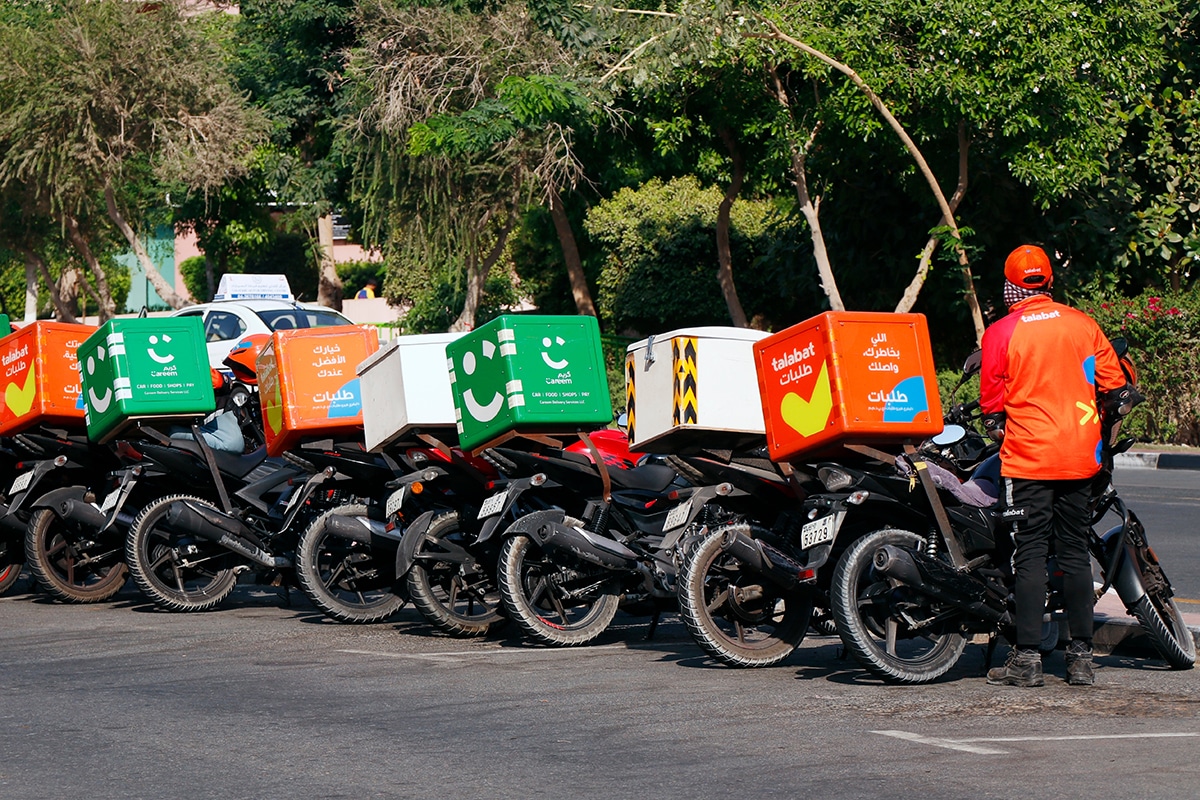
The UAE’s online food delivery market is expected to grow from USD 2.5 billion in 2024 to USD 3.9 billion by 2030, driven by a sharp rise in mobile-first ordering and changing consumer dining habits, according to new data from Syrve MENA.
The restaurant software provider said mobile ordering now represents around 70 percent of delivery transactions across the Middle East and North Africa, reflecting a year-on-year increase of 30 percent in mobile-based dining. The shift is being fuelled by high smartphone penetration, convenience-led lifestyles and the widespread use of food delivery apps.
Dubai remains a key driver of this growth. The city is home to more than 13,000 restaurants and cafés, accounting for roughly 60 percent of all food outlets in the UAE. Syrve’s internal data indicates that aggregator platforms such as Talabat handle approximately three-quarters of delivery orders, with the remainder processed through restaurant-owned digital channels.
As competition intensifies, restaurants are increasingly investing in technology to improve efficiency and protect margins. Syrve said operators are upgrading integrated point-of-sale systems, loyalty applications, call-centre tools and self-service kiosks. Once limited to large quick-service chains, kiosks are now being adopted by smaller venues, where on-screen upselling can increase average order values by between 15 and 30 percent.
“Mobile-based delivery will remain central to foodservice strategy in both markets as operators look to grow order volumes at more than 10 per cent year-on-year while maintaining margins in a highly competitive ecosystem,” said Alexander Ponomarev, Chief Executive Officer of Syrve MENA.
UAE food delivery market
Consumer behaviour around restaurant discovery is also evolving. Syrve’s data shows social media platforms such as TikTok, Instagram and Snapchat playing a growing role in shaping dining choices, with viral dishes and limited-time menu trends driving spikes in demand.
Regulatory and lifestyle trends are further influencing the sector. In Saudi Arabia, mandatory calorie labelling has prompted restaurants to update both in-store and digital menus, while sustainability and health considerations are becoming more mainstream. Industry estimates suggest the UAE’s plant-based food segment is growing at an annual rate of 8.6 percent.
Middle Eastern cuisine continues to dominate the UAE’s full-service restaurant market, followed by Asian concepts, while fast-casual and quick-service restaurants remain the fastest-growing segments. Seasonal factors also play a role, with Ramadan and summer months consistently driving higher volumes of online orders.
Looking ahead, Syrve expects deeper integration of social media into restaurant marketing, broader adoption of AI-driven tools for inventory and pricing, and increased pressure on operators to demonstrate nutritional transparency and environmental responsibility as the market continues to expand.



