
Business
UAE strengthens global leadership in competitiveness, AI and space says Eid Al Etihad 2025 report

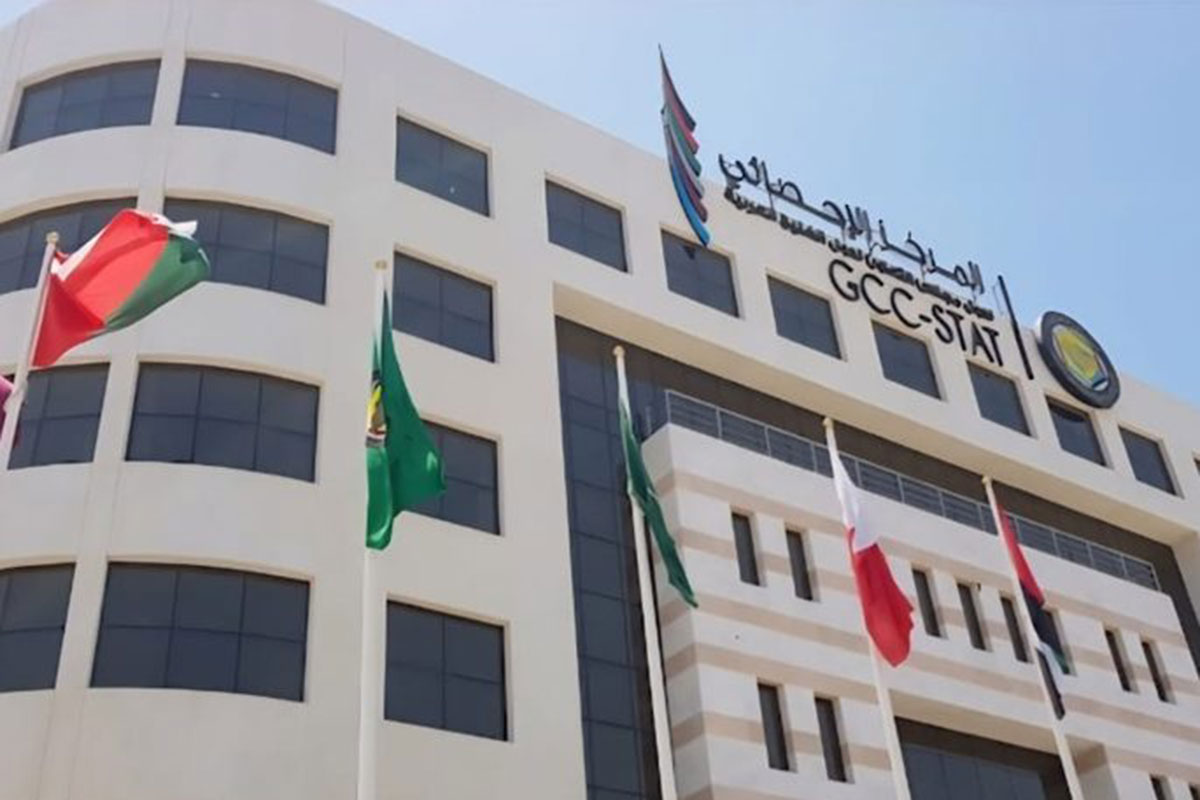
The UAE has strengthened its position as one of the world’s most competitive and future-ready nations, recording global leadership across competitiveness, digital transformation, energy transition and space exploration as it marks its 54th Eid Al Etihad.
According to data highlighted in a special report issued by the GCC Statistical Centre (GCC-STAT), the UAE ranked first regionally and seventh globally in social cohesion, reflecting the stability and resilience of its social structure.
Its economic path continues to advance through income diversification, the development of a knowledge-based economy and expansion into future-focused sectors.
UAE achievements
The UAE has implemented major national strategies, including the UAE National Strategy for Artificial Intelligence 2031, long-term food and water security plans extending to 2036 and 2051, and smart city development programmes in Dubai, Abu Dhabi and Fujairah under long-term planning frameworks through 2040.
These efforts accompany rapid expansion in technology, space, renewable energy and advanced industries.
Competitiveness remains a cornerstone of the nation’s progress. The UAE ranked fifth globally in overall competitiveness for 2025, leading the world in 223 indicators and placing among the top five in 444 indicators.
The country also ranked tenth worldwide in soft power and secured first place globally in entrepreneurship for the fourth consecutive year.
GCC-STAT noted that the UAE’s sovereign wealth funds remain among the world’s strongest, serving as strategic levers that reinforce long-term national economic strength and security.
The UAE has transitioned from a smart government model to an AI-driven society, ranking first globally in telecom infrastructure and second worldwide in AI readiness for 2025.
The government completed its first transaction using the “Digital Dirham,” has digitised more than 90 per cent of government services and leads the world in digital and technological skills.
Energy transition remains central to the country’s long-term economic strategy. The UAE has allocated more than AED600bn ($163.37bn) to renewable energy through 2050.
Its national green hydrogen strategy targets production of 15 million tonnes by 2050, and the UAE ranked sixth globally in talent supporting the green transition.
The report also highlighted the UAE’s rapid rise as a space power. The Hope Probe became the Arab world’s first mission to reach Mars, and the country is developing an asteroid belt exploration mission for 2028. The long-term Mars 2117 settlement project continues to stand among the world’s most ambitious future-focused programmes.



