Business
UAE to introduce ‘sugar tax’ on sweetened drinks from January 2026


The UAE will introduce a new mechanism for calculating Excise Tax on sweetened drinks from January 1, 2026, shifting from a fixed-rate system to a sugar-based “tiered-volumetric model” that links the tax payable per litre to the drink’s sugar and sweetener content.
The change is mandated under Cabinet Decision No. 197 of 2025 on Excise Goods, Tax Rates or Amounts Imposed on Excise Goods, and the Methods of Calculating the Excise Price, which comes into force alongside amendments to Federal Decree-Law No. 7 of 2025 on Excise Tax.
The Federal Tax Authority (FTA) said the new decision forms part of national efforts to support the development of a safe and healthy society by reducing consumption of harmful products and limiting the social and economic costs of non-communicable diseases linked to dietary habits.
UAE sugar tax
As part of early preparations, the FTA has launched a new service on its EmaraTax digital tax services platform allowing producers, importers and stockpilers to register sweetened drinks in line with the new tiered-volumetric calculation model.
The Authority said the service replaces the existing fixed-rate Excise Tax method and leverages artificial intelligence technologies to improve speed, efficiency and customer experience.
From January 1, 2026, all producers, importers and stockpilers of sweetened drinks must obtain an Emirates Conformity Certificate for Sugar and Sweeteners Content in Beverages (for Excise Tax purposes) through the official website of the Ministry of Industry and Advanced Technology.
The certificate must be issued following laboratory testing by an accredited laboratory listed by the National Accreditation Department or the Emirates International Accreditation Centre. Once obtained, it must be submitted to the FTA when registering or updating beverage products via EmaraTax.
The FTA warned that failure to submit the mandatory certificate will result in the product being classified as a high-sugar sweetened drink until laboratory evidence confirms otherwise.
Under the new mechanism, Excise Tax will be calculated based on the total sugar and sweetener content, including natural sugar, added sugar and artificial sweeteners, where added sugar or sweeteners are present.
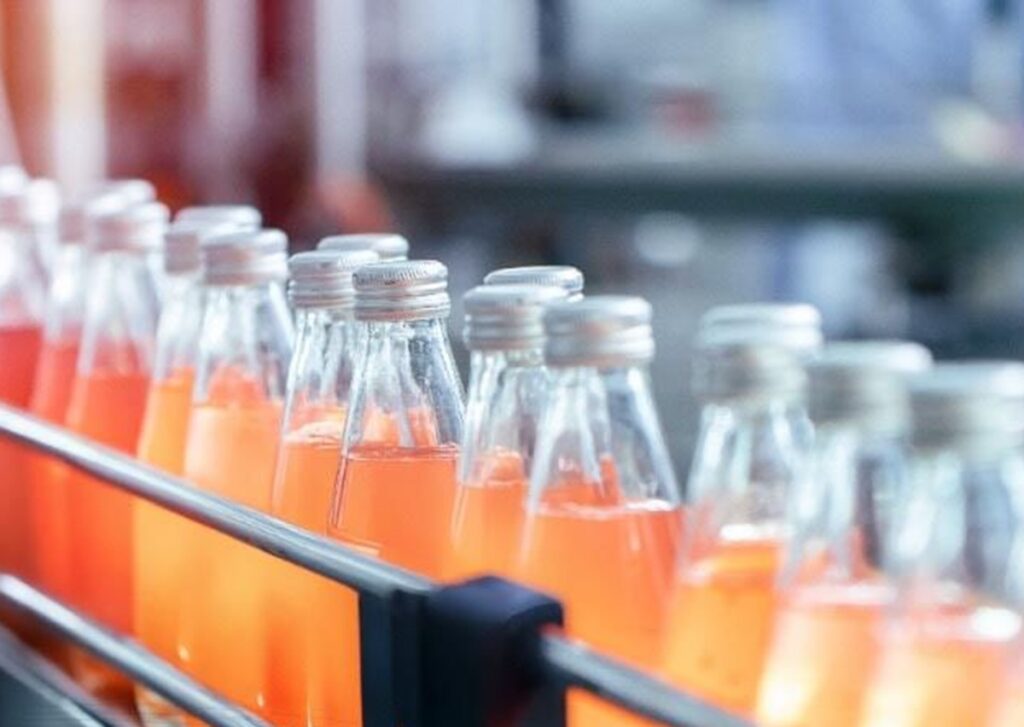
Carbonated and energy drinks
The rules apply to ready-to-drink beverages as well as concentrates, powders, gels, extracts and other forms that can be converted into sweetened drinks. Beverages containing only natural sugar with no added sugar or sweeteners will not be subject to Excise Tax in the UAE.
For non-ready-to-drink products, businesses must provide sugar content data and serving size information based on preparation instructions on the product label to avoid suspension of registration and potential disruption to imports.
With the new system, carbonated drinks will no longer be treated as a standalone Excise Goods category. Instead, their tax treatment will depend on sugar and sweetener content.
Energy drinks will remain subject to Excise Tax at 100 per cent of the excise price under the existing calculation method and will not fall under the tiered-volumetric model.
Four tax categories and rates
The FTA confirmed that sweetened drinks will be classified into four categories:
- High-sugar sweetened drinks: Contain 8g or more of total sugar and sweeteners per 100ml
Excise Tax: AED 1.09 per litre ($0.30) - Moderate-sugar sweetened drinks: Contain 5g or more and less than 8g per 100ml
Excise Tax: AED 0.79 per litre ($0.22) - Low-sugar sweetened drinks: Contain less than 5g per 100ml
Excise Tax: AED 0 per litre ($0) - Artificially sweetened drinks: Contain only artificial sweeteners or less than 5g of sugar per 100ml
Excise Tax: AED 0 per litre ($0)
Advance guidance
The UAEFTA said it has issued public clarifications and detailed guidance over recent months to ensure businesses are prepared for the transition, including technical explanations of how sugar content is calculated and how products are classified under the new system.