
Business
uber invests $1.25bn in rivian robotaxi deal to launch autonomous fleet across us europe

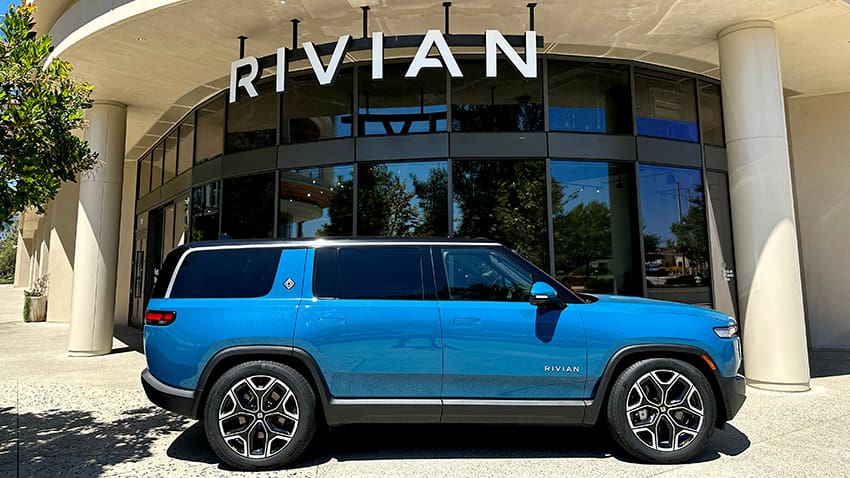
Uber is doubling down on autonomous mobility with plans to invest up to $1.25 billion in electric vehicle maker Rivian as part of a long-term strategy to launch a global robotaxi network.
The ride-hailing giant will initially commit $300 million, with the total investment potentially rising to $1.25 billion by 2031, contingent on Rivian meeting key performance milestones tied to the reliability and safety of its autonomous driving technology.
The partnership will see Uber, alongside fleet partners, purchase at least 10,000 autonomous Rivian R2 vehicles, which will be deployed exclusively through the Uber platform. The first robotaxi services are expected to launch in San Francisco and Miami in 2028, before expanding across the United States, Canada and Europe.
The deal represents one of Uber’s most significant moves yet in the rapidly evolving autonomous transport sector, as it seeks to position itself as the primary commercial gateway for robotaxi services rather than a developer of the underlying technology.
Having sold its own self-driving division in 2020, Uber has pivoted to a partnership-led model, aligning itself with a growing roster of autonomous vehicle developers. The company has now struck agreements with more than 20 self-driving firms, including Waymo and Zoox, as it races to build scale ahead of widespread adoption.
Under the Rivian agreement, Uber will also pay licensing fees for access to Rivian’s proprietary autonomous software, while retaining the option to expand the fleet to as many as 50,000 vehicles from 2030 onwards.
If all milestones are achieved, the companies expect to deploy thousands of fully driverless vehicles across more than 25 cities globally by the end of the decade.
For Uber, the strategy is clear: control the customer interface and demand layer, while outsourcing the capital-intensive and technically complex elements of autonomy to specialist partners. The company is also experimenting with owning or co-owning fleets, giving it more direct exposure to the economics of autonomous transport as it explores financing partnerships with banks and private equity investors.
The move comes as competition intensifies in the robotaxi space, with Tesla, Lucid and a host of technology-led entrants all vying for dominance in what many see as the next frontier of mobility.
Tesla has already begun limited robotaxi deployments in Austin and San Francisco, while Lucid is exploring expanded collaborations with Uber and other partners to scale its own autonomous ambitions.
For Rivian, the deal marks a significant strategic pivot towards software and autonomy at a time when the electric vehicle market is facing slowing demand, policy uncertainty and margin pressure.
The company acknowledged that accelerating its autonomy roadmap would come at a financial cost, warning it no longer expects to meet its previously stated profitability targets by 2027 due to increased research and development spending.
Nevertheless, investors initially responded positively to the announcement, with Rivian’s shares rising sharply before paring gains later in the session.
Rivian has been investing heavily in its in-house autonomous stack, including a proprietary chip, lidar systems, high-definition cameras and radar sensors, all of which are expected to be integrated into its upcoming R2 platform from 2027.
The company is also developing software for both commercial fleets and private vehicle ownership, with ambitions to enable fully autonomous everyday use cases such as school runs and airport pickups.
Industry analysts view the Uber–Rivian partnership as emblematic of a broader shift in the sector, where success is likely to depend less on individual technological breakthroughs and more on the ability to integrate hardware, software and distribution at scale.
Uber’s global network of riders and drivers provides a ready-made marketplace for autonomous services, while Rivian brings manufacturing capability and a vertically integrated approach to vehicle and software development.
However, significant hurdles remain. Regulatory approval, safety validation, infrastructure investment and public trust will all play critical roles in determining how quickly robotaxis move from pilot programmes to mainstream adoption.
The timeline itself reflects this reality. While Uber aims to operate robotaxis in 15 markets by the end of this year through various partnerships, meaningful scale is not expected until 2027 and beyond.
In the meantime, the deal underscores a growing consensus across the mobility sector: that autonomy is no longer a distant ambition, but an increasingly central battleground for the future of transport, and one that will require deep capital, long-term commitment and strategic collaboration to win.

Paul Jones
Harvard alumni and former New York Times journalist. Editor of Business Matters for over 15 years, the UKs largest business magazine. I am also head of Capital Business Media’s automotive division working for clients such as Red Bull Racing, Honda, Aston Martin and Infiniti.


Piper Sandler initiates Definium stock with Overweight rating
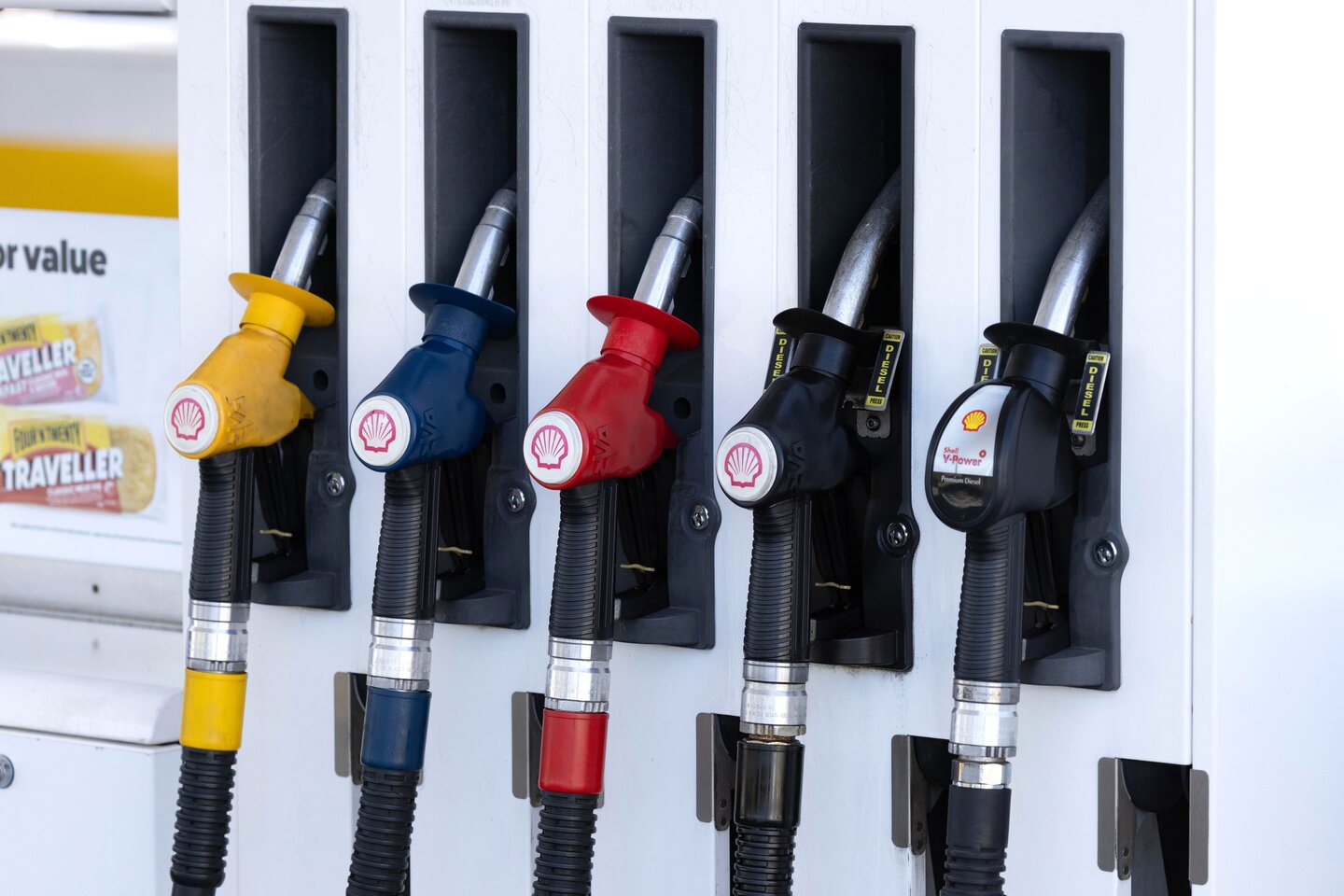
Australia’s largest supplier of refined fuel will continue to provide petrol and diesel amid global uncertainty as part of a new agreement.
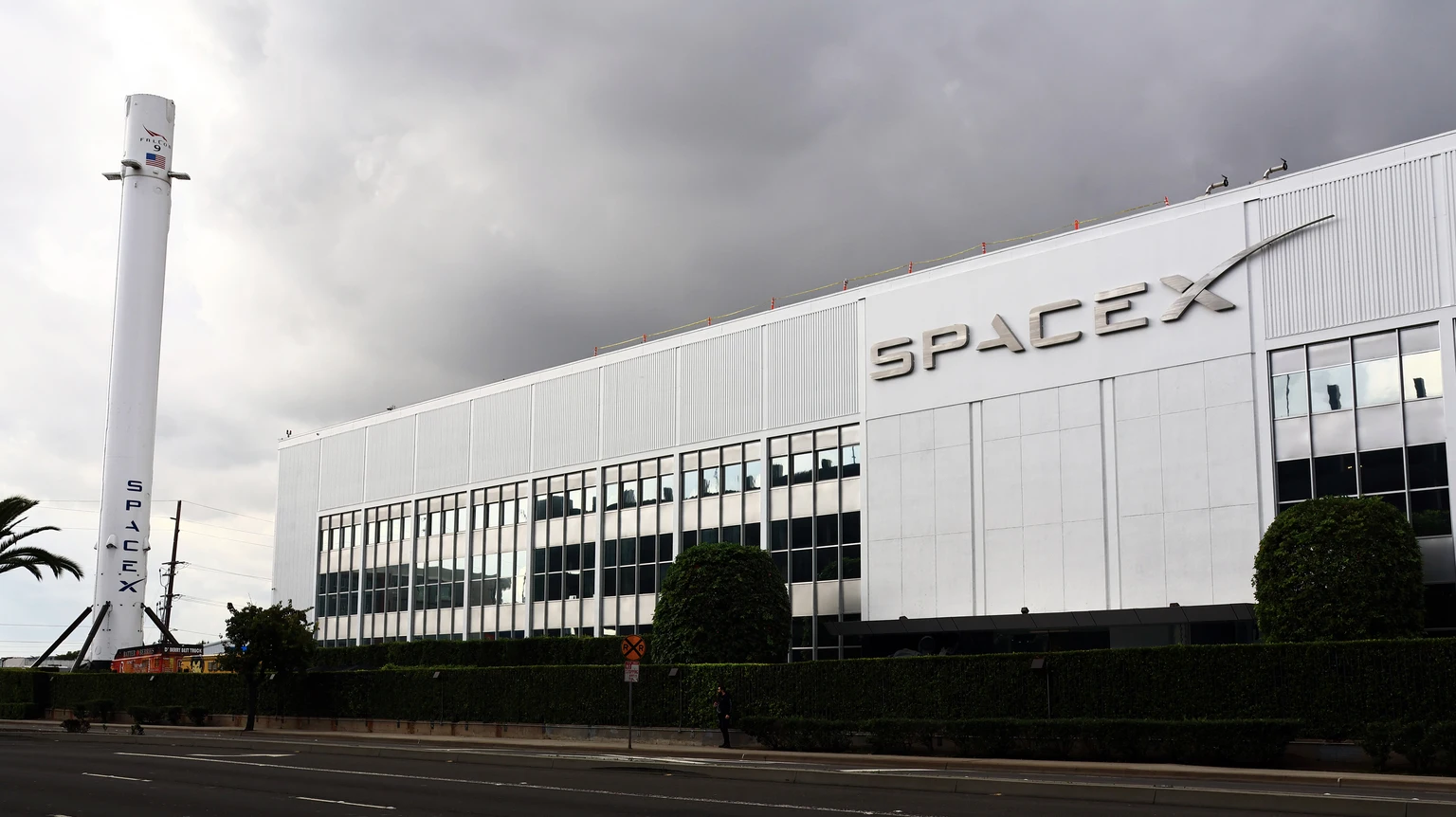
The 2026 IPO Bottleneck Breaks: From SpaceX To AI Unicorns
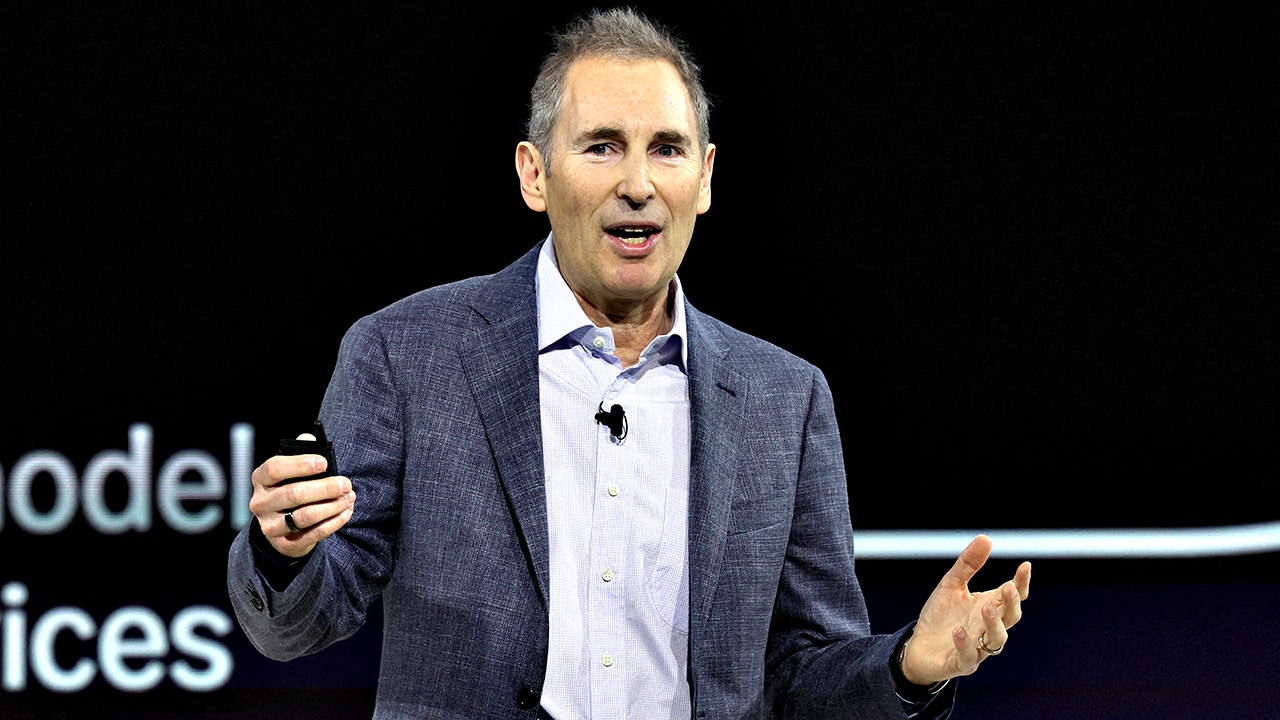
Amazon CEO Andy Jassy and Delta Airlines CEO Ed Bastian discuss consumer sentiment, Amazon’s chip manufacturing efforts and more on ‘The Claman Countdown.’
Amazon is signaling a major shift in how it plans to serve customers, starting with rewriting parts of its own playbook.
CEO Andy Jassy released his annual letter to shareholders on Thursday, writing that the tech giant is not content to simply add artificial intelligence features to its existing retail business. Instead, Jassy said Amazon is preparing to rebuild the customer shopping experience from the ground up, even if it means disrupting products and systems that already work at massive scale.
“The temptation is to just add a little AI to the existing experience,” Jassy wrote, adding that the “trick” leaders must learn is “reimagining your experiences from a clean sheet of paper.”
“When you have a product that’s working at scale, one of the hardest decisions to make is to go back to the starting line,” Jassy wrote.
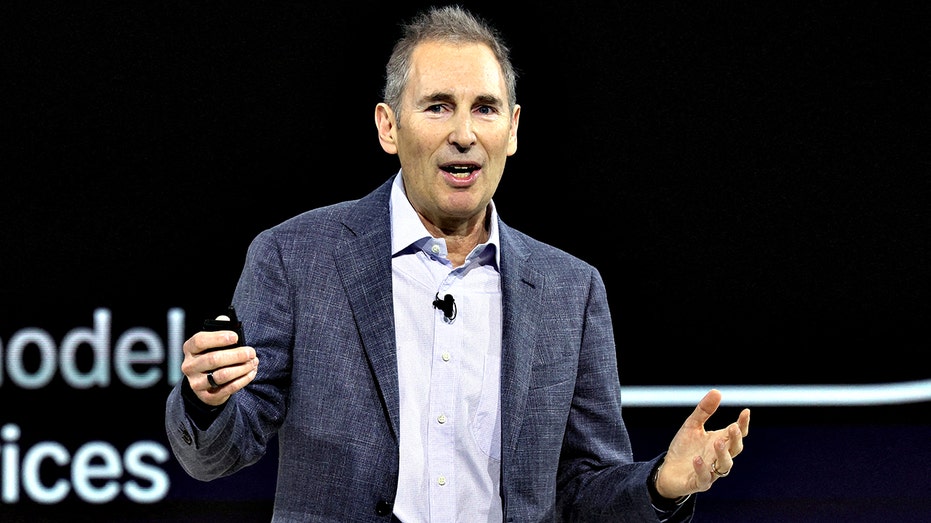
Amazon CEO Andy Jassy speaks during an Amazon Devices launch event in New York City on Feb. 26, 2025. (Brendan McDermid/File Photo / Reuters Photos)
Jassy suggested that “the interface with which customers want to interact with a retailer could be substantially different over time.”
The CEO acknowledged that rebuilding systems at scale can feel like “going backwards,” especially when those systems are already widely used.

In this photo illustration, the Amazon logo is displayed on a smartphone screen. (Jaque Silva/SOPA Images/LightRocket via Getty Images)
AMAZON HEALTH BRINGS A DOCTOR TO YOUR POCKET
But he argued that standing still in a moment of rapid technological change is riskier.

In this photo illustration, a shopping cart is seen in front of the Amazon logo. (Jaque Silva/SOPA Images/LightRocket via Getty Images)
“AI is not a standalone initiative—it’s a multiplier,” Jassy wrote. “It will reshape every customer experience we offer and unlock entirely new ones.”
| Ticker | Security | Last | Change | Change % |
|---|---|---|---|---|
| AMZN | AMAZON COM INC | 233.65 | +12.40 | +5.60% |
CLICK HERE TO DOWNLOAD THE FOX NEWS APP
Jassy concluded his letter sharing his optimism for what lay ahead for the tech giant, underscoring Amazon’s strong finish to 2025, which saw revenue grow 12% year-over-year from $638 billion to $717 billion.
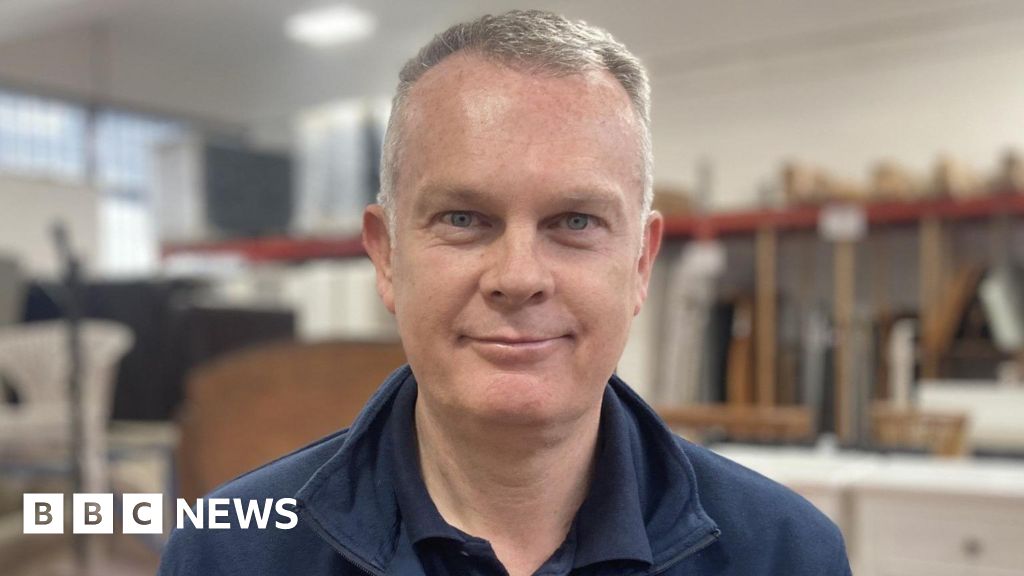
The Harrogate-based charity warns donations of furniture are falling while demand continues to grow.

Somerset councillor Heather Shearer said: “One thing the Crisis Resilience Fund wants us to do is not just support people in crisis, it also wants us to work in our community, give more strength and support for the organisations who already support our families.”

Monadelphous has secured a suite of construction and maintenance contracts worth a total $145 million, including work at Rio Tinto’s Paraburdoo iron ore mine in the Pilbara.

Klaus Vedfelt/DigitalVision via Getty Images

By Christopher Gannatti, CFA & Samuel Rines
Currency is often treated as a background variable that can be hedged away, neutralized, or simply ignored. But in the current environment, that framing could overlook potentially compelling investment opportunities. When we

TSMC’s Q1 revenue jumps 35% y/y, beats market forecast

OPINION: This second in a two-part series looks at how to minimise AI hallucinations.
Why Did Federal Officials Urgently Summon Banking CEOs Over Anthropic’s Mythos AI?
Afrika Bambaataa, hip-hop pioneer, dies at 67: Report

Finance Manager Roles and Responsibilities – Role of a Financial Manager


-

 Fashion7 days ago
Weekend Open Thread: Spanx – Corporette.com
-

 Business4 days ago
Three Gulf funds agree to back Paramount’s $81 billion takeover of Warner, WSJ reports
-

 Sports5 days ago
India men’s 4x400m and mixed 4x100m relay teams register big progress | Other Sports News
-

 Business6 days ago
Expert Picks for Every Need
-

 Tech2 days ago
How Long Can You Drive With Expired Registration? What Florida Law Says
-

 Business5 days ago
No Jackpot Winner, Prize to Climb to $231 Million
-

 Fashion4 days ago
Massimo Dutti Offers Inspiration for Your Summer Mood Board
-

 Fashion3 days ago
Let’s Discuss: DEI in 2026
-
Politics7 days ago
Wings Over Scotland | The quality of mercy
-

 Crypto World2 days ago
Bitcoin recovers as US and Iran Agree a Ceasefire Deal
-

 Business5 days ago
Akebia Therapeutics, Inc. (AKBA) Discusses Pipeline Progress and Strategic Focus on Kidney Disease Treatments at R&D Day – Slideshow
-

 Crypto World18 hours ago
Canary Capital Files SEC Registration for PEPE ETF
-
 Business7 days ago
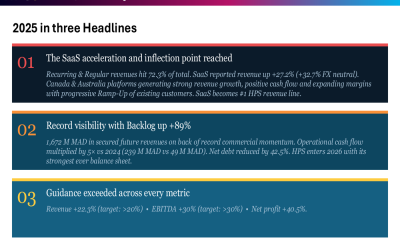
HPS FY 2025 slides: SaaS inflection drives 22% revenue growth
-

 Fashion7 days ago
Frugal Friday’s Workwear Report: Hammered Metallic Button Sweater Vest
-

 Politics6 days ago
The UK should not pay a penny in slavery reparations
-

 Tech4 days ago
Haier is betting big that your next TV purchase will be one of these
-

 Fashion7 days ago
Tory Burch’s Spring 2026 Campaign Goes on a Getaway
-

 Fashion7 days ago
Weekly News Update, 4.3.26 – Corporette.com
-

 Tech4 days ago
Samsung just gave up on its own Messages app
-
 NewsBeat7 days ago
Rory McIlroy hopes to emulate greats as he aims to make more history
You must be logged in to post a comment Login