
Business
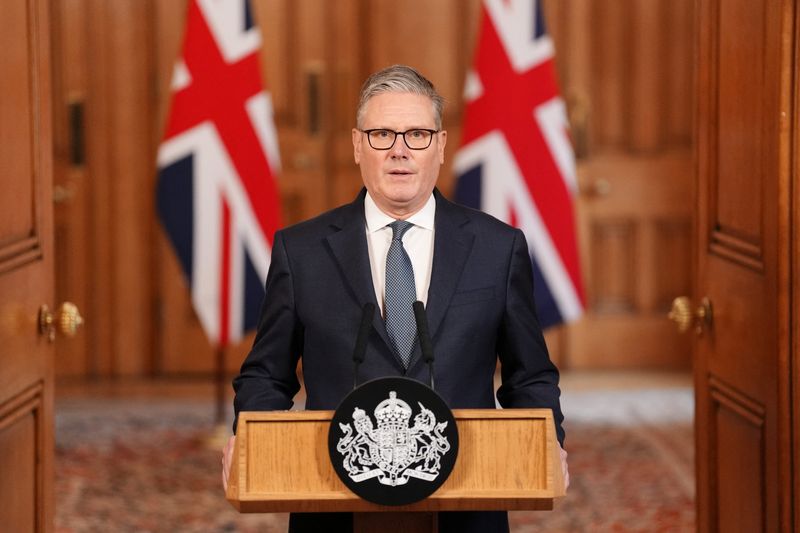
UK’s Starmer says US can use British bases for defensive strikes against Iran missiles




Senior leaders are not debating the role of private aviation to the same extent; the real question is where commercial travel still fits for business travel.
In 2026, with tighter schedules and teams spread across markets, travel is judged by how little it interrupts momentum. A delayed flight or missed connection is not just inconvenient; it disrupts decisions, timelines, and business flow. For executives managing multiple regions, even small delays compound quickly.
1. Direct Flights Cut Out Entire Segments of the Day
A commercial return trip from London to a regional European city can take ten to twelve hours door to door. That is a full working day gone before anything meaningful starts.
Private aviation compresses that journey into four or five hours, removing the need for connections and long waits that often sit between meetings and slow everything down. Routes that would normally require a stop through Frankfurt or Amsterdam become direct, with aircraft landing closer to the actual destination.
Industry estimates suggest private aviation can reduce total travel time on these routes by per cent. Over the course of a month, those saved hours can mean the difference between reacting to issues and getting ahead of them.
2. Departure Times Follow the Executive, Not the Airline
Commercial schedules force trade-offs; in other words, leave early or risk missing the last flight.
This pressure shapes behaviour more than people admit. Meetings get cut short, and conversations are rushed. Senior people start watching the clock instead of focusing on outcomes.
With private aviation, that constraint disappears. If a negotiation runs over, it runs over. If a deal is close to being agreed, there is no need to pause and pick it up days later. The aircraft waits, and the work finishes properly.
3. Flights Double as Secure Working Sessions
The cabin of a private aircraft is far quieter and more usable.
Conversations that would never happen on a commercial flight can happen freely here. Financial reviews, legal disputes, and internal disagreements need to be resolved before landing. A CEO and CFO might spend the entire flight refining numbers ahead of an investor meeting, adjusting assumptions in real time.
On a commercial flight, that work is delayed or diluted. Here, it moves forward without compromise.
4. Less Physical Strain Means Sharper Decisions on Arrival
Anyone who travels frequently knows the routine—early starts, queues, delays, crowded gates.
Private aviation removes most of it. Arrive at Farnborough or Biggin Hill shortly before departure, walk straight through, and take off.
You land in a different state, clearer, more focused, and able to engage immediately. At this level, lost time is rarely recoverable.
5. Multiple Stops Become Possible Within a Single Day
Trying to visit more than one location in a day using commercial flights is often unrealistic.
Private aviation changes that completely. A leadership team can start the morning at a site in northern Italy, meet partners in Zurich mid-afternoon, and still make it back to London that evening.
For companies that regularly charter a private jet, this is not an exception. It becomes part of how senior teams operate, allowing them to stay closely connected to multiple parts of the business without extending trips across several days.
6. Access to Smaller Airports Brings Leaders Closer to Operations
Many business-critical locations sit nowhere near major airports, and commercial routes often don’t cater for these.
Landing closer can turn a two-hour transfer into a twenty-minute drive. That time is often reinvested immediately, whether that is walking a site, meeting local management, or resolving an issue in person rather than remotely.
7. Ground Time Is Reduced to Minutes, Not Hours
The inefficiency of commercial travel is often on the ground.
Security lines, boarding delays, and waiting for luggage can easily add two or three hours to a journey, often in unpredictable ways.
Conversely, private terminals allow you to arrive shortly before departure and leave just as quickly at the other end. No queues and no drift in the schedule.
The Cumulative Impact on Leadership Output
Individually, these gains might seem small; an hour here, another there. However, across a week, it adds up quickly. Reclaiming even eight to ten hours changes how an executive operates. That time goes back into decisions, into people, into areas of the business that usually get pushed aside.
It also reduces fragmentation and means fewer interruptions, fewer resets, and fewer moments where momentum is lost.
Private Aviation as Part of Business Infrastructure
For many organisations, commercial travel is now the bottleneck.
Not because it fails, but because it introduces delays at the wrong points in the day. Private aviation removes that constraint. It gives leadership teams control over timing, access, and working conditions.
In sectors where timing affects revenue, hiring, or partnerships, that control has a direct impact.
Why It Matters for C-Suite Performance
C-suite productivity comes down to how time and attention are used. Private aviation reduces delays, supports focused work, and makes demanding schedules realistic again. It keeps momentum intact, which is often the difference between reacting and leading.


I started my investing journey at age 18, and over the years, I have developed a disciplined strategy that has consistently outperformed the broader market. My approach to the market is twofold. For short-term tactical opportunities, I focus on value plays—identifying fundamentally sound stocks that have been unfairly beaten down by market overreactions, buying the dip, and capturing the upside as the price recovers. For the long term, I anchor my portfolio with proven compounders that exhibit durable growth, healthy financials, and strong competitive advantages. Beyond managing my personal portfolio, I am deeply passionate about financial education. I created a comprehensive online course to help beginners navigate the mechanics of the stock market, and I am currently partnering with a team to build a dedicated educational website for new retail investors. Whether I am analyzing a quick turnaround play or a decade-long hold, my goal is always to uncover clear, actionable value.
Analyst’s Disclosure: I/we have no stock, option or similar derivative position in any of the companies mentioned, and no plans to initiate any such positions within the next 72 hours. I wrote this article myself, and it expresses my own opinions. I am not receiving compensation for it (other than from Seeking Alpha). I have no business relationship with any company whose stock is mentioned in this article.
Seeking Alpha’s Disclosure: Past performance is no guarantee of future results. No recommendation or advice is being given as to whether any investment is suitable for a particular investor. Any views or opinions expressed above may not reflect those of Seeking Alpha as a whole. Seeking Alpha is not a licensed securities dealer, broker or US investment adviser or investment bank. Our analysts are third party authors that include both professional investors and individual investors who may not be licensed or certified by any institute or regulatory body.


Iranians expect no post-war respite under military rule

Google in talks with Marvell to build new AI chips for inference, The Information reports
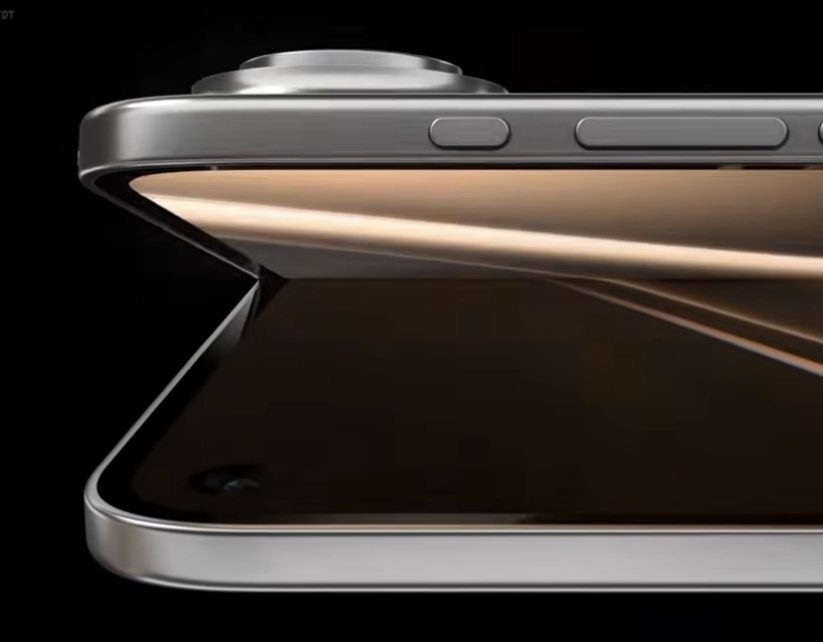
CUPERTINO, California — Apple’s long-rumored foldable iPhone, widely expected to carry the premium “Ultra” branding, is shaping up as the most ambitious device in the company’s smartphone history ahead of a anticipated September 2026 launch.

Industry analysts and supply chain reports indicate the iPhone Ultra will represent a new top-tier model alongside the iPhone 18 Pro and Pro Max, potentially priced north of $2,000 and introducing a book-style foldable design that transforms from a compact phone into a tablet-like experience. As excitement builds in April 2026, here are 10 key things enthusiasts and potential buyers must know about this groundbreaking device based on the latest leaks and expert analysis.
- It’s Apple’s First Foldable iPhone, Likely Named iPhone UltraThe device marks Apple’s entry into the foldable smartphone category after years of development and patent filings. Multiple reliable sources, including Bloomberg’s Mark Gurman and Chinese leakers such as Instant Digital, suggest it will be branded as the iPhone Ultra rather than simply iPhone Fold. This naming aligns with Apple’s Ultra strategy seen in the Apple Watch Ultra and rumored future MacBook and AirPods models, positioning it as the ultimate premium offering in the lineup.
- Book-Style Design with Passport-Like Form FactorUnlike many competing foldables that open like a book with a tall aspect ratio, the iPhone Ultra is expected to feature a wider, more square “passport-style” shape when closed. This design choice aims for better one-handed usability and pocketability. When unfolded, it delivers a large inner display while maintaining a slim profile that could redefine mobile productivity and media consumption.
- Dual Displays: 5.5-Inch Outer and 7.8-Inch InnerThe outer screen when folded is rumored to measure approximately 5.5 inches, providing a functional phone experience without needing to unfold for quick tasks. Once opened, users gain access to a expansive 7.8-inch inner OLED panel — nearly the size of an iPad mini — with expectations of minimal or no visible crease thanks to advanced display technology. This setup could enable seamless multitasking, split-screen apps and immersive video or gaming.
- Ultra-Thin Profile at Just 4.5mm UnfoldedDurability meets elegance in the reported 4.5mm thickness when open, making it Apple’s thinnest iPhone to date. Achieving this slimness while incorporating a hinge mechanism has been a significant engineering challenge. The closed thickness is expected around 9-10mm, still competitive with current flagships while offering the foldable advantage.
- Titanium Frame with Advanced Hinge TechnologyA hybrid titanium-aluminum chassis is anticipated for strength and lightness, with the hinge potentially incorporating “liquid metal” or amorphous metal alloys for superior durability and smooth operation. Titanium provides rigidity in critical areas prone to stress during repeated folding, addressing common foldable concerns like creasing or hinge wear over time.
- Touch ID Replaces Face IDIn a notable departure from recent iPhones, the Ultra may ditch Face ID in favor of Touch ID integrated into the power button or side. This shift could stem from challenges fitting under-display sensors into the foldable architecture while maintaining security and convenience, especially across both inner and outer displays.
- Powerful A20 Chip and Enhanced PerformanceThe device is expected to be powered by Apple’s next-generation A20 Pro chip, built on a cutting-edge 2-nanometer process. Paired with up to 12GB of RAM, it promises significant gains in speed, efficiency and AI capabilities. This hardware foundation should support demanding tasks like advanced Apple Intelligence features, professional-grade video editing and high-end gaming across the larger unfolded screen.
- Dual 48MP Camera SystemPhotography enthusiasts can look forward to a dual rear camera array featuring two 48MP sensors — likely a main wide and ultrawide — arranged horizontally on a shorter camera plateau. Additional front-facing cameras, possibly including one on the inner display, would enable high-quality selfies and video calls in both folded and unfolded modes. The setup aims to deliver pro-level imaging without the bulk of a triple or quad camera bump.
- Massive Battery for All-Day — or Longer — UseRumors point to one of the largest batteries ever in an iPhone, potentially in the 5,400mAh to 5,800mAh range. This capacity is crucial to power both displays and the more power-hungry foldable mechanics while delivering exceptional endurance. Combined with the efficient A20 chip, the Ultra could offer substantially better battery life than current models, especially during productivity or media sessions.
- Premium Pricing and September 2026 Launch TimelineExpect a starting price exceeding $2,000, reflecting the advanced materials, dual-display technology and engineering investments. While some reports mention possible minor production delays pushing full availability to late 2026 or early 2027, most analysts still point to a September announcement window alongside the iPhone 18 Pro models. Pre-orders could begin shortly after reveal, with initial supply likely constrained due to the complex manufacturing process.
Beyond these core details, the iPhone Ultra is poised to introduce software optimizations in iOS 27 tailored for foldables, including improved app continuity when unfolding, enhanced multitasking gestures and better support for productivity apps. The larger inner canvas could make it a compelling alternative to carrying both a phone and a small tablet.
Challenges remain in the development phase. Supply chain reports have noted engineering hurdles around display durability and hinge reliability, though recent updates suggest Apple is on track for a 2026 debut. The foldable market is already competitive, with Samsung, Google and Chinese manufacturers offering mature options, but Apple’s reputation for polish and ecosystem integration could set a new standard.
Consumer interest appears high despite the expected premium cost. Social media discussions and analyst projections highlight demand from professionals needing portable productivity tools, content creators seeking larger canvases for editing and everyday users drawn to the novelty of a device that adapts to different use cases.
Apple has not officially confirmed any specifications or even the existence of the iPhone Ultra as of April 2026. All details stem from supply chain leaks, dummy unit analyses and reports from credible journalists. Historically, Apple’s foldable ambitions have been subject to delays as the company prioritizes quality over rushing to market.
If realized as described, the iPhone Ultra could reshape not only Apple’s iPhone strategy but the broader smartphone landscape. It represents a bold step beyond incremental upgrades seen in recent Pro models toward truly transformative hardware. For users weighing a purchase, the combination of premium build, expansive display and powerful internals may justify the higher entry point for those seeking the ultimate iPhone experience.
As summer approaches, more concrete information may emerge through regulatory filings, prototype sightings or developer hints in beta software. Until then, the iPhone Ultra remains one of the most anticipated tech releases of 2026, promising to blend the best of phone and tablet worlds in Apple’s signature refined style.
Whether it fully lives up to the hype will depend on real-world testing for crease visibility, hinge longevity and everyday usability. Early indications, however, suggest Apple is aiming for a device that feels less like a compromise and more like a seamless evolution — one that could finally make foldables mainstream for iOS loyalists.
In the meantime, current iPhone owners evaluating upgrades should monitor official channels closely. The Ultra’s arrival may prompt a refresh cycle for those wanting the latest in form factor innovation, even at a steeper price.

JioBlackRock Mutual Fund, a new entrant, reported an AUM of Rs 15,258 crore in March, with HDFC Bank and ICICI Bank as its top holdings. The portfolio also includes Bharti Airtel, Reliance Industries, Infosys and ITC, based on data from Prime Database.
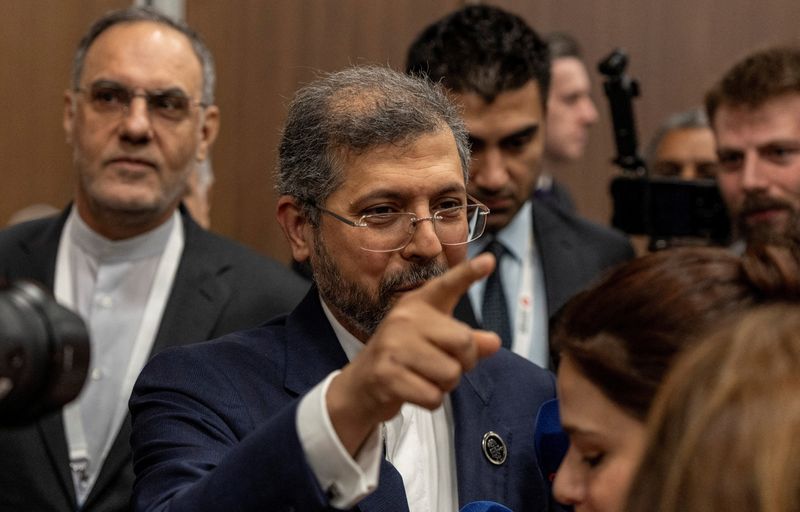

Iran says no date set for next round of negotiations with US
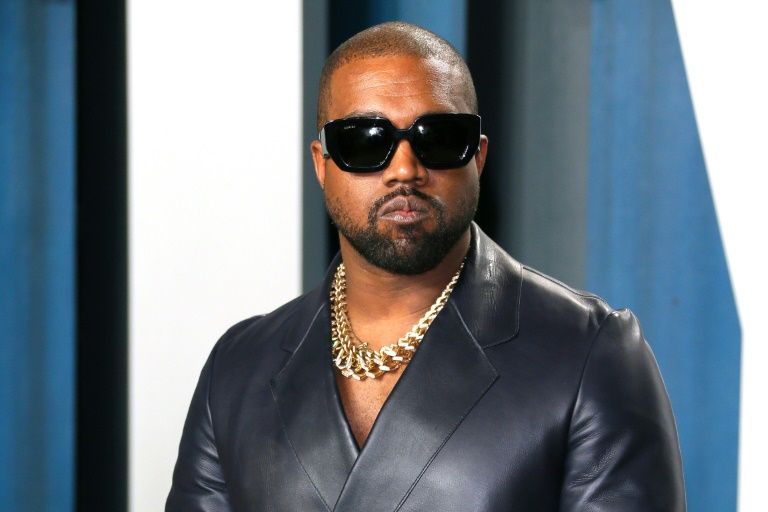
INDIO, California — Kanye West, performing as Ye, did not appear at the Coachella Valley Music and Arts Festival in 2026, despite circulating rumors and reports that he offered to perform for free. Organizers reportedly declined the proposal, leaving the controversial rapper absent from both weekends of the sold-out event that wrapped up Sunday, April 19.

The 2026 edition of Coachella, marking its 25th year at the Empire Polo Club, featured headliners Sabrina Carpenter, Justin Bieber and Karol G. No official lineup inclusion or surprise guest slot materialized for West, whose name sparked heated online debates rather than stage appearances. Fans and critics alike weighed in on whether the festival should have considered him, with many expressing relief at his exclusion given his history of inflammatory remarks.
Reports emerged in the weeks leading up to the festival that West had reached out about a potential performance, even proposing to do it without compensation. Insiders and social media discussions suggested Goldenvoice, the festival promoter, passed on the idea. This decision aligns with broader industry caution following West’s past controversies, including antisemitic statements that led to lost partnerships and public backlash. Similar scrutiny has affected his other 2026 bookings, such as headlining Wireless Festival in London, where major sponsors like Pepsi pulled support.
Coachella 2026 ran April 10-12 for Weekend 1 and April 17-19 for Weekend 2. The announced lineup emphasized pop, Latin, electronic and indie acts, with additional performances from The Strokes, The xx, Anyma, Young Thug and others. Surprise guests included appearances tied to headliners and supporting sets — such as Ty Dolla ignjoiningYoungThugfor”Carnival,”atrackfromthe¥ ign joining Young Thug for “Carnival,” a track from the ¥ ignjoiningYoungThugfor”Carnival,”atrackfromthe¥ collaborative project with West — but West himself stayed off the desert stages.
West has maintained a busy 2026 calendar outside Coachella. He kicked off a series of comeback shows with two sold-out performances at SoFi Stadium in Inglewood on April 1 and April 3, marking his first major U.S. stadium appearances in years. Those “Homecoming” concerts featured elaborate production and drew tens of thousands, generating viral moments and renewed discussion about his live draw despite the controversies.
His planned international tour dates include stops in India, Turkey, the Netherlands and elsewhere, though some shows have faced cancellations due to logistical or external pressures. The absence from Coachella adds to a pattern of near-misses: West was slated to headline in 2022 but pulled out at the last minute, and earlier creative disputes derailed a 2019 dome-stage concept.
Festival organizers have remained silent on the reported offer, focusing instead on delivering a smooth event. Attendance appeared strong, with the lineup selling out quickly after its September 2025 announcement. Livestreams on YouTube allowed global viewers to catch sets, while social media buzz centered on the headliners’ energy, fashion moments and unexpected collaborations rather than any West-related drama.
For many attendees and online observers, the decision to keep West off the bill reflected evolving standards in festival booking. Discussions on platforms like Reddit and X highlighted his past praise of Adolf Hitler, “White Lives Matter” shirt promotions and other statements that alienated brands, collaborators and segments of the audience. While some die-hard fans argued for separating the art from the artist and celebrated his catalog of hits, critics maintained that platforms like Coachella carry a responsibility to consider the full impact of their bookings.
Coachella has a long history with West. He performed memorable sets in earlier years, including a headline turn and the debut of his Sunday Service choir concept in 2019 from a hillside overlooking the grounds. Those appearances helped cement his reputation as a boundary-pushing live performer capable of blending gospel, hip-hop and spectacle. Yet repeated controversies in the years since shifted the conversation from innovation to accountability.
This year’s festival leaned into safer, high-energy pop and genre-crossing appeal. Sabrina Carpenter brought theatrical production to her Friday headline slots, Justin Bieber delivered nostalgic and current hits on Saturday with several guests, and Karol G made history as the first Latina headliner on Sunday. Electronic and alternative acts filled out the bill, creating a balanced experience that avoided the polarization a West appearance might have invited.
Rumors of a possible Kanye cameo persisted into Weekend 2, fueled by fan leaks, concept videos on YouTube imagining full sets, and TikTok speculation. One viral clip even teased “Yeezy throwing a party at Coachella,” but no such moment occurred. Instead, the biggest talking points remained the official surprises and the overall vibe under clear desert skies — with some wind-related adjustments affecting Anyma’s elaborate production.
Industry analysts note that festivals increasingly weigh reputational risks against star power. While West retains a dedicated following and proven ability to sell tickets — as evidenced by the SoFi shows — the potential for backlash, sponsor flight and internal divisions has made many promoters hesitant. The Wireless Festival situation in the UK, where government figures publicly criticized the booking and sponsors withdrew, served as a cautionary tale playing out in real time.
For West, the Coachella snub represents another chapter in a turbulent comeback phase. After years of limited public performances amid personal and professional setbacks, the 2026 SoFi dates signaled intent to reclaim stadium stages. His catalog — spanning groundbreaking albums like “The College Dropout,” “My Beautiful Dark Twisted Fantasy” and later experimental works — continues to influence artists across genres. Yet translating that legacy into festival slots has proven complicated.
Fans who hoped to see him in the desert instead turned to alternatives: replaying old Coachella footage, attending his tour dates or streaming new material. Some expressed disappointment at missing a potential high-energy set of classics mixed with fresh tracks from the anticipated “Bully” album. Others viewed the exclusion as overdue accountability, arguing that artistic talent does not override harmful rhetoric.
As the final notes faded on April 19 and cleanup crews moved in, Coachella 2026 will be remembered for its headliners’ strong showings, cultural milestones and relatively drama-free run — at least regarding any Kanye-related fireworks. The festival’s ability to sell out without relying on polarizing figures underscores its enduring appeal and adaptability.
Looking ahead, questions remain about West’s future live prospects. His 2026 tour plans extend into the summer and beyond, with some dates already adjusted. Whether additional U.S. festivals or arenas will book him likely depends on how his recent performances are received and whether public sentiment continues to shift.
In the end, Coachella 2026 answered the lingering question clearly: Kanye West was not performing on its stages this year. The decision, whether driven by logistics, optics or deliberate choice, kept the focus on the music and artists who did take the polo fields by storm. For better or worse, the desert festival moved forward without one of hip-hop’s most influential — and divisive — voices.
As videos from the SoFi shows and fan-edited “Coachella concept” sets continue circulating, the conversation around West’s place in modern music festivals is far from over. For now, though, the 2026 edition closed its gates without him, leaving the spotlight on a new generation of stars who filled the valley with sound.


Brad Thomas has over 30 years of real estate investing experience and has acquired, developed, or brokered over $1B in commercial real estate transactions. He has been featured in Barron’s, Bloomberg, Fox Business, and many other media outlets. He’s the author of four books, including the latest, REITs For Dummies. Brad, along with HOYA Capital, lead the investing group iREIT®+HOYA Capital. The service covers REITs, BDCs, MLPs, Preferreds, and other income-oriented alternatives. The team of analysts has a combined 100+ years of experience and includes a former hedge fund manager, due diligence officer, portfolio manager, PhD, military veteran, and advisor to a former U.S. President. Note: Brad is also related to Nicholas Thomas who contributes to Seeking Alpha. Learn more
Analyst’s Disclosure: I/we have a beneficial long position in the shares of ADC, EPRT, O, VICI, BX either through stock ownership, options, or other derivatives. I wrote this article myself, and it expresses my own opinions. I am not receiving compensation for it (other than from Seeking Alpha). I have no business relationship with any company whose stock is mentioned in this article.
Seeking Alpha’s Disclosure: Past performance is no guarantee of future results. No recommendation or advice is being given as to whether any investment is suitable for a particular investor. Any views or opinions expressed above may not reflect those of Seeking Alpha as a whole. Seeking Alpha is not a licensed securities dealer, broker or US investment adviser or investment bank. Our analysts are third party authors that include both professional investors and individual investors who may not be licensed or certified by any institute or regulatory body.
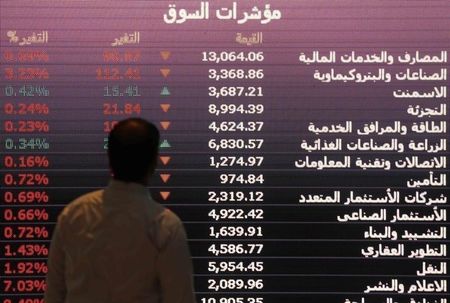
Saudi Arabia stocks lower at close of trade; Tadawul All Share down 0.78%

Dublin’s Audrey AI closes $1.8m pre-seed funding round

Trump wants to stop states AI rules. This Utah Republican isn’t listening

7 Ways Private Aviation Boosts C-Suite Productivity

Why Israel is blocking foreign journalists from entering

Bitcoin: We’re Entering The Most Dangerous Phase

Alan Cumming Brands Baftas Ceremony A ‘Triggering S**tshow’

Did you know you can do this with a $100 bill? #cash #money #trick #hundred

When Life Gets Hard, Choose Financial Stability | April 16, 2026

Wallet with no money. #viral #funny #comedy #shortvideos #reaction #viralvideo #viralshorts #prank
-
 NewsBeat7 days ago
Pep Guardiola and Gary Neville agree over Arsenal title problem that benefits Man City
-

 Crypto World6 days ago
The SEC Conditionalises DeFi Platforms to Be Avoided for Broker Registration
-

 Fashion2 days ago
Weekend Open Thread: Theodora Dress
-

 Politics7 days ago
World Cup exit makes Italy enter crisis mode
-

 Crypto World6 days ago
SEC Signals Exemption for Crypto Interfaces From Broker Registration
-

 News Videos4 days ago
Secure crypto trading starts with an FIU-registered
-

 Sports2 days ago
NWFL Suspends Two Players Over Post-Match Clash in Ado-Ekiti
-

 Crypto World5 days ago
SEC Proposes Certain Crypto Interfaces Don’t Need to Register as Brokers
-

 NewsBeat5 days ago
Trump and Pope Leo: Behind their disagreement over Iran war
-

 Politics2 days ago
Palestine barred from entering Canada for FIFA Congress
-

 Crypto World2 days ago
Russia Pushes Bill to Criminalize Unregistered Crypto Services
-

 Sports6 days ago
NWFL opens Pathway for new Clubs ahead of 2026 Season
-
 Business3 days ago
Creo Medical agree sale of its manufacturing operation
-

 Crypto World6 days ago
Trump whales load up ahead of Mar-a-Lago luncheon.
-
Business6 days ago
Kering slides after Morgan Stanley downgrade, Gucci woes loom
-
 Entertainment5 days ago
Brand New Day’ Footage Reveals the Devastating Impact of ‘Now Way Home’
-

 Politics4 hours ago
Zack Polanski demands ‘council homes not luxury flats for foreign investors’
-
 Crypto World7 days ago
Sei Network Enters Quiet Reset Phase as On-Chain Metrics Signal a Slowdown in 2026
-

 Tech6 days ago
Google adds E2E encryption to Gmail for iOS and Android enterprise users
-

 Tech6 days ago
Apple glasses won’t go brand shopping like Meta did with Ray-Ban and Oakley
You must be logged in to post a comment Login