
Business
US may cut off trade with Spain over Iran, other disputes, Trump says

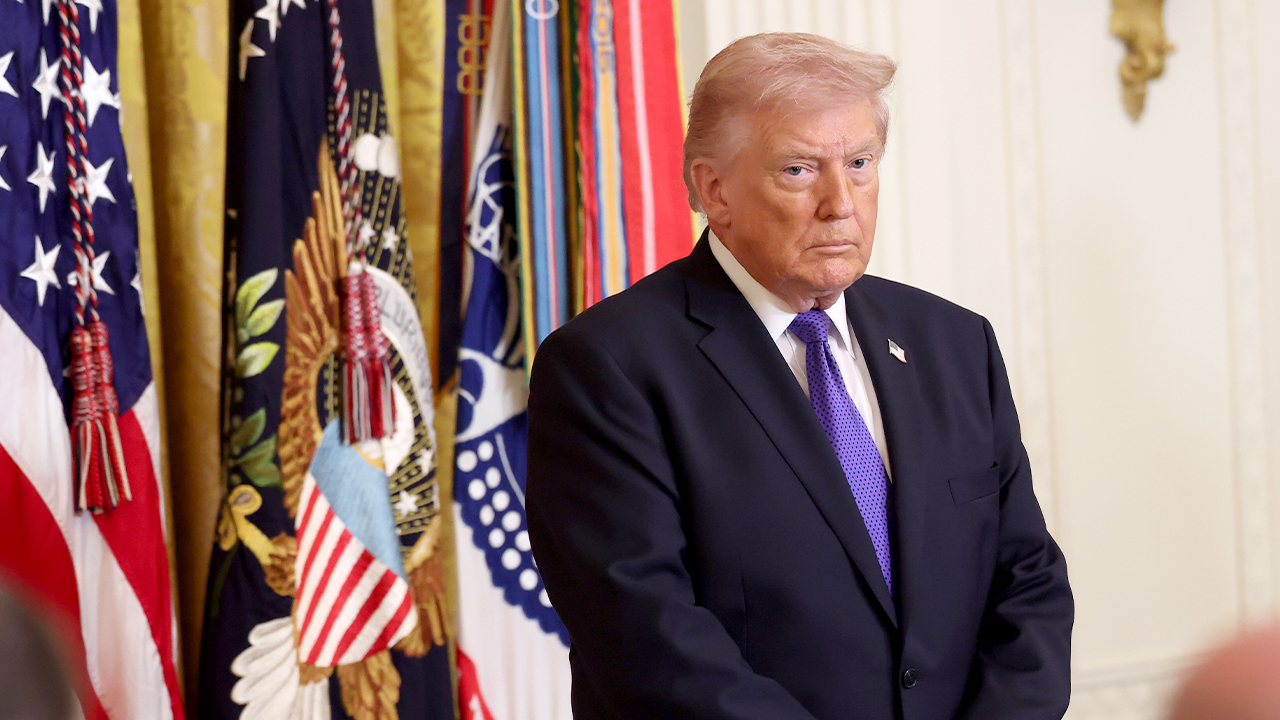
President Donald Trump said Tuesday that Spain refused to allow U.S. to use their bases for the conflict with Iran.
President Donald Trump on Tuesday threatened to cut off trade with Spain, accusing the NATO ally of failing to meet defense spending commitments and refusing to allow U.S. forces to use Spanish bases to support operations related to strikes against Iran.
Speaking during a meeting with German Chancellor Friedrich Merz at the White House, Trump said he had directed Treasury Secretary Scott Bessent to “cut off all dealings with Spain,” calling the country “unfriendly” and criticizing its leadership.
“We’re going to cut off all trade with Spain,” he told reporters. “We don’t want anything to do with Spain.”
THE ONE SENTENCE IN RUBIO’S MUNICH SPEECH THAT REVEALED TRUMP’S RED LINE FOR EUROPE
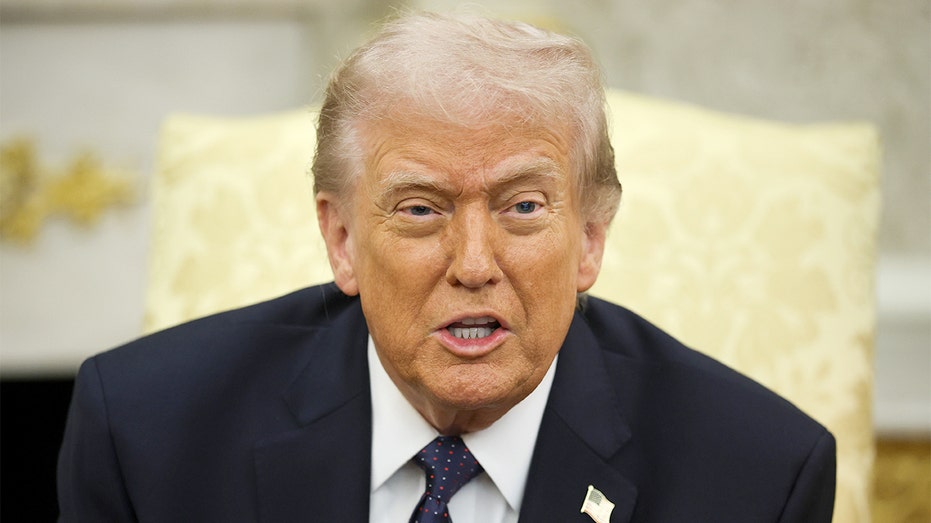
President Donald Trump speaks during a meeting with German Chancellor Friedrich Merz in the Oval Office on March 3, 2026, in Washington, D.C. (Win McNamee/Getty Images)
The president claimed Spain was the only NATO country that refused his call to raise defense spending to 5% of GDP and said Madrid had indicated Washington could not use certain Spanish bases in support of Operation Epic Fury.
Trump did not specify which military installations he was referring to. The United States maintains access to Naval Station Rota and Morón Air Base under a long-standing defense cooperation agreement with Spain.
Under that agreement, U.S. forces can operate from designated Spanish installations, but Spain retains sovereignty over the bases and must authorize any use beyond the scope of the agreement.

File photo of a U.S. Air Force Boeing KC-135 Stratotanker at Moron Air Base in Moron de la Frontera, Spain, on Aug. 27, 2021. (Marcelo Del Pozo/Reuters)
Combat operations or offensive strikes launched from Spanish territory would generally require Madrid’s approval.
Trump later argued that he has broad executive authority to restrict trade with Spain without congressional approval, citing what he described as Supreme Court-affirmed powers to halt business with countries that are “not treating us well.”
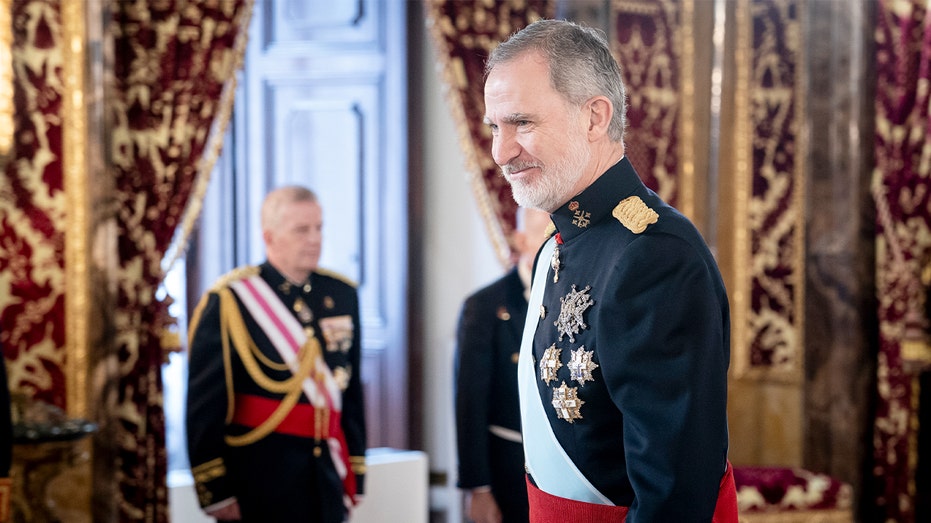
King Felipe VI receives the Letter of Credence from Bulgaria’s new ambassador, Todor Stoyanov, at the Royal Palace in Madrid on Feb. 18, 2026. (A. Perez Meca/Europa Press via Getty Images)
CLICK HERE TO DOWNLOAD THE FOX NEWS APP
Bessent and U.S. Trade Representative Jamieson Greer, who were present at the meeting, said the administration could pursue investigations and take further action if Trump chooses to move forward.
According to U.S. Census Bureau data, total goods trade between the United States and Spain reached roughly $47 billion in 2025, with the U.S. running a trade surplus of about $4.8 billion.


A Career Built on Care and Community
For more than three decades, Ida Shlain has worked behind the pharmacy counter helping patients manage their health. But her story is not only about filling prescriptions. It is about adapting to change, supporting a community in crisis, and building trust with patients over time.
Shlain’s career in pharmacy began long before she arrived in California. She grew up in the Soviet Union, in what is now Ukraine, during the 1960s. Resources were limited, and opportunities often came with challenges.
“It was a very different time,” Shlain says. “Life was simple and sometimes primitive, but education was important. I went to school and later graduated from pharmacy school.”
That early education laid the foundation for a career that would eventually take her across the world and into one of the most dynamic healthcare markets in the United States.
From Ukraine to California Pharmacy
After completing her education in Ukraine, Shlain moved to the United States and began the process of rebuilding her professional career.
Transitioning into the American healthcare system required additional coursework and licensing. Shlain completed the required programs through the University of Southern California (USC) and worked toward becoming licensed in California.
By 1990, she officially began practicing as a pharmacist in the state.
“It was not easy starting again in a new country,” she says. “But pharmacy is a universal profession. Helping patients is the same everywhere.”
Her persistence paid off. Over time, she built a reputation for reliability and patient care in the Los Angeles area.
Serving Patients During the HIV/AIDS Crisis
One of the most defining chapters of Shlain’s career came during the HIV/AIDS crisis, when West Hollywood became one of the communities most deeply affected.
At the time, many patients faced fear, stigma, and limited access to treatment. Pharmacies became critical points of care.
Capitol Drugs was among the early pharmacies working closely with organizations supporting people living with HIV.
“We helped patients get the medications they needed,” Shlain recalls. “We also worked with the AIDS Foundation and donated to help the community.”
The work was not always easy. Treatment options were still evolving, and patients often needed ongoing support.
“You saw people going through very difficult situations,” she says. “As a pharmacist, you tried to help in any way you could.”
For Shlain, that period reinforced the deeper purpose behind her profession.
“Pharmacy is not only about medicine,” she says. “It is about being there when people need help.”
What It Takes to Run an Independent Pharmacy
Running an independent pharmacy requires more than medical knowledge. It also requires leadership, adaptability, and strong relationships.
Over the years, Ida Shlain has seen major shifts in healthcare, including changes in medication technology, insurance systems, and patient expectations.
Yet some parts of the profession remain unchanged.
“The most important thing is still the patient,” she says. “You listen, you answer questions, and you help them understand their treatment.”
Her leadership approach has always been practical and focused on service.
“Every day is different,” Shlain explains. “Some days you solve problems. Some days you simply help someone feel better about their situation.”
That mindset helped her maintain long-term relationships with many patients in West Hollywood.
Life Outside the Pharmacy
When she is not working, Shlain spends time exploring her interests in art and culture.
She enjoys visiting museums, art galleries, Broadway shows, and theater productions. These activities offer a different kind of perspective from the fast-paced environment of healthcare.
“Art and theater are inspiring,” she says. “They help you see the world in different ways.”
For someone who has spent decades in a highly structured medical profession, creativity provides balance.
A Long Career in Community Healthcare
Today, Shlain’s story reflects a broader trend in healthcare: the impact of local professionals who quietly support their communities year after year.
From her early education in Ukraine to her decades practicing pharmacy in California, her career has followed a consistent theme—helping people navigate complex medical challenges.
Looking back, Shlain describes the profession in simple terms.
“At the end of the day, pharmacy is about helping patients live better lives,” she says. “That has always been the goal.”
Her experience shows how a single pharmacy can become an important part of a neighborhood’s health system—and how one pharmacist’s work can touch thousands of lives over time.


I have been working in the logistics sector for almost two decades. I have been into stock investing and macroeconomic analysis for almost a decade. Currently, I focus on ASEAN and NYSE/NASDAQ Stocks, particularly in banks, telco, logistics, and hotels. Since 2014, I have been trading on the PH stock market. I focus on banking, telco, and retail sectors. A colleague encouraged me to engage in the stock market as part of my portfolio diversification instead of putting all my savings in banks and properties. That was also the year when insurance companies became very popular in the PH. Initially, I invested in popular blue-chip companies. Now, I have investments across different industries and market cap sizes. There are stocks I hold for my retirement, while others are purely for trading profits. In 2020, I also entered the US Market. It was about a year after I discovered Seeking Alpha. Originally, I was using the trading account of NY CA-based cousin. Somehow, I acted like his personal broker. That made me more aware of the US market before deciding to open my own account. I decided to write for Seeking Alpha to share and gain more knowledge since I have been trading on the US market for only four years. Like in the ASEAN market, I have holdings in US banks, hotels, shipping, and logistics companies. I discovered it in 2018. Since then, I have been using the analyses here to compare them to the ones I’m doing in the PH Market.
Analyst’s Disclosure: I/we have no stock, option or similar derivative position in any of the companies mentioned, and no plans to initiate any such positions within the next 72 hours. I wrote this article myself, and it expresses my own opinions. I am not receiving compensation for it (other than from Seeking Alpha). I have no business relationship with any company whose stock is mentioned in this article.
Seeking Alpha’s Disclosure: Past performance is no guarantee of future results. No recommendation or advice is being given as to whether any investment is suitable for a particular investor. Any views or opinions expressed above may not reflect those of Seeking Alpha as a whole. Seeking Alpha is not a licensed securities dealer, broker or US investment adviser or investment bank. Our analysts are third party authors that include both professional investors and individual investors who may not be licensed or certified by any institute or regulatory body.
Macmahon has lined up $440 million worth of work for restarting mothballed precious metal projects, after securing its second major mine revival contract this week.
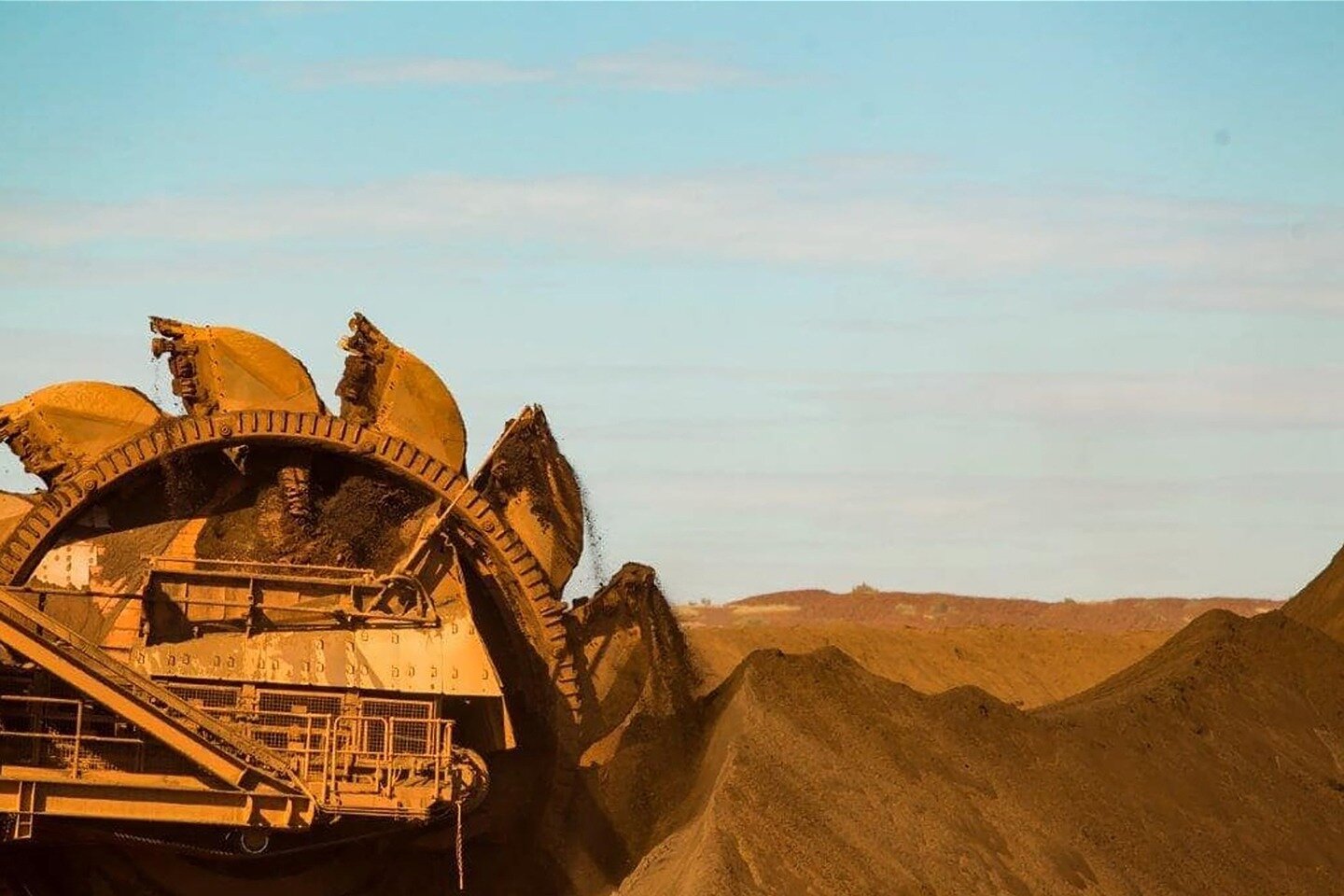
Three of Perth’s wealthiest families have received a financial boost after their private company posted another big profit courtesy of a 54-year old royalties deal with Rio Tinto.
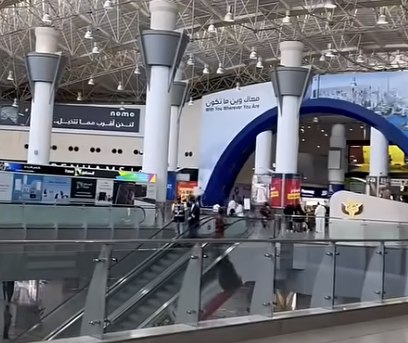
KUWAIT CITY (Kuwait International Airport (KWI) is not open for regular commercial passenger operations today, with all flights suspended indefinitely due to repeated Iranian drone strikes that have damaged critical infrastructure including fuel depots, radar systems, terminals and runways, authorities confirmed Wednesday.

The Directorate General of Civil Aviation (DGCA) and the Public Authority for Civil Aviation (PACA) have maintained the full closure of Kuwait’s airspace to civilian traffic since late February, when the broader U.S.-Israel-Iran conflict escalated and strikes began targeting Gulf infrastructure. No reopening date has been announced, and officials say operations will resume only after comprehensive repairs, safety inspections and clearance of airspace threats.
As of midday Wednesday, March 25, 2026, the official airport website showed no departures or arrivals listed for the day, with status pages displaying messages indicating no scheduled flights. Kuwait Airways, the national carrier, and low-cost operator Jazeera Airways have suspended all services, while major international airlines including Emirates, Qatar Airways, Etihad and others have canceled routes to and from Kuwait.
The closure stems from a series of drone attacks dating back to late February. Early strikes damaged terminal areas and caused minor injuries to workers. On March 7-8, Iranian drones targeted fuel storage tanks operated by Kuwait Aviation Fuelling Company, igniting fires that emergency crews contained but left lasting infrastructure issues. Subsequent attacks on March 12 and March 14 hit radar systems and other facilities, prompting authorities to declare the airport fully shut until further notice.
Kuwait’s armed forces reported intercepting multiple waves of hostile drones, but several penetrated defenses and caused material damage. No significant casualties have been reported in the most recent incidents, though the cumulative effect has rendered normal passenger operations impossible. Repair timelines for runways, fuel systems and radar could stretch into several weeks, according to aviation sources familiar with the assessments.
The airport, which normally handles millions of passengers annually as a key Gulf hub, has become a flashpoint in the widening regional war. Iranian state media has described strikes as responses to perceived support for U.S. and Israeli actions, while Kuwaiti officials have condemned the attacks as aggression against civilian infrastructure. The fuel depot strikes in particular raised concerns about jet fuel supply disruptions, though emergency measures prevented major explosions.
Travelers with bookings are facing significant uncertainty. Kuwait Airways has outlined plans to repatriate citizens stranded abroad, including airlifts to neighboring Saudi Arabia followed by overland transport, but commercial flights remain halted. The DGCA has urged passengers to check with their airlines and avoid traveling to the airport unless for essential repatriation arrangements.
Alternatives for those needing to reach or leave Kuwait include overland routes through Saudi Arabia or limited charter and cargo operations under strict military oversight. Some regional carriers have diverted flights to nearby hubs such as Dammam or Bahrain, though those airports have faced their own disruptions from the conflict. U.S. and international travel advisories warn against non-essential travel to Kuwait, citing risks to civil aviation in the Persian Gulf region.
The situation has broader implications for global energy markets and aviation networks. Kuwait, a major oil producer, relies on the airport for business travel and logistics tied to its energy sector. Repeated strikes on fuel facilities have contributed to volatility in oil prices, while airlines have rerouted operations, increasing costs and delays across the Middle East.
Aviation experts note that modern airports like Kuwait International have robust safety protocols, but the scale of drone swarms poses unique challenges for air defense and rapid repairs. The DGCA has coordinated with international partners, including the U.S. Federal Aviation Administration, which issued notices highlighting risks in the Gulf airspace.
For those monitoring the situation, the airport’s official site and mobile app currently provide no live flight data. Third-party trackers and airline apps reflect widespread cancellations. Officials emphasize that any resumption will prioritize safety, with thorough inspections required before even limited operations can restart.
The closure has stranded thousands of passengers and disrupted supply chains. Expatriate communities in Kuwait, many reliant on air travel for family visits or work rotations, have expressed frustration amid the uncertainty. Community groups and embassies have stepped in to assist with alternative arrangements.
Kuwaiti authorities continue to bolster defenses around the airport and other critical sites. The National Guard and armed forces maintain heightened alert levels, with public safety announcements advising residents near the airport area to follow civil defense guidelines.
As the regional conflict enters its fourth week, fears persist of further strikes on Gulf infrastructure. Similar closures or restrictions have affected airports in Bahrain and other neighbors, though some have managed partial reopenings under heavy security.
Diplomats from the Gulf Cooperation Council and beyond have called for de-escalation to restore civilian aviation and protect economic stability. Kuwait has reiterated its commitment to peace while reserving the right to defend its territory.
For now, Kuwait International Airport stands silent for commercial traffic. Officials stress that the decision prioritizes passenger safety over speed of reopening. Travelers are advised to monitor official channels — including the DGCA website, Kuwait Airways updates and embassy alerts — for any developments.
The human impact is significant. Families separated by the shutdown share stories of missed reunions, delayed medical treatments and business interruptions. Airlines have offered rebooking options where possible, but with no firm timeline, many plans remain in limbo.
Aviation industry analysts project that full recovery could take months once the security situation stabilizes, involving not only physical repairs but also rebuilding confidence in Gulf air travel routes.
As of Wednesday, the message from Kuwaiti civil aviation authorities remains clear: the airport is closed to regular operations. Safety assessments and infrastructure work continue around the clock, but commercial flights are not expected in the immediate future.
Passengers with upcoming travel involving Kuwait should contact their airlines directly and explore alternative routes or postponements. In this volatile environment, flexibility and real-time information are essential.
The closure of Kuwait International Airport serves as a stark reminder of how geopolitical tensions can abruptly halt civilian life and global connectivity. While emergency and military flights may operate under restricted conditions, the bustling hub that once connected continents remains offline for the traveling public.
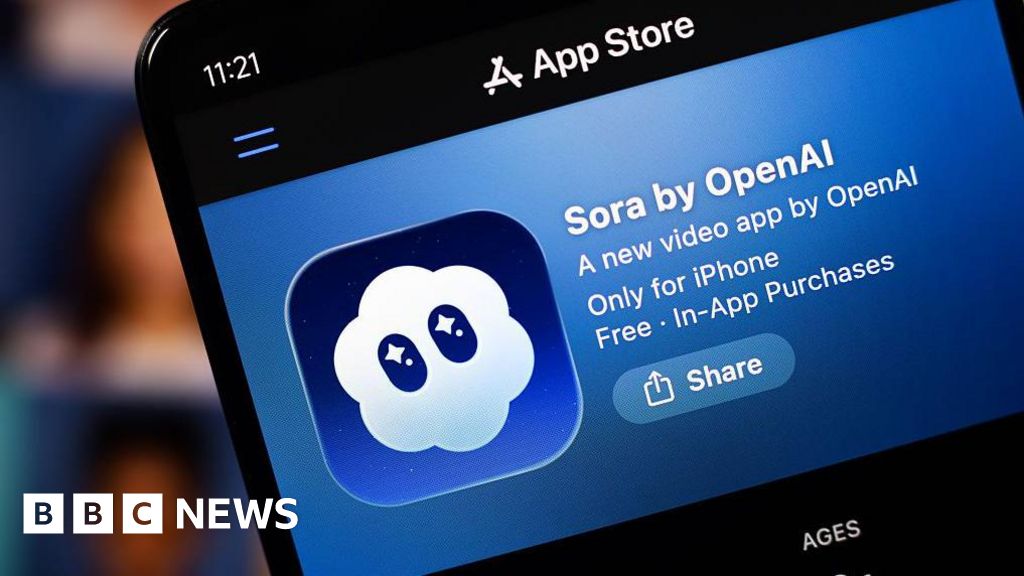
The move comes less two years after the launch of the AI video app sent shockwaves through the media industry.
Business
ETMarkets Smart Talk | History shows markets rebound after crises; avoid panic selling: Avinash Satwalekar of Franklin Templeton
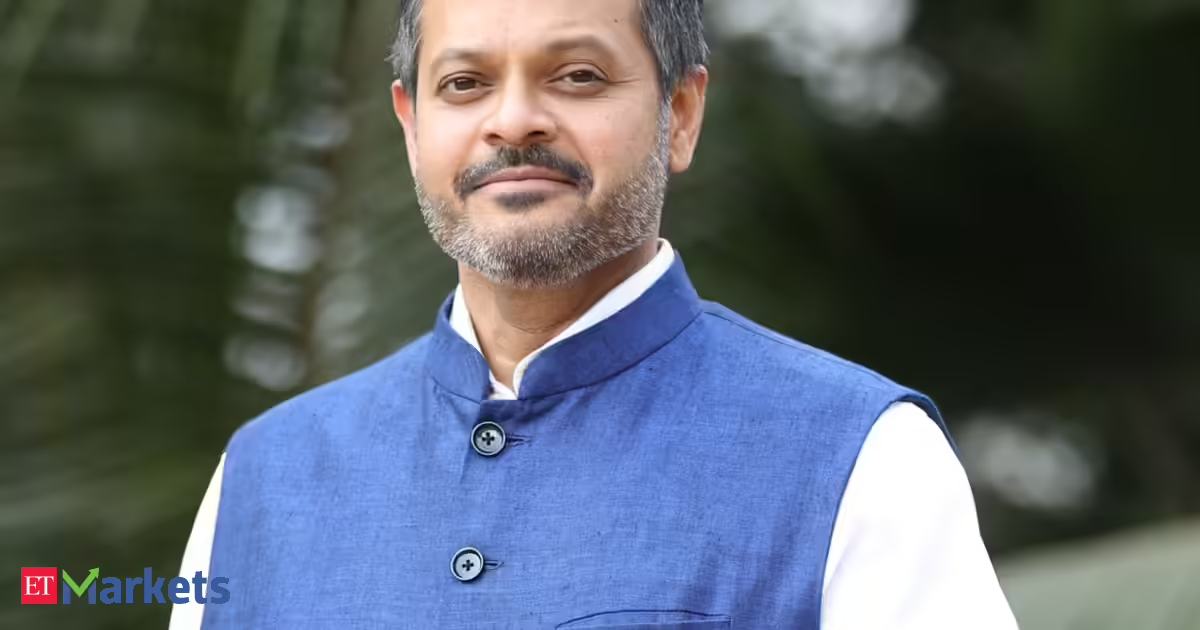
Avinash Satwalekar, President at Franklin Templeton – India, emphasizes that markets have consistently rebounded strongly after major crises, rewarding those who stay invested rather than react impulsively.
While recent tensions and rising crude oil prices have triggered volatility and valuation corrections, Satwalekar believes India’s underlying economic fundamentals remain robust.
He advises investors to avoid panic selling, maintain a disciplined asset allocation strategy, and use periods of market weakness as opportunities to rebalance and build long-term positions. Edited Excerpts –
Q) Geopolitical tensions seem to be escalating across regions. How should global investors interpret these developments from a macro and market perspective?
A) Since the beginning of the conflict on Feb 28, 2026, domestic indices have witnessed a broad based decline. Nifty 50 Index declined 7%, Nifty Midcap 150 declined 8% while the Nifty Smallcap 250 declined 7%. Valuations across market caps have declined from peak.
Crude oil prices have exceeded USD 100 per barrel, briefly touching USD 108 which is generally inflationary. While India imports 88% of its oil requirements, its dependence on oil for GDP growth has been declining. Petroleum products which accounted for ~37% of total imports in 2014 have reduced to ~26% in 2025.
We assign a moderate probability for the conflict to prolong. We expect markets to recover post temporary impact of geo-political tensions. India’s economic fundamentals remain robust despite external shocks. Fiscal and monetary policy measures have helped India’s economic resilience and GDP growth is expected to exceed 7% in FY26. We expect corporate earnings recovery in FY27, which should attract FPI buying, a reversal of recent trends.
Q) Historically, markets tend to react sharply to geopolitical shocks but recover quickly. Is it time to diversify globally and which markets are looking attractive?
A) India’s equity market has witnessed several phases of geo-political crisis but has consistently recovered. For example, during the Iraq war in 2003, the Nifty 500 index declined 11% till the end of June 2003.

Thereafter, the index delivered positive 44% over the next 1 year. The global financial crisis of 2008 led to the Nifty 500 index decline about 58% till the end of 2008. Over the next 1 year, the index delivered 91% returns. Thus, history tells us that periods of crisis are temporary and investors should not panic during volatile times.
Investors usually have a home country bias when investing. However, diversifying globally allows investors to participate in opportunities which may not be available in domestic markets. Developed markets like US provide opportunities in areas of innovation and emerging technologies like artificial intelligence.Emerging markets overall outperformed developed markets in 2025, and we still see a strong case for investing in them.
Emerging markets remain undervalued, underappreciated, and under-owned by many investors. Investors should diversify across geographies to participate in global growth opportunities while reducing downside risks.
Q) How could rising crude oil prices and commodity volatility reshape the global investment landscape?
A) Brent crude which was trading at around USD 67 per barrel in mid-February 2026 has risen about 50% to USD 100 per barrel, briefly touching USD 108 per barrel. According to RBI, a 10% jump in global crude oil prices could push India’s retail inflation up by 20 basis points and reduce GDP growth by 20 to 25 basis points.
India’s dependence on oil for growth has been declining. Oil required to generate a unit of GDP has declined by 27% over a decade. So, India is in a better place compared to many of the previous price spikes owing to which the impact from a moderate rise in energy prices can be absorbed.
The challenge this time, has been less on the price of oil and more on the actual availability of oil due to supply disruptions.
This has caused cuts to industrial production and operation of restaurants. Recent developments like US allowing India to purchase Russian crude oil for the next 30 days and Iran allowing Indian ships to transit through the Strait of Hormuz would help mitigate energy supply disruptions.
The disruption to physical supplies should also push India to pursue ways to sustainably reduce dependence on imported crude oil and gas as well as diversify supply sources. The current situation is likely to accelerate such efforts and provide possible opportunities.
Further, sectors like healthcare, financial services and technology present opportunities for global investors amid the present volatility. More importantly, having a well-diversified portfolio both geographically and based on asset classes is the better approach during volatile periods.
Q) What role does rebalancing play during volatile periods when asset prices move sharply due to geopolitical shocks?
A) Rebalancing plays a critical role especially during volatile times. It is during bull and bear phases of the market that asset allocations get skewed. During market corrections like we are now witnessing, the share of equity in an investor’s portfolio declines while the share of other asset classes like debt rises.
Rebalancing the portfolio during such phases helps restore the prescribed asset allocation. In the long run, this helps the investor maintain the asset allocation of the portfolio aligned to her risk appetite and potentially earn optimal risk adjusted returns.
Q) How can investors achieve better asset allocation across equities, debt, gold, and international markets?
A) Diversification is a fundamental tenet in investing. Diversifying one’s investment across various asset classes helps reduce downside risks and allows investors to benefit from low correlation between multiple asset classes across market cycles. Predicting market cycles is a dangerous proposition.
Investing in different asset classes separately could be expensive and inefficient from a tax perspective for most investors. Mutual funds provide avenues which invest across equity, debt and commodities in a single portfolio in the most tax efficient manner.
These are hybrid funds, such as Balanced Advantage Funds or Multi Asset Allocation Funds, which are managed by professional fund managers where the asset allocations are dynamically managed based on changing market conditions.
Another important layer of diversification is geographic diversification. Mutual funds investing in global markets provide an avenue to diversify globally. This allows investors to take global exposures with low investment amounts.
Q) Which global themes—such as technology, semiconductors, or global indices—do you believe investors should track in the current environment?
A) Technology and semiconductors are long term global themes broadly associated with artificial intelligence and energy transition. Healthcare and financial services are relatively less impacted by current geopolitical events and provide long term global opportunities for investors as well.
Q) Ideally what percentage of capital should be diversified globally for someone who is 30-40 years? And if someone wants to deploy fresh capital what would you advise?
A) Global investments are not just diversifiers but also help investors meet their future foreign currency goals like child’s education or travel. An investor may allocate 10 to 20% of her portfolio to global funds depending on the type of goal. Taking a SIP or STP route to investing would help stagger her investments.
(Disclaimer: Recommendations, suggestions, views, and opinions given by experts are their own. These do not represent the views of the Economic Times)
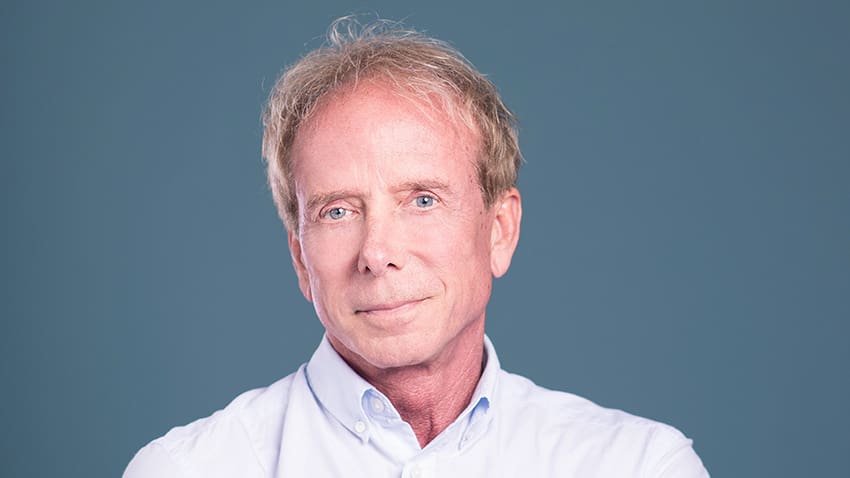
A Career Built on Curiosity and Hard Work
Some careers follow a straight path. Claude “Bobby” Sanks’ journey took a few turns along the way.
Today, he serves as Financial Controller for LuAnn Capital, LLC, a company that owns multiple international freight forwarding businesses. In the past six years, he has helped guide the company through major growth. Revenue increased from just over $3 million to more than $100 million during that time.
But Sanks did not begin his career in accounting.
His story starts with a childhood shaped by movement, sports, music, and curiosity about how things work.
“I’ve always been the type of person who wanted to learn by doing,” Sanks says. “That mindset followed me through every stage of my career.”
Growing Up in Alabama and Georgia
was born in Atmore, Alabama, and spent his early childhood in nearby Bay Minette. He grew up in a large family with three sisters and a brother.
His father worked in aviation electronics for the U.S. Air Force in civil service, and the job required the family to relocate a few times.
“We moved when I was ten,” Sanks recalls. “First to Atlanta for a short time, then to Savannah, Georgia. Savannah became home for the next fifty years of my life.”
As a kid, Sanks stayed busy.
He played baseball, football, and soccer from the age of six through high school. He also spent years in the school band, playing trumpet, baritone, and sousaphone.
Sports played a big role in shaping his discipline.
“Team sports teach you a lot about effort and accountability,” he says. “Those lessons carry over into business.”
During his senior year at Bible Baptist High School, he was named Most Valuable Player on the soccer team and received a college football scholarship to Pillsbury Bible College.
But he chose a different direction.
A Career That Didn’t Start in Accounting
After high school, Sanks attended Armstrong Atlantic State University in Savannah. His original plan was to become a doctor.
“I started as a chemistry major in the pre-med program,” he says. “After a few years I realized my path might be different.”
Before moving into accounting, he worked at Strachan Shipping Company in Savannah from 1979 to 1985. His roles included Gear Shop Superintendent and, later, Stevedore, where he managed equipment and worked directly with port operations.
It was an experience that exposed him to logistics and global shipping long before it became central to his career.
“Working at the port gave me a real appreciation for how global trade actually moves,” Sanks says. “You see the physical side of it.”
Building Expertise in Accounting
In the mid-1980s, Sanks joined his family’s accounting business. Over time, he moved into leadership and eventually managed the operation.
He became an Enrolled Agent with the IRS in 1993, and later pursued his CPA credentials.
To qualify for the exam, he completed an Accounting Equivalency program through the University of Alabama, earning the academic credentials needed to sit for the CPA exam.
He passed the exam in 1999.
“That was a milestone,” Sanks says. “It represented years of work and learning.”
The CPA designation opened new opportunities and expanded his role in financial leadership.
The Amazon Anglers Adventure
One of the most unusual chapters of Sanks’ career came in the 1990s.
For twelve years, he owned and operated Amazon Anglers, an adventure travel business that took small groups into the jungles of Venezuela to fish for Peacock Bass.
The experience was far more than a fishing trip.
Guests lived for eight to ten days in a village of Piaroa Indians, deep in the Amazon rainforest.
“It was really an early form of ecotourism,” Sanks explains. “People experienced the jungle, the culture, and the fishing all together.”
The business ended when political conditions in Venezuela changed during the presidency of Hugo Chávez.
“It was an incredible experience while it lasted,” he says. “We built relationships and memories that stayed with people.”
Leading Financial Growth at LuAnn Capital
In 2019, Sanks accepted a new challenge as Financial Controller for LuAnn Capital in Asheville, North Carolina.
The company owns several international freight forwarding businesses.
His role focuses on financial oversight, systems, and scaling operations as the company grows.
The results have been dramatic.
“In six years we’ve gone from about three million dollars in revenue to over one hundred million,” Sanks says.
Growth at that level requires strong systems and clear financial visibility.
“You have to understand the numbers and what they’re telling you,” he says. “Good financial leadership helps companies see where they are and where they’re going.”
Music, Ministry, and Life Beyond Business
Sanks’ life has also included creative pursuits.
In 1982, he helped start a Contemporary Christian rock band called Zero Hour. The group toured across the southeastern United States and opened concerts for well-known artists such as Petra, Steven Curtis Chapman, and DeGarmo and Key.
Sanks played bass guitar and handled the band’s bookings.
“It started as a youth ministry,” he says. “Music gave us a way to connect with people.”
Even today, he keeps an active lifestyle.
He learned to water ski at age four and still enjoys outdoor activities. He also plays competitive senior league softball in Hendersonville, North Carolina.
“At seventy, I’m still playing,” he says with a laugh. “Staying active keeps you sharp.”
Family and Legacy
Family remains an important part of Sanks’ life. He is the father of three children and the grandfather of ten grandchildren.
Looking back, his career reflects a simple philosophy.
“Work hard, stay curious, and be open to opportunities,” Sanks says. “You never know where the next chapter might lead.”
For Sanks, those chapters have included shipping docks, jungle rivers, rock stages, and boardroom spreadsheets.
And the journey is still going.
The scope of the review includes a detailed examination of board meeting video recordings, minutes and agendas over the past two years, to ascertain whether any concerns relating to unethical practices or governance issues were raised by the former chairman during his tenure, they said.
It will also cover all whistle-blower letters received and escalated to the board during this period, to assess whether they raised substantive concerns and whether adequate action was taken in response, the people said.Also Read |HDFC Bank a “screaming buy” amid market uncertainty: Sameer Dalal
The law firms may interview current board members and senior management to determine whether anyone has information pertaining to unethical practices or governance issues at the bank, the people said.
HDFC Bank, Wadia Ghandy and Trilegal did not respond to ET’s emails seeking comment.
The bank in a stock exchange filing on Tuesday said it appointed domestic and international law firms to review Chakraborty’s resignation. Without naming the law firms, the bank said it has asked them to submit their reports within a reasonable timeframe.
HDFC Bank in a separate statement also said the appointment was a proactive measure to ensure an objective and fact-based assessment of the aspects raised in the resignation letter.
“This step is in keeping with the bank’s commitment to constantly benchmark with the highest governance standards it has practised over decades,” the lender said.
Also Read | HDFC Bank crisis, war fears, and market chaos: What should investors do right now? Gurmeet Chadha answers
The review was prompted by the March 18 resignation of Chakraborty, a retired IAS officer and former secretary of the Department of Economic Affairs. In his letter, he cited practices not in line with his personal values and ethics as the reason for stepping down – a statement that sent shockwaves through India’s banking establishment.
In an interview with ET published on Monday, HDFC Bank managing director and chief executive Sashidhar Jagdishan said the bank would hold multiple board meetings over the coming months to review decisions made in recent years.
“We are not infallible. If there are areas where we need to improve, we will improve. We will address all issues,” he said.
Jagdishan acknowledged that the bank had yet to fully understand what prompted the exit after Chakraborty’s five-and-a-half years on the board. “This is like fighting a ghost. We had never anticipated this,” he told ET. When asked whether the bank would pursue legal remedies for reputational damage, Jagdishan said: “We are engaged with a legal firm to examine all possibilities.”
Recounting the events that preceded the resignation, Jagdishan said the bank had urged Chakraborty to raise his concerns through the bank’s established internal processes.
“When we saw those two contentious lines, we said we have a well-established process that you have personally helped institute. If you have concerns, put them there and we will address them collectively. He said: ‘I don’t have any to share.’ We then said, ‘If you don’t have any to share, please remove the lines.’ He was steadfast and refused to budge. That’s where it stands, so we went to the regulator,” Jagdishan said.
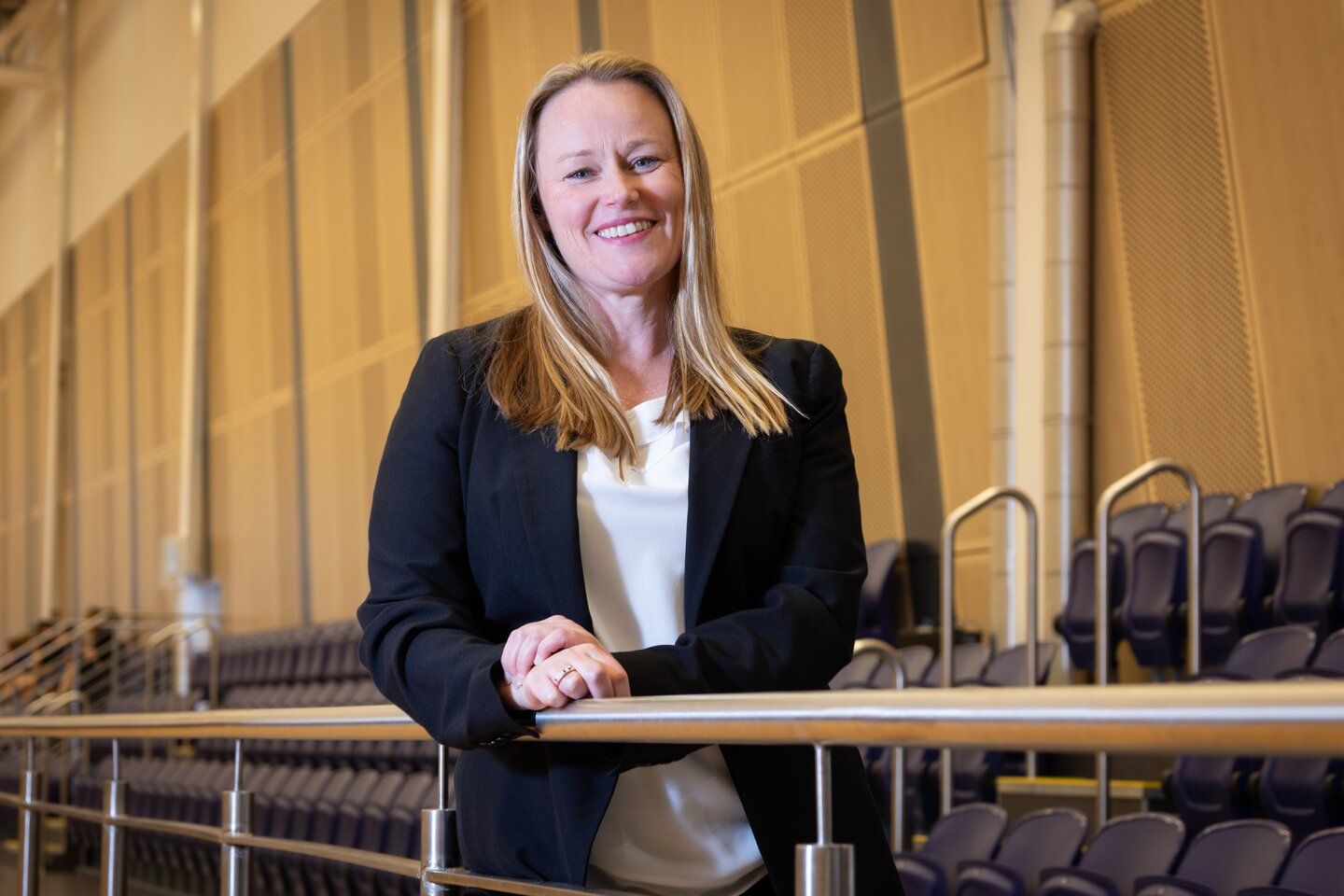
Netball WA Group chief executive Simone Hansen is confident the code is on course to meet a series of important key performance indicators as it continues an upward trajectory.

Ex-Pussycat Dolls Member Shares Why She’s Not in Reunion

Unser Gehalt #katharinamalia #gehalt #Geld #teuer

‘He was a newborn, he should have felt love but instead he was inflicted with pain’


-
 Crypto World4 days ago
NIO (NIO) Stock Plunges 6.5% as Shelf Registration Sparks Dilution Worries
-

 Fashion4 days ago
Weekend Open Thread: Adidas – Corporette.com
-

 Politics4 days ago
Jenni Murray, Long-Serving Woman’s Hour Presenter, Dies Aged 75
-

 Crypto World3 days ago
Best Crypto to Buy Now: Strategy Just Spent $1.57 Billion on Bitcoin During Fear While Early Investors Quietly Enter Pepeto for 150x Potential
-

 News Videos6 days ago
RBA board divided on rate cut, unusually buoyant share market | Finance Report | ABC NEWS
-

 Crypto World3 days ago
Bitcoin Price News: Bhutan Sells $72 Million in BTC Under Fiscal Pressure, but the Smart Money Entering Pepeto Sees What the Market Does Not
-

 Politics7 days ago
The House | The new register to protect children from their abusers shows Parliament at its best
-

 Tech5 days ago
inKONBINI Lets You Spend Summer Days Behind the Register
-

 Crypto World6 days ago
Canada’s FINTRAC revokes registrations of 23 crypto MSBs in AML crackdown
-

 Sports2 days ago
Remo Stars and Kano Pillars Strengthen Survival Hopes in NPFL
-
 NewsBeat6 days ago
Residents in North Lanarkshire reminded to register to vote in Scottish Parliament Election
-

 News Videos7 days ago
PARLIAMENT OF MALAWI – PAC MEETING WITH REGISTRAR OF FINANCIAL ON AMARYLLIS HOTEL – INQUIRY LIVE
-

 Politics5 days ago
Gender equality discussions at UN face pushbacks and US resistance
-

 Business3 days ago
No Winner in March 21 Drawing as Prize Rolls to $133 Million for Next
-

 Business6 days ago
Who Was Alex Pretti? 5 Key Facts About the ICU Nurse Killed by Federal Agents in Minneapolis
-

 Sports2 days ago
Gary Kirsten Accuses Pakistan Cricket Board Of ‘Interference’, Mohsin Naqvi Responds
-

 Tech2 days ago
Give Your Phone a Huge (and Free) Upgrade by Switching to Another Keyboard
-
Sports6 days ago
Vikings Free Agency Enters Phase 2 with Key Questions
-

 Sports4 days ago
2026 Kentucky Derby horses, odds, futures, preview, date: Expert who nailed 12 Derby-Oaks Doubles enters picks
-

 Tech6 days ago
Inventec’s bizarre VeilBook laptop hides its touchpad under a sliding keyboard just to give cooling fans a little breathing room
You must be logged in to post a comment Login