
Business
US Shifts Focus from Security to Trade

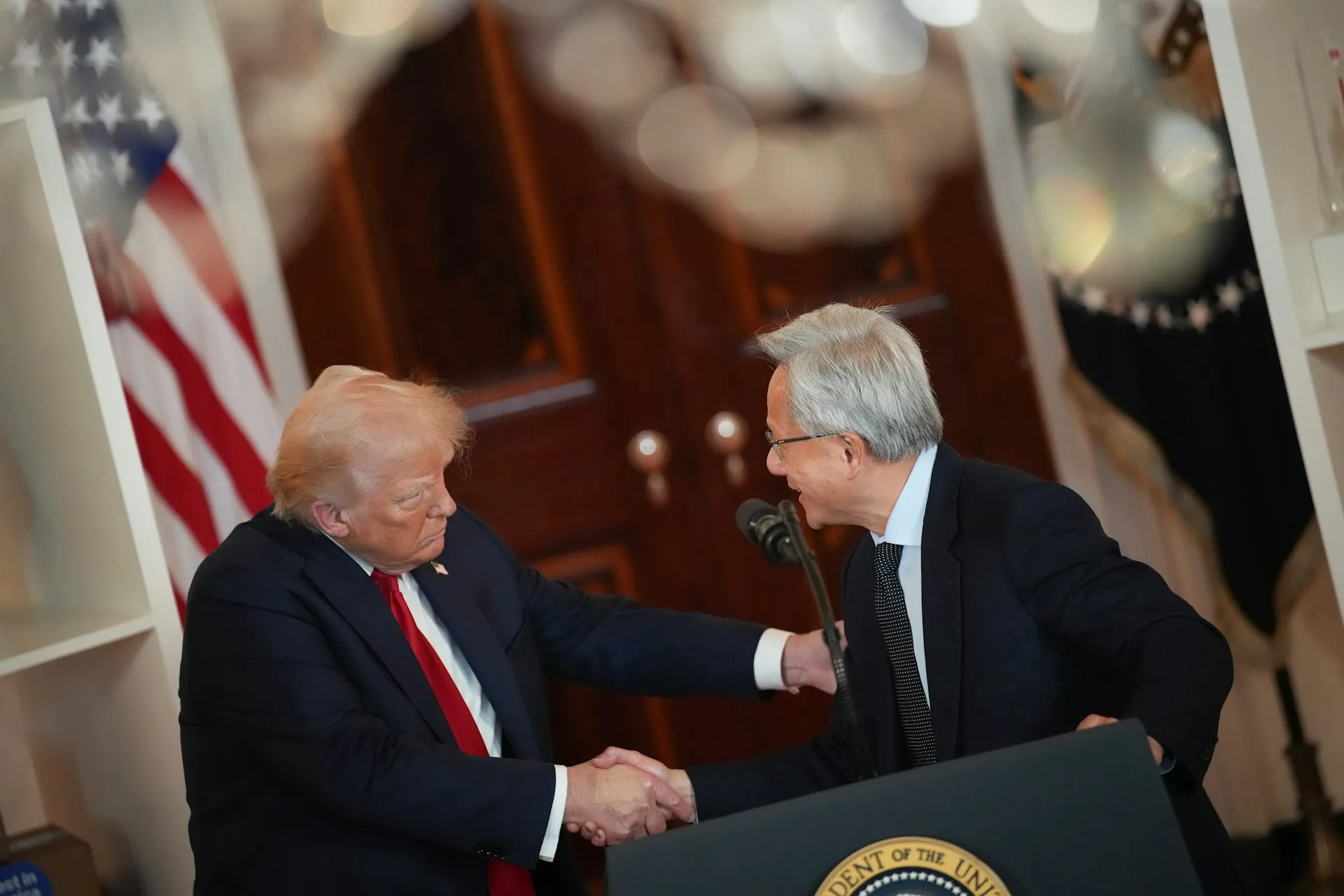
President Trump approved Nvidia’s H200 AI chip exports to China, earning 25% of revenue. These advanced chips drive AI systems, including autonomous weapons, amid ongoing US-China trade tensions.
Key Points
- President Trump approved exports of Nvidia’s H200 AI chips to China, allowing the U.S. to receive 25% of the sales revenue. These chips, crucial for advanced AI systems, raise concerns amid ongoing trade tensions.
- The H200 is Nvidia’s second-most powerful processor, significantly outperforming its predecessor. These chips are not consumer products but are used in autonomous weapons systems.
- This decision comes amid a year of heightened U.S.-China trade tensions, making it surprising that sensitive technology exports were permitted.
In a notable shift in U.S. trade policy, President Donald Trump has approved the export of Nvidia’s H200 artificial intelligence (AI) chips to China. This decision rescinds earlier bans, allowing the powerful chips, which are integral to sophisticated AI systems, to flow into the Chinese market. In return for facilitating these exports, the U.S. government will receive 25% of Nvidia’s sales revenue from the transactions, illustrating a unique approach wherein the administration captures a share of private-sector profits.
The H200 chip, which ranks as Nvidia’s second-most powerful AI processor, boasts capabilities that exceed the previous H20 chips by approximately six times. These advanced chips are not merely consumer products; they are essential components for driving cutting-edge AI systems. The applications of these chips extend into military domains, particularly concerning autonomous weapons. They underpin technologies such as drone navigation, automated gun emplacements, and sophisticated targeting algorithms that are increasingly utilized in modern warfare scenarios.
The implications of this decision come against the backdrop of a prolonged and contentious trade war between the United States and China. Throughout the year, tariffs imposed by the U.S. on Chinese imports rose as high as 145%, illustrating the escalating economic tensions. This newfound willingness to permit the export of such sensitive technology raises eyebrows, especially considering that advanced AI capabilities have been linked to crucial military applications. The current environment for AI technologies showcases systems already being deployed actively in conflict zones, such as Ukraine and Gaza, validating fears of militarized AI proliferation.
This move marks a significant pivot from a security-first strategy to a more trade-oriented policy, emphasizing the complex interplay of economic interests and national security concerns in U.S.-China relations. As the landscape of international trade continues to evolve, the ramifications of this export approval will likely reverberate across various sectors, influencing both geopolitical dynamics and the future trajectory of technological advancement.
Read the original article : With Nvidia’s second-best AI chips headed for China, the US shifts priorities from security to trade – Thailand China Business News



