
Business
V8 Energy adds sugar-free beverages





Fleet management has become all the more important to business owners and finance leads in recent years because of the need for tighter profit margins, financial pressures, and a broadening of vehicle options.
The lingering volatility of global energy markets and the move towards electrification are causing confusion in the cost per mile, and so a better strategy is needed.
Proactive cost management
Small business owners used to treat fleet expenses as a lagging indicator in that costs were reviewed weeks after they were incurred via disparate receipts and expense claims. In 2026, this retrospective approach is a liability for cash flow.
Real-time visibility has never been so important. By centralising all mobility spending with a fuel card, startups and SMEs can find inefficiencies right away. This might be unauthorized premium fuel purchases or inefficient route planning. The data is now so comprehensive that these insights are instantaneous.
Growing teams are beginning to see fuel consumption as a variable cost now—one that can be throttled through policy changes mid-month rather than a fixed cost accepted after the fact. This then opens the door to better cash flow management as finance teams can predict quarterly energy spends with more accuracy and how market changes are affecting them.
A multi-fuel fleet
2026 is going to be yet another year of EVs transition, with most corporate fleets now in a hybrid state, which isn’t the worst situation to be in regarding diversifying risk away from fuel prices, charging prices, changing road tax laws, changing subsidies, and other volatilities.
Fleets are now making up around 82% of all new BEV registrations, but it creates an administrative headache: managing petrol and diesel via traditional methods while accounting for home, work, and public EV charging.
To stay in control here, it’s all about ditching fragmented payment systems and using a fuel card that consolidates these energy costs into one stream of data. It makes life simpler for the accounting team when there’s a single source of truth.
This consolidation helps owners to accurately calculate the ‘tipping point’ of total cost of ownership – it shows exactly when the operational savings of an EV outweigh the higher capital lease cost. Again, given the volatility in policy and costs, this has never been so relevant to understand in real-time.
Streamlining
One of the worst hidden costs in SME fleet management is the administrative hours spent on VAT recovery and HMRC compliance. Manual reconciliation of paper receipts is not efficient, nor accurate. It increases the risk of under-claiming VAT too, with the cost of processing a single manual expense report being £23.14 according to Levvel.
So it’s not just about spending cards but digitisation more broadly. Each transaction needs to be automatically captured and HMRC-compliant. Automation is a way to cut costs, but this level of digital integrity creates an audit-ready environment too—one that is prepared for tax season without the usual stress.
More data
Entrepreneurs will undoubtedly be realizing the value of fleet data more and more. Driver behaviour may be one area, but understanding the true total cost of ownership for different vehicles is perhaps the best takeaway in a time of volatility. Energy prices will continue to be unpredictable, as is policy, and so efficiency doesn’t just become about saving pennies at the pump.

American Petroleum Institute CEO Mike Sommers discusses the national average price of diesel at $5.28 per gallon, oil prices and the impact of the Strait of Hormuz functionally being closed on ‘Varney & Co.’
Energy titans at the CERAWeek conference in Houston are sounding the alarm, warning that the U.S.-Israel conflict with Iran is causing long-term damage to the global economy.
Despite the White House’s energy chief aiming to ease concerns, the executives of oil giants like TotalEnergies, Chevron, Abu Dhabi’s ADNOC and Vitol Americas expressed concern about prolonged Iran-linked volatility.
“The consequence is not only high energy prices. It will damage other supply chains,” TotalEnergies CEO Patrick Pouyanne said, according to Reuters.
“This is raising the cost of living for those who can least afford it and slowing economic growth everywhere. From factories to farms to families around the world, the human cost is mounting by the day,” ADNOC CEO Sultan Al Jaber said.
INSIDE CHEVRON’S FLAGSHIP REFINERY TAPPING INTO VENEZUELAN CRUDE AFTER MADURO’S CAPTURE
“It will take time to come out of this,” Chevron CEO Mike Wirth said at the conference on Monday, while Vitol Americas’ Ben Marshall cautioned about “severe” demand destruction if global benchmark Brent crude eventually hits $120 a barrel.

An Iranian national flag flies at the Persian Gulf Star Co. (PGSPC) gas condensate refinery in Bandar Abbas, Iran. (Getty Images)
The U.S. standard for oil prices, West Texas Intermediate (WTI) crude, was trading at roughly $91.74 per barrel just before the market opened Tuesday, up about 4% from its previous close. WTI reached a 52-week high of $113.41 per barrel late last week, according to market data.
U.S. Energy Secretary Chris Wright joined FOX Business’ Lauren Simonetti on “Varney & Co.” Monday to discuss how a potential agreement with Iran could help reopen the Strait of Hormuz and stabilize prices after weeks of disruption.
“They would go down quite a bit. If we see a pathway to have the Strait of Hormuz open soon and energy flowing again, you’d see energy prices drop pretty significantly,” Wright said.
U.S. Energy Secretary Chris Wright joins FOX Business’ Lauren Simonetti to discuss how a potential peace deal with Iran could reopen key oil routes and bring relief to Americans facing rising gas prices.
“That could happen if a peace agreement is reached,” Wright continued. “If Iran thinks enough is enough, and they’re willing to make a deal… then there’ll be a deal.”
U.S. Ambassador to the United Nations Mike Waltz said the Trump administration is working to blunt rising oil prices by allowing Iranian crude already at sea to be sold, a move he described as turning Tehran’s own strategy against it.
GET FOX BUSINESS ON THE GO BY CLICKING HERE
‘Kudlow’ panel discusses the U.S. decision to pause sanctions on some Iranian oil as energy prices climb and blue states push tax hikes.
Treasury Secretary Scott Bessent first outlined the approach, saying the administration could temporarily lift sanctions on roughly 140 million barrels of Iranian oil loaded on tankers, adding supply to global markets rather than intervening directly in oil futures markets.
President Donald Trump has opened a path of diplomacy with Iran, allowing a five-day window for negotiations to end the conflict this week. The pause began on Tuesday even amid reports that the U.S. and Israel were escalating other aspects of the war against Tehran.
FOX Business’ Arabella Bennett and Fox News’ Taylor Penley contributed to this report.
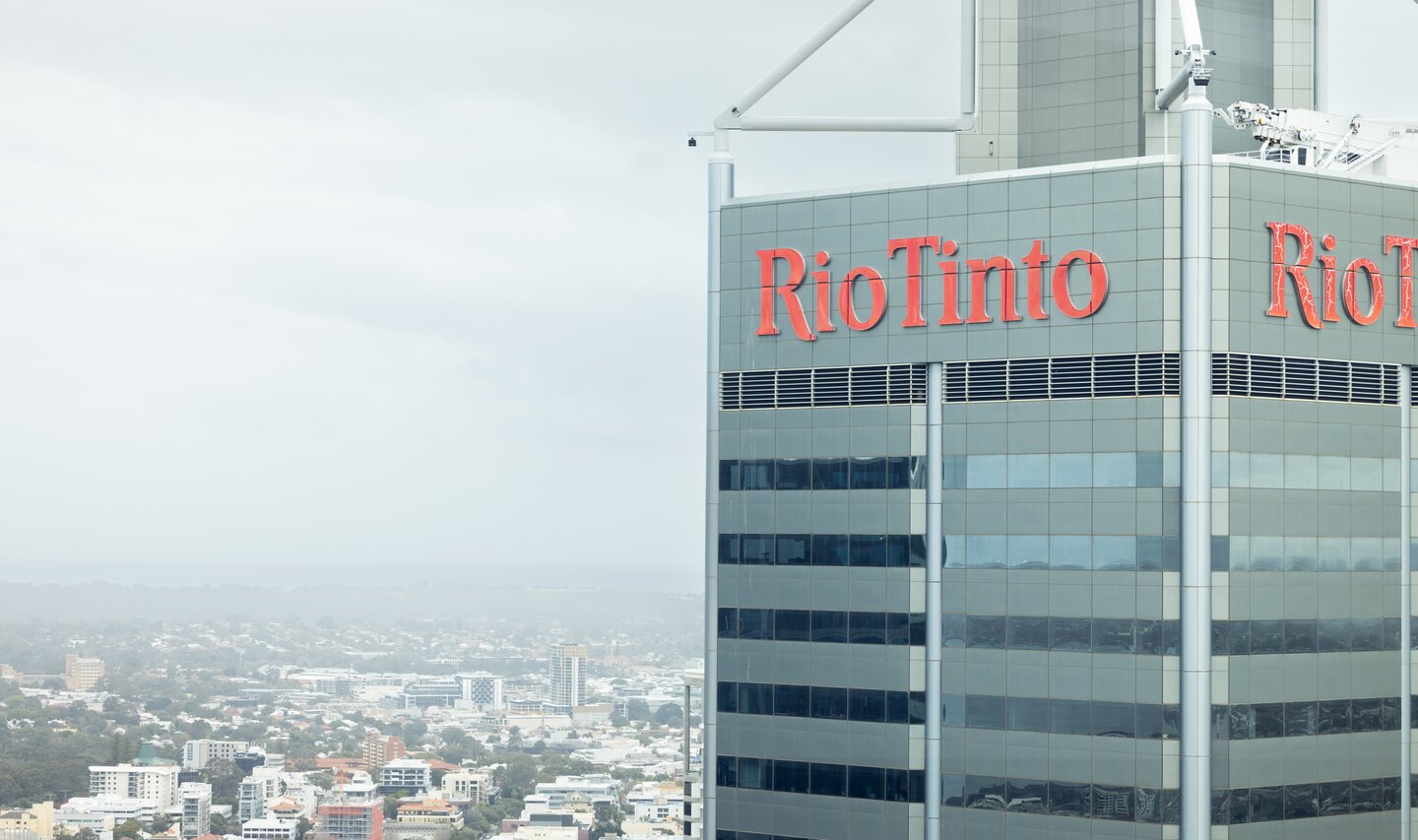
A key aluminium smelter will receive billions of dollars in government funding to stay open until 2040, the latest metals manufacturer to be bailed out.

SYDNEY — The S&P/ASX 200 index rose 0.16% to close at 8,379.40 on Tuesday, March 24, 2026, clawing back some ground after a volatile start to the week as gains in mining and resources stocks offset weakness in financials and broader concerns over escalating tensions in the Middle East.

The benchmark opened at 8,365.90 — its previous close — and traded in a range between 8,365.90 and 8,504.60 before finishing the session up 13.50 points. Volume reached approximately 893 million shares. The modest rebound followed a 0.74% decline on Monday that left the index at 8,365.90, its lowest level in recent weeks amid persistent selling pressure.
The S&P/ASX 200, which tracks the 200 largest companies listed on the Australian Securities Exchange by float-adjusted market capitalization, has now fallen about 8.1% over the past month and sits roughly 9% below its all-time high of 9,202.90 reached in February 2026. Year-to-date in 2026, the index is down around 3.8%, though it remains up about 5.6% over the past 12 months.
Mining and resources shares led Tuesday’s gains, buoyed by a modest recovery in iron ore and other commodity prices. BHP Group rose about 3.4%, Rio Tinto advanced 3%, and Fortescue gained roughly 3.7%. The resources sector as a whole climbed more than 2% in early trading, providing a counterweight to declines in the heavily weighted financials sector, where Commonwealth Bank of Australia, Westpac and National Australia Bank each fell around 1%.
The rebound came against a backdrop of global uncertainty stemming from the ongoing crisis in the Strait of Hormuz and U.S.-Iran tensions. Washington delayed planned strikes on Iranian energy infrastructure by five days while citing diplomatic talks, though Tehran denied any negotiations and accused the U.S. of spreading misleading information. Any prolonged disruption to oil flows through the strait could ripple through energy markets and affect Australian resource exporters.
Domestically, Australian economic data released Tuesday showed mixed signals. The manufacturing PMI slipped to a five-month low of 50.1 in March, while the services PMI contracted for the first time since January 2024, registering 46.6 and raising concerns about slowing activity. The Reserve Bank of Australia’s recent rate hike continues to weigh on interest-rate-sensitive sectors such as real estate and consumer discretionary stocks.
The March 2026 quarterly rebalance of the S&P/ASX 200, effective from March 23, added three new constituents — Predictive Discovery Limited, SRG Global Limited and Vulcan Energy Resources Limited — while removing Catapult Sports Limited, DigiCo Infrastructure REIT and E Bos Group Limited. The changes had limited immediate impact on overall index performance but reflected ongoing shifts in Australia’s corporate landscape toward mining and industrial names.
Analysts remain divided on the near-term outlook. Some point to the index’s recent oversold conditions and attractive valuations in the resources sector as reasons for potential stabilization. Others warn that persistent geopolitical risks, combined with tighter monetary policy at home and uncertainty over U.S. Federal Reserve decisions, could keep pressure on equities.
The financials sector, which accounts for roughly one-third of the index’s weight, has been a notable underperformer in recent sessions as higher interest rates squeeze margins and dampen lending growth. In contrast, energy and materials stocks have shown resilience on commodity price swings, though they remain vulnerable to any escalation in global trade disruptions.
Broader market sentiment was also influenced by developments in major trading partners. China, Australia’s largest export market, continues to navigate its own economic challenges, while a newly sealed free-trade agreement between Australia and the European Union — finalized after nearly a decade of negotiations — offered a long-term positive for diversified trade ties.
The S&P/ASX 200’s performance this year stands in contrast to its strong finish to 2025, when it closed above 8,700. The pullback has been driven by a combination of profit-taking after February’s record levels, higher borrowing costs and external shocks, including Middle East conflicts that have rattled commodity and equity markets worldwide.
Technical analysts note the index has now tested support near 8,300-8,400 multiple times in March. A sustained break below that zone could open the door to further declines toward 8,000, while a convincing move above 8,500 might signal the start of a recovery toward 8,700-8,900 by mid-year.
For individual investors, the current environment highlights the importance of diversification. Heavy exposure to banks or miners can amplify volatility, while more balanced portfolios incorporating healthcare, technology and consumer staples have shown relative stability.
Looking ahead, investors will watch closely for the next round of corporate earnings, particularly from major miners and banks in coming weeks. Any signs of resilient commodity demand or easing inflation pressures could support a rebound. Conversely, fresh geopolitical escalations or weaker-than-expected Australian data could prolong the recent selling.
The S&P/ASX 200 remains Australia’s most widely followed equity benchmark, serving as the underlying for numerous exchange-traded funds, futures contracts and derivatives. Its movements influence superannuation funds, retail portfolios and corporate decision-making across the country.
As trading continues in Sydney on Tuesday afternoon, the modest gain reflected bargain hunting in beaten-down resource names rather than a broad shift in sentiment. With global markets still digesting developments in the Middle East and awaiting clarity on U.S. policy, Australian equities are likely to remain sensitive to external headlines in the days ahead.
The index’s journey through early 2026 underscores the challenges facing resource-heavy economies in an uncertain geopolitical climate. Whether Tuesday’s uptick marks the beginning of stabilization or merely a temporary pause in the sell-off will depend on commodity prices, domestic data and the trajectory of international tensions.

SYDNEY — With escalating U.S.-Iran tensions threatening to disrupt 20% of global oil supply through the Strait of Hormuz, Australian investors are increasingly favoring physical gold and gold mining stocks over Bitcoin as a store of value, according to market participants and fund flow data on Tuesday, March 24, 2026.

Gold prices stabilized around $4,360 per ounce after sharp declines earlier in the week, while Bitcoin traded near $70,000, showing resilience but failing to deliver the classic “digital gold” safe-haven performance many had anticipated. The divergence highlights a broader reassessment among retail and institutional investors Down Under, where superannuation funds and self-managed accounts grapple with geopolitical risk, sticky inflation and higher-for-longer interest rates.
The conflict intensified after U.S. and Israeli strikes on Iranian targets in late February, prompting Tehran to restrict shipping in the Strait of Hormuz. Oil prices surged above $100 a barrel at times, fueling inflation fears that have weighed on both assets but hit gold particularly hard in recent sessions. Australian gold miners on the S&P/ASX 200, such as Northern Star Resources and Evolution Mining, rebounded modestly Tuesday as the benchmark index edged higher, reflecting selective buying in the resources sector.
Gold, long viewed as the ultimate crisis hedge, initially spiked above $5,000 per ounce in early March amid fears of prolonged disruption but has since erased much of its 2026 gains. Spot prices hovered near $4,360-$4,394 in futures trading, down significantly from February peaks. The metal’s recent weakness stems from a stronger U.S. dollar, elevated real yields and profit-taking as diplomatic talks offered a sliver of hope for de-escalation.
Bitcoin, meanwhile, has held relatively steady around $69,000-$71,000 despite the turmoil. Some analysts noted the cryptocurrency outperformed gold in the initial phase of the conflict, gaining roughly 10% while bullion retreated. Proponents argue its decentralized nature and 24/7 trading make it a modern alternative during periods when traditional markets face liquidity constraints. Yet its correlation with risk assets, including equities and oil, has limited its safe-haven credentials this time.
In Australia, the choice between the two assets carries unique local considerations. The Australian dollar has weakened against the greenback amid global uncertainty, boosting the local-currency value of gold for domestic holders. Gold mining stocks listed on the ASX, including Northern Star, Newmont’s local shares and Evolution Mining, have seen volatile swings but attracted bargain hunters Tuesday as the broader index recovered slightly.
Superannuation funds and exchange-traded products provide easy exposure. Australian Bitcoin ETFs, such as VanEck Bitcoin ETF (VBTC) and others, have experienced mixed flows in 2026. While U.S. spot Bitcoin ETFs recorded billions in inflows recently, Australian crypto products saw inflows halve in late 2025 and early 2026 amid price corrections. Gold-focused ETFs and physical bullion dealers, by contrast, reported steady demand from conservative investors seeking tangible protection.
Financial advisers in Sydney and Melbourne say retail clients are split. Younger, tech-savvy investors with higher risk tolerance continue allocating to Bitcoin via ETFs or direct holdings, viewing it as “digital gold” with growth potential. Older or more conservative savers, particularly those nearing retirement, are rotating toward gold or gold miners, citing its 5,000-year history as a crisis asset and its lack of counterparty risk.
“Geopolitical shocks like the Hormuz situation remind investors that Bitcoin still moves with equities and liquidity conditions,” said one Melbourne-based wealth manager who declined to be named. “Gold may not always rally immediately, but it has never gone to zero.”
Institutional data underscores the nuance. Australian Bitcoin ETFs managed several hundred million in assets as of early 2026, with flows turning positive in March on U.S. momentum but remaining sensitive to local sentiment. Gold exposure through ASX-listed miners and ETFs has been more stable, though recent price action in bullion caused temporary weakness in mining shares.
The Reserve Bank of Australia’s monetary policy adds another layer. With inflation concerns amplified by energy prices, markets have pushed back expectations for rate cuts. Higher rates increase the opportunity cost of holding non-yielding gold, yet they also support the currency and can indirectly benefit resource exporters. Bitcoin, often treated as a growth asset, suffers when liquidity tightens.
Tax and regulatory differences matter too. Capital gains tax applies to both assets in Australia, but gold bullion held physically can qualify for certain concessions in some structures, while crypto remains fully taxable with added complexity around record-keeping. Self-managed super funds have increased allocations to both, but compliance and custody requirements differ sharply.
Looking ahead, analysts debate which asset is better positioned. Gold could regain luster if Hormuz disruptions persist and inflation expectations climb further. Central banks worldwide, including those in Asia, continue buying physical gold, providing structural support. Bitcoin’s fate hinges on institutional adoption via ETFs, corporate treasury interest and eventual regulatory clarity in major jurisdictions.
For now, the data shows a cautious tilt toward gold among Australian investors facing genuine supply shock risks. ASX gold stocks posted gains Tuesday even as the broader market remained tentative, while Bitcoin traded in a relatively narrow range.
The debate between gold and Bitcoin is unlikely to resolve quickly. Both assets have proponents who see them as hedges against fiat currency debasement and geopolitical instability. In the current environment of oil-driven inflation fears and delayed rate relief, however, many Australian portfolios are quietly adding more physical or equity exposure to the yellow metal while trimming or holding steady on cryptocurrency positions.
As the situation in the Middle East evolves, with President Donald Trump extending deadlines for potential strikes and Iran maintaining its stance on the strait, investors will continue weighing timeless reliability against technological disruption. For Australians, whose economy remains tied to commodities, the traditional choice appears to be regaining favor — at least until the next chapter in the crisis unfolds.

The firm said in a client communication that the higher charge will apply to traders who do not meet the Securities and Exchange Board of India‘s rule of maintaining at least 50% of collateral in cash or its equivalents on an intraday basis. Currently, Zerodha bridges this gap using its own funds without charging clients.
From April 1, intra-day futures and options trades funded by the broker will attract double the usual brokerage of ₹20 per order. The higher fees will not apply to intraday trades in stock trading.
Zerodha did not respond to requests for comment.
 Agencies
Sebi rules require at least 50% of margin collateral, whether for intraday or overnight positions, to be held in cash or cash equivalents, with the remainder allowed in non-cash assets. Cash equivalents include cash, bank guarantees, fixed deposit receipts and approved securities, among others, as per NSE Clearing.

The pricing increase by Zerodha, which popularised the zero-brokerage model in India, comes as derivative volumes are under pressure from the proposed Securities Transaction Tax (STT) hike from April 1. In the 2026 Union Budget, the government proposed raising STT on futures to 0.05% from 0.02%, and on options premiums to 0.15% from 0.10%.
This move could pave the way for other firms to raise brokerage fees. “One of the industry’s largest brokerage platforms has initiated this move, which could bring more discipline to pricing and may create a ripple effect across the wider industry,” said Pranay Aggarwal, director and chief executive of Stoxkart.
While many brokers do not charge for intraday shortfalls in cash collateral, interest of 9% to 18% per annum is typically levied on overnight or carry-forward positions. With revenues getting squeezed, brokerages are looking to soften the blow through other avenues.
“The amount of collateral that people have kept with us, on which they take margin to trade, has gone up like bonkers,” Zerodha’s chief executive officer Nithin Kamath, wrote on the firm’s website. “We are at a point where we might have to borrow funds in the near future to provide collateral for you all. Borrowed funds come at a cost.”
Kamath said the firm could have charged a percentage fee for accounts going into debit, as some brokers do.
“But we realised the impact due to that would be a lot more than charging a higher brokerage for trades executed only when your account is in debit, or when you don’t have at least 50% in cash while trading on collateral,” he said.
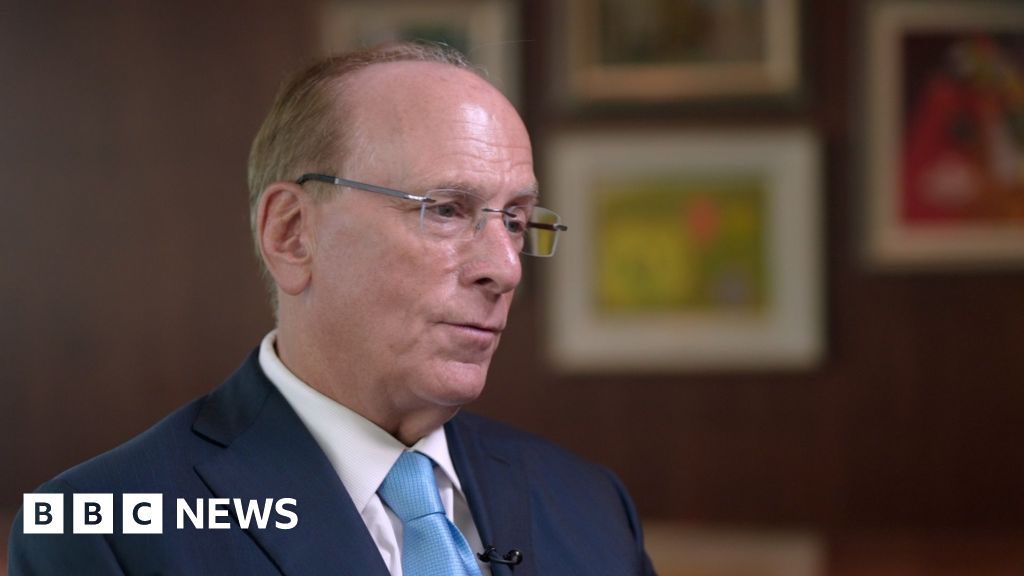
Larry Fink says if oil prices stay high for a sustained period it will have “profound implications” for the world economy.

DHT: BW Overhang Almost Gone, Q2 Dividend Could Top 20%
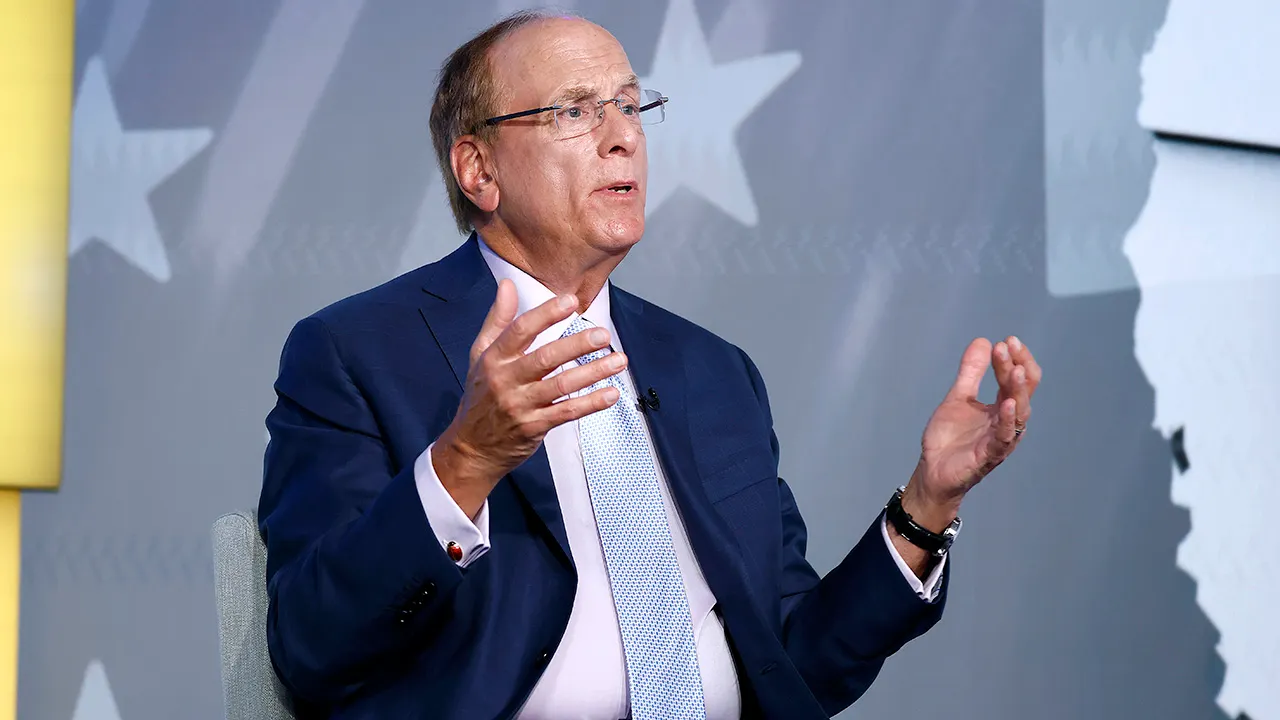
Most U.S. voters say they support government-funded savings accounts for children as Americans struggle to build retirement security, according to Nick Nefouse, global head of retirement solutions at BlackRock.
BlackRock CEO Larry Fink said in his annual chairman’s letter that Trump Accounts could provide a “very significant” boost in jump-starting savings and investment by younger Americans.
Fink noted that Americans are struggling to save money for emergencies in addition to funding retirement plans, and explained that early wealth-building accounts for newborn children can help them start life on a solid financial footing.
He said that experiments in Canada, the U.K. and Singapore have shown evidence that these accounts are a good investment, making it more likely account holders obtain advanced degrees, start a business and own a home.
“Now the United States is adopting a form of this policy with Trump Accounts,” Fink wrote, saying that Trump Accounts created by last year’s One Big Beautiful Bill Act can be funded in a variety of ways.
HERE’S HOW MUCH TRUMP ACCOUNT BALANCES COULD GROW OVER TIME
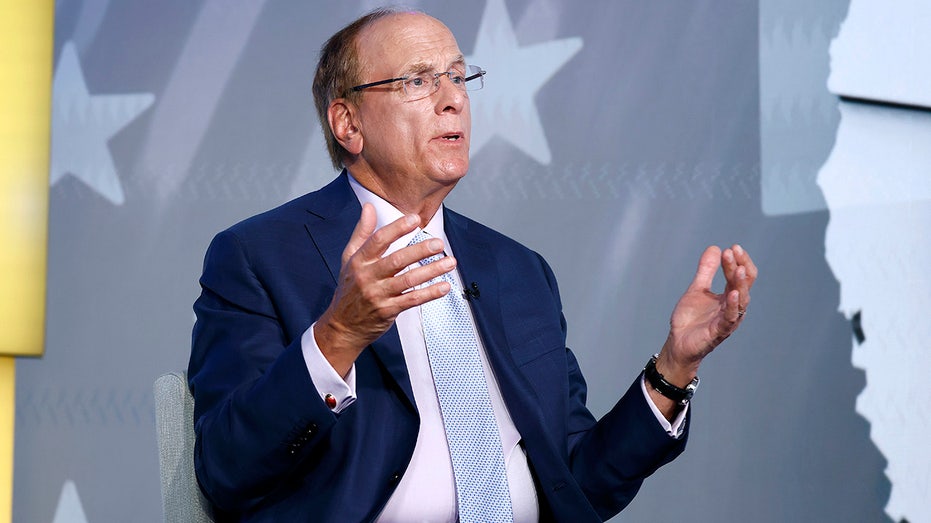
BlackRock CEO Larry Fink said that Trump Accounts could turn into a “very significant” savings vehicle for young Americans. (Paul Morigi/Getty Images)
“There is some nuance in how these accounts are funded. In some cases, it’s a pilot program funded by the government, which would need to be renewed,” Fink wrote.
“Funding can also come through personal contributions, or through certain employer match programs, such as the one we have at BlackRock for our employees. In other cases, the money comes from private funders.”
“We’ll see how these accounts evolve, but if they are structured thoughtfully, and paired with existing investment vehicles for education and retirement (like 529 and 401(k) plans), this could be a very significant step toward more young Americans growing with their country,” Fink added.
IRS UNVEILS PROPOSED REGULATIONS FOR NEW TRUMP ACCOUNTS SAVINGS PROGRAM
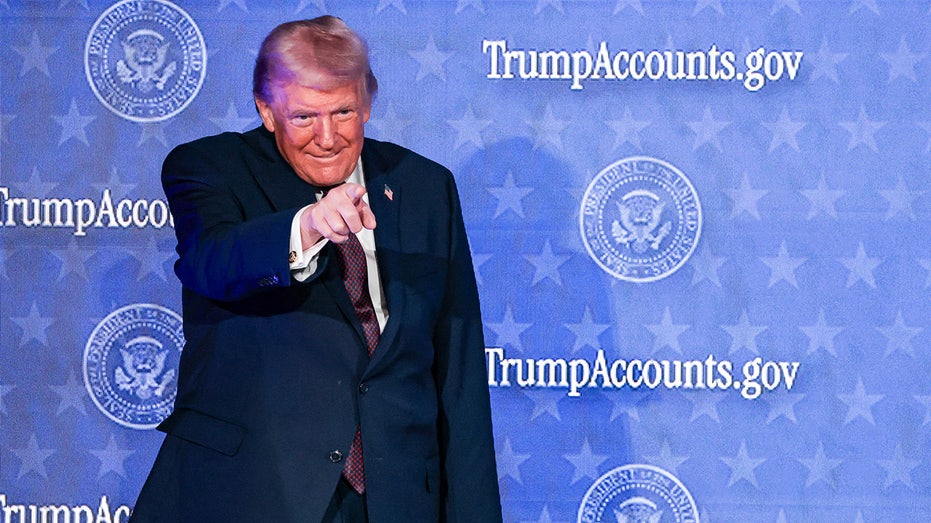
President Donald Trump and his administration have touted Trump Accounts as a way to boost the financial futures of young Americans. (Valerie Plesch/Bloomberg via Getty Images)
Several companies, including BlackRock, Bank of America and JPMorgan Chase, among others, have announced plans to contribute to Trump Accounts for their U.S. employees’ children.
Those companies will match the federal government’s $1,000 contribution, while other firms have planned different contribution levels.
| Ticker | Security | Last | Change | Change % |
|---|---|---|---|---|
| BLK | BLACKROCK INC. | 976.06 | +1.48 | +0.15% |
Wealthy Americans have also made philanthropic contributions to the government to provide seed money for the accounts.
For example, Michael and Susan Dell have committed $6.25 billion to seed 25 million accounts with $250 each, with the contributions expected to reach the accounts of most children aged 10 and under who were born prior to the qualifying date for the federal contribution.
TRUMP UNVEILS RETIREMENT PLAN WITH UP TO $1K FEDERAL MATCH
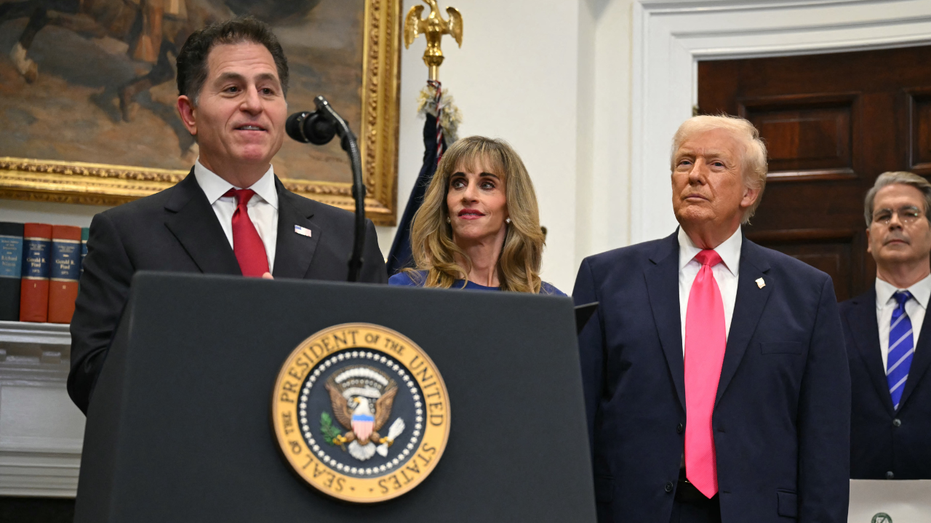
Michael Dell (L), CEO of Dell Technologies and his wife Susan (2nd-L) speak during an announcement of a $6.25 billion donation from the Dell family to Trump Accounts, in the Roosevelt Room of the White House in Washington, D.C. on Dec. 2, 2025. (Andrew Caballero-Reynolds/ AFP/Getty Images)
Trump Accounts will be invested in a broad index fund of U.S. stocks, much like the low-cost funds available in many retirement plans, and will be in the child’s name with their parents or guardian serving as the custodian of the account until they turn 18.
At that time, the funds can be used at the young adult’s discretion for things like educational expenses, starting a business, a down payment on a home, saving for retirement or a rainy day fund.
Parents may contribute up to $5,000 per year to the accounts, while a parent’s employer can contribute up to $2,500 per year without impacting the employee’s taxable income.
Children born between Jan. 1, 2025, and Dec. 31, 2028, will receive $1,000 in seed funding from the federal government in addition to any other contributions. Trump Accounts are also available to children born before Jan. 1, 2025, who are under the age of 18 – although they won’t receive the $1,000 federal government.
GET FOX BUSINESS ON THE GO BY CLICKING HERE
The accounts are expected to officially launch on July 4, 2026. Parents may enroll their child in the program by making an election when they file their taxes on the new IRS Form 4547.

Nomura Mid Cap Income Opportunities Fund Q4 2025 Commentary

Heating A Woodshop With Sawdust

The business owner’s guide to volatile fleet costs in 2026

Why Bernstein thinks Bitcoin’s 40% drawdown is just a confidence wobble


-
 Crypto World4 days ago
NIO (NIO) Stock Plunges 6.5% as Shelf Registration Sparks Dilution Worries
-

 Fashion4 days ago
Weekend Open Thread: Adidas – Corporette.com
-

 Politics4 days ago
Jenni Murray, Long-Serving Woman’s Hour Presenter, Dies Aged 75
-

 Crypto World3 days ago
Best Crypto to Buy Now: Strategy Just Spent $1.57 Billion on Bitcoin During Fear While Early Investors Quietly Enter Pepeto for 150x Potential
-

 News Videos6 days ago
RBA board divided on rate cut, unusually buoyant share market | Finance Report | ABC NEWS
-

 Crypto World3 days ago
Bitcoin Price News: Bhutan Sells $72 Million in BTC Under Fiscal Pressure, but the Smart Money Entering Pepeto Sees What the Market Does Not
-

 Politics7 days ago
The House | The new register to protect children from their abusers shows Parliament at its best
-

 Tech5 days ago
inKONBINI Lets You Spend Summer Days Behind the Register
-

 Crypto World6 days ago
Canada’s FINTRAC revokes registrations of 23 crypto MSBs in AML crackdown
-

 Sports2 days ago
Remo Stars and Kano Pillars Strengthen Survival Hopes in NPFL
-
 NewsBeat6 days ago
Residents in North Lanarkshire reminded to register to vote in Scottish Parliament Election
-

 News Videos6 days ago
PARLIAMENT OF MALAWI – PAC MEETING WITH REGISTRAR OF FINANCIAL ON AMARYLLIS HOTEL – INQUIRY LIVE
-

 Politics5 days ago
Gender equality discussions at UN face pushbacks and US resistance
-

 Business2 days ago
No Winner in March 21 Drawing as Prize Rolls to $133 Million for Next
-

 Business6 days ago
Who Was Alex Pretti? 5 Key Facts About the ICU Nurse Killed by Federal Agents in Minneapolis
-

 Sports1 day ago
Gary Kirsten Accuses Pakistan Cricket Board Of ‘Interference’, Mohsin Naqvi Responds
-

 Tech2 days ago
Give Your Phone a Huge (and Free) Upgrade by Switching to Another Keyboard
-

 Sports4 days ago
2026 Kentucky Derby horses, odds, futures, preview, date: Expert who nailed 12 Derby-Oaks Doubles enters picks
-

 Tech7 days ago
Subnautica 2 might finally be entering early access in May
-
Sports6 days ago
Vikings Free Agency Enters Phase 2 with Key Questions
You must be logged in to post a comment Login