
Business
Voters concerned about affordability of homeownership, new poll shows

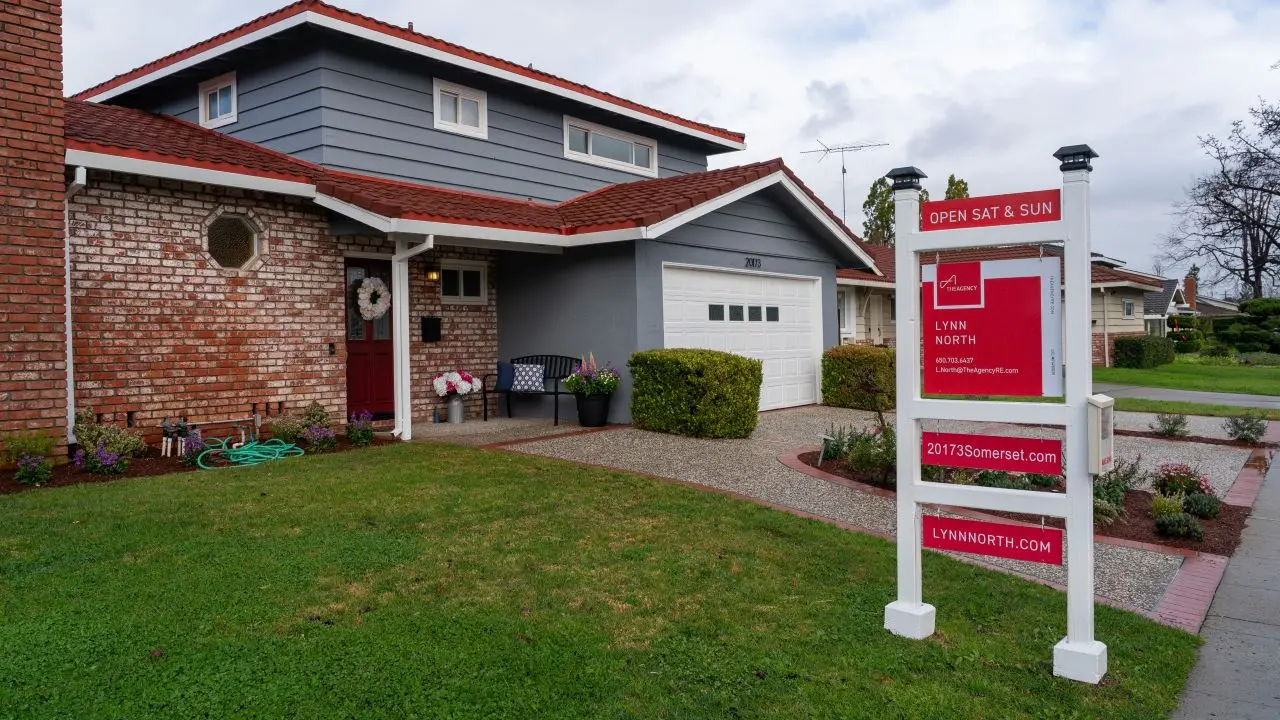
Ohio GOP gubernatorial candidate Vivek Ramaswamy discusses his economic vision for the state, calling for deregulation and expanded housing on ‘Kudlow.’
American voters are concerned about being able to afford homeownership amid high housing costs as the electorate prepares to cast ballots in this fall’s midterm elections, a new poll shows.
A poll conducted for the National Association of Realtors by Public Opinion Strategies and Hart Research showed that over half of voters (52%) say that the affordability of housing is a very important voting issue to them.
Sentiment around the housing market remains at a historically low level, as the poll shows that just 17% of voters think now is a good time to buy a home – down from 69% in 2013.
Despite the headwinds affecting housing affordability, homeownership remains a key part of what voters view as the American dream, with 85% calling it an essential part of the American dream, an increase from 79% in 2013 with strong support across political groups.
EFFORTS TO REIN IN WALL STREET LANDLORDS COULD PUSH US HOME PRICES UP, INVESTORS SAY
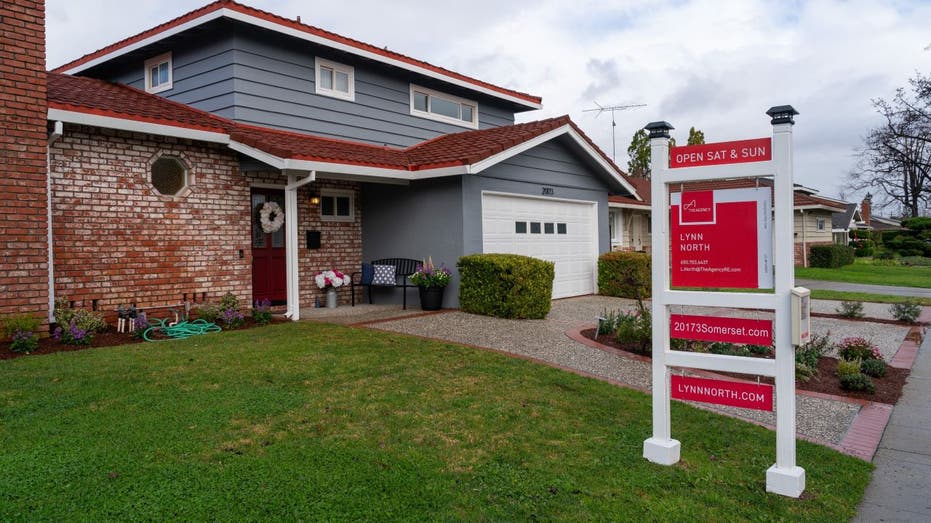
Homeownership remains a key part of how voters view the American dream, the NAR poll showed. (Loren Elliott/Bloomberg via Getty Images)
Renters and other non-homeowners expressed concerns about never being able to afford homeownership, with 76% of that group expressing the belief that they will never be able to afford buying a home and 59% saying they want to buy but lack affordable options in their community.
In contrast, just 27% of all voters were concerned about never being able to afford to buy a home and only 21% cited a lack of affordable options in their community as a barrier.
Homeowners in the survey were asked about reasons that are keeping them from moving, with 35% saying their current mortgage rate is low, and they can’t afford a higher rate.
Additionally, 30% said they would like to buy another home but lack affordable options in their community, while 16% said they would like to sell but can’t afford the taxes from the profit on the sale.
TRUMP SAYS HE’S ‘NOT A HUGE FAN’ OF 401(K) WITHDRAWAL PLAN FOR HOMEBUYERS’ DOWN PAYMENTS

Voters cited a lack of affordable homes as a key barrier to homeownership. (iStock/Getty Images Plus)
Voters across political groups generally said that federal government policies make it harder to buy a home, with majorities of Democrats (56%) and Independents (53%) along with a plurality of Republicans (41%) expressing that sentiment.
The NAR poll also gauged respondents’ views of several congressional proposals aimed at improving housing affordability.
More than four-fifths of all voters, 84%, expressed support for letting prospective home buyers save money tax-free that can be used to buy a home, with over 80% of all political groups.
Over three-fourths of voters, 76%, backed a proposal to provide a one-time option to sell your home without paying taxes on the profit. That idea was most strongly backed by Republicans (87%) and saw some skepticism among Democrats (65%).
HOUSING EXPERT WARNS PRE-PANDEMIC AFFORDABILITY LEVELS MAY NEVER RETURN IN AMERICA
NAR’s poll asked voters about proposals aimed at making housing more affordable. (Mandel Ngan/AFP via Getty Images)
A similar proposal that would increase the amount of profit that sellers can take before having to pay taxes was backed by two-thirds (67%) of voters, with Republicans (78%) and Independents (66%) viewing the idea more favorably than Democrats (58%).
Providing tax incentives requiring building developers to provide affordable rentals for low-income households was backed by 71% of voters, with Democrats more bullish on the idea (90% support) than Republicans (53%).
Incentivizing home rental investors to sell homes to first-time home buyers was backed by 71% of voters, with similar levels of support across political groups.
GET FOX BUSINESS ON THE GO BY CLICKING HERE
NAR and its polling firm partners then asked voters whether Congress passing those proposals would make it easier to buy or sell a home, and 64% of respondents said that it would, compared to the 9% who think current federal policies make it easier to buy or sell a home.


In an exchange filing, Axis Bank said the investment will be made in cash in one or more tranches before March 31, 2027, by subscribing to Axis Finance’s rights issue. This comes amid a broader strategic rethink after India’s third-largest lender paused plans to sell a stake in the non-bank finance company (NBFC).
Axis Bank had initiated the stake sale process last year and appointed merchant bankers, including Morgan Stanley, after the Reserve Bank of India (RBI) proposed draft rules in 2024 restricting overlapping business activities between banks and their subsidiaries. However, the RBI diluted the proposal in December last year following industry pushback, leading Axis Bank to pause the stake sale plans, according to a report in January.
Also Read | Planning your MF investment for FY27? Experts advice flexicap, multi-cap with gold & silver ETF exposure
Axis Finance, incorporated in April 1995 and registered as an NBFC, has seen steady growth in recent years, with turnover rising to Rs 4,296 crore in FY25 from Rs 3,321 crore in FY24 and Rs 2,297 crore in FY23. The company’s turnover for the half year ended FY26 stood at Rs 2,504 crore.

Axis Bank, which has invested Rs 2,375 crore in Axis Finance over the past decade, will review the NBFC’s growth roadmap next month. The subsidiary is set to present a revised plan to the bank’s board in April, after which Axis Finance will reassess its capital-raising needs. (Disclaimer: Recommendations, suggestions, views and opinions given by the experts are their own. These do not represent the views of The Economic Times)
Axis Bank share price rose more than 2.5% to Rs 1,259.30 apiece on Wednesday, extending gains for the third consecutive session. It is currently among the top gainers on benchmark indices Sensex and Nifty, as well as the Nifty Bank index.
(With inputs from Reuters)
Business
Rupee hits historic low, slips past 92.62 vs USD as Middle East tensions keep energy worries in focus

The rupee fell to 92.62 per dollar, eclipsing its previous low of 92.4750 hit last week.
Brent crude oil prices have climbed about 40% since the Iran War began. The conflict has since sent shockwaves throughout global markets as energy importing economies grapple with the most severe supply disruption in decades.

Selena Gomez, the multifaceted actress, singer and entrepreneur, continues to captivate fans with glimpses of her personal life and professional ventures, even as she opts out of Hollywood’s biggest nights this spring.

In recent days, the 33-year-old star has shared affectionate photos with her husband, music producer **Benny Blanco**, brushing aside minor public controversies while promoting her booming beauty brand, Rare Beauty. The couple, who married in an intimate ceremony in Santa Barbara, California, in September 2025, appear stronger than ever, posting cozy beach embraces and loving tributes that highlight their newlywed bliss.
On Saturday, Gomez uploaded a carousel of images to her Instagram, showing Blanco embracing her tightly against a scenic backdrop. The post came shortly after a lighthearted “filthy feet” drama involving Blanco went viral, with fans playfully critiquing his casual appearance in earlier photos. Gomez responded in jest by sharing videos of herself playfully kissing his feet, turning the moment into a display of unwavering support and humor. “My love,” she captioned one tribute around Blanco’s 38th birthday earlier this month, including snapshots from their wedding day and recent outings.
The pair celebrated Blanco’s birthday with a star-studded cowboy-themed bash, underscoring their close-knit circle in the entertainment industry. Gomez has been vocal about her affection, appearing on Blanco’s podcast “Friends Keep Secrets” to discuss their relationship openly.
Professionally, Gomez remains focused on her empire beyond the spotlight. Rare Beauty, her inclusive cosmetics line launched in 2020, announced a major new product: the True to Myself Natural Matte Longwear Foundation, available in 48 shades. Gomez revealed she has been wearing the self-priming, self-setting formula for months — from her wedding to red carpets and quiet home days — and teased its release on Instagram. “I’ve waited a long time to share it with you, and I’m SO excited,” she wrote. The foundation drops April 2 at Sephora and rarebeauty.com, with early access via the Sephora app on April 1.
Adding to the brand’s momentum, Rare Beauty recently expanded to all Ulta Beauty stores, with in-store donations this month supporting mental health initiatives through the Ulta Beauty Charitable Foundation and the Rare Impact Fund. Gomez expressed delight at the partnership, marking a first for Ulta with a brand collaboration of this kind.
Gomez’s decision to skip the 2026 Academy Awards — held March 15 — drew attention, as she and Blanco attended the previous year’s ceremony. Sources indicate Gomez had no eligible film projects this awards cycle and was not invited as a presenter. Instead, she spent the weekend promoting Rare Beauty in New York City, sharing selfies and event glimpses on her Instagram Stories. The couple also missed the 2026 Grammys in February, despite a nomination for their collaborative track “Bluest Flame” in the Best Dance Pop category. Gomez prioritized a Rare Beauty x Ulta event that day.
Her acting career continues to thrive, particularly with her role in the hit Hulu series “Only Murders in the Building,” where she stars alongside Steve Martin and Martin Short. Gomez recently posted a poignant message affirming her support for her co-stars amid personal challenges, writing she’ll “always be there” for them. She has also reflected on her health journey, sharing in interviews that she was misdiagnosed before receiving her bipolar diagnosis, calling the process “so f—ing complicated.”
Gomez’s personal evolution remains inspiring. From her Disney roots in “Wizards of Waverly Place” to global music success with albums like “Rare” and advocacy through Wondermind — her mental health platform — she balances vulnerability with empowerment. Recent posts include faith-inspired captions like “by Grace through Faith” and nods to new music, with tracks such as “In The Dark” and “I Said I Love You First…And You Said It Back” generating buzz.
Fans speculate about future projects, including potential returns to music or expansions in production. A March milestone post highlighted her transformation into a business powerhouse, with Rare Beauty reportedly eyeing significant valuation growth and positioning her as a major player in beauty and wellness.
Through it all, Gomez maintains a grounded presence online, sharing “randoms” and “lately” moments that blend glamour with authenticity. As she and Blanco navigate life as a married couple, their public displays of affection — from beach cuddles to playful responses to tabloid fodder — serve as a reminder of her enduring appeal: a star who prioritizes love, mental health and meaningful work over constant red-carpet appearances.
With Rare Beauty’s latest innovations rolling out and her personal life radiating positivity, Selena Gomez shows no signs of slowing down. Her fans, numbering over 415 million on Instagram alone, eagerly await what’s next from one of entertainment’s most resilient and influential figures.

Close Brothers has announced plans to cut around 600 job, equivalent to roughly a fifth of its workforce, as the lender accelerates a sweeping cost-cutting programme in response to mounting pressure from the motor finance mis-selling scandal.
The restructuring, confirmed by chief executive Mike Morgan, will reduce headcount to approximately 2,000 over the next 21 months and is intended to restore investor confidence following renewed scrutiny of the group’s potential compensation liabilities. The move comes amid heightened market volatility after short-seller Viceroy Research claimed the lender’s total compensation bill could reach as high as £1.23 billion, far exceeding the company’s current £300 million provision.
Shares in Close Brothers have come under sustained pressure, falling sharply at the start of the week and continuing to slide as investors digested the scale of potential exposure. The lender is widely regarded as one of the most exposed UK financial institutions to the car finance scandal relative to its size, with motor loans accounting for around £2 billion of its £9.5 billion loan book.
The scandal, which first emerged two years ago, centres on the failure of lenders to adequately disclose commission arrangements paid to car dealers for arranging finance. The Financial Conduct Authority is expected to set out its final redress scheme imminently, with earlier estimates suggesting the total industry bill could reach £11 billion.
Morgan defended the bank’s approach to estimating its liabilities, insisting that its £300 million provision reflects a probability-weighted assessment in line with accounting standards and supported by legal and audit advice. However, the refusal to disclose detailed assumptions behind that figure has fuelled scepticism among investors and opened the door for more aggressive external estimates.
The chief executive dismissed Viceroy’s analysis but acknowledged the uncertainty surrounding the final outcome. He said the eventual cost could be “materially higher” or “materially lower” depending on how the regulator structures compensation and how many borrowers come forward with claims.
Against this backdrop, Close Brothers is moving aggressively to reshape its cost base. The group has already divested its Winterflood broking arm and its asset management business, scaled back growth plans and suspended its dividend in an effort to conserve capital. The latest measures will focus on streamlining operations across its core divisions, including retail lending and commercial finance, where the bulk of job losses are expected to fall.
The restructuring will incur an upfront cost of around £25 million but is expected to deliver annual savings of £60 million by the end of 2027. The company said it would centralise shared services, reduce reliance on third-party providers and cut property and operational expenses as part of a broader efficiency drive.
Artificial intelligence is also set to play a growing role in the transformation, with the bank aiming to deploy AI tools “at pace” to reduce costs and improve customer experience. The move reflects a wider trend across the financial services sector, where firms are increasingly turning to automation and digitalisation to offset rising regulatory and operational pressures.
Despite the cost-cutting programme, Close Brothers reported a mixed set of interim results. The group posted a statutory loss of £65.5 million for the six months to January, an improvement on the £102.2 million loss recorded a year earlier. Adjusted operating profit fell to £65.2 million, down from £80.5 million, reflecting ongoing headwinds.
Its core capital ratio improved to 14.3 per cent, comfortably above regulatory requirements, providing some reassurance on balance sheet strength. However, analysts warn that a significantly higher compensation bill could erode that buffer and materially impact shareholder value.
The situation has drawn comparisons with the payment protection insurance (PPI) scandal, which ultimately cost UK banks more than £50 billion, far exceeding initial provisions and leaving investors wary of underestimating liabilities in mis-selling cases.
Morgan insisted that lessons from the PPI episode had informed the bank’s current approach, arguing that regulatory scrutiny and accounting standards are now far more rigorous. Nonetheless, the combination of regulatory uncertainty, investor scepticism and operational restructuring highlights the scale of the challenge facing the lender.
With the FCA’s final ruling imminent and market confidence fragile, Close Brothers is entering a critical period that will determine both the ultimate financial impact of the scandal and the success of its efforts to rebuild credibility with shareholders.

Amy Ingham
Amy is a newly qualified journalist specialising in business journalism at Business Matters with responsibility for news content for what is now the UK’s largest print and online source of current business news.
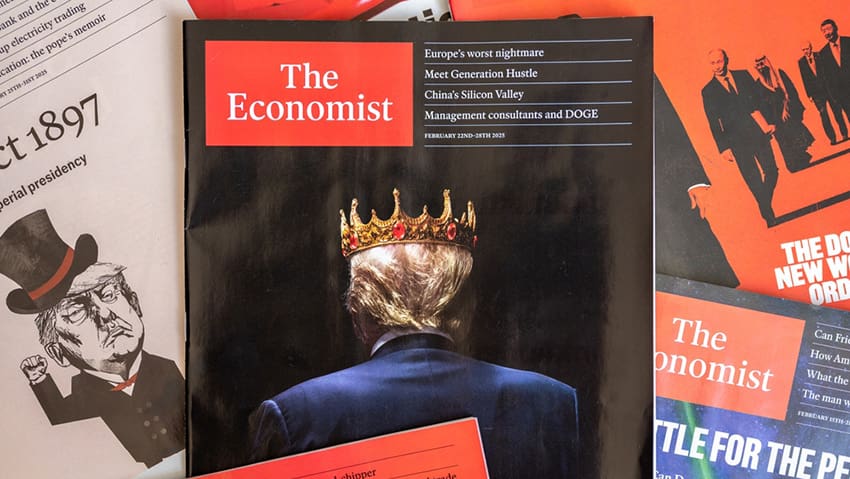
A significant ownership shift has taken place at The Economist Group after Canadian billionaire Stephen Smith agreed to acquire a 26.9 per cent stake from Lynn Forester, Lady de Rothschild, marking the first major change in the publisher’s shareholder structure in more than a decade.
Smith, 74, is purchasing the stake through his family investment vehicle, Smith Financial, in a deal that underscores continued global investor confidence in one of the world’s most influential media brands. While financial terms have not been disclosed, the transaction represents a notable reshaping of the group’s ownership, with the Rothschild family exiting a long-held position.
The move follows the last major ownership change in 2015, when Pearson sold the majority of its 50 per cent holding to the Agnelli family’s investment company, Exor, which today remains the largest shareholder with a 43.4 per cent stake. Smith’s investment now positions him as one of the most significant minority shareholders alongside Exor, reinforcing a shareholder base that blends long-term strategic investors with a commitment to editorial independence.
Founded in 1843, The Economist Group has built its reputation on championing free trade, liberal economics and independent journalism. That editorial positioning has historically shaped its ownership model, with shareholders often selected not only for financial backing but for alignment with the publication’s values and governance principles.
A spokesperson for Smith confirmed that the investment reflects his “full support for The Economist’s longstanding tradition of rigorous editorial independence”, a key consideration in any change of ownership at the publication. Maintaining that independence is central to the group’s structure, with safeguards embedded in its governance to ensure editorial decisions remain insulated from shareholder influence.
Lady de Rothschild’s decision to sell is understood to be part of a broader reorganisation of her family’s investment portfolio. A prominent figure in international finance and philanthropy, she co-founded telecoms business FirstMark Communications and has held senior roles including a position on the board of Estée Lauder. Alongside her late husband, Sir Evelyn de Rothschild, she also built EL Rothschild, a family office with interests spanning private equity, public markets and real estate.
Smith, meanwhile, brings deep experience in financial services and investment. He co-founded First National Financial Corporation in 1988, building it into one of Canada’s largest non-bank mortgage lenders, and stepped down from its board in 2025. His wider portfolio includes chairmanship roles at Peloton Capital Management, proxy advisory firm Glass, Lewis & Co, and Fairstone Bank of Canada, a major consumer lending institution.
Beyond business, Smith is also known for his philanthropic activity, particularly in education, heritage and the arts, areas that align with The Economist Group’s broader intellectual and cultural influence.
The Economist Group confirmed the agreement, noting that completion remains subject to standard closing conditions. The company did not comment on valuation but emphasised continuity in its strategic direction and governance framework.
The transaction comes at a time when premium media brands continue to attract high-net-worth investors seeking exposure to trusted global content platforms with diversified revenue streams, including subscriptions, events and specialist research services.
For The Economist, the arrival of a new cornerstone investor signals stability rather than disruption. With its ownership model designed to prioritise long-term stewardship over short-term returns, the addition of Smith Financial is expected to reinforce the group’s financial resilience while preserving the editorial principles that have defined it for more than 180 years.
Amy Ingham
Amy is a newly qualified journalist specialising in business journalism at Business Matters with responsibility for news content for what is now the UK’s largest print and online source of current business news.


Its Centre for Enterprise helps local SMEs turn ideas into innovation

Build-A-Bear Workshop Needs To Fix Its Marketing To Fix Its Margins

Taylor Swift made a rare public appearance over the weekend, attending Jay-Z and Beyoncé’s exclusive Oscars after-party in Los Angeles on March 15, where she and fiancé Travis Kelce mingled with Hollywood’s elite following the 98th Academy Awards. The low-key outing marks one of the couple’s few joint red-carpet-adjacent events since Swift’s 2025 album *The Life of a Showgirl* dominated charts and propelled her net worth past $2 billion, according to recent estimates.

Partygoers, including filmmaker Natalie Mustiata, confirmed Swift’s presence at the coveted Gold Party, hosted annually by the music power couple. Mustiata told The New Yorker in an interview published March 16 that she encountered the pop superstar, describing the atmosphere as celebratory and star-studded. Swift, dressed elegantly for the post-Oscars festivities hosted by Conan O’Brien earlier that evening, kept interactions casual amid the glitzy crowd. Kelce, fresh off his NFL season with the Kansas City Chiefs, joined her for the night out, with sources telling Just Jared the pair enjoyed a relaxed evening connecting with friends in the industry.
The sighting comes amid heightened speculation about the couple’s personal milestones. Multiple outlets reported in early March that Swift and Kelce have set June 13, 2026, as their wedding date, with venues in Rhode Island rumored as potential sites. Fan theories intensified after Taylor Nation posted a chalkboard image promoting a *The Life of a Showgirl* listening party, where some deciphered faint erased text possibly reading “June 13” alongside hints like “KC” and “NY.” While unconfirmed, the date aligns with podcast tips and insider whispers, fueling excitement among Swifties.
Swift’s financial dominance remains a central storyline. Her 2025 album *The Life of a Showgirl* sold 1.6 million vinyl units in the U.S., playing a pivotal role in pushing annual vinyl revenue past $1 billion for the first time since 1983, per industry reports. The orange-themed era, produced in part by Max Martin, featured hits like “Elizabeth Taylor,” which peaked at No. 3 on the Billboard Hot 100 upon its October 2025 release. A limited-edition “Elizabeth Taylor” 7-inch vinyl on Cry My Eyes Violet Glitter — pressed in a blue-and-purple galactic variant — was announced for Record Store Day 2026, with details rolling out to indie stores starting April 18. The release adds to Swift’s streak of high-profile physical media drops, capitalizing on the vinyl resurgence she helped drive.
No new studio album is expected in 2026, insiders say, as Swift focuses on promoting *The Life of a Showgirl* through singles, videos and an “era of singles” approach reminiscent of *1989*. Fans anticipate celebrations for the 20th anniversary of her 2006 self-titled debut, potentially including a Taylor’s Version re-recording with vault tracks. Speculation about vault releases from *Reputation*’s 10th anniversary in 2027 also swirls, though nothing is confirmed.
Tour rumors persist, with sources indicating “ideas percolating” for a potential *Life of a Showgirl* tour or extension of The Eras Tour concept. While Swift has not announced plans, some predict announcements later in 2026, possibly targeting 2027 or 2028 starts. Fanon wikis and Reddit threads discuss hypothetical Eras Tour 2.0 iterations incorporating new material, but official word remains absent.
Other March developments include a call from artist EJAE for Swift to collaborate on the soundtrack for the *KPop Demon Hunters* sequel, shared via Variety on March 15. Swift’s influence extends beyond music, with her family historically voicing concerns over political figures like former President Donald Trump — a point resurfaced amid Kelce’s recent golf chat with Trump’s granddaughter Kai at a TGL event.
A brief health-related concern earlier in March prompted fan worry after a reported update about successful surgery and recovery, though details stayed private and support poured in from Swifties. The star has since resumed public visibility, underscoring her resilience amid a demanding schedule.
Swift’s cultural footprint shows no signs of fading. With *The Life of a Showgirl* still charting globally and her catalog driving streaming and sales, she enters spring 2026 as one of entertainment’s most powerful figures. The Oscars after-party appearance, wedding anticipation and vinyl excitement keep her in headlines, blending personal joy with professional triumphs.
As June approaches, all eyes remain on the couple for wedding confirmations, while music fans watch for any hints of new drops or live returns. Swift’s ability to balance mega-stardom with private milestones continues to captivate, ensuring her story dominates conversations well into the year.

Marti reaches 3.8M riders, sets June target of 4.3M
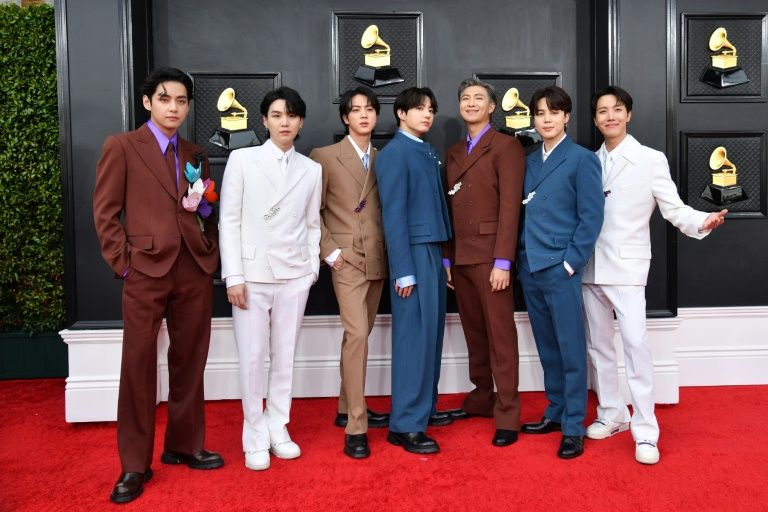
Global K-pop phenomenon BTS is on the cusp of one of the most anticipated returns in music history, with their fifth studio album *Arirang* set for release on March 20, 2026, followed by a landmark live performance streamed worldwide on March 21. The septet — RM, Jin, Suga, J-Hope, Jimin, V and Jungkook — ends a nearly four-year group hiatus triggered by mandatory military service, marking their first full-album drop since 2020’s *Be* and their first collective activities since reuniting post-discharge.
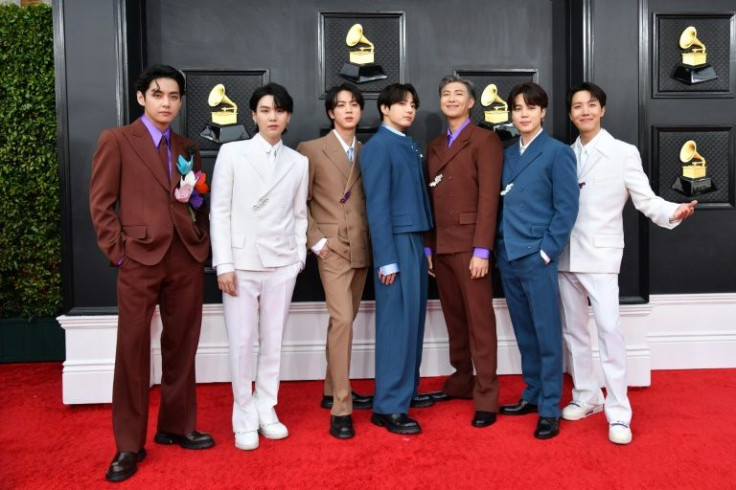
BigHit Music (HYBE) confirmed the March 20 comeback date in early January, with the announcement igniting a frenzy among ARMY, the band’s devoted fanbase. “March 20th comeback confirmed,” the label posted on X, translating the Korean message that sent pre-order demands soaring and resale markets for merchandise surging. The album, titled *Arirang* after Korea’s traditional folk song symbolizing resilience and longing, reflects the members’ journey through service, solo ventures and rediscovery as a unit.
Lead single “Swim” teases have already surfaced, with the first music video snippet showing nautical themes and high-energy choreography. Fans on social media praised the visual as a nod to BTS’s signature blend of introspection and dynamism. Pre-orders opened in mid-January, with physical editions featuring member-specific concepts and photobooks selling out rapidly across platforms.
The comeback culminates in *BTS THE COMEBACK LIVE | ARIRANG*, a special outdoor concert at Seoul’s historic Gwanghwamun Square on March 21 at 8 p.m. KST. Broadcast live exclusively on Netflix for all subscribers, the event celebrates the album’s release and BTS’s return to the stage after three years and nine months. Countdown events have unfolded daily in Seoul, with D-5 to D-4 activations drawing crowds and generating viral footage of fan light-stick oceans and choreo practices.
A Netflix documentary, *BTS: THE RETURN*, premieres March 27, offering behind-the-scenes access to the recording process in Los Angeles and Seoul. Directed by Bao Nguyen and produced by HYBE and This Machine, the film captures moments of doubt, laughter and creative breakthroughs as the members reconvened post-service. Trailer footage shows RM leading discussions, Jungkook in vocal booths and Jin cracking jokes, underscoring their unbreakable bond.
All seven members completed mandatory military service by mid-2025. Jin discharged first in June 2024, followed by J-Hope in October 2024. RM and V finished in June 2025, with Jimin and Jungkook shortly after. Suga, serving alternative social work duty due to health considerations, wrapped up last in June 2025. No public discharge events occurred for most to avoid overcrowding, but private reunions fueled speculation about group plans.
The hiatus allowed prolific solo output: RM’s introspective albums, Suga’s Agust D tours, J-Hope’s *Jack in the Box*, Jimin’s *Face* and *Muse*, V’s *Layover*, Jungkook’s *Golden* and Jin’s upbeat tracks. These projects kept BTS culturally dominant, with members topping charts and earning Grammy nods individually. The group reconvened in summer 2025 for recording, with Jimin confirming completion in November.
A massive world tour, *BTS WORLD TOUR ARIRANG*, launches April 9, 2026, in Goyang, South Korea, spanning Asia, North America, Europe, Latin America and Australia through March 2027. Initial dates sold out instantly, with additional shows expected. The 82-date itinerary positions BTS to shatter attendance records set by their pre-hiatus *Love Yourself* and *Map of the Soul* tours.
Security concerns loom large for the Seoul concert, with authorities raising terror alerts to “caution” in Jongno and Jung-gu districts. Enhanced measures include crowd control and surveillance around Gwanghwamun Square, a site of historic protests and cultural events. Officials urge fans to follow guidelines for safe attendance.
Merchandise demand has spiked, with official light sticks reselling at premiums ahead of the live event. Original versions hover around 50,000 won, but scarcity drives secondary prices higher. ARMY worldwide express eagerness, with hashtags like #BTS_ARIRANG and #BTSisBack trending globally.
Industry observers hail the comeback as a pivotal moment for K-pop’s global dominance. BTS’s influence extends beyond music, boosting tourism, language learning and Korean culture exports. The return coincides with HYBE’s expansion, positioning the group as central to the conglomerate’s strategy.
In a rare joint interview with GQ, RM emphasized reunion joy: “The most important thing is just that we are here back together again. We’re going to see the fans all over the world.” Members described *Arirang* as a “culmination” of their evolution, blending signature hip-hop roots, pop anthems and mature reflections on identity and perseverance.
As March 20 approaches, anticipation builds to fever pitch. With the album, live stream, documentary and tour, 2026 marks BTS’s bold new chapter. ARMY’s purple light sticks will illuminate screens and stadiums, signaling the kings’ triumphant return.
The comeback not only reunites one of music’s most influential acts but reaffirms BTS’s commitment to authenticity amid unprecedented fame. From military barracks to global stages, their story inspires millions, proving resilience and connection transcend borders and time.

Home at last: SC Delhi bring ISL to the capital after seven long years | Football News

Intel Arc update adds pre-compiled shaders to speed up game load times by up to 3x

The best London gigs this week, from Thundercat to Lily Allen

Smart energy pays enters the US market, targeting scalable financial infrastructure

Why Israel is blocking foreign journalists from entering

Bitcoin: We’re Entering The Most Dangerous Phase

The BEST and WORST Cars for Financial Mutants (And Which Brands They Avoid)

How the Iran War Will Cause a Global Financial Crisis (Yanis Varoufakis) | The Chris Hedges Report

How to Build a Reusable Finance Workflow in Claude 2.0 (Full Tutorial)
-
 Crypto World4 days ago
HYPE Token Enters Net Deflation as HyperCore Buybacks Outpace Staking Rewards
-

 Fashion5 days ago
Weekend Open Thread: Addict Lip Glow
-

 Tech3 days ago
Your Legally Registered ‘Motorcycle’ Might Not Count Under Proposed US Law
-
Sports4 days ago
Why Duke and Michigan Are Dead Even Entering Selection Sunday
-

 Sports7 days ago
PWHL, Senators discussing plan to keep Charge in Ottawa
-

 NewsBeat7 days ago
Residents reaction as Shildon murder probe enters second day
-

 Business3 days ago
Search for Savannah Guthrie’s Mother Enters Seventh Week with No Arrests
-

 Business4 days ago
US Airports Launch Donation Drives for Unpaid TSA Workers as Partial Government Shutdown Enters Fifth Week
-
 Tech18 hours ago
Are Split Spacebars the Next Big Gaming Keyboard Trend?
-
Crypto World4 days ago
Coinbase and Bybit in Investment Talks: Could Bybit Finally Enter the US Crypto Market?
-

 NewsBeat7 days ago
I Entered The Manosphere. Nothing Could Prepare Me For What I Found.
-

 Business4 days ago
Country star Brantley Gilbert enters growing non-alcoholic beer market
-

 Business2 days ago
Australian shares drop as Iran war enters third week
-

 Crypto World2 days ago
Crypto Lender BlockFills Enters Chapter 11 with Up to $500M in Liabilities
-

 Sports5 days ago
College Basketball Best Bets: Conference Tournament Semifinal Picks
-
 Crypto World6 days ago
Three Binance Charts May Be Hinting at Bitcoin’s Next Move
-

 Politics2 hours ago
The House | The new register to protect children from their abusers shows Parliament at its best
-

 Business6 days ago
Trump demands Powell cut rates as Iran conflict raises energy prices
-

 Crypto World6 days ago
Senate Votes to Include CBDC Ban in Bipartisan Housing Bill
-

 Fashion2 days ago
25 Celebrities with Curly Hair That Are Naturally Beautiful


You must be logged in to post a comment Login