
Business
Wall Street Breakfast Podcast: SMCI Hit By Export Scandal


Mohamad Faizal Bin Ramli/iStock via Getty Images

Listen below or on the go via Apple Podcasts and Spotify

Nasdaq, S&P, Dow futures rise as Netanyahu eases concerns about the Iran conflict. (00:15) Super Micro (SMCI) falls as co-founder, employee charged in Nvidia chip smuggling case. (00:48)Unilever (UL) in talks to sell its food business to McCormick (MKC). (03:00)
This is an abridged transcript.
Stock index futures are firmly in the green.
S&P 500 futures (SPX) rose 0.90%, Nasdaq 100 futures (US100:IND) gained 1.02%, and Dow Jones Industrial Average futures (INDU) advanced 0.97%.
Bitcoin is up 1% at $70,000. Gold is up 0.5% at $4,677.
Market sentiment improved after Israeli Prime Minister Netanyahu said the country is helping to reopen the Strait of Hormuz.
Oil prices slipped on the news that Netanyahu said Iran no longer has the capacity to enrich uranium or make ballistic missiles.
Crude oil is down 0.2% at $95. Brent crude is at $109.
European indexes also rebound after an ease in oil prices.
The FTSE 100 is up 0.2% and the DAX is up 0.6%.
In Asia, the markets in Japan (NKY:IND) closed for a holiday.
Super Micro Computer (SMCI) is down 22% in premarket action.
Three individuals linked to the AI server maker, including a co-founder, were charged with violating export laws by assisting in the smuggling of at least $2.5 billion worth of U.S. AI technology to China.
The Justice Department did not name Super Micro in the complaint, referring only to a “U.S. manufacturer.”
The company said it was informed by federal prosecutors of the indictment on Thursday. It noted that it was not named as a defendant in the case and said it had cooperated with investigators.
In an indictment unsealed on Thursday, the U.S. government alleged that Yih-Shyan “Wally” Liaw, Ruei-Tsan “Steven” Chang and Ting-Wei “Willy” Sun worked together to violate the Export Control Reform Act. Liaw co-founded Super Micro in 1993, and joined its board of directors in 2023. Chang was a sales manager in the Taiwan office of Super Micro, while Sun was a contractor.
U.S. officials allege the trio went to great lengths to hide their actions from both U.S.-based server manufacturers and export control authorities, even using hair dryers to remove labels and serial numbers from the real machines and placing them on dummy machines left behind after the real machines had been shipped to China.
The efforts have yielded around $2.5 billion in sales for the server maker since 2024, with $510 million sold between late April 2025 and mid-May 2025 going to the Southeast Asian company and on to China, the indictment said. The plaintiff said the server maker had no U.S. Commerce Department license to export servers featuring Nvidia (NVDA) GPUs to China.
Super Micro Computer (SMCI) said it placed its co-founder and the sales manager on leave and terminated its ties with the contractor, after being made aware of the charges on Thursday.
The attorney’s office said the co-founder and contractor were both arrested on Thursday, while the sales manager is a fugitive.
Unilever (UL) announced that it received an inbound offer for its food business and is in discussions with McCormick (MKC).
The Wall Street Journal reported, citing people familiar with the matter, that an all-stock deal may be announced within weeks if talks don’t fall apart. The exact structure remains unknown.
Unilever’s (UL) food business, which houses brands such as Knorr and Hellmann’s, could be worth tens of billions of dollars. McCormick’s (MKC) products include Frank’s RedHot sauce and French’s yellow mustard.
Separating its food business would enable Unilever (UL) to focus on its beauty, personal care and home divisions. The company spun off its ice cream business Magnum last year.
What’s Trending on Seeking Alpha
Disney-owned ABC faces potential tens-of-millions loss if “The Bachelorette” fails to air: report
Bezos raising $100B to buy industrial firms and upgrade them with AI: report
The biggest movers for the day premarket: FedEx (FDX) +11% – Stock gained in premarket trading after the company topped expectations with its fiscal third-quarter earnings report.
Here’s a link to the Investment News Quiz for the week.


Piper Sandler initiates Definium stock with Overweight rating
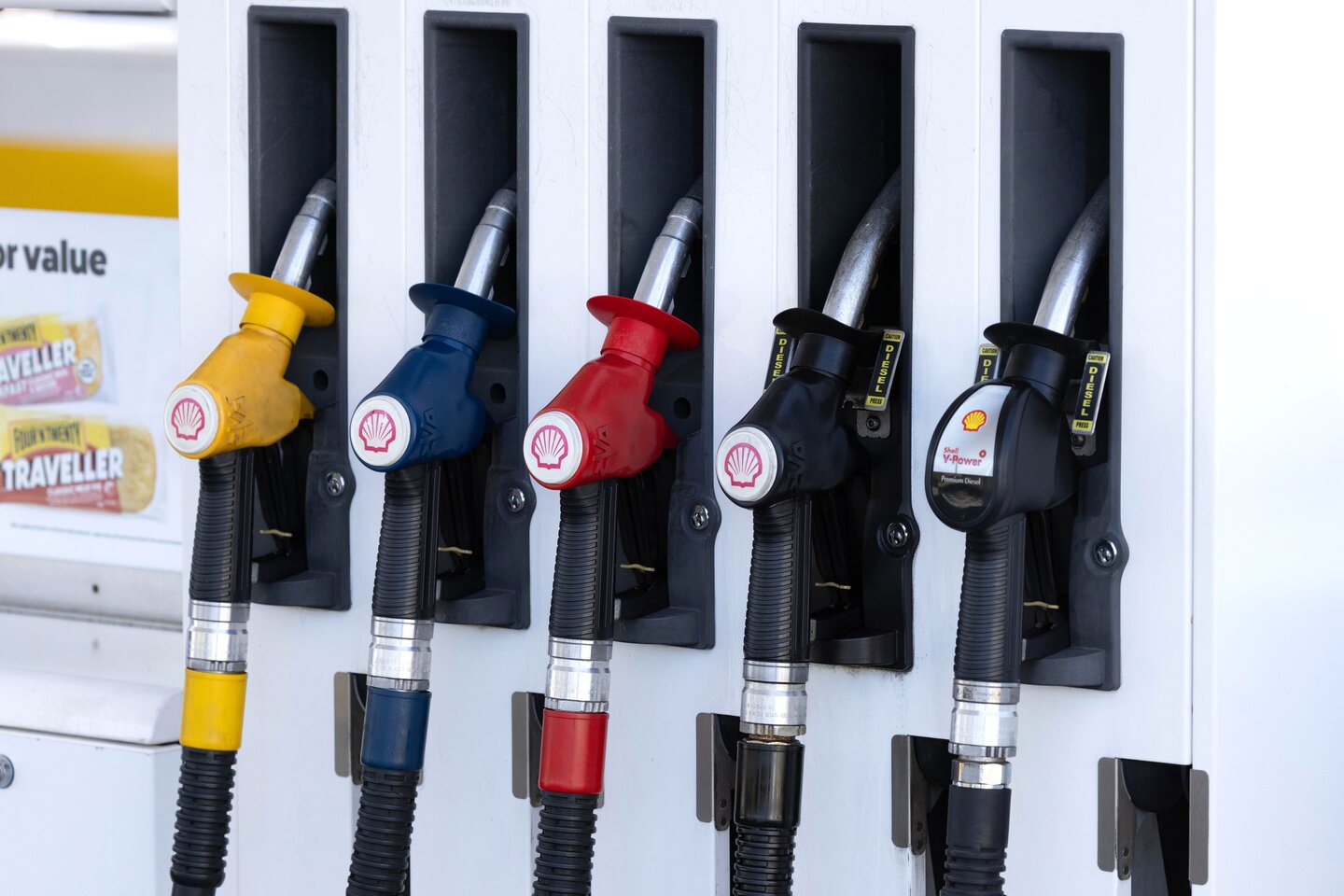
Australia’s largest supplier of refined fuel will continue to provide petrol and diesel amid global uncertainty as part of a new agreement.
The 2026 IPO Bottleneck Breaks: From SpaceX To AI Unicorns
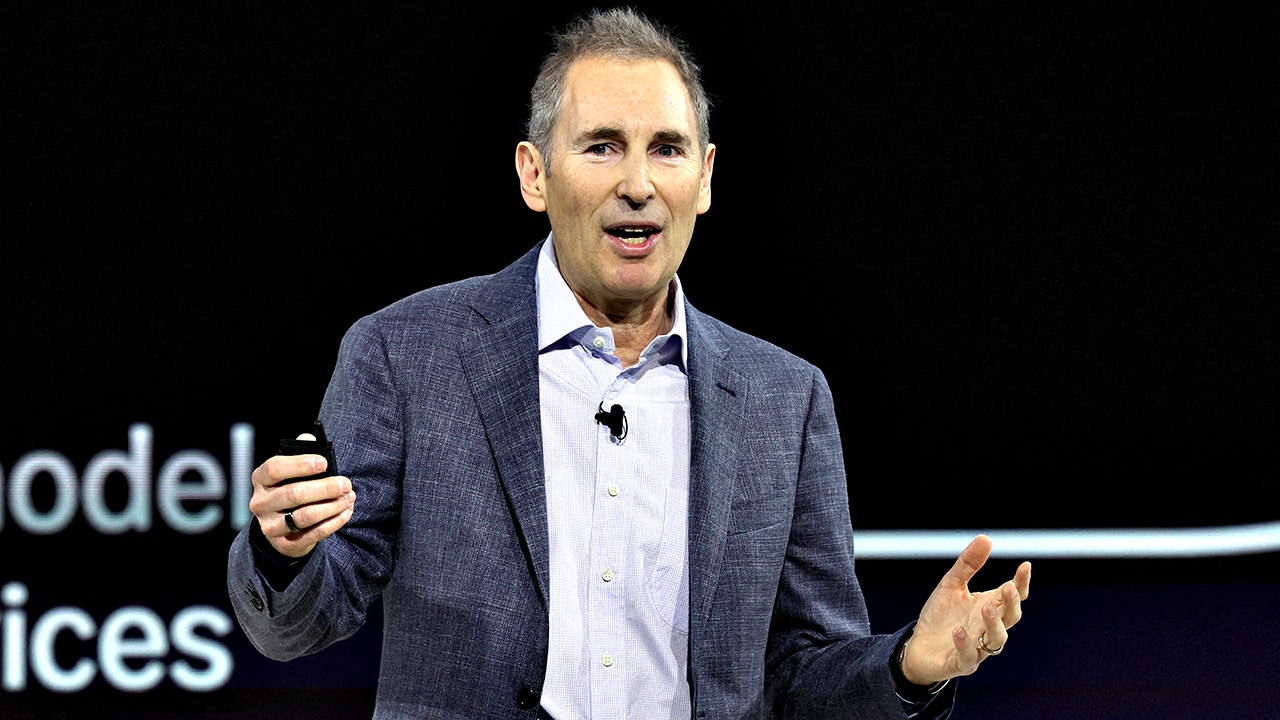
Amazon CEO Andy Jassy and Delta Airlines CEO Ed Bastian discuss consumer sentiment, Amazon’s chip manufacturing efforts and more on ‘The Claman Countdown.’
Amazon is signaling a major shift in how it plans to serve customers, starting with rewriting parts of its own playbook.
CEO Andy Jassy released his annual letter to shareholders on Thursday, writing that the tech giant is not content to simply add artificial intelligence features to its existing retail business. Instead, Jassy said Amazon is preparing to rebuild the customer shopping experience from the ground up, even if it means disrupting products and systems that already work at massive scale.
“The temptation is to just add a little AI to the existing experience,” Jassy wrote, adding that the “trick” leaders must learn is “reimagining your experiences from a clean sheet of paper.”
“When you have a product that’s working at scale, one of the hardest decisions to make is to go back to the starting line,” Jassy wrote.
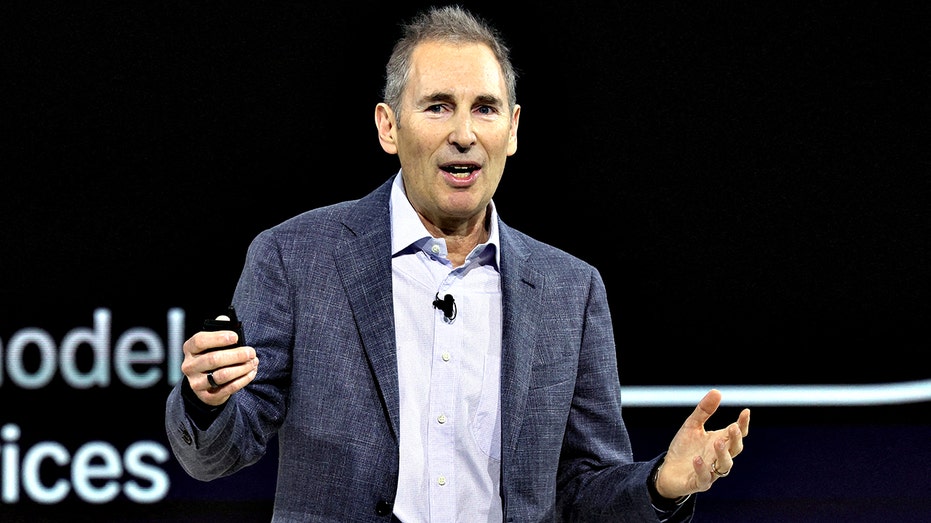
Amazon CEO Andy Jassy speaks during an Amazon Devices launch event in New York City on Feb. 26, 2025. (Brendan McDermid/File Photo / Reuters Photos)
Jassy suggested that “the interface with which customers want to interact with a retailer could be substantially different over time.”
The CEO acknowledged that rebuilding systems at scale can feel like “going backwards,” especially when those systems are already widely used.

In this photo illustration, the Amazon logo is displayed on a smartphone screen. (Jaque Silva/SOPA Images/LightRocket via Getty Images)
AMAZON HEALTH BRINGS A DOCTOR TO YOUR POCKET
But he argued that standing still in a moment of rapid technological change is riskier.
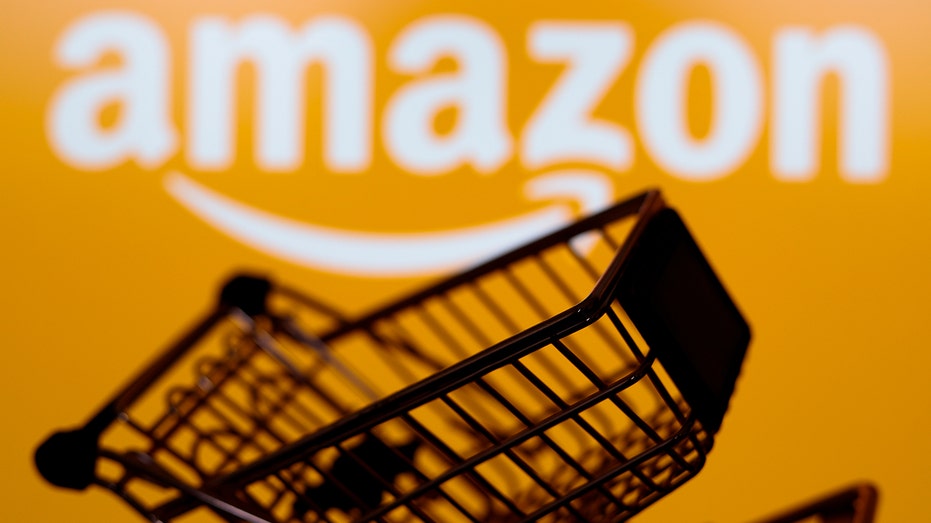
In this photo illustration, a shopping cart is seen in front of the Amazon logo. (Jaque Silva/SOPA Images/LightRocket via Getty Images)
“AI is not a standalone initiative—it’s a multiplier,” Jassy wrote. “It will reshape every customer experience we offer and unlock entirely new ones.”
| Ticker | Security | Last | Change | Change % |
|---|---|---|---|---|
| AMZN | AMAZON COM INC | 233.65 | +12.40 | +5.60% |
CLICK HERE TO DOWNLOAD THE FOX NEWS APP
Jassy concluded his letter sharing his optimism for what lay ahead for the tech giant, underscoring Amazon’s strong finish to 2025, which saw revenue grow 12% year-over-year from $638 billion to $717 billion.
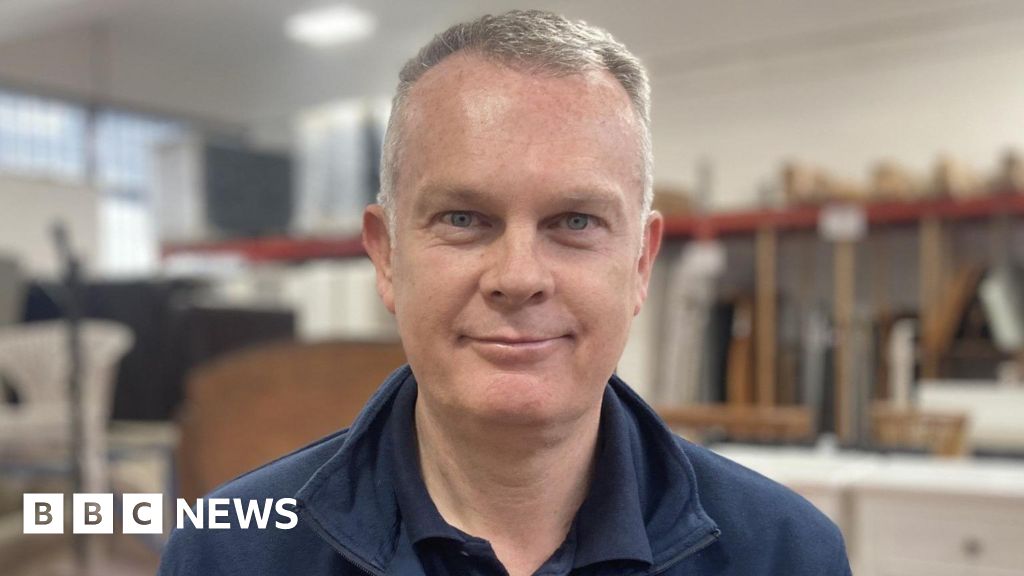
The Harrogate-based charity warns donations of furniture are falling while demand continues to grow.

Somerset councillor Heather Shearer said: “One thing the Crisis Resilience Fund wants us to do is not just support people in crisis, it also wants us to work in our community, give more strength and support for the organisations who already support our families.”
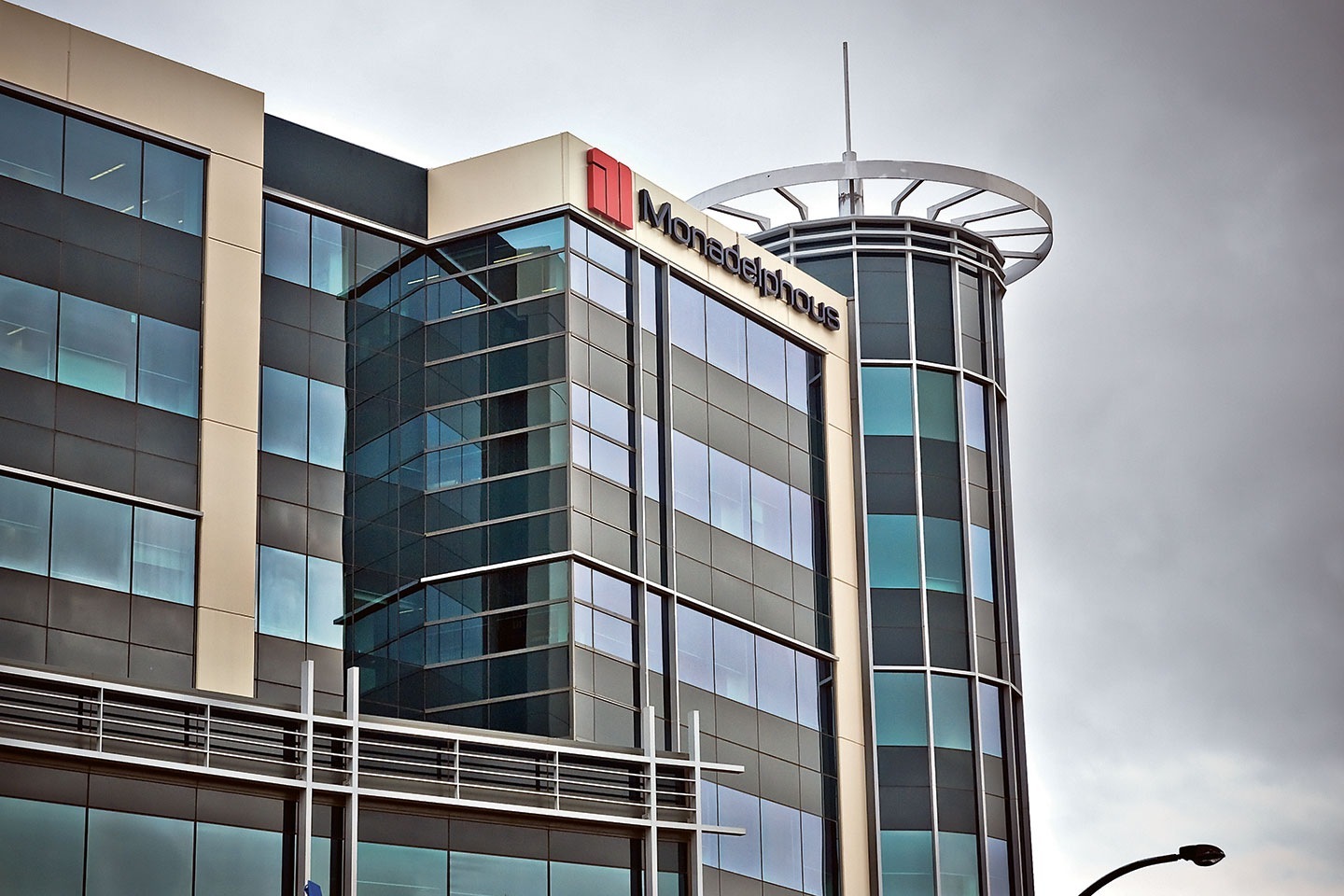
Monadelphous has secured a suite of construction and maintenance contracts worth a total $145 million, including work at Rio Tinto’s Paraburdoo iron ore mine in the Pilbara.

Klaus Vedfelt/DigitalVision via Getty Images

By Christopher Gannatti, CFA & Samuel Rines
Currency is often treated as a background variable that can be hedged away, neutralized, or simply ignored. But in the current environment, that framing could overlook potentially compelling investment opportunities. When we

TSMC’s Q1 revenue jumps 35% y/y, beats market forecast

OPINION: This second in a two-part series looks at how to minimise AI hallucinations.

Finance Manager Roles and Responsibilities – Role of a Financial Manager
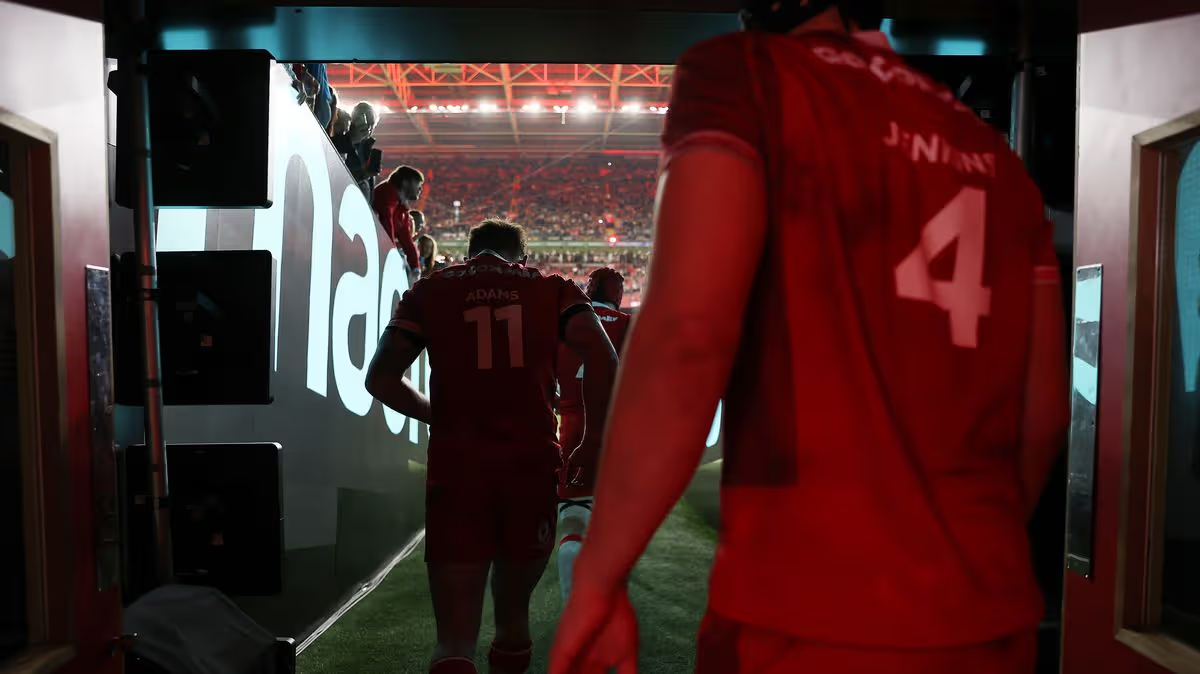
Wales star agrees deal and WRU eye place in English top flight
Piper Sandler initiates Definium stock with Overweight rating


-

 Fashion7 days ago
Weekend Open Thread: Spanx – Corporette.com
-

 Business4 days ago
Three Gulf funds agree to back Paramount’s $81 billion takeover of Warner, WSJ reports
-

 Sports5 days ago
India men’s 4x400m and mixed 4x100m relay teams register big progress | Other Sports News
-

 Business6 days ago
Expert Picks for Every Need
-

 Tech2 days ago
How Long Can You Drive With Expired Registration? What Florida Law Says
-

 Business5 days ago
No Jackpot Winner, Prize to Climb to $231 Million
-

 Fashion4 days ago
Massimo Dutti Offers Inspiration for Your Summer Mood Board
-

 Fashion3 days ago
Let’s Discuss: DEI in 2026
-
Politics7 days ago
Wings Over Scotland | The quality of mercy
-

 Crypto World2 days ago
Bitcoin recovers as US and Iran Agree a Ceasefire Deal
-

 Business5 days ago
Akebia Therapeutics, Inc. (AKBA) Discusses Pipeline Progress and Strategic Focus on Kidney Disease Treatments at R&D Day – Slideshow
-

 Crypto World18 hours ago
Canary Capital Files SEC Registration for PEPE ETF
-
 Business7 days ago
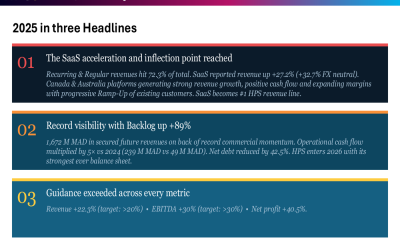
HPS FY 2025 slides: SaaS inflection drives 22% revenue growth
-

 Fashion7 days ago
Frugal Friday’s Workwear Report: Hammered Metallic Button Sweater Vest
-

 Politics6 days ago
The UK should not pay a penny in slavery reparations
-

 Tech4 days ago
Haier is betting big that your next TV purchase will be one of these
-

 Fashion7 days ago
Tory Burch’s Spring 2026 Campaign Goes on a Getaway
-

 Fashion7 days ago
Weekly News Update, 4.3.26 – Corporette.com
-

 Tech4 days ago
Samsung just gave up on its own Messages app
-
 NewsBeat7 days ago
Rory McIlroy hopes to emulate greats as he aims to make more history
You must be logged in to post a comment Login