
Business
What an XRF Machine Can Do for Your Business

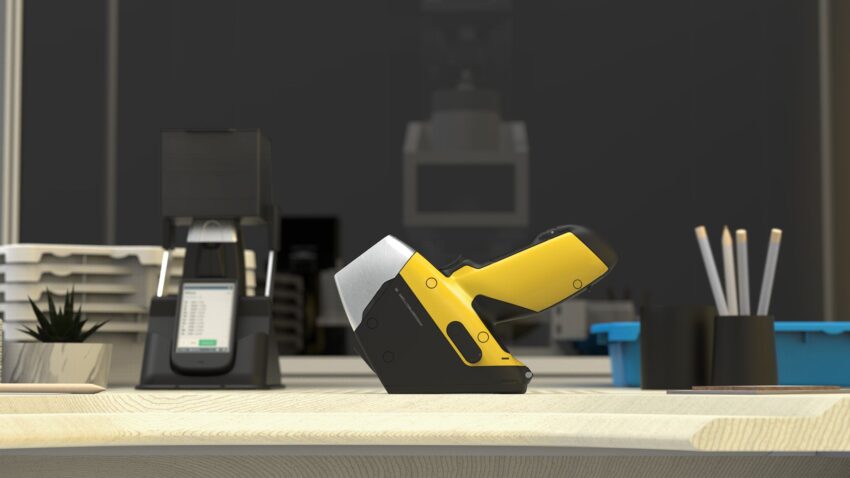
That’s the everyday value of modern X-ray fluorescence: an XRF machine that turns guesswork into facts so managers can accept, reject, or reroute materials on the spot.
How XRF works
The instrument shines X-rays at the surface, and the elements inside “answer” with tiny fluorescent signals that are unique to each element. The XRF analyzer reads those signals and reports the elemental makeup just in seconds. Because the method is non-destructive, the sample remains exactly as it was. For most metals, minerals, ceramics, glass, solders and many coatings, that’s fast, practical chemistry where work happens.
Why this matters to a P&L
When an XRF machine gives a defensible result in a few seconds, material decisions move forward immediately, lines keep moving, rework is avoided, and documentation is automatic. That’s why XRF has moved from the lab to the centre of daily decisions across metals manufacturing, jewellery trading, coatings/compliance, minerals and building materials.
Where XRF pays back quickly
On shop floors and at goods-in, XRF supports positive material identification (PMI) before welding or assembly and verifies alloy grades at receiving—fast, non-destructively, and with a saved read-out for audit trails. In jewellery and precious-metals businesses, it confirms fineness (Au, Pt, Pd, Rh, Ag) without acids or material loss, speeding high-value transactions and reducing disputes. For environmental and construction projects, recognised methods (US EPA Method 6200; ISO 13196) enable screening-level soil checks that guide sampling and save lab spend. For RoHS/WEEE supplier oversight, XRF is used for screening against IEC 62321 action levels.
Limitations
XRF is superb for rapid, multi-element checks across metals, minerals, ceramics, glass, solders and many coatings. It does have limits with very light elements (notably carbon), so if a decision hinges on carbon only, pair XRF with another technique (e.g., OES) for those specific cases.
Two practical form-factors that complement each other
Handheld (“XRF gun”) units deliver on-the-spot results in seconds where time is critical—receiving bays, production cells, fieldwork. Benchtop XRF analyzers sit in the office or lab to run high-confidence checks, fixtures/cups for powders and small parts, and report-ready certificates. Most companies use both: the handheld for pace and triage; the bench system for documentation and deeper dives.
Elvatech tools that make adoption straightforward
ProSpector 3 (handheld). Built for real-world operations, ProSpector 3 provides clear on-screen chemistry in seconds with minimal prep and supports calibrated modes for alloys, geology/minerals, building materials and precious metals—so one device can serve several teams and workflows. Typical wins: fewer mix-ups before welding/assembly, same-day clearance at receiving, faster pricing in trade.
Jewelry Lab (benchtop). For retail, refining and authentication, Jewelry Lab measures composition and fineness of gold and platinum-group metals without acids or material loss, generates report-ready results in seconds, and creates an audit trail that speeds high-value decisions and reduces disputes.
Bottom line for owners
Quality decisions made in seconds—rather than days—keep operations moving, cut rework, and shorten the order-to-cash cycle. That’s the business case for bringing XRF out of the lab and into daily management: modern XRF analyzers give you fast, defensible answers, right where those answers affect revenue.



