
Business
What Happens to Democracy When Voters Stop Feeling Represented?

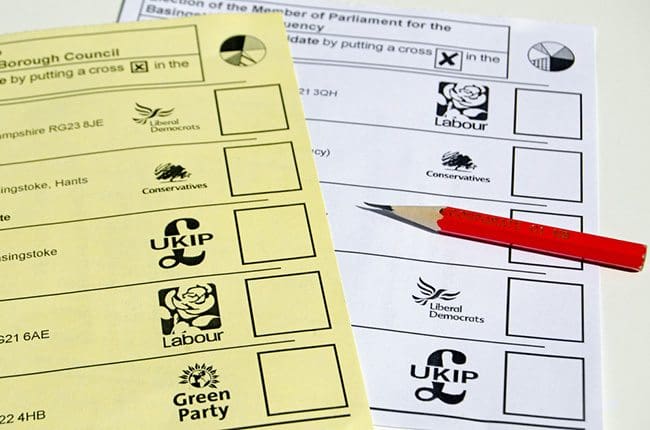
Think about the last time you walked into a voting booth. Did you actually feel like you were choosing someone you wanted, or were you picking the person you disliked least?
There’s a massive difference between those two feelings, and that difference is precisely why so many people in the UK feel like their votes don’t really count. The answer to this problem is the veto option, which could change how we vote.
Right now, across the country, voters are frustrated. They’re frustrated because the system doesn’t ask for their real consent. It just assumes that whoever gets the most votes has the right to represent everyone, even if those votes came from barely a quarter of the total electorate.
The good news? There’s a path forward, and it starts with understanding how we can give voters actual power.
How Does the Veto Option Change the Way Elections Work?
When voters can formally reject the entire election, politicians stop taking their consent for granted and start working to earn it. The way things work now, you’re forced into a corner. Either you vote for someone you believe in and watch them lose, or you vote strategically for whoever you think can beat the candidate you most dislike.
The veto option flips this. If a majority in your constituency chooses to veto, the election gets rerun. That’s not because veto itself won in an absurd way. It’s because when more than 50% of your community votes to veto, it means every single candidate failed to convince the majority they deserve the job. When that happens, someone has to go back to the drawing board. Candidates adjust their platforms. They listen to what voters actually care about. They come back and try again.
Breaking Down the Current Voting Problem
Take Blaenau Gwent and Rhymney, a safe Labour seat. The Labour MP won with 53.6% of the vote, which sounds reasonable until you remember the turnout was only 42.7%. That means Labour received support from just 23% of the electorate. Meanwhile, 57% of people simply didn’t vote. No one really knows why 57% stayed home. Perhaps they thought no one was worth voting for. Maybe they felt like their vote wouldn’t matter anyway. The system never actually asks them. It just counts them as not interested.
People stop showing up because they feel ignored. And the whole thing becomes self-reinforcing. The veto option breaks that cycle because suddenly, even in a safe seat, politicians have to worry about whether enough people might veto them to force a rerun.
The current system creates these problems:
- Low turnout in safe constituencies because people feel powerless.
- Politicians are taking some voters completely for granted year after year.
- Tactical voting skews election results away from what people actually want.
How the Veto Option Creates Real Representation
When a constituency can choose to reject everyone on the ballot, everything changes. Politicians can no longer assume they have a set of guaranteed voters they can ignore. The veto option forces them to think differently about whom they represent and what those people actually need.
Between elections, even when a veto doesn’t reach that 50%, politicians still pay attention. If veto gets bigger than the gap between first and second place, it becomes a threat that matters. They have to earn more support or risk a rerun next time.
The mechanism creates several key shifts:
- Politicians must actually earn voter consent, not just assume it.
- Constituencies become competitive again, even if they’ve been safe for decades.
- Voter dissatisfaction becomes measurable data that politicians can’t ignore.
- Negative campaigning backfires because it pushes more people toward a veto.
Why This Matters for Your Vote in UK Elections
This isn’t just political theory. This is about your actual power as a voter. Right now, you show up, pick from the available options, and hope for the best. The veto option flips that around completely.
When you can formally reject all the choices, you’re not just expressing frustration. You’re sending a real message that counts toward actual outcomes. If enough people agree with you, the election will be rerun. That’s power. That’s your consent mattering.
The veto option matters because it:
- Stops forcing you to vote against someone instead of for someone
- Makes your vote matter more, even in safe constituencies
- Measures genuine voter satisfaction, not just turnout
- Pushes politicians to address the issues that matter most to you
Why 10,000+ UK Voters Are Signing for Electoral Change?
You have probably noticed something if you have been paying attention to politics over the past few years. Trust in political parties has been dropping. People don’t feel like politicians are listening. They don’t think that elections give them a real choice. The veto option is the most straightforward way to change that.
Right now, 1,100+ people have already signed the petition asking Parliament to introduce the veto option for UK elections. That’s real momentum. Those are real people from across the country who have looked at how elections currently work and decided it’s not good enough.
Why does this matter? Because Parliament pays attention when thousands of people put their names behind something. When a petition reaches 10,000 signatures, it gets considered for formal debate. That’s your voice becoming impossible to ignore. Every signature moves us closer to a moment when elected representatives must engage with why people feel unrepresented. Every person who signs is saying out loud that the current system isn’t working for them.
What happens when you sign the petition:
- Your support gets counted toward the 10,000 threshold that triggers Parliament consideration
- You join a community of voters demanding real democratic change across the UK
- You signal to elected representatives that people want a system based on genuine consent, not just turnout
Final Thoughts
When you walk into a voting booth, you deserve to feel like you are actually being asked for your consent. Right now, you’re not. The system assumes that however many votes come in from whoever shows up is sufficient. But it’s not. The veto option is the answer to that problem. It’s simple. It’s fair. It’s based on the idea that real democracy requires actual consent from the majority, not just the majority of votes cast. We need to demonstrate that voters across the UK are serious about wanting their consent to matter.
Ready to join the movement? Visit the Veto Campaign petition and add your voice to thousands of people demanding real electoral change. Your consent should matter. Make it count.



