Bobby Acri is a cybersecurity analyst based in Winnetka, Illinois, who focuses on threat detection, incident response, risk mitigation, and secure systems design.
His work centres on protecting large, complex systems in environments where small weaknesses can create outsized risk.
Born on 17 May 1991 at Evanston Hospital, Bobby grew up on Chicago’s North Shore. He attended Hubbard Woods Elementary, Washburne Middle School, and New Trier Township High School. Early on, he gravitated towards how systems behave under pressure, not just how they look when everything is running smoothly. He built that mindset through computer science coursework, networking classes, and hands-on tech support for school events.
Bobby earned a B.S. in Computer Science from the University of Illinois Chicago in 2013, with a practical focus on operating systems, networking, and applied cryptography-type work. A 2012 internship with NorthShore University HealthSystem gave him early exposure to enterprise controls in a healthcare setting, where access and process matter.
He began his career in enterprise IT at CDW, then moved into systems administration at Aon, working closely with identity and endpoint workflows. In 2018, he transitioned into security operations at CME Group as a SOC analyst, investigating SIEM alerts, triaging phishing reports, and producing clean incident timelines. Since 2021, he has worked at United Airlines as a cybersecurity analyst, partnering across teams to improve detections, reduce alert fatigue, and strengthen controls before incidents escalate. Known for calm, methodical execution and strong documentation, Bobby leads through clarity, repeatable processes, and continuous improvement.
Advertisement
Where did your interest in cybersecurity begin?
It started with problem solving and systems thinking. Even early on, I cared less about surface level functionality and more about what happens when something breaks or gets stressed. That way of thinking stayed with me through school and into work.
How did your education shape your approach?
I studied Computer Science at the University of Illinois Chicago and finished in 2013. I focused on practical, systems-oriented classes like operating systems and networking, plus applied cryptography-type work. That foundation still shows up in how I investigate issues. I want to understand what the system is doing, not just what a tool says.
What did you learn from your first real enterprise experience?
In 2012, I interned with NorthShore University HealthSystem in IT support. I worked ticket queues, device imaging, and account and password issues. It was also my first close look at a setting where policy and access controls are taken seriously. You learn quickly that process is not optional when sensitive systems are involved.
How did your early career roles prepare you for security work?
I started at CDW as a service desk analyst supporting business clients. The work taught me how enterprise environments fail in everyday ways, and how users experience risk. I also built a habit of writing things down. If a fix works once, it should be repeatable. From 2015 to 2018 at Aon, I worked in systems administration with identity and endpoint support. That role put me close to account provisioning, group policy, patch coordination, and security-adjacent issues like phishing and compromised accounts. It was a clear view of how security, compliance, and business urgency collide.
Advertisement
What changed when you moved into a SOC role at CME Group?
The pace and the signal-to-noise problem got real. From 2018 to 2021, I monitored SIEM alerts, investigated endpoint and network anomalies, and triaged phishing reports. A big part of the job is working out what is just noisy and what is actually dangerous. I focused on clean timelines and clear incident notes. If the timeline is messy, the response is messy. I also started writing runbooks and checklists that other analysts used. That helped the team move faster and more consistently.
What does your role at United Airlines look like today?
Since 2021, I have worked as a cybersecurity analyst focused on threat detection and incident response. I investigate anomalies and support response work, but I also spend time on improvements that prevent repeat issues. That includes partnering with IT and engineering on hardening controls and reducing alert fatigue. If you do not address fatigue, you miss real problems because everything starts to look the same.
How would you describe your working style?
Methodical. Calm under pressure. I use precise language and I separate confirmed findings from suspected ones. I document as I go. I treat near misses as valuable because they show you where the gaps are, without the cost of a full incident.
What do you pay attention to as the field keeps changing?
Evolving attack vectors, cloud security trends, and the regulatory frameworks that shape large enterprises. Cybersecurity demands constant education. I do not treat learning as a side project. It is part of the job.
Advertisement
What keeps you grounded outside of work?
Endurance running along Lake Michigan, strategy board games, and reading history and behavioural science. Those interests connect back to the work in a quiet way. They reinforce patience, pattern recognition, and an understanding of the human side of risk.
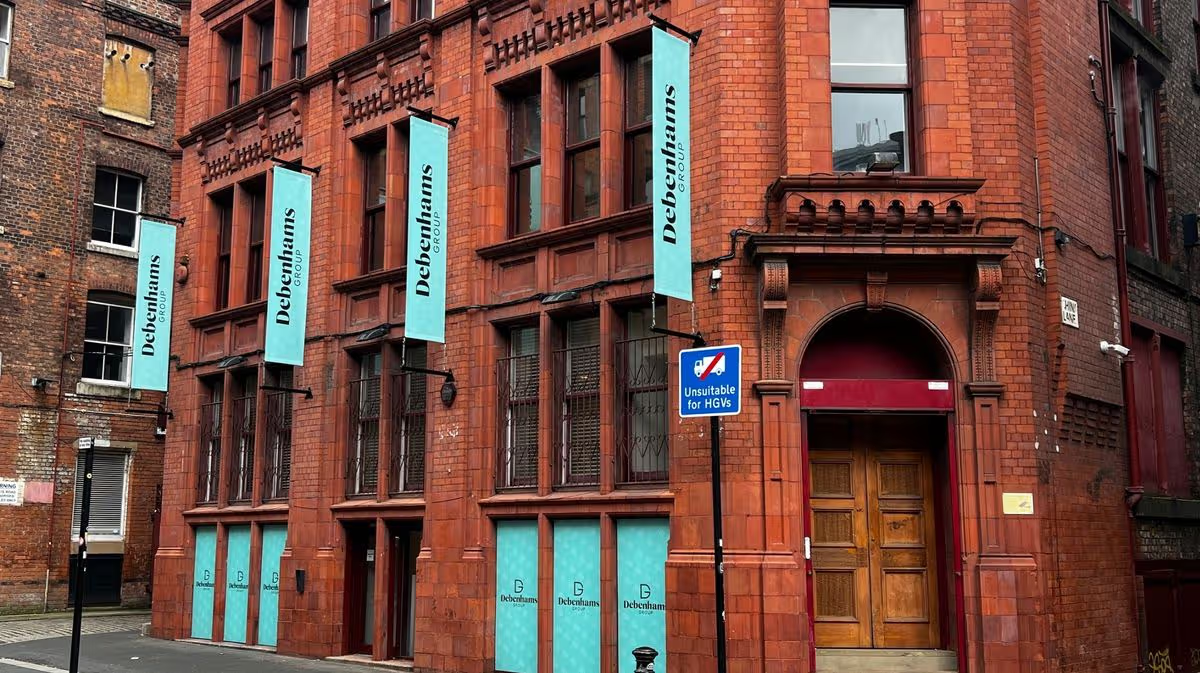
Debenhams signs at the group’s Dale Street base in Manchester city centre (Image: Reach)
Boohoo owner Debenhams Group says it expects earnings to be “comfortably ahead” of previous guidance and hailed “significant progress” in its turnaround plan.
The Manchester-based group said it now expected to deliver adjusted EBITDA for 2026 of £53m, up on the £50m it first predicted in January, and up 36% on 2025. It said that was driven by 76% increase in adjusted EBITDA for the second half of the year as it continues its turnaround plan led by CEO Dan Finley.
Advertisement
In a statement this morning, the board said it had raised its guidance for the next financial year and expected “double-digit” EBITDA growth in 2027.
Dan Finley, Group CEO, said: “Our multi-year turnaround strategy continues at pace. We are pleased with the 76% increase in H2 Adjusted EBITDA and £53m full year Adjusted EBITDA. Our pivot to the stock-lite, capital-lite, highly profitable marketplace is working.
“The cost base has been reset, the warehouse consolidation completed, the tech re-platform delivered, the stock base rightsized, most of the onerous costs exited and the brand management teams strengthened. This is significant progress, ahead of our plan, but there is still more to be delivered and we now focus on growth.”
The group said all of its brands, which include PrettyLittleThing, Boohoo and Debenhams, “continue to trade profitably on an Adjusted EBITDA basis.”
Advertisement
In this morning’s statement, the board said it was focused on reducing debt and its interest costs. Following a February fundraise of £40m, net debt by the end of February stood at £90m.
The group also said it expected cash flow to improve thanks to “materially lower exceptional costs” including the completion of its warehouse consolidation completed, the launch of a new tech re-platform and improvements to its stock base.
It said: “In FY26 cash lease costs were £18m which includes the costs of leased property that is now vacant. The Board now anticipates that lease costs in FY27 will reduce to c.£13m. In addition, when the Group’s vacant US property lease is exited, lease costs are estimated to fall further to c.£6m.
“These remaining lease costs will predominantly relate to the Group’s Manchester head office, the fully automated warehouse in Sheffield and a small London footprint. The expected reductions in lease costs will have a positive impact on cash flow. “
Advertisement
Capital expenditure costs fell in the year from £28m to around £16m, and are set to fall to around £8m next year.
In a note this morning, broker Panmure Liberum said: “The transformation work done has been huge and the noise (and costs) associated with these is now all but over. Looking ahead, we see leverage off a £100m cost base (2/3 lower), a capex and w/cap light model driving higher earnings and FCF. Some may say it is too early to call, but all the signals and green shoots of the new business model are now visible.”
The openings follow the announcement of three new eateries at the shopping centre
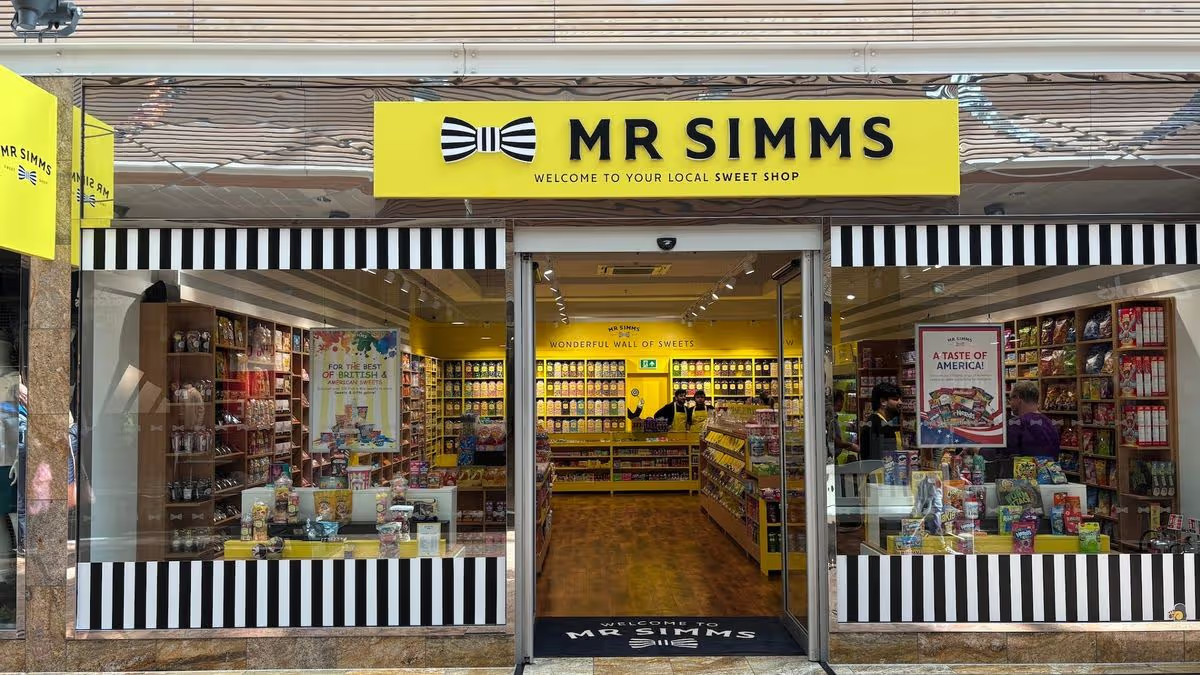
Mr Simms sweet shop has opened at Gloucester Quays(Image: Handout)
A retro sweet shop and an eyewear brand are the latest stores to open at Gloucester Quays shopping centre. Confectioner Mr Simms has taken a central 2,117 sq ft unit – it’s third branch in the South West – while Brand Eyewear has opened 505 sq ft store.
Mr Simms, which was founded in 2004 in Leek, sells traditional and contemporary sweets, and has around 60 branches around the UK.
Brand Eyewear, meanwhile, sells a range of designs from brands such as Ray-Ban, Oakley, Ralph Lauren, Georgio Armani, and DKNY. It also offers a ‘lens bar’ for shoppers to test lens colour, reflection coating and frame materials.
Paul Carter, asset director at Peel Retail & Leisure, said: “The openings of Mr Simms Sweet Shop and Brand Eyewear signal the broad offer Gloucester Quays has become known for.
Advertisement
“Being a crossover outlet means catering to every want and need, and every visit purpose. These additions highlight our commitment to delivering that, securing exciting retail, elevating the experiences of our guests, and creating that full day-out environment alongside the huge variety of F&B and leisure.”
Brand Eyewear at Gloucester Quays(Image: Handout)
Renee Broughton Johnson, founder of Brand Eyewear, added: “Opening my first store at Gloucester Quays was a milestone moment for Brand Eyewear. Location is vitally important when debuting new concepts, and I knew on first viewing that Gloucester Quays was a prime destination to showcase Brand Eyewear’s excellent customer service and good value products, with its quality retail offerings. We already feel at home here in Gloucester’s leading outlet destination.”
The openings follow the announcement of three new eateries for Gloucester Quays this year: Banchina Italian; French fusion restaurant Muse Brasserie; and COSMO Restaurant Group’s Umami, which will open this summer.
It also comes after the opening of Clip ‘n Climb – a family-friendly climbing attraction – at the shopping centre in February. Located on the upper deck, the venue features 19 climbing walls alongside challenges such as the colourful ‘Tree Trunk’, designed to simulate climbing a real tree, and the ‘Speed Climb’ for competitive climbers.
Advertisement
The venue also includes Play Den, a four-level soft play area for younger visitors, alongside the on-site South Ridge Café.
Last year, Gloucester Quays welcomed a plethora of new brands including Søstrene Grene, Ben Sherman, Label Yard, and Men Kind.
Singapore has established itself as one of Asia’s leading green finance hubs, drawing attention from corporations and policymakers. At its core, green finance channels investment towards projects designed to deliver measurable environmental benefits. This includes products, services, and investments aimed at supporting renewable energy, energy efficiency, and other sustainability initiatives.
Over the past decade, the green finance Singapore market has grown significantly, attracting both regional and international investors and positioning the country as a regional hub for sustainable investment. The growth of this ecosystem reflects how investors and companies are increasingly integrating sustainability into their financial strategies.
To fully understand what’s driving Singapore’s momentum in green finance, let’s examine the factors behind it:
Advertisement
1) Continuous Government Support
Singapore’s government provides a strong foundation for green finance growth. The government recognises that supportive policies and clear regulatory frameworks are crucial to attracting both domestic and international investors. The Monetary Authority of Singapore (MAS), in particular, has taken the lead in promoting sustainable finance through initiatives such as the Green Finance Action Plan, which sets out strategies to expand the green finance market, manage risks, and encourage cross-border collaboration.
Alongside policy guidance, practical incentives play a significant role in fostering market participation. Grants and technical assistance support the issuance of green bonds, while tax reliefs encourage companies to pursue environmentally sustainable projects. MAS also emphasises transparency and standardised reporting, ensuring that investors can confidently assess the environmental impact of their investments. These measures collectively create a regulatory environment that fosters trust and reinforces Singapore’s reputation as a credible hub for green finance.
2) Growing Market Demand
Investor and corporate demand significantly contributes to Singapore’s green finance momentum. Globally, institutional investors, asset managers, and pension funds increasingly integrate Environmental, Social, and Governance (ESG) considerations into their investment strategies. At the same time, companies recognise that accessing sustainable financing supports environmental goals and enhances credibility with stakeholders and investors.
3) Availability of Green Finance Instruments
Singapore offers a wide range of green finance instruments that enable businesses to fund sustainable initiatives. Green loans, green bonds, and sustainability-linked loans provide companies with the capital required to implement projects such as solar energy installations, energy-efficient building upgrades, and sustainable water management systems.
Advertisement
Recent examples highlight Singapore’s capacity to mobilise significant capital for environmental projects. Its inaugural sovereign green bond issuance attracted strong interest from international investors, signalling confidence in its green finance market. Alongside these bonds, sustainability-linked loans, which adjust interest rates based on ESG performance, incentivise companies to meet specific sustainability targets, aligning financial returns with environmental impact.
In addition, structured products, carbon credit financing, and blended finance mechanisms all expand the funding options further. These allow businesses to structure investments that meet both financial and environmental objectives.
4) Advancing Green Finance Through Innovation
Innovation also drives Singapore’s competitive edge in green finance. Advanced financial technology platforms enable ESG reporting, compliance monitoring, and real-time tracking of environmental impact, making green investments more transparent and accessible. Companies and investors can now measure carbon reductions, demonstrate sustainability outcomes, and provide detailed reporting to stakeholders, thus fostering confidence in the market.
Singapore has also pioneered novel financial instruments, including digital green bonds and sustainability-linked derivatives, which lower barriers for smaller businesses and allow scalable financing solutions for larger corporates pursuing ESG goals. Collaborative platforms also bring together banks, investors, and regulators, thereby streamlining workflows and improving efficiency in sustainable finance operations.
Advertisement
5) Reliance on the Local Skilled Workforce
A highly skilled workforce and a growing pool of sustainability experts support Singapore’s rise as a green finance hub. Financial institutions and consulting firms increasingly rely on professionals trained in ESG standards, climate risk assessment, and sustainable investment strategies. These experts help ensure that green finance initiatives are both credible and effective, giving investors confidence in the quality and impact of projects.
The Lion City has also invested in education and professional development to build expertise in sustainable finance. Universities and training institutes offer specialised programmes in ESG investing, green bonds, and climate finance, while professional certifications equip practitioners with internationally recognised skills.
6) Leveraging Global Reputation and Strategic Location
Singapore’s international reputation strengthens its appeal as a green finance hub. It’s recognised for financial stability and strong governance, all of which inspire confidence among global investors. Its strategic location in Southeast Asia also allows it to act as a gateway for cross-border green investments by connecting international capital with regional sustainability projects.
Advertisement
Moreover, partnerships with multilateral development banks, regional financial bodies, and international organisations, such as the United Nations Environment Programme Finance Initiative (UNEP FI), reinforce Singapore’s credibility. These collaborations promote the adoption of standardised green finance practices and facilitate the flow of capital to projects with measurable environmental impact.
Shaping the Future of Green Finance
Singapore continues to strengthen its position as a regional leader in sustainable finance through proactive policies, innovative financial instruments, and a skilled workforce. It attracts investors seeking credible and impactful opportunities, while companies gain access to diverse financing solutions that support their environmental goals. Technological advancements and collaborative platforms further enhance efficiency and transparency across the green finance ecosystem. With these factors in place, Singapore has successfully set a benchmark for how financial hubs can integrate sustainability into core business practices and push for responsible investment in the region and beyond.
Business News Philippines was launched in October 2015 as a portal for readers to learn more about operating a business in the Philippines.
A lawyer by training, a regulator by temperament, and an investor for the fun of it. I have been an options trader for 12 years now, since I was an engineering undergrad. My trading drew my towards law – I was particularly fascinated by hard assets such as land and commodities, and the role regulations play in shaping such assets. I briefly worked as a transaction lawyer with a law firm in Mumbai, where I advised on investments by PE funds (Prosus, Gladebrook) and SWFs (mainly Singapore). I am now in the middle of a move to academia, with some time on my hands to explore and write on the markets. I am fascinated by the intersection of law, economics and the markets. I actively look for convexity and asymmetric bets, and regulatory alpha. My sectoral interests are in metals, power, infrastructure and real estate. My main research interest is macro-economic policy and its effect on financial flows.
Analyst’s Disclosure: I/we have no stock, option or similar derivative position in any of the companies mentioned, and no plans to initiate any such positions within the next 72 hours. I wrote this article myself, and it expresses my own opinions. I am not receiving compensation for it (other than from Seeking Alpha). I have no business relationship with any company whose stock is mentioned in this article.
Seeking Alpha’s Disclosure: Past performance is no guarantee of future results. No recommendation or advice is being given as to whether any investment is suitable for a particular investor. Any views or opinions expressed above may not reflect those of Seeking Alpha as a whole. Seeking Alpha is not a licensed securities dealer, broker or US investment adviser or investment bank. Our analysts are third party authors that include both professional investors and individual investors who may not be licensed or certified by any institute or regulatory body.
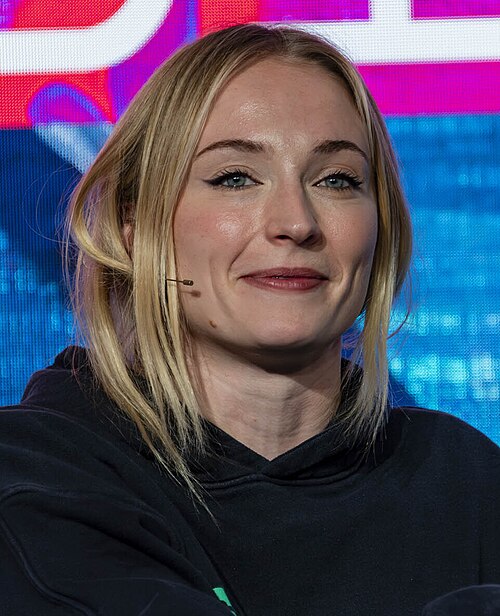
LONDON — Production on Amazon MGM Studios’ highly anticipated “Tomb Raider” live-action series has been temporarily halted after star Sophie Turner suffered a minor injury, the studio confirmed Monday.
Sophie Turner
Turner, who plays the iconic video game adventurer Lara Croft, “recently experienced a minor injury,” Amazon MGM Studios said in a statement. “As a precaution, production has briefly paused to allow her time to recover. We look forward to resuming production as soon as possible.”
Sources familiar with the production told outlets including Deadline and Entertainment Weekly that the shutdown is expected to last about two weeks, with crew members still being paid during the pause. It remains unclear whether the injury occurred on set or during training for the physically demanding role.
The series, developed by “Fleabag” creator Phoebe Waller-Bridge alongside co-showrunner Chad Hodge, began filming earlier in 2026 in the United Kingdom. First-look images released in January showed Turner in character as a fierce, athletic Lara Croft, complete with the character’s signature ponytail and determined expression.
Turner, 29, rose to fame as Sansa Stark in HBO’s “Game of Thrones” and has since built a diverse resume with roles in “X-Men” films, “Joan,” and other projects. Taking on Lara Croft represents one of her most physically intensive roles to date. In January interviews, she revealed that intense training — up to eight hours a day, five days a week — helped her discover a pre-existing back issue that she now manages.
Advertisement
The injury news comes as the series was generating significant buzz. Fans of the long-running “Tomb Raider” video game franchise, which has spawned multiple films starring Angelina Jolie in the early 2000s, have eagerly awaited a fresh television interpretation. Waller-Bridge’s involvement as writer and executive producer raised expectations for a smart, character-driven take on the globe-trotting archaeologist.
Amazon has not released details on the exact nature of Turner’s injury or its potential impact on the overall production schedule. Industry observers note that brief pauses for cast injuries are not uncommon in action-heavy projects, especially those involving stunts, chases and physical sequences central to the “Tomb Raider” universe.
A representative for Turner had no immediate comment beyond the studio’s statement. Sources indicated the pause is precautionary rather than indicative of a serious or long-term setback.
Advertisement
The “Tomb Raider” series is part of Amazon’s broader push into high-profile video game adaptations, joining projects based on popular titles in its growing Prime Video lineup. Budget reports have circulated suggesting a significant investment, with some estimates placing the project in the eight-figure range per episode, reflecting the scale of action sequences, international locations and visual effects expected.
Turner’s casting was announced in 2025 and generated immediate excitement. Many praised the choice of the British actress for bringing a younger, more grounded energy to Lara Croft compared with previous portrayals. Her preparation for the role included extensive physical training to handle the demands of running, climbing, combat and exploration scenes.
Waller-Bridge, known for her sharp writing and distinctive voice in “Fleabag” and “Killing Eve,” has kept plot details tightly under wraps. Early indications suggest the series will explore Lara’s origins as a young heiress turned adventurer while delivering the high-stakes action fans expect from the franchise.
The temporary halt affects not only the cast and core crew but also supporting actors, stunt performers and a large production team working across UK locations. Crew members have reportedly been informed that prep work and non-Turner-dependent scenes may continue in limited capacity during the pause.
Advertisement
Fans took to social media platforms including Instagram and X (formerly Twitter) to express concern for Turner while wishing her a speedy recovery. Many shared appreciation for the studio’s cautious approach to her health, noting the importance of safety on physically demanding sets.
This is not the first time a major production has paused for a lead actor’s injury. Similar brief shutdowns have occurred on other action franchises when stars required recovery time from strains, sprains or more significant setbacks. Studios typically prioritize performer well-being to avoid longer-term delays or complications.
Amazon MGM Studios has a strong track record of supporting its productions through challenges, recently navigating strikes and other disruptions in the entertainment industry. The company’s statement struck a positive tone, emphasizing a quick return to filming.
Details about the series’ expected release window have not been publicly updated following the pause. Initial speculation pointed toward a potential 2027 debut on Prime Video, though any extension of the current two-week shutdown could shift timelines slightly.
Advertisement
Turner’s personal life has also drawn public interest in recent years. She shares two children with ex-husband Joe Jonas, from whom she finalized a divorce in 2024. She has spoken openly about balancing motherhood with the demands of a high-profile acting career.
The “Tomb Raider” franchise holds significant cultural cachet. The original video games, created by Core Design and later Crystal Dynamics, revolutionized the action-adventure genre with a strong female protagonist. Jolie’s early-2000s films brought Lara Croft to mainstream cinema audiences, while later game reboots refreshed the character for new generations.
Industry analysts view the Amazon series as a key test for translating beloved gaming properties to prestige television. Success could pave the way for more ambitious game-to-screen adaptations, while any major setbacks might temper studio enthusiasm.
As production remains on pause, the focus stays on Turner’s recovery. Colleagues and fans alike have sent well-wishes across social platforms, with many expressing confidence that the resilient actress will return stronger.
Advertisement
Amazon has not commented on whether the injury will require script adjustments or reshoots once filming resumes. Production sources suggest the pause is short enough that any impact on the overall schedule should remain minimal.
The entertainment industry continues to emphasize safety protocols on action sets, including rigorous stunt rehearsals, medical support and gradual ramp-up of physical demands. Turner’s training regimen, which she described as revealing underlying back issues, highlights the real physical toll such roles can take even on young, fit performers.
For now, “Tomb Raider” fans must exercise patience. The brief interruption serves as a reminder that behind the glamorous first-look images and exciting casting announcements lies the complex, sometimes unpredictable reality of large-scale television production.
Amazon MGM Studios reiterated its commitment to the project and to Turner’s well-being, signaling confidence that filming will restart soon and the series will ultimately deliver the adventurous, high-quality entertainment audiences expect.
Nancy Guthrie, the 84-year-old mother of NBC’s “Today” show co-anchor Savannah Guthrie, remained missing Monday as the search entered its 58th day with authorities treating the case as an abduction from her Catalina Foothills home but offering few new breakthroughs despite thousands of tips and multiple ransom demands.
Savannah Guthrie & Nancy Guthrie
Guthrie was last seen on the evening of Jan. 31, 2026, when her daughter Annie and son-in-law dropped her off at her residence around 9:48 p.m. after dinner. She failed to appear the next morning for a virtual church service with friends, prompting a welfare check and her official report as missing on Feb. 1.
Pima County Sheriff Chris Nanos has repeatedly stated that investigators believe Guthrie was taken against her will in the early morning hours of Feb. 1. Evidence includes drops of her blood found on the front porch and security camera footage showing a masked individual approaching the home and appearing to tamper with the doorbell camera around 1:47 a.m. Additional images recovered from nearby cameras have shown suspicious activity in the days leading up to the disappearance.
A doorbell camera app disconnected at approximately 1:47 a.m., and software later detected movement — possibly a person or animal — about 25 minutes afterward. Her pacemaker app also lost connection around 2:28 a.m., adding to the timeline of concern.
The family has been fully cooperative and cleared as suspects, Nanos confirmed early in the investigation. Savannah Guthrie, her sister Annie and brother have made emotional public appeals, including videos pleading for information and offering a $1 million reward for details leading to their mother’s safe return. The FBI is offering an additional $100,000 reward.
Advertisement
Multiple ransom notes have surfaced, some sent to media outlets demanding large sums in Bitcoin or other cryptocurrencies in exchange for information or her return. Investigators have described the communications as cryptic and inconsistent with typical patterns, raising questions about their authenticity or the perpetrator’s motives. No proof of life has been provided, though the sheriff has expressed guarded hope that Guthrie could still be alive.
Forensic testing on gloves found near the home — one discovered about two miles away — has yielded mixed results. DNA from one glove did not match entries in the FBI’s CODIS database, and authorities later determined another glove belonged to a restaurant worker unrelated to the case. Other gloves recovered have undergone further testing, but results have been delayed due to mixed DNA profiles.
The case has drawn intense national attention because of Savannah Guthrie’s high-profile role on “Today.” The anchor has taken time away from the show to support her family in Tucson, though she recently visited the studio to thank colleagues and indicated plans to return to air. In a recent interview, she described the “chaos and disbelief” of receiving the call from her sister about their mother’s disappearance.
The affluent Catalina Foothills neighborhood, located roughly six miles northeast of Tucson, has been the focus of extensive searches involving ground teams, helicopters, cadaver dogs and neighborhood canvassing. The FBI has assisted local authorities, and the investigation has expanded to include analysis of digital evidence, vehicle movements and potential connections outside Arizona.
Advertisement
Forensic experts have noted the unusual aspects of the case: an elderly victim taken from her bed in a seemingly targeted manner, with limited signs of struggle beyond the blood evidence and camera tampering. Some analysts have speculated it could be an extortion plot rather than a random crime, given the ransom demands and the family’s visibility.
The Guthrie family has described Nancy as a devout, active woman who enjoyed church and family time despite some mobility limitations. Savannah has publicly noted that her mother rarely walked far on her own, raising questions among observers about how she could have left voluntarily.
As the search stretches into its second month, the Pima County Sheriff’s Office has scaled back some large-scale efforts but maintains a dedicated team of detectives. The investigation has shifted some operations toward Phoenix for broader coordination while keeping the Tucson home as a focal point. Authorities have urged anyone with surveillance footage from the night of Jan. 31 or early Feb. 1 to come forward.
The case has highlighted the broader challenges of missing persons investigations, particularly for elderly victims. Experts say thousands of people go missing annually in the U.S., but cases involving abduction of seniors from their homes are relatively rare and often complex due to limited physical evidence and the passage of time.
Advertisement
Savannah Guthrie and her siblings have continued to post updates and pleas on social media, emphasizing their mother’s kind nature and the family’s desperation for answers. Yellow ribbons, flowers and messages of support have appeared near the home, creating a makeshift memorial as the community rallies around the family.
No arrests have been made, and no suspect has been publicly identified. The sheriff has stressed that the investigation remains active and will continue until Nancy is found or all leads are exhausted.
The high visibility of the case has brought renewed attention to other missing persons families, with some advocates noting a “Nancy Guthrie effect” in generating tips for unrelated cases.
As of March 30, 2026, Nancy Guthrie’s whereabouts remain unknown. Tips can be submitted to the Pima County Sheriff’s Office or the FBI tip line at 1-800-CALL-FBI. The family continues to ask the public to remain vigilant and report any suspicious activity or information, no matter how small.
Advertisement
The disappearance has left a prominent media family and an entire community in anguish, with more questions than answers nearly two months later. Investigators and loved ones alike hold out hope for a resolution that brings Nancy Guthrie home safely.
His first collection is expected to be unveiled at London Fashion Week in September
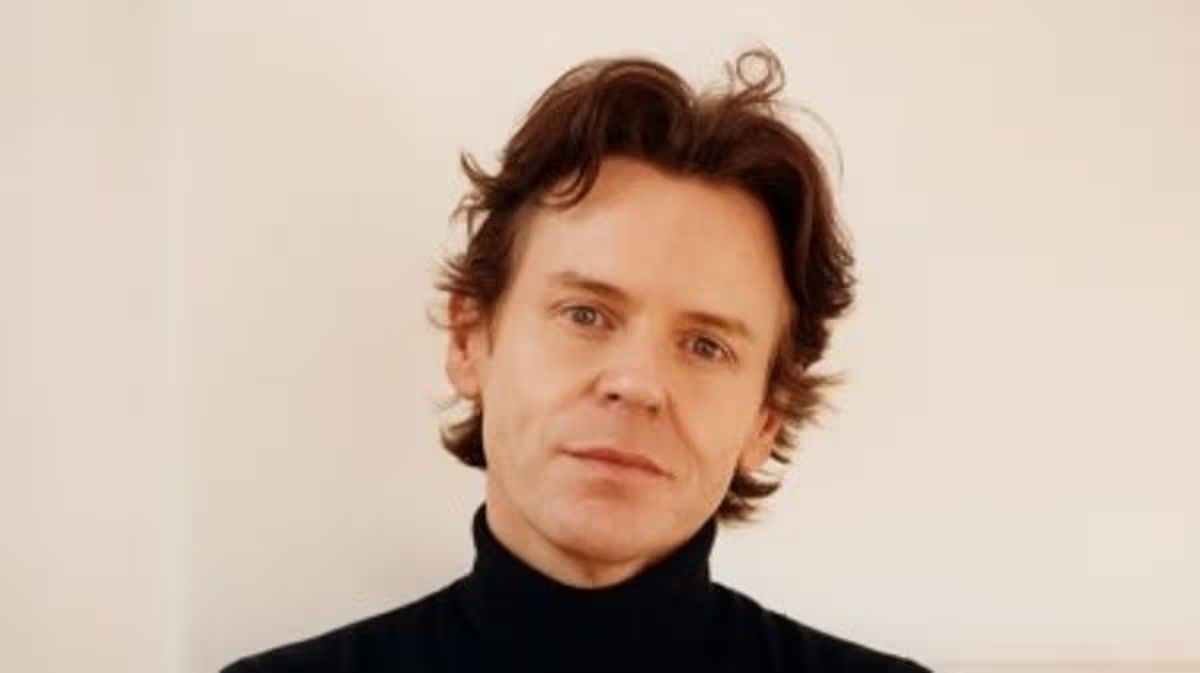
Christopher Kane is the new creative director of Mulberry(Image: Colin Dodgson)
Somerset-headquartered luxury handbag maker Mulberry has announced the appointment of a new creative director. Scottish designer Christopher Kane will be responsible for relaunching the Chilcompton-based brand’s women’s ready-to-wear collection, with the debut expected to take place at London Fashion Week in September.
The news of the 43-year-old Glaswegian’s appointment has been hailed by the fashion industry, with Vogue reporting that Kane’s absence since closing his business in 2023 was “almost criminal oversight of a major talent of his generation”.
Mulberry, meanwhile, has said the partnership marks “the next step” in its recovery strategy, which was launched last year in a bid to revive falling sales.
Kane, who has worked for Donatella Versace, is highly regarded in the fashion world and counts the likes of stars such as Rihanna and Michelle Obama among his fans. A graduate of Central Saint Martins, he is the winner of the Vogue Fashion Fund and four British Fashion Awards, including Womenswear Designer of the Year.
Advertisement
He founded his label – Christopher Kane – alongside his sister Tammy in 2006 and in 2013, French multinational Kering snapped up a 51 per cent stake in the label. Some five years later Kane acquired the business back, but was forced to shut it down amid the pandemic as the fashion sector came under immense pressure.
A return to London Fashion Week this year would be Mulberry’s first catwalk show for nearly a decade. Kane’s collection will be in stores and online from January 2027, according to the heritage brand.
“Welcoming Christopher marks an important moment for Mulberry as we open a new chapter for ready-to-wear,” said Andrea Baldo, chief executive of Mulberry. “Christopher brings a rare combination of creativity, intellectual rigour and instinctive playfulness, alongside a deep respect for craft and materials.
“His vision resonates strongly with Mulberry’s heritage and the spirit of British creativity that defines the house. Together we look forward to evolving Mulberry’s creative language beyond accessories and shaping a compelling future for ready-to-wear on a global stage.”
Advertisement
Kane said: “It is an honour to join Mulberry, a brand with such a rich British heritage and a deep commitment to craft. I look forward to working closely with Andrea and the team to create a new chapter of ready-to-wear that celebrates the spirit of Mulberry.”
In January, Mulberry posted robust sales figures for the Christmas trading period, suggesting its transformation plan is starting to bear fruit.
Starting a rice business in the Philippines is one of the most practical and sustainable entrepreneurial ventures. Rice is a staple food in Filipino households, ensuring steady demand regardless of economic conditions. Whether you plan to open a bigasan, rice trading business, wholesale supply, or premium rice brand, choosing the right business name is a crucial first step.
A strong business name helps you stand out in a competitive market, builds trust with customers, and makes your brand easier to remember. In this article, we share 10 unique rice business name ideas designed specifically for aspiring Filipino entrepreneurs—along with practical tips and a legal-safe disclaimer to guide you.
Why Your Rice Business Name Matters
Your business name is more than just a label—it represents your brand identity. In the rice industry, where many businesses sell similar products, a distinctive name can help you:
Advertisement
Differentiate from nearby competitors
Create a professional and trustworthy image
Attract both retail and wholesale buyers
Make your business easier to promote online and offline
A well-chosen name also gives you flexibility if you decide to expand into rice milling, packaging, delivery, or online selling in the future.
10 Unique Rice Business Name Ideas
1. Butilaya Rice Trading
Derived from the Filipino word butil (grain) and a creative suffix, this name sounds warm and trustworthy. It works well for neighborhood rice stores or regional traders who want a friendly, Filipino-inspired brand.
2. AniSagana Grains
“Ani” means harvest, while “sagana” implies abundance. This name sends a strong message of prosperity and consistent supply—ideal for wholesalers and bulk rice distributors.
3. Maharlika Butil Co.
This name evokes heritage and premium quality. It’s suitable for businesses offering high-grade rice, organic varieties, or branded rice products aimed at discerning customers.
4. Bigasera PH
Modern, catchy, and easy to remember, this name blends traditional rice culture with a contemporary feel. It’s perfect for online sellers, delivery-based rice businesses, or social media-focused brands.
Advertisement
5. AniGold Rice Supply
Gold symbolizes value and quality. This name suggests premium grains and reliable sourcing, making it a strong choice for both retail and wholesale rice operations.
6. Luntian Harvest Rice
“Luntian” means green, which is often associated with freshness and sustainability. This name fits well with organic rice, eco-friendly packaging, or farm-direct business models.
7. SariButil Enterprises
“Sari” implies variety, while “butil” refers to grain. This name is ideal for businesses that sell multiple rice varieties, such as regular milled rice, brown rice, and specialty grains.
8. Dakilang Ani Trading
Strong and proudly Filipino, this name conveys honor and success. It works well for established traders or businesses aiming to scale across regions.
Advertisement
9. ButilPrime Rice
A clean and modern name that suggests top-quality grains. This is suitable for premium branding, packaged rice, and future expansion into exports.
10. SinagAni Rice Co.
Combining “sinag” (light or hope) and “ani” (harvest), this name symbolizes growth, positivity, and success—perfect for startups with long-term vision.
Tips for Choosing the Right Rice Business Name
Before finalizing your business name, consider the following practical tips:
Keep it simple: Easy-to-pronounce names are easier to remember.
Think long-term: Choose a name that still works if your business grows.
Check availability: Always verify name availability with DTI, SEC, and online platforms.
Consider branding: Make sure the name looks good on signage, sacks, and packaging.
You may also want to check domain availability if you plan to create a website or sell online.
Advertisement
Important Disclaimer (Please Read)
Disclaimer:
The business name ideas listed in this article are provided for inspiration purposes only. While these names are originally created and intended to be unique, the author does not guarantee that they are not currently in use, registered, or trademarked by other businesses.
Readers are strongly advised to conduct their own due diligence by checking:
DTI Business Name Registration (for sole proprietorships)
SEC Registration (for partnerships and corporations)
IPOPHL Trademark Database
Online platforms such as Google, Facebook, Shopee, and Lazada
The author and publisher assume no legal responsibility for business name usage. Registration and approval depend entirely on the relevant government agencies.
Starting a rice business in the Philippines is both a meaningful and profitable venture. With the right business name, you can build a brand that reflects quality, trust, and Filipino pride. Use the ideas above as a starting point, customize them to your vision, and always take the necessary steps to register your business properly.
Advertisement
A good name is the first grain in your harvest of success. Choose wisely—and may your business grow abundantly.
Business News Philippines was launched in October 2015 as a portal for readers to learn more about operating a business in the Philippines.





















































You must be logged in to post a comment Login