
Business
Why record $29bn Dubai 2026 budget could trigger global wealth migration

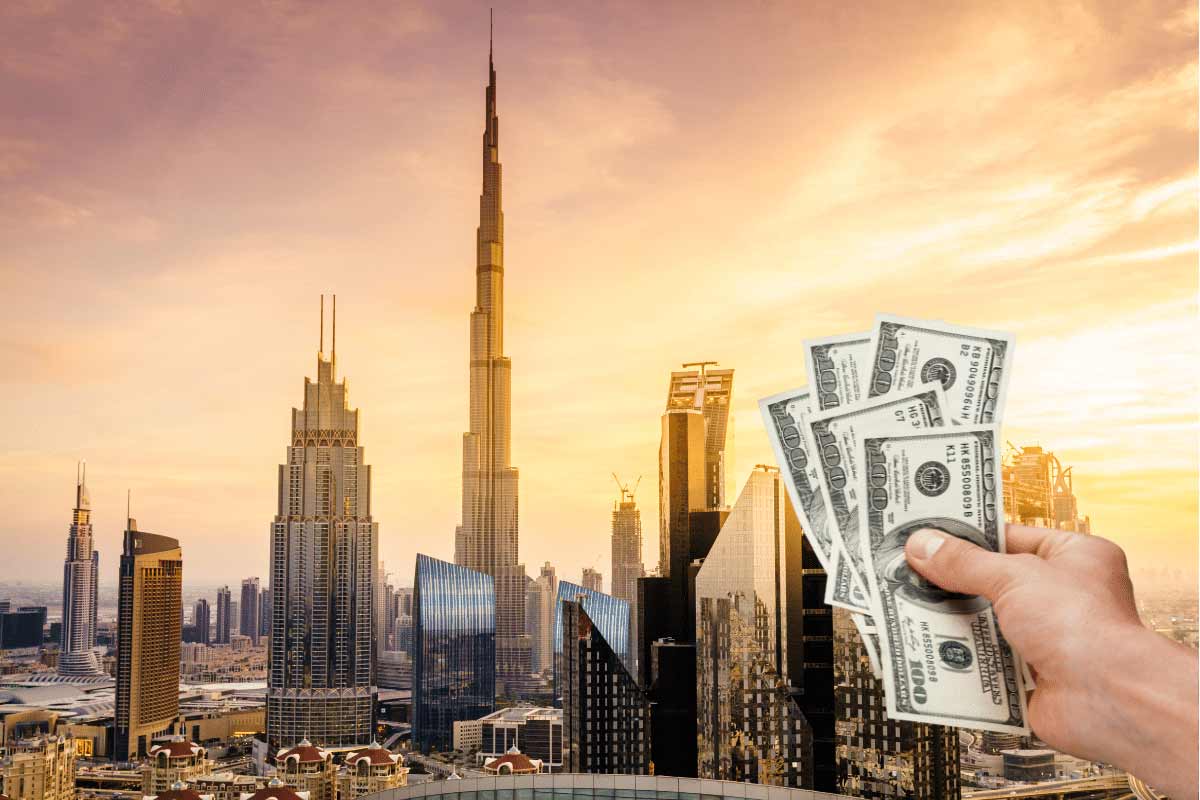
Dubai and the UAE have unveiled record public spending plans for 2026, signalling a decisive shift toward long-term capacity building, improved quality of life and economic resilience.
The moves come as global investors and families increasingly reassess traditional destinations in favour of stable, high-growth jurisdictions.
In November 2025, the Government of Dubai announced the largest budget in the city’s history, with projected revenue of AED107.7bn ($29.3bn) for 2026 and AED99.5bn ($27.1bn) in spending.
Dubai budget plans
Between 45 and 48 per cent of the budget will support infrastructure and construction, while around 28 per cent is directed to social development including schools, hospitals, housing and community services.
Parallel to this, the UAE federal government has committed AED92.4bn ($25.1bn) for 2026 — a 29 per cent increase compared with the previous year — prioritising spending on education, healthcare, pensions and social protection.
Together, these fiscal decisions mark a strategic shift beyond short-term growth cycles. They reflect an intention to build long-term capacity for population expansion, raise living standards and reinforce economic stability.
The contrast is particularly pronounced when compared with the UK’s fiscal direction, where tax increases, regulatory changes and rising financial pressures are reshaping decisions for high-net-worth individuals and internationally mobile families.
Rising tax burdens in the UK — including higher taxes on property, dividends and savings income, a new council tax surcharge on homes over £2m ($2.6m), reduced Capital Gains Tax relief for Employee Ownership Trusts and frozen personal tax thresholds until 2031 — have raised concerns among business owners and affluent households.
Against this backdrop, Dubai’s stable fiscal posture, zero-income-tax policy and expanded investment in social infrastructure are attracting capital, entrepreneurs and families.
Global wealth migration
Simon Baker, Founder and Managing Director of haus & haus, said: “This is the clearest signal yet that Dubai is preparing for long-term population growth and wants to attract global talent, entrepreneurs and high-net-worth families. And that demand ultimately shows up first in the real estate market.”
Off Plan Director Paul Sharland said: “We are seeing a new profile of client – business owners from the UK and Europe who are not just investing; they are moving their companies, their children and their future here.
“They want stability, world-class schooling and a place they can plan a decade ahead. Dubai is offering exactly that.”
This shift is evident not only in capital flows but in lifestyle choices. Buyers are increasingly seeking long-term residences and family-friendly communities — a structural trend rather than speculative demand.
According to Dubai Land Department and market analysts, transactions for properties above AED10m ($2.7m) reached 5,978 so far in 2025, a 40 per cent increase compared with the same period in 2024.
Demand strengthened across premium waterfront, urban and mixed-use developments, while mid-market and family-oriented communities reported higher enquiries and sales.
Industry sources note that the trend is not restricted to the ultra-luxury segment: mid-market apartments, townhouses and long-stay rentals are also gaining traction as relocating families and professionals settle in for the long term.
Real estate vision
As Baker explains: “Real estate is no longer just a lifestyle choice. It is part of the new wealth architecture, a sovereign hedge that combines capital protection, mobility and legacy planning.”
Dubai’s consistently high global safety rankings are a significant factor in relocation decisions. With low crime rates and secure public spaces, the emirate offers a level of predictability and daily stability increasingly valued by European and UK families.
The combination of record public spending, sustained wealth migration and rising real estate demand signals a long-term growth trajectory for Dubai — not merely as a tax-efficient hub, but as a mature global city offering stability, opportunity and lifestyle advantages.
Infrastructure investment is strengthening connectivity and public services. Expanded education and healthcare spending supports growing families.
Housing demand continues to rise as more individuals relocate businesses and households. Luxury and mid-market real estate are emerging as key tools for wealth preservation and future planning.
For globally mobile investors and high-net-worth families, the message is clear: Dubai is no longer a niche alternative. It is fast becoming the default destination for long-term security, stability and value creation.



